
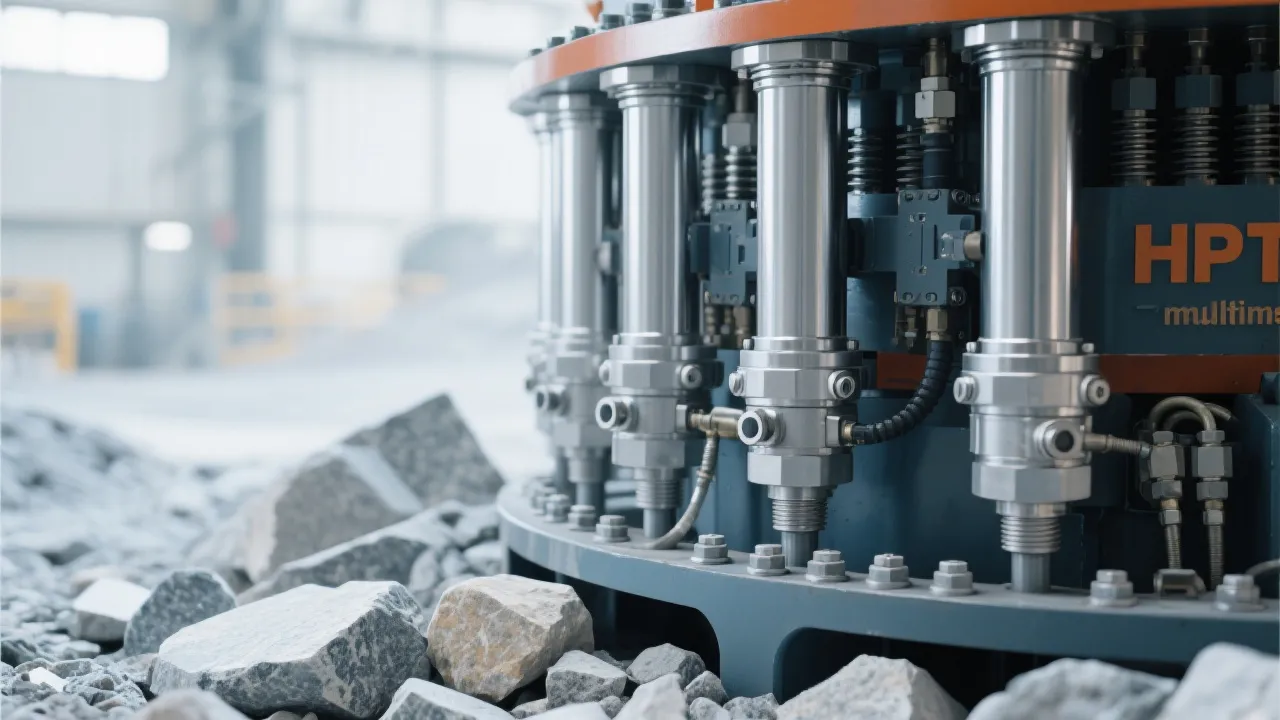
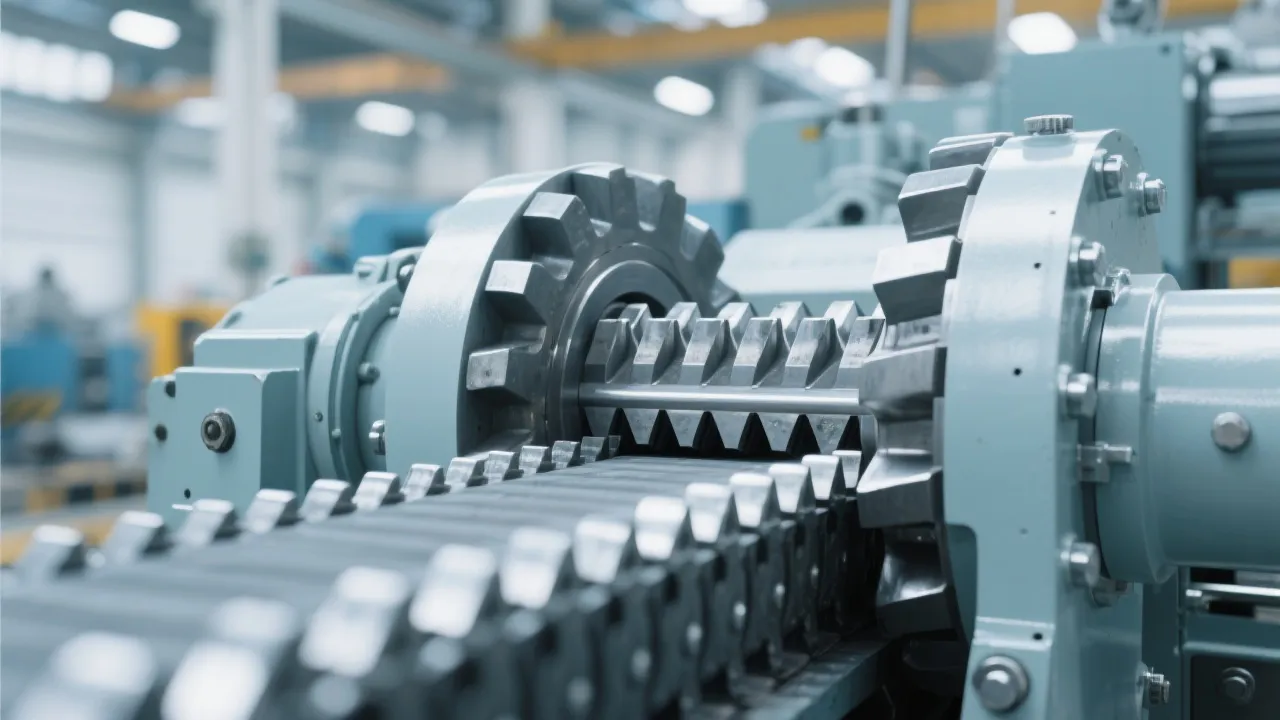
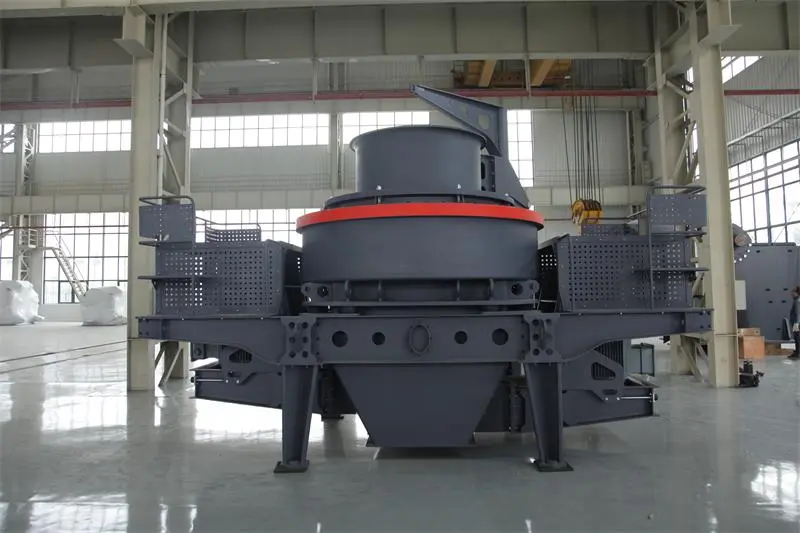
Based on the thirty - year industry experience of Zhengzhou Kuanglian Machinery Co., Ltd., this article delves into the common vibration abnormalities of the PF - 1315 impact crusher in construction waste recycling and its preventive measures. In the field of construction waste recycling, the smooth operation of crushers is crucial for project efficiency and economic benefits.
In actual production, vibration abnormalities are a frequent problem for impact crushers. For example, excessive vibration can lead to equipment instability, increasing the risk of sudden breakdowns. According to industry statistics, about 30% of crusher failures are related to vibration problems. The main reasons for excessive vibration include rotor unbalance and uneven material feeding. Rotor unbalance may be caused by uneven wear of the hammerheads or improper installation. In a certain construction waste recycling project, due to rotor unbalance, the crusher's vibration amplitude increased by 50%, resulting in a 20% reduction in production efficiency.
Another common problem is rotor partial load. When the material is unevenly distributed on the rotor, it will cause the rotor to be under partial load, which in turn leads to abnormal vibration. This situation often occurs when the feeding system is not well - designed. For instance, if the feeding chute is blocked, the material will not be evenly fed into the crusher, causing the rotor to bear uneven forces.
Bearing overheating is also a key issue. High - temperature bearings can reduce their service life and even cause bearing damage. About 25% of crusher bearing failures are due to overheating. The reasons for bearing overheating include insufficient lubrication, excessive load, and poor heat dissipation. In a practical case, due to insufficient lubrication, the bearing temperature of a crusher reached 120°C, far exceeding the normal operating temperature of 60 - 80°C, which seriously affected the equipment's normal operation.
Zhengzhou Kuanglian Machinery's thirty - year manufacturing experience emphasizes the advantages of high - precision digital machining parts. These parts can reduce stress concentration and improve equipment durability. High - precision machining ensures that the parts have more accurate dimensions and better surface quality, which can effectively reduce the occurrence of vibration problems. For example, the use of high - precision digital machining in the production of rotors can make the mass distribution of the rotor more uniform, reducing the probability of unbalance.
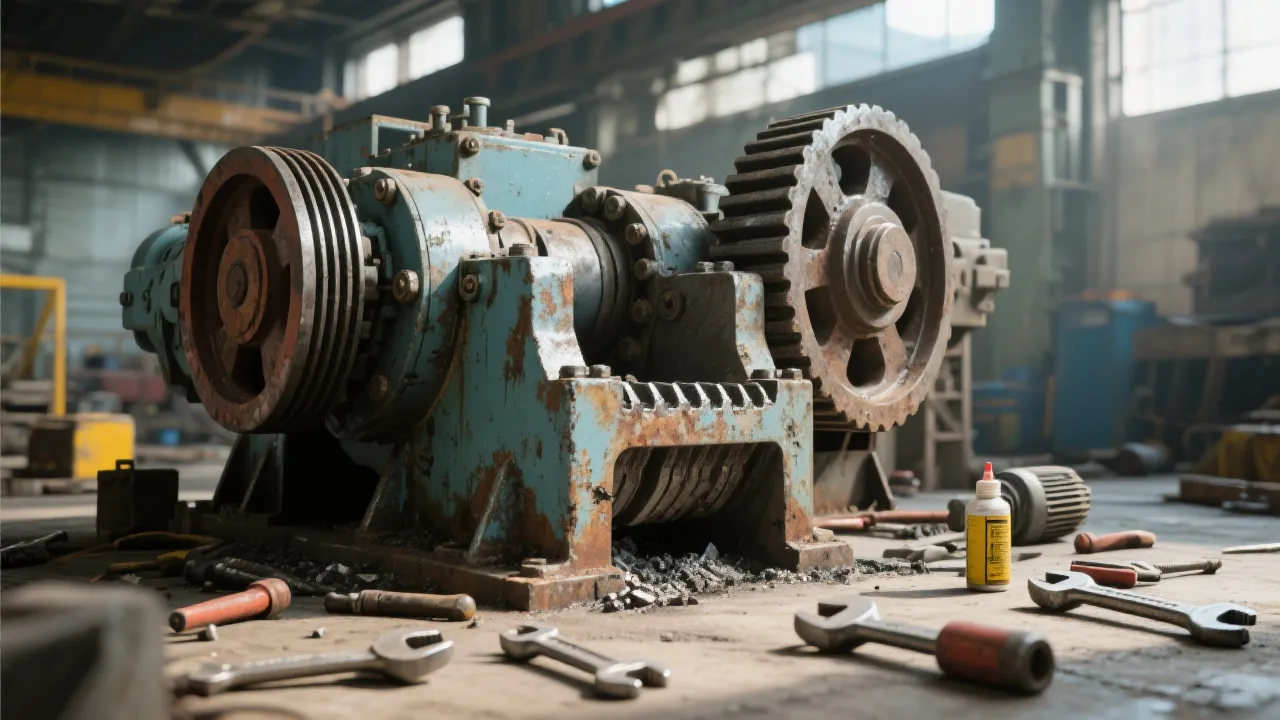
Based on a standardized inspection system, a scientific maintenance plan is proposed. This includes installation calibration, lubrication management, and liner replacement cycles. During the installation process, accurate calibration can ensure the correct installation position of the crusher, reducing the initial vibration. Lubrication management is crucial for bearing protection. Regularly checking the lubricant level and quality and replacing the lubricant in time can effectively prevent bearing overheating. For example, it is recommended to check the lubricant level every 50 operating hours and replace the lubricant every 500 operating hours.
The liner replacement cycle is also an important part of maintenance. As the liner wears, its ability to protect the crusher body decreases. Generally, when the liner wear reaches 50%, it should be replaced. A flowchart can clearly show the specific implementation process of these maintenance steps, helping maintenance personnel to quickly understand and execute.
This article combines technical depth with practical value, helping maintenance personnel quickly identify potential problems, reduce equipment downtime risks, and support the stable profitability of construction waste recycling projects. If you want to learn more about crusher maintenance, you can download our "Impact Crusher Daily Maintenance Manual" or make an appointment for technical consultation.
 127
|
127
|
 Metal ore jaw crusher selection
Crusher feed size matching
Ore particle size and crushing efficiency
PE jaw crusher application cases
Optimization of mining crushing equipment
351
|
["high capacity crusher"
"aggregate plant equipment"
"C6X jaw crusher"
"crusher optimization"
"ore type applicability"]
500
|
PE jaw crusher operation tips
metal ore crushing mistakes
jaw crusher discharge adjustment
primary crushing equipment optimization
mining equipment maintenance
310
|
impact crusher for construction waste
jaw crusher efficiency comparison
aggregate shape control
construction waste recycling
impact crusher maintenance
302
|
Metal ore jaw crusher selection
Crusher feed size matching
Ore granularity and crushing efficiency
PE jaw crusher
Ore crushing equipment selection guide
Metal ore jaw crusher selection
Crusher feed size matching
Ore particle size and crushing efficiency
PE jaw crusher application cases
Optimization of mining crushing equipment
351
|
["high capacity crusher"
"aggregate plant equipment"
"C6X jaw crusher"
"crusher optimization"
"ore type applicability"]
500
|
PE jaw crusher operation tips
metal ore crushing mistakes
jaw crusher discharge adjustment
primary crushing equipment optimization
mining equipment maintenance
310
|
impact crusher for construction waste
jaw crusher efficiency comparison
aggregate shape control
construction waste recycling
impact crusher maintenance
302
|
Metal ore jaw crusher selection
Crusher feed size matching
Ore granularity and crushing efficiency
PE jaw crusher
Ore crushing equipment selection guide






.jpg?x-oss-process=image/resize,m_fill,h_800,w_800/format,webp)



 Facebook