

For mining operations aiming to maximize throughput while maintaining consistent product quality, mastering the discharge opening adjustment on a short-head cone crusher is essential. Whether you're an operator or a plant manager, understanding how to fine-tune this parameter can lead to up to 15–20% improvement in crushing efficiency, according to field data from over 50 sites using Zhengzhou Kuanglian equipment.
Before adjusting the discharge opening, ensure your machine is at rest and all safety interlocks are engaged. Check that the hydraulic system pressure is stable (typically between 12–15 MPa) and the lubrication flow rate meets manufacturer specs—usually 4–6 liters per minute for medium-sized units. A well-lubricated crusher reduces wear by up to 30%, as shown in a case study from a limestone quarry in Rajasthan, India, where improper oil levels led to premature bushing failure within 6 weeks.
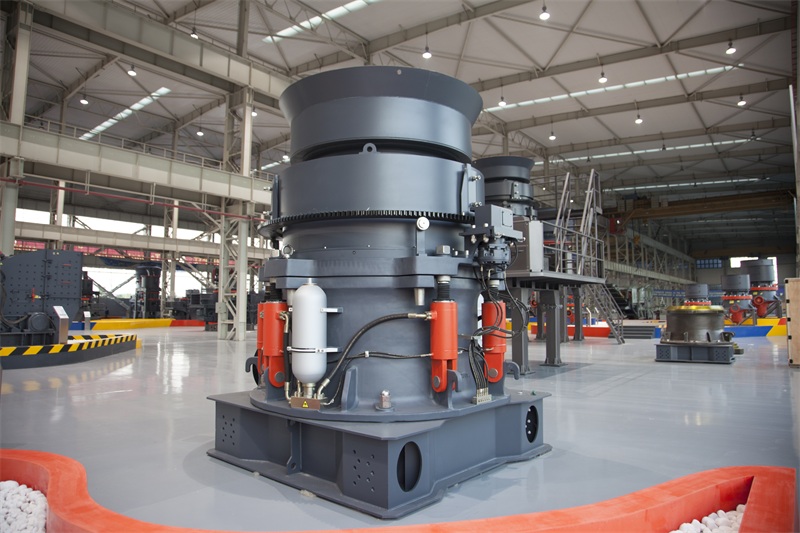
The most effective method involves using the hydraulic cylinder to raise or lower the mantle. For a typical 100 mm feed size, start with a 25 mm discharge opening. Use a digital micrometer or feeler gauge to verify the gap between the mantle and bowl liner. After each adjustment, run the machine under no-load conditions for 5 minutes to allow the system to stabilize. In one real-world example from a gold mine in Nevada, operators reduced fines content by 12% after switching from manual to calibrated hydraulic adjustments.
Once adjusted, monitor output particle size distribution using a sieve analysis or laser diffraction device. Aim for a target gradation of 70–80% passing through a 10 mm mesh. Also, clean the crushing chamber regularly—especially after processing abrasive materials like basalt—to prevent buildup that affects performance. The same Nevada site reported a 10% drop in energy consumption when they implemented weekly cavity cleaning routines.
| Common Mistakes | Correct Practice |
|---|---|
| Adjusting without checking oil level | Verify lubrication before any change |
| Ignoring vibration indicators | Use vibration sensors to detect misalignment |
| Skipping post-adjustment testing | Validate results via sieving or online analyzers |
Download our free “Cone Crusher Optimization Checklist” PDF with step-by-step visuals, maintenance logs, and troubleshooting tips used by top-tier mining teams worldwide.
Access Technical Documentation Now 77
|
77
|
 limestone sand production line
PEW jaw crusher
crushing ratio optimization
non-metallic mineral processing
jaw crusher parameter setting
350
|
PFW impact crusher applications
energy-efficient crushing equipment
multi-industry crusher solutions
dual-wedge discharge adjustment
mining and chemical industry crushers
464
|
PFW impact crusher
mining and chemical industry equipment
double wedge adjustment mechanism
energy-efficient crushing equipment
modular crusher design
442
|
jaw crusher efficiency
crushing chamber design optimization
stone crushing technology
PEW jaw crusher
crusher capacity improvement
233
|
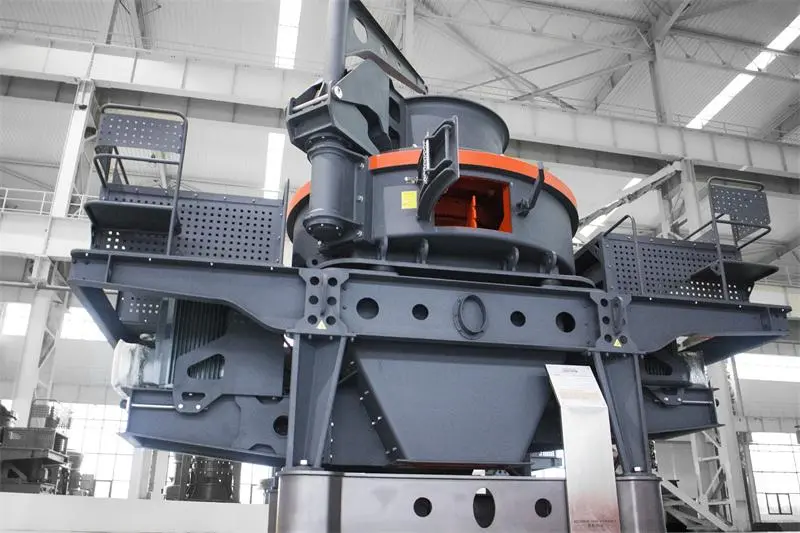
VSI6X Sand Making Machine
efficient low-cost sand equipment
versatile material applicable sand machine
limestone sand production line
PEW jaw crusher
crushing ratio optimization
non-metallic mineral processing
jaw crusher parameter setting
350
|
PFW impact crusher applications
energy-efficient crushing equipment
multi-industry crusher solutions
dual-wedge discharge adjustment
mining and chemical industry crushers
464
|
PFW impact crusher
mining and chemical industry equipment
double wedge adjustment mechanism
energy-efficient crushing equipment
modular crusher design
442
|
jaw crusher efficiency
crushing chamber design optimization
stone crushing technology
PEW jaw crusher
crusher capacity improvement
233
|
VSI6X Sand Making Machine
efficient low-cost sand equipment
versatile material applicable sand machine







.jpg?x-oss-process=image/resize,m_fill,h_800,w_800/format,webp)





 Facebook