
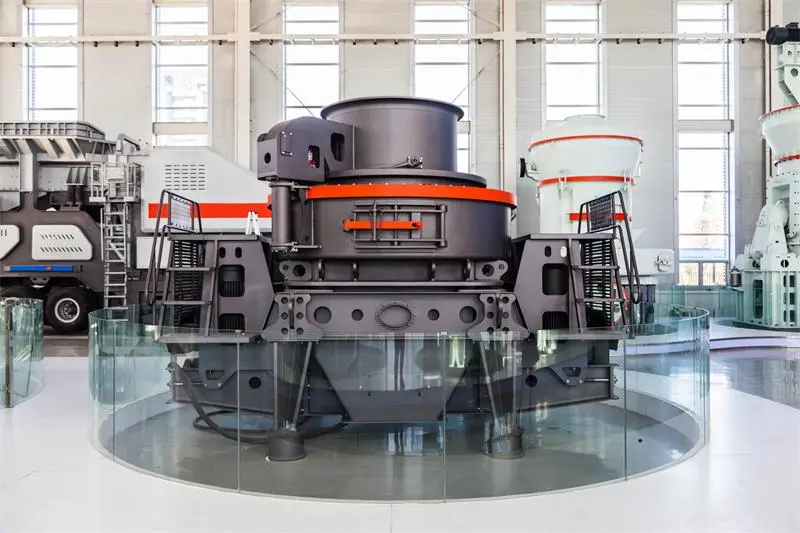
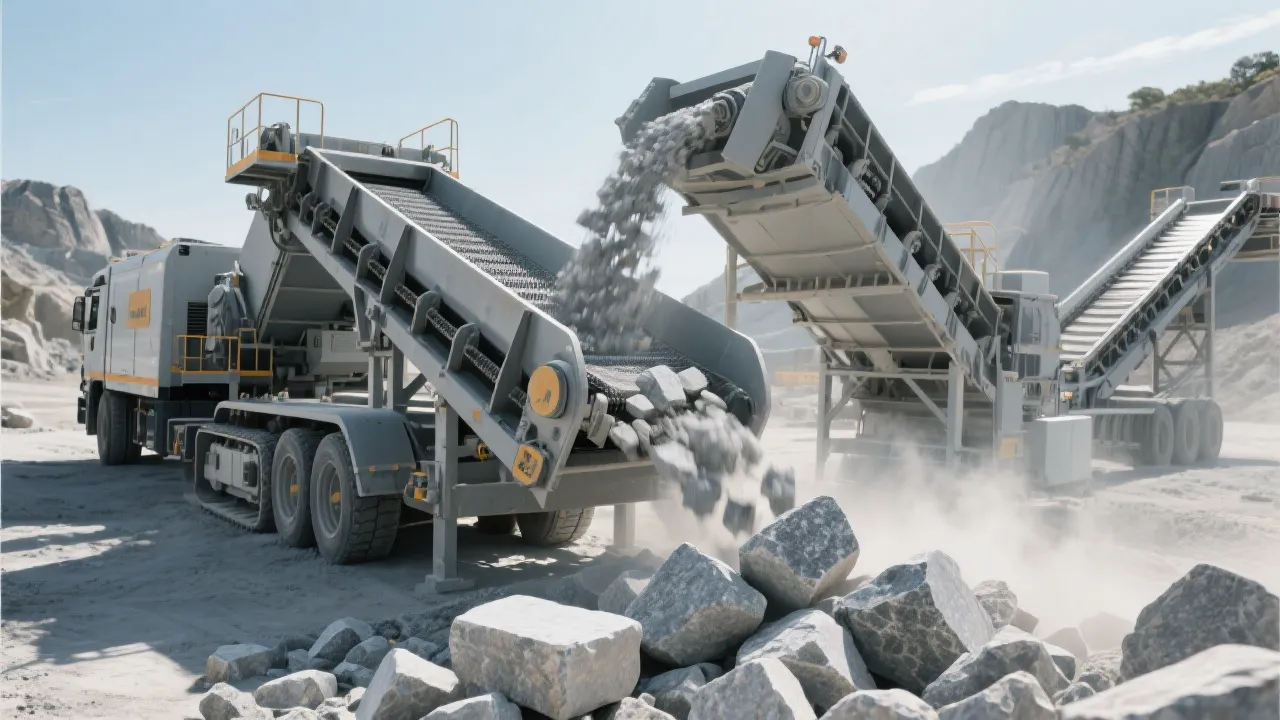
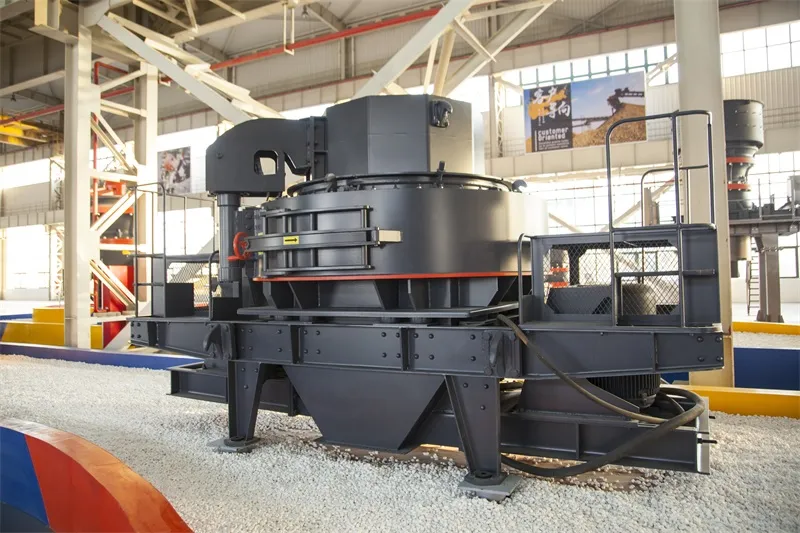
When it comes to building a sustainable construction waste recycling plant, selecting the right crushing equipment isn’t just about raw power—it’s about precision, efficiency, and long-term ROI. In this guide, we’ll compare two dominant setups: the impact crusher and the traditional jaw crusher + hammer crusher combination—based on real-world performance data, material characteristics, and operational costs.
Not all construction waste is created equal. Concrete debris from demolition sites typically contains rebar, bricks, and varying degrees of moisture, while mixed rubble from urban redevelopment may include ceramics, plastics, or even soil. A study by the Construction Materials Research Institute (CMRI) found that 68% of projects using incorrect crushers experienced premature wear on liners and screens—leading to 15–25% higher maintenance costs annually.
So how do you match your equipment to the job? Start with:
A major recycling project in Dubai replaced its old jaw+hammer system with a single-stage impact crusher. The results were striking:
| Metric | Before (Jaw+Hammer) | After (Impact Crusher) |
|---|---|---|
| Energy per ton | 7.2 kWh | 5.9 kWh |
| Maintenance downtime/month | 22 hours | 10 hours |
| Cubical aggregate rate | 61% | 84% |
These numbers tell a clear story: one well-designed impact crusher can outperform a multi-stage system in both cost and quality.
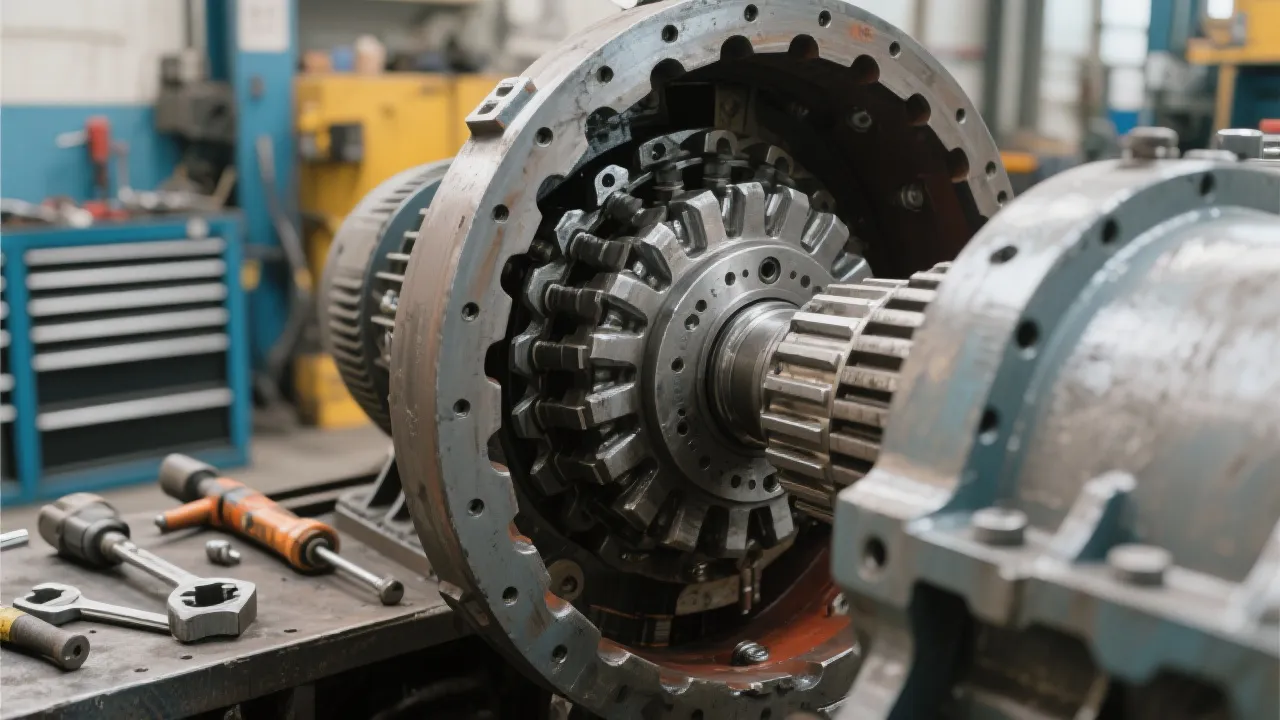
The difference between success and failure often lies in the choice of wear parts. Standard manganese steel liners degrade rapidly under abrasive conditions. Our clients who switched to high-chrome alloy components saw a 40% increase in liner life—and a 20% drop in replacement frequency over 12 months.
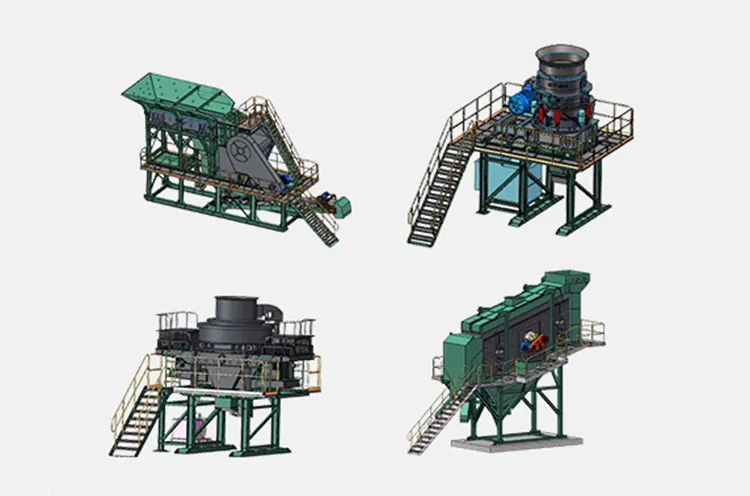
And don’t forget integration: a smart system includes automated screening, dust suppression, and conveyor alignment. One client in Saudi Arabia saved $30k/year in labor and cleanup after adding a modular screening unit to their impact crusher setup.
Pro Tip: Always test your equipment against actual site samples—not just lab-grade materials. Real-world variability impacts everything from throughput to wear rates.
If you're evaluating options for your next construction waste processing line—or optimizing an existing one—we invite you to download our free Building Waste Crusher Selection Checklist. It walks you through 12 key questions based on your feed type, budget, and output goals.
Download Free Crusher Selection Checklist
Need personalized advice? Book a 30-minute technical consultation with our engineers—no obligation, just actionable insights tailored to your project.
 38
|
38
|
 impact crusher rotor design
crushing efficiency optimization
dynamic balance testing method
hammer layout strategy
mining equipment maintenance
335
|
jaw crusher efficiency optimization
crushing chamber design
ore hardness effect on crushing
PEW jaw crusher performance
material flow in jaw crushers
150
|
jaw crusher efficiency
crushing chamber design optimization
ore crushing technology
PEW jaw crusher
common jaw crusher faults
373
|
impact crusher hammer life extension
high humidity ore processing
sealing technology for crushers
material selection for wear resistance
intelligent lubrication system
481
|
["high capacity jaw crusher"
"aggregate plant equipment"
"C6X jaw crusher"
"crushing machine case study"
"mineral processing equipment"]
impact crusher rotor design
crushing efficiency optimization
dynamic balance testing method
hammer layout strategy
mining equipment maintenance
335
|
jaw crusher efficiency optimization
crushing chamber design
ore hardness effect on crushing
PEW jaw crusher performance
material flow in jaw crushers
150
|
jaw crusher efficiency
crushing chamber design optimization
ore crushing technology
PEW jaw crusher
common jaw crusher faults
373
|
impact crusher hammer life extension
high humidity ore processing
sealing technology for crushers
material selection for wear resistance
intelligent lubrication system
481
|
["high capacity jaw crusher"
"aggregate plant equipment"
"C6X jaw crusher"
"crushing machine case study"
"mineral processing equipment"]



.jpg?x-oss-process=image/resize,h_800,m_lfit/format,webp)

.jpg?x-oss-process=image/resize,h_800,m_lfit/format,webp)







 Facebook