
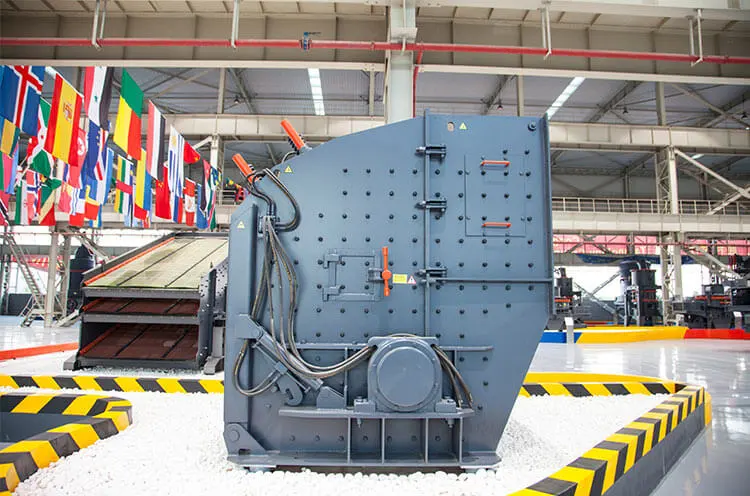
In the high-stakes world of chemical processing, downtime isn’t just costly—it’s dangerous. A single bearing failure in a PFW impact crusher can halt an entire production line for 48–72 hours, costing up to $50,000 in lost output and labor alone (based on industry averages from 2023). That’s why leading chemical manufacturers are now adopting centralized grease lubrication systems—not as a luxury, but as a necessity.
Manual greasing might seem simple—but in environments with high temperatures (>80°C), corrosive materials, and continuous operation, it’s a recipe for disaster. According to a study by the International Maintenance Institute, over 60% of mechanical failures in heavy-duty crushers stem from improper or inconsistent lubrication. Operators often miss critical points, apply too much or too little grease, or fail to monitor pressure levels—leading to overheating, premature wear, and even catastrophic breakdowns.
Take one case from a petrochemical plant in Saudi Arabia: after three months of unplanned stops due to bearing damage, they switched to a centralized system. Within six weeks, their equipment availability rose from 87% to 96%, and maintenance labor dropped by 40%. This isn't an outlier—it's becoming the new standard.
A modern centralized grease system does more than just pump oil—it intelligently manages the entire process:
These features reduce manual intervention by up to 70%, while boosting bearing life by 3–5 years compared to traditional methods—a significant ROI for any plant manager.
Chemical facilities demand strict hygiene standards. Traditional greasing introduces airborne particles and excess oil mist into the air—posing both safety risks and environmental compliance issues. With centralized systems, you eliminate open handling, reduce cleanup time by 60%, and maintain cleaner working conditions, especially in confined spaces like reactor feed lines or closed-loop systems.
And let’s not forget reliability: these systems integrate seamlessly with SCADA and CMMS platforms, allowing predictive maintenance based on real-time data—not guesswork.
Don’t just install the system—optimize it. Start with a baseline audit: measure current grease usage, failure rates, and labor hours. Then implement a monthly inspection protocol using digital logs. Most importantly, train your team on interpreting pressure trends—not just reacting to alarms.
One U.S.-based specialty chemicals producer saw a 25% drop in unplanned outages within four months simply by shifting from reactive to proactive monitoring. Their engineers now treat the system as part of the asset management strategy—not just another piece of equipment.
Ready to transform your crusher maintenance? Discover how our digital lubrication solution helps chemical plants improve uptime, cut labor costs, and extend equipment life—without adding complexity.
 432
|
432
|
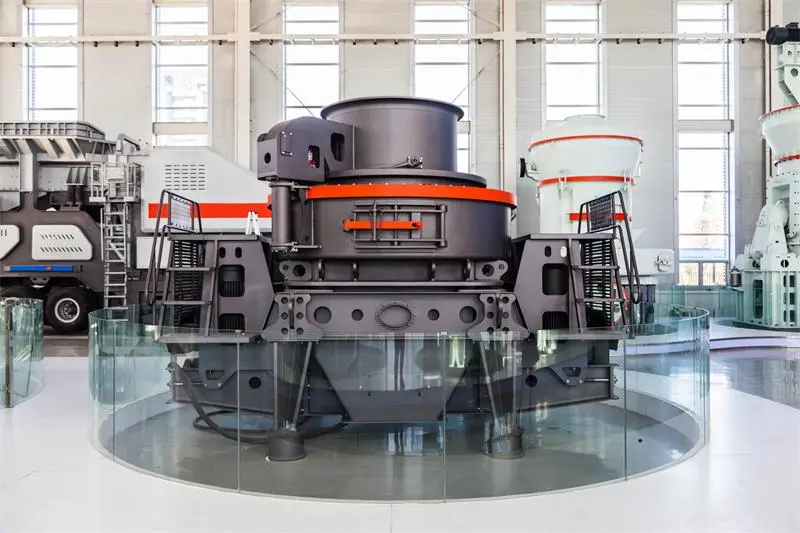
 VSI6X Sand Making Machine
Key Component Design
Cost Reduction and Efficiency Enhancement for Sand Production Enterprises
Sand Production and Shaping Equipment
410
|
VSI6X sand making machine
high-efficiency sand making equipment
artificial sand production
sand making machine manufacturer
energy-saving and environmental protection equipment
357
|
chemical crushing equipment
impact crusher lubrication system
centralized lubrication solution
high-temperature material crusher maintenance
crusher downtime reduction
320
|
VSI6X Sand Maker
efficient sand-making equipment
cost-effective sand production
diverse material crushing
sand shaping equipment
391
|
jaw crusher impact crusher coordination
metal ore crushing recovery rate
graded crushing process design
feed size management 0-1020mm
energy efficient mining crushing system
VSI6X Sand Making Machine
Key Component Design
Cost Reduction and Efficiency Enhancement for Sand Production Enterprises
Sand Production and Shaping Equipment
410
|
VSI6X sand making machine
high-efficiency sand making equipment
artificial sand production
sand making machine manufacturer
energy-saving and environmental protection equipment
357
|
chemical crushing equipment
impact crusher lubrication system
centralized lubrication solution
high-temperature material crusher maintenance
crusher downtime reduction
320
|
VSI6X Sand Maker
efficient sand-making equipment
cost-effective sand production
diverse material crushing
sand shaping equipment
391
|
jaw crusher impact crusher coordination
metal ore crushing recovery rate
graded crushing process design
feed size management 0-1020mm
energy efficient mining crushing system

.jpg?x-oss-process=image/resize,h_800,m_lfit/format,webp)






.jpg?x-oss-process=image/resize,m_fill,h_800,w_800/format,webp)



 Facebook