
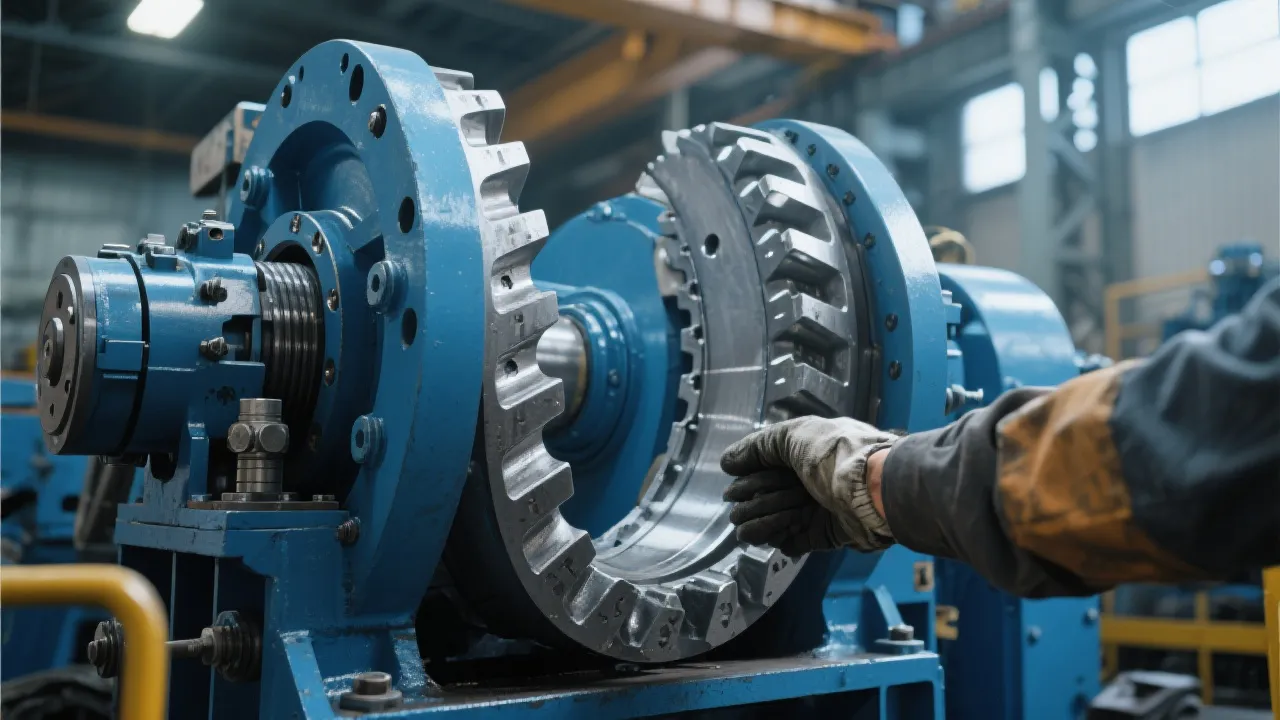
Industrial crushers in chemical manufacturing face extreme challenges due to high operating temperatures and corrosive environments. The PF impact crusher—widely used for high-temperature material fragmentation—requires reliable lubrication to maintain optimal performance while minimizing unplanned downtime.
Traditional lubrication methods often fail under harsh chemical plant conditions, leading to premature bearing wear, increased friction, and frequent breakdowns. A centralized grease lubrication system addresses these issues by incorporating three core functions:
By integrating these features, the system maintains the crusher’s bearing temperatures within the optimal range—typically 70°C to 90°C—reducing heat-induced failures by up to 40% compared to manual lubrication methods.
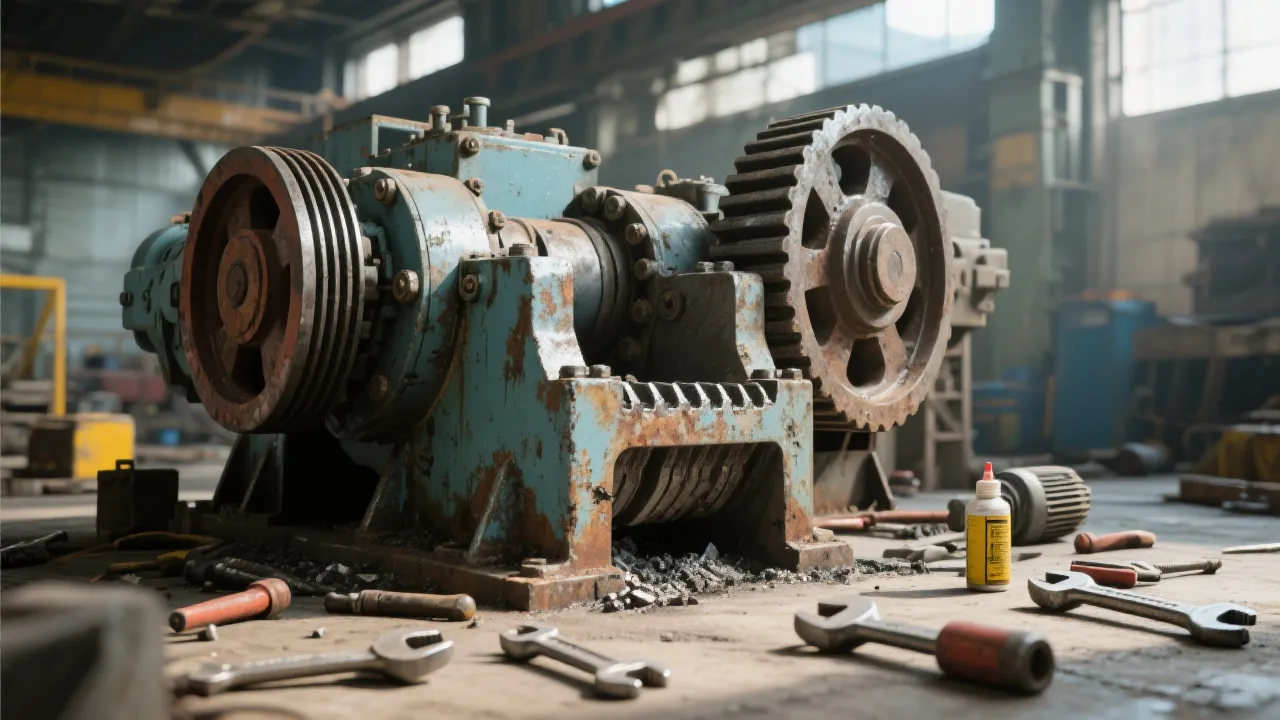
Industry data indicates that over 60% of crusher downtime in chemical plants stems from lubrication failures, often tied to:
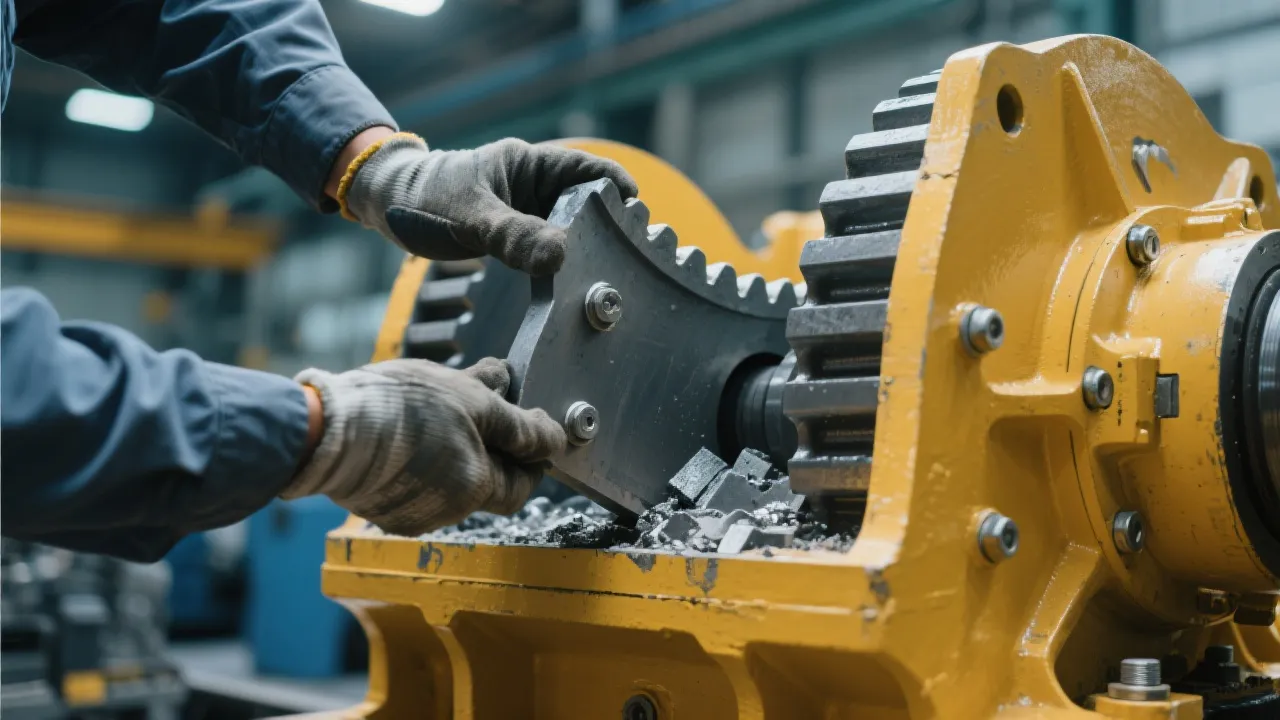
A detailed case involved a chemical plant's PF impact crusher suffering repeated bearing overheating. Retrofitting with a centralized lubrication system featuring real-time pressure alerts reduced bearing replacements from 4 annually to just 1, while cutting average downtime by 35%.
Operating at elevated temperatures exceeding 150°C and exposure to harsh chemicals calls for:
These adaptations collectively improve equipment mechanical availability—an industry benchmark—often achieving above 92% uptime in harsh settings, where manual lubrication typically limits availability to around 75%.
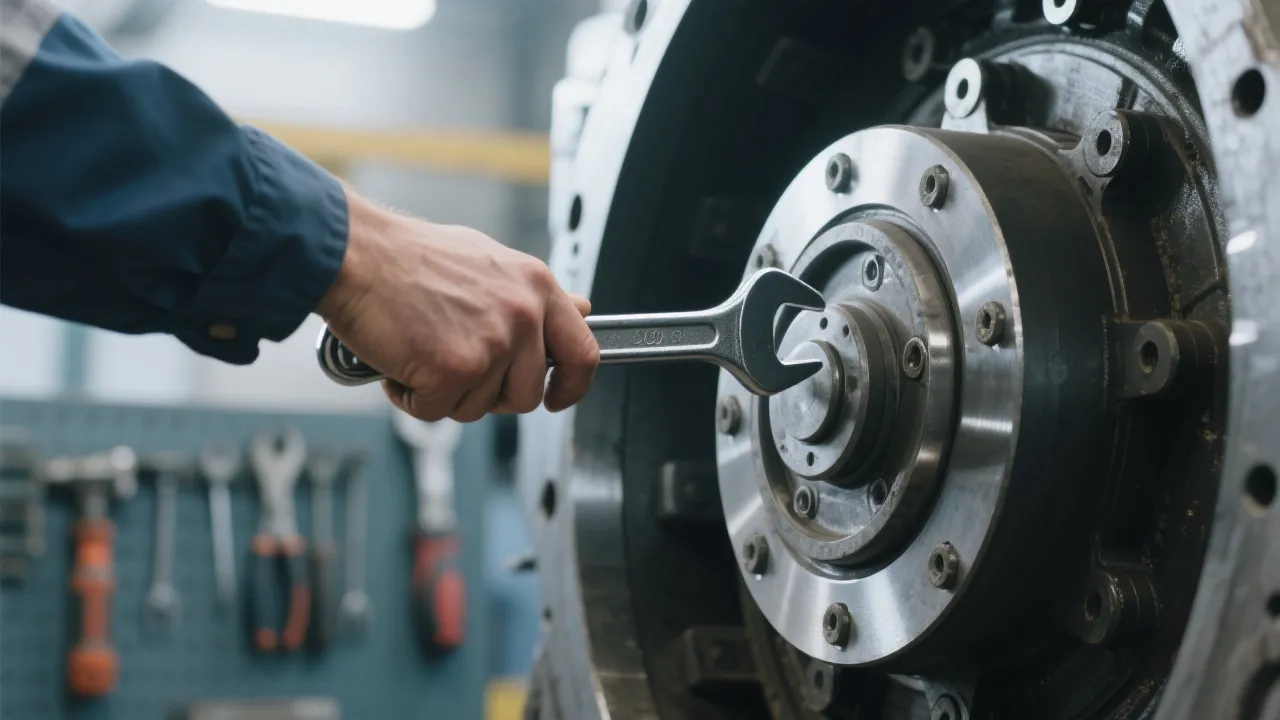
Enterprises aiming to maximize PF crusher longevity should implement the following best practices:
Following these steps can extend equipment service life by 25%-30%, simultaneously minimizing unscheduled outages and lowering total maintenance costs.
Emerging digital lubrication solutions enable centralized control via cloud platforms, providing:
Adapting such innovations transforms reactive maintenance into proactive asset management, crucial for maintaining high production quotas in chemical crushing operations.
 457
|
457
|
 VSI6X crusher
VSI6X high-efficiency crusher
sand making machine technology
energy-saving sand making equipment
manufactured sand production equipment
191
|
["jaw crusher maintenance efficiency"
"C6X jaw crusher optimization"
"crusher structural design improvement"
"equipment uptime optimization"
"aggregate processing machinery"]
318
|
PE jaw crusher discharge adjustment
metal ore crushing efficiency
jaw crusher optimization techniques
primary crushing equipment setup
crushing process improvement
362
|
jaw crusher efficiency
crushing chamber design optimization
ore hardness crushing
PEW jaw crusher parameters
energy-efficient ore crushing
35
|
C6X jaw crusher
large feed opening crusher
aggregate plant productivity
high-efficiency crushing technology
modular crusher design
VSI6X crusher
VSI6X high-efficiency crusher
sand making machine technology
energy-saving sand making equipment
manufactured sand production equipment
191
|
["jaw crusher maintenance efficiency"
"C6X jaw crusher optimization"
"crusher structural design improvement"
"equipment uptime optimization"
"aggregate processing machinery"]
318
|
PE jaw crusher discharge adjustment
metal ore crushing efficiency
jaw crusher optimization techniques
primary crushing equipment setup
crushing process improvement
362
|
jaw crusher efficiency
crushing chamber design optimization
ore hardness crushing
PEW jaw crusher parameters
energy-efficient ore crushing
35
|
C6X jaw crusher
large feed opening crusher
aggregate plant productivity
high-efficiency crushing technology
modular crusher design










 Facebook