
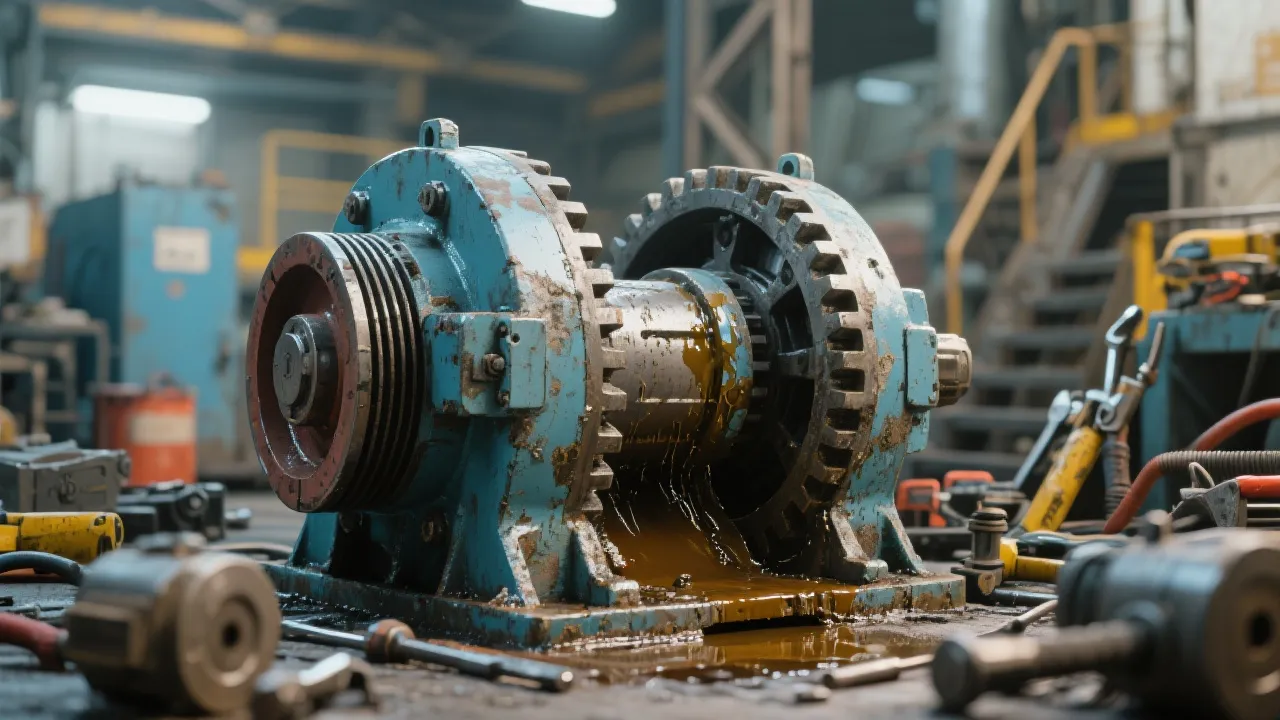
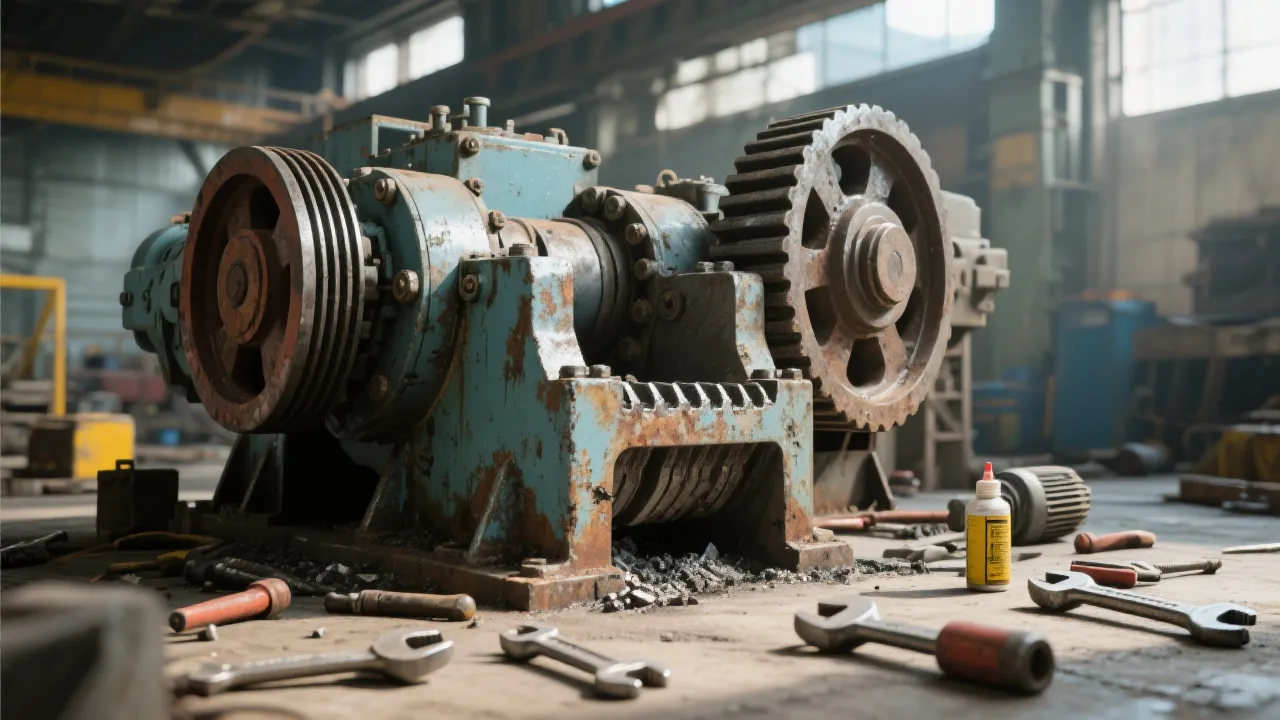
In the chemical processing industry, where uptime directly impacts profitability and safety, maintaining crushing equipment—especially impact crushers—is more than just routine maintenance—it’s a strategic advantage. One often overlooked yet critical factor is lubrication. Properly managed grease systems can reduce unscheduled downtime by up to 40%, extend bearing life by over 50%, and significantly lower operational costs.
Many chemical plants still rely on manual greasing schedules. However, studies show that 70% of premature bearing failures stem from improper or inconsistent lubrication—not poor-quality components. In high-temperature, corrosive environments (like those found in phosphate or caustic soda processing), traditional methods fail to deliver consistent oil film coverage, leading to overheating, wear, and unplanned shutdowns.
“We used to lose two bearings per month on our反击式破碎机. After installing an automated centralized lubrication system, we saw zero bearing failures in 14 months.” — Plant Manager, Saudi Arabia-based Petrochemical Facility
The modern solution lies in automated centralized lubrication systems that integrate three core functions:
Data from a mid-sized European chemical plant shows that after implementing such a system:
| Metric | Before System | After System |
|---|---|---|
| Avg. Bearing Life (months) | 8–10 | 15–18 |
| Unplanned Downtime (hours/month) | 22 | 6 |
| Maintenance Labor Cost Reduction | N/A | ~35% |
Centralized systems also improve workplace safety and environmental compliance. Manual greasing often results in excess grease escaping into the air or onto floors—creating slip hazards and violating ISO 14001 standards. Automated systems minimize waste and keep work areas cleaner, reducing both risk and regulatory exposure.
Pro Tip: For facilities handling sensitive materials like lithium carbonate or titanium dioxide, consider using food-grade or chemically resistant greases compatible with your specific process environment.
Whether you're managing a single crusher or an entire production line, adopting a smart lubrication strategy isn't optional anymore—it's essential. By shifting from reactive to proactive maintenance, chemical processors gain control over their most critical assets while boosting productivity and sustainability.
Explore how our digital lubrication solutions can boost your equipment availability and cut maintenance costs—without changing your existing infrastructure.
See How Our Smart Lubrication System Works 107
|
107
|
 PF-1315 impact crusher parameters
construction waste processing
reclaimed aggregate optimization
impact crusher operation tips
building demolition recycling
97
|
crushing equipment lubrication failure
centralized grease lubrication system
high-temperature crusher maintenance
corrosive environment machinery
bearing failure prevention
209
|
CI5X heavy - duty rotor crusher
high - efficiency impact crusher
rotor design optimization
mining crushing equipment
energy - saving crusher
265
|
C6X Jaw Crusher
high - output crusher
aggregate plant equipment
crusher performance
ore crushing equipment
163
|
impact crusher discharge adjustment
particle size control techniques
dual-wedge mechanism advantages
chemical raw material crushing optimization
PFW impact crusher tuning
PF-1315 impact crusher parameters
construction waste processing
reclaimed aggregate optimization
impact crusher operation tips
building demolition recycling
97
|
crushing equipment lubrication failure
centralized grease lubrication system
high-temperature crusher maintenance
corrosive environment machinery
bearing failure prevention
209
|
CI5X heavy - duty rotor crusher
high - efficiency impact crusher
rotor design optimization
mining crushing equipment
energy - saving crusher
265
|
C6X Jaw Crusher
high - output crusher
aggregate plant equipment
crusher performance
ore crushing equipment
163
|
impact crusher discharge adjustment
particle size control techniques
dual-wedge mechanism advantages
chemical raw material crushing optimization
PFW impact crusher tuning











 Facebook