


When Mud Is the Main Problem
Prioritize a stronger pre-screening stage, shorter transfer chutes, and a crusher setup that tolerates feed fluctuations. The goal is consistent feed, not maximum reduction ratio.
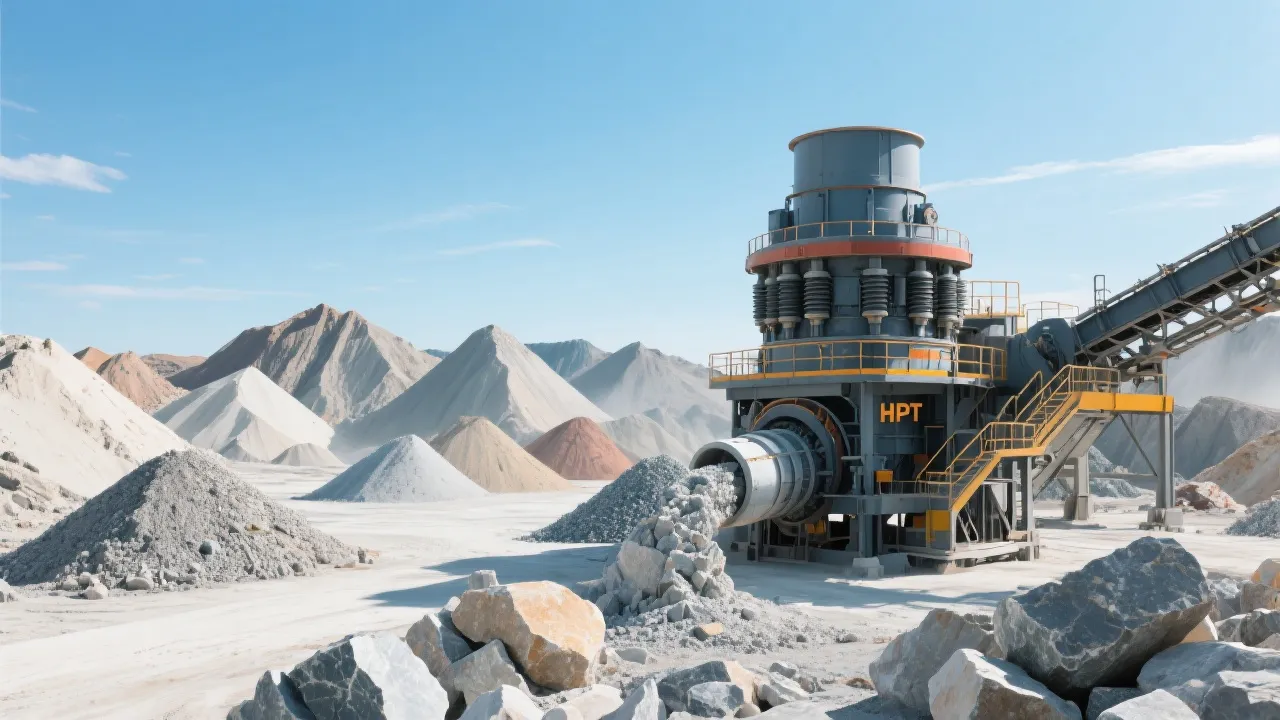
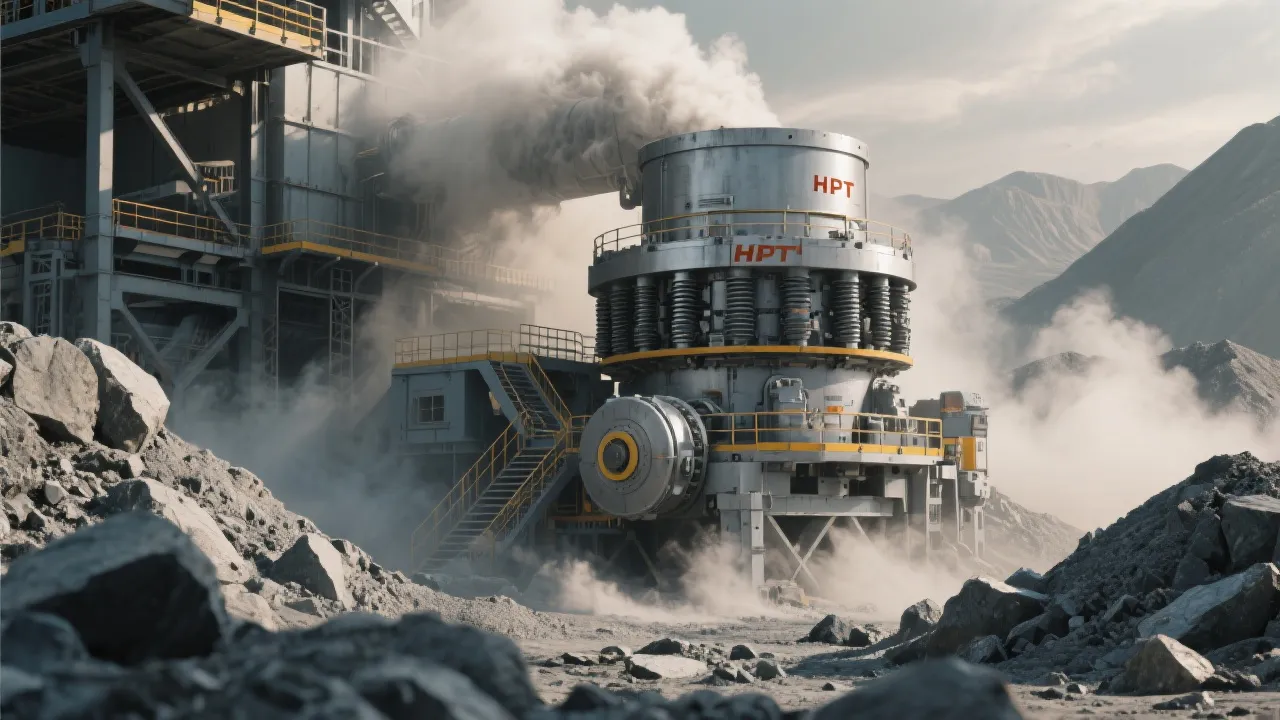
In real recycling yards and quarry-side plants, construction waste crushing rarely fails because of one “big” issue—it fails because of many small variables that stack up: uneven feed size, wet fines, sticky clay, rebar remnants, and a process line designed for cleaner aggregates. When mud content rises, screens blind, crushers choke, and conveyors spill. The result is predictable: unplanned stops, higher wear cost, and unstable product grading.
This article explains how operators reduce blockage risks and stabilize throughput using a pre-screening + multi-stage crushing workflow, a modular MP configuration (SMP series), and automation controls—methods proven across multi-region deployments (including projects in over 100 countries). The goal is simple: efficient stable operation, lower maintenance cost, and fast delivery for trial commissioning.
High mud/clay content typically doesn’t show up as a single alarm. It shows up as a chain reaction: fines adhere to larger particles, feed becomes less free-flowing, and the system loses its self-cleaning behavior. Even if the crusher itself can “crush,” the plant may still stop because upstream and downstream components cannot transport or separate material reliably.
In many plants, the measurable impact is not subtle: once clay rises beyond a “comfort zone,” effective throughput can drop 20–35%, while non-productive time (cleaning, clearing, belt wash-down) can increase by 15–30%. Those ranges vary by layout, but the pattern is consistent.

If the goal is to stop blockages, the most cost-effective move is often not “a bigger crusher,” but a cleaner, more stable feed. A pre-screening + multi-stage crushing approach isolates fines early, reduces unnecessary crushing work, and lowers recirculation load.
On mixed demolition waste (concrete + brick + asphalt fragments), this structure often delivers the most noticeable gains: 30–40% higher operational stability (fewer stop-start events) and 10–25% lower energy per ton, mainly because the plant stops wasting power crushing mud-laden fines that should have been removed earlier.
Construction waste is not a uniform ore body. Feed can change hour to hour—after rainfall, after a new demolition batch arrives, or when the excavator switches piles. That’s why a fixed, single-purpose line can feel “perfect on paper” but fragile in operation.
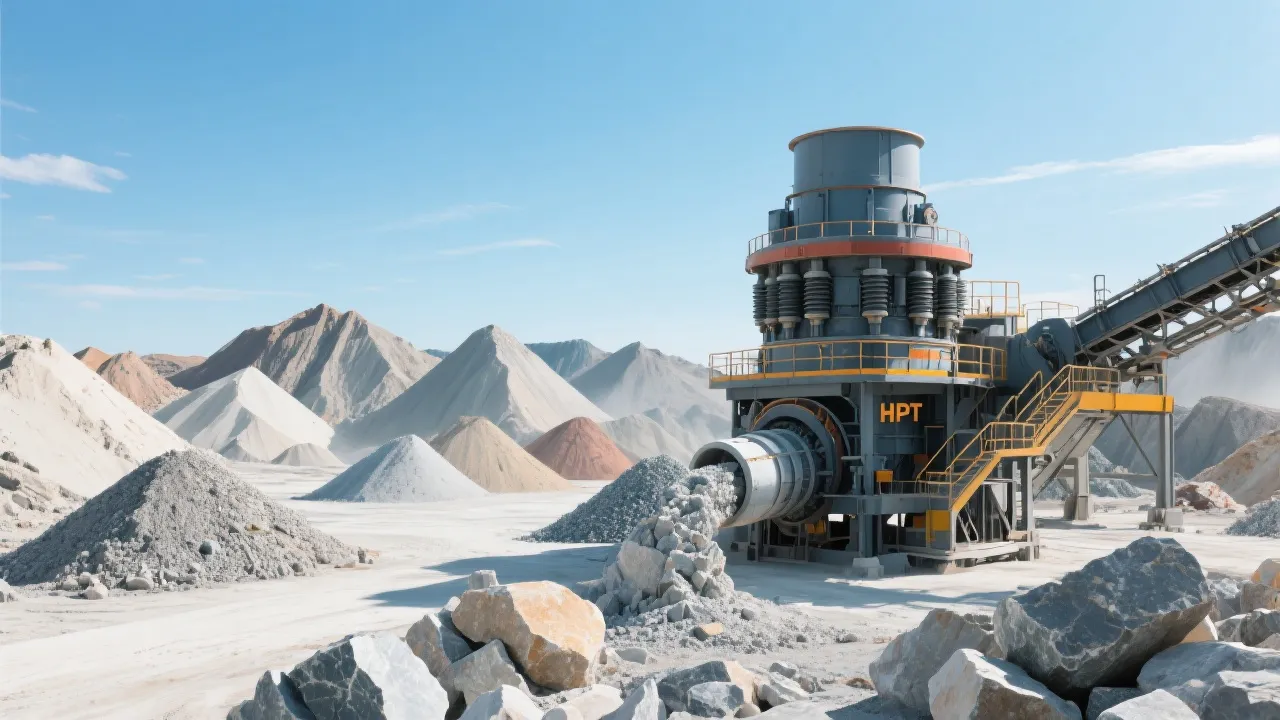
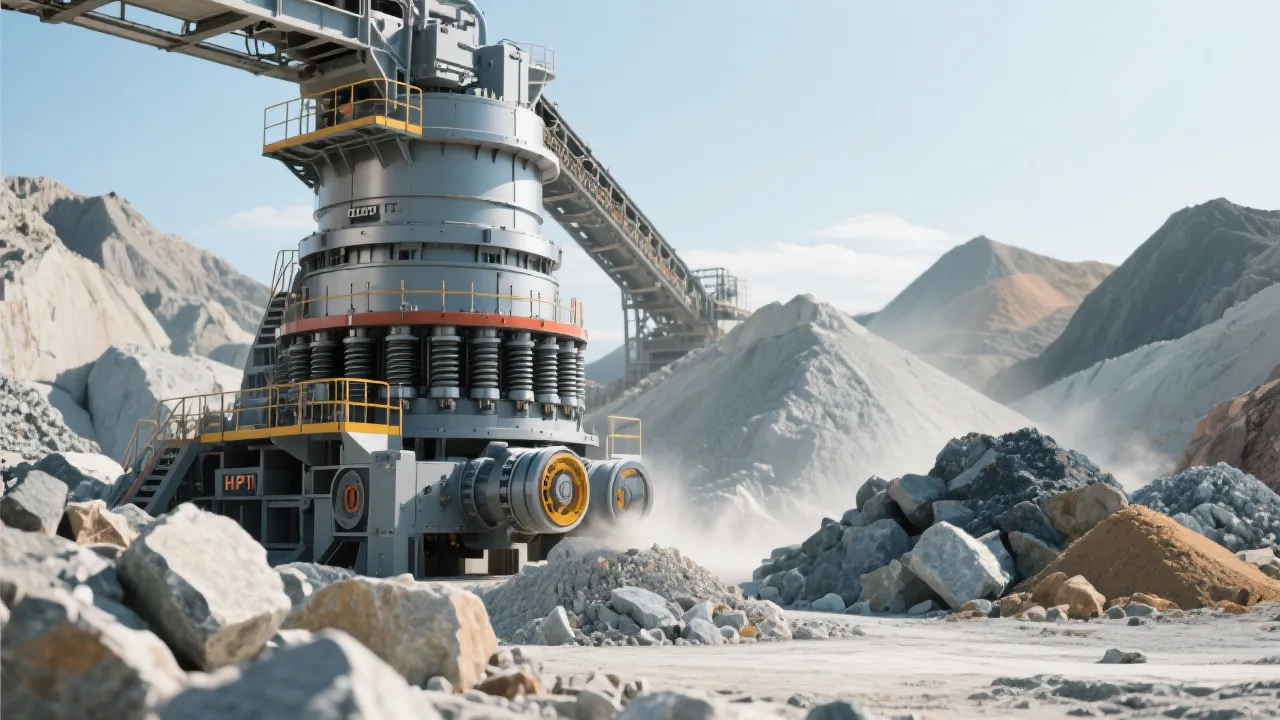
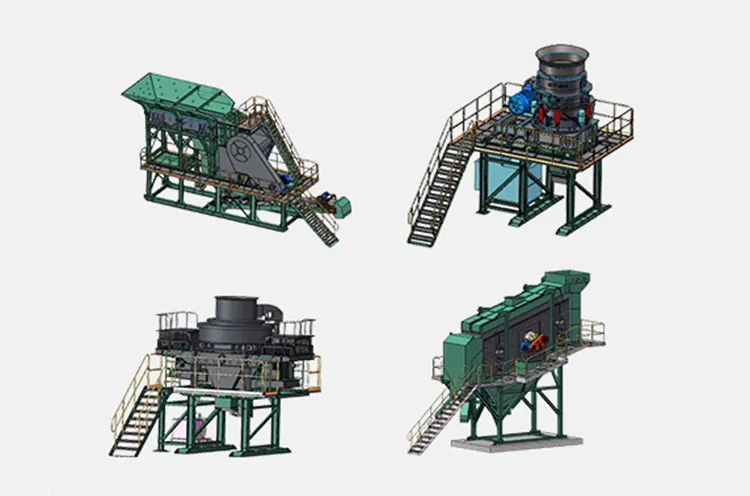
A modular design—such as Kuanglian’s SMP modular crushing equipment with MP module configuration—helps operators match equipment functions to material behavior. Instead of redesigning the whole plant, the line can be assembled and adjusted around key tasks: pre-screening, primary reduction, re-screening, and final shaping.
Prioritize a stronger pre-screening stage, shorter transfer chutes, and a crusher setup that tolerates feed fluctuations. The goal is consistent feed, not maximum reduction ratio.
Add or strengthen intermediate screening and limit recirculation. This reduces “oversize waves” that often trigger crusher packing and belt overload.
Balance reduction across stages and protect the high-wear zones. In many cases, spreading work across two controlled stages extends wear part life and reduces emergency replacements.
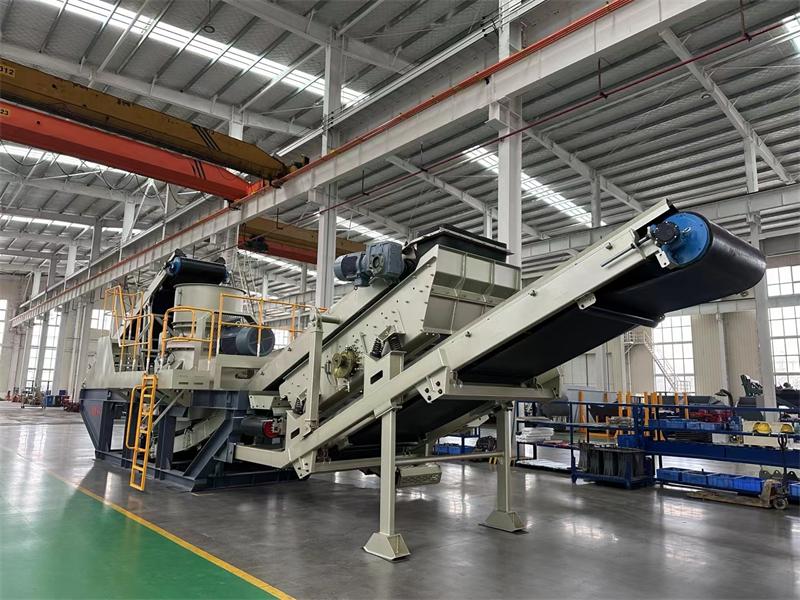
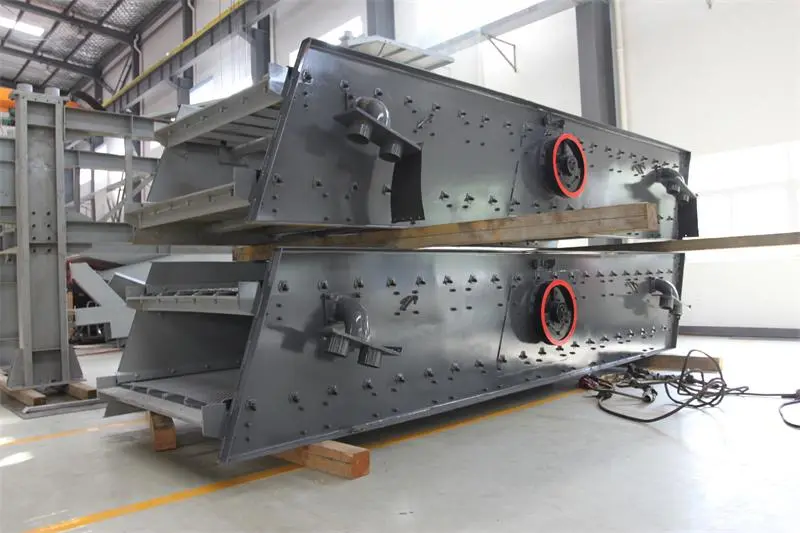
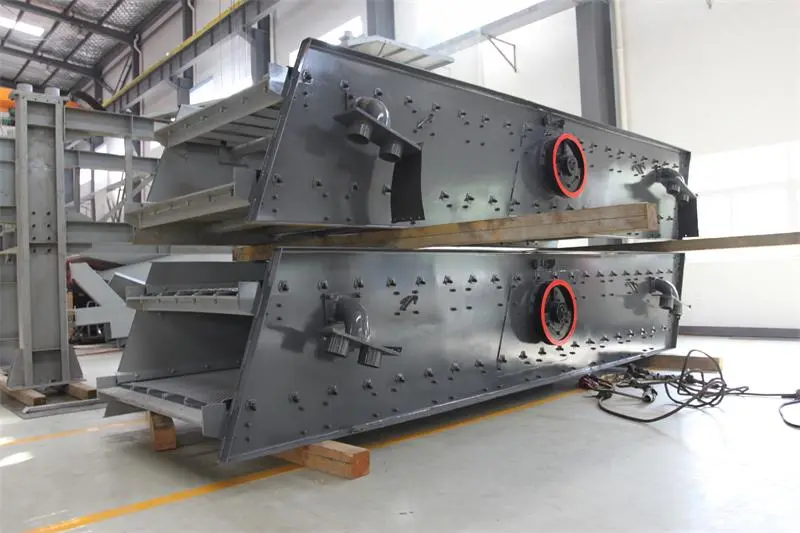
In sticky material conditions, screening is not a “set once” step. It is an operational lever. The right settings help maintain throughput and reduce choking events downstream. The wrong settings create a false sense of capacity while silently pushing problems into crushers and conveyors.
| Material Condition | Recommended Screening Focus | Typical Adjustment Range (Field Reference) | Expected Effect |
|---|---|---|---|
| High clay + wet fines | Prevent blinding, remove sticky fraction early | Increase vibration frequency by ~5–15%; reduce bed depth by lowering feed rate in peaks | Fewer blockages, more stable crusher feed |
| Large oversize spikes | Stabilize top size before secondary | Increase screen aperture by one step (e.g., +5–10 mm) to avoid overload events | Lower recirculation load, fewer trips |
| Product grading drifting | Tighten control of split points | Fine-tune frequency/amplitude within OEM limits; adjust screen cloth type for better stratification | More consistent end product |
A practical note from field operations: if the plant is forced to choose between “perfect grading” and “no stoppages,” high-mud days should favor stability. Consistent run time usually produces more saleable tonnage by end of shift than unstable, stop-and-go precision.
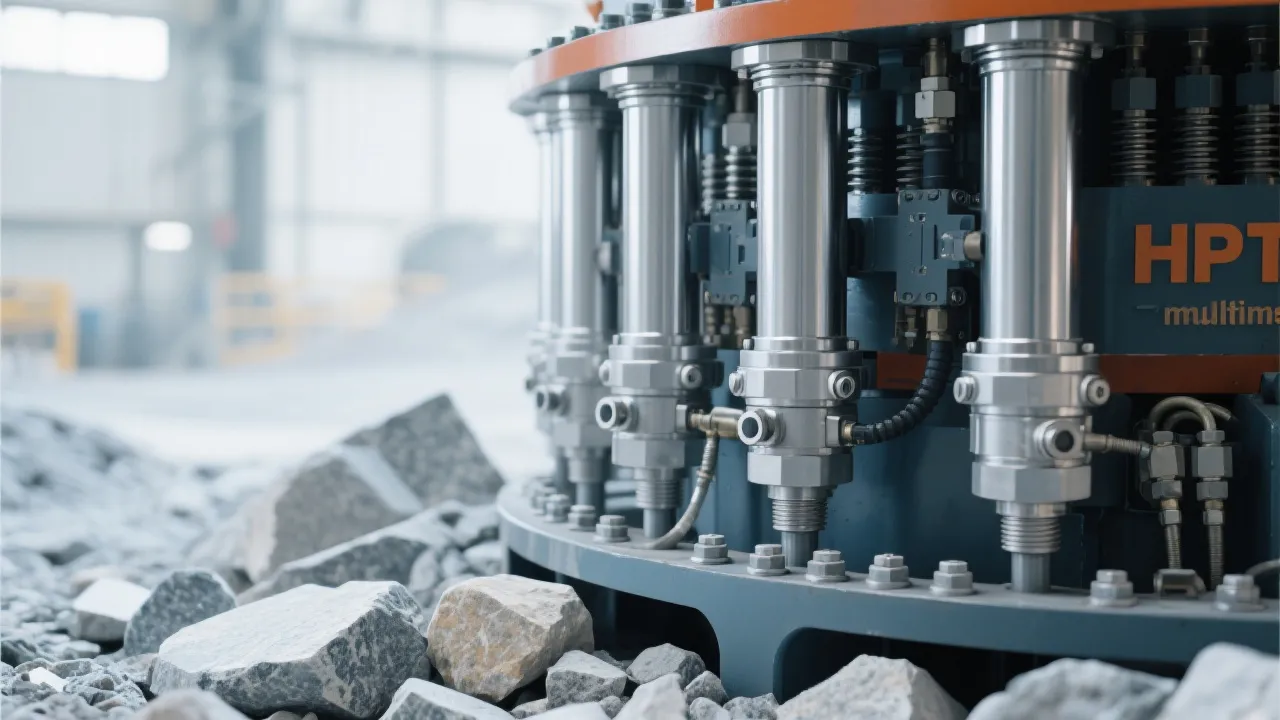
Mud does not look abrasive, but it often carries quartz-rich fines and increases internal friction. That combination accelerates wear, especially when crushers are frequently packed and cleared. The smarter approach is to manage wear as a measurable KPI—not a surprise expense.
Track tons processed per wear set, not just calendar days. Many operators adopt a baseline and act when performance deviates:
The hidden win: fewer emergency liner changes improve safety, and a predictable maintenance window keeps production commitments realistic—an advantage when supplying ready-mix plants or municipal recycling contracts.

Even a well-designed process can fail if it’s driven by late reactions. Automation doesn’t have to be complicated to deliver value: it can simply keep the line from entering the “danger zone” where screens blind and crushers pack.
Plants that add basic closed-loop control commonly report 10–20% less non-productive time and a noticeable reduction in “panic interventions.” For teams running multiple shifts, this consistency is often the difference between meeting monthly output targets or falling short.
Results depend on waste composition, moisture, and layout constraints, but the improvement pattern is repeatable when pre-screening, staged reduction, and control logic are applied together.
| Metric | Before Optimization (Typical) | After Optimization (Typical) | What Drives the Change |
|---|---|---|---|
| Unplanned stoppages | 6–12 events/week | 3–6 events/week | Cleaner feed + interlocks + trend alarms |
| Stable operating hours | 60–70% of shift | 75–85% of shift | Reduced packing + faster recovery |
| Wear parts cost per ton | Baseline | ↓ 8–18% | Lower recirculation + fewer overload clears |
| Overall process stability | Frequent fluctuation | ↑ 30–40% (field reference) | Pre-screening + staged crushing + automation |
For procurement and plant managers, this is also a compliance story: higher utilization reduces truck queues, dust from repeated starts, and waste stockpiles—supporting greener operations aligned with tightening recycling and landfill regulations in many regions.
 433
|
433
|
 short head cone crusher
cone crusher startup procedure
cone crusher parameter optimization
hydraulic lubrication system
discharge setting adjustment
150
|
single-cylinder hydraulic cone crusher
crushing chamber design
ore hardness selection
crusher optimization
mining production line
464
|
PFW impact crusher
mining and chemical industry equipment
double wedge adjustment mechanism
energy-efficient crushing equipment
modular crusher design
79
|
vibrating screen mesh replacement
stainless steel vs polyurethane screen mesh
screen mesh installation guide
vibrating screen maintenance
screening efficiency optimization
238
|
multi-cylinder hydraulic cone crusher
intelligent lubrication system
crusher failure rate reduction
mine equipment maintenance
PLC monitoring
short head cone crusher
cone crusher startup procedure
cone crusher parameter optimization
hydraulic lubrication system
discharge setting adjustment
150
|
single-cylinder hydraulic cone crusher
crushing chamber design
ore hardness selection
crusher optimization
mining production line
464
|
PFW impact crusher
mining and chemical industry equipment
double wedge adjustment mechanism
energy-efficient crushing equipment
modular crusher design
79
|
vibrating screen mesh replacement
stainless steel vs polyurethane screen mesh
screen mesh installation guide
vibrating screen maintenance
screening efficiency optimization
238
|
multi-cylinder hydraulic cone crusher
intelligent lubrication system
crusher failure rate reduction
mine equipment maintenance
PLC monitoring










 Facebook