
In the realm of construction waste recycling, selecting the right crushing equipment is crucial for project success. However, it is not uncommon for project managers and technical decision - makers to fall into certain traps, with the high - speed wear of hammers in crushers being a particularly prominent issue. This article delves into these common mistakes, focusing on the effective solutions offered by high - wear - resistant materials in impact crushers.
The process of recycling construction waste is complex, and selecting the wrong equipment can lead to significant inefficiencies. One of the most frequent problems is the rapid wear of hammers, which can disrupt production and increase costs. For instance, in some projects, the hammers may need to be replaced every 2 - 3 weeks, resulting in downtime and additional expenses. From a technical point of view, this is often due to the mismatch between the materials of the hammers and the characteristics of the construction waste.
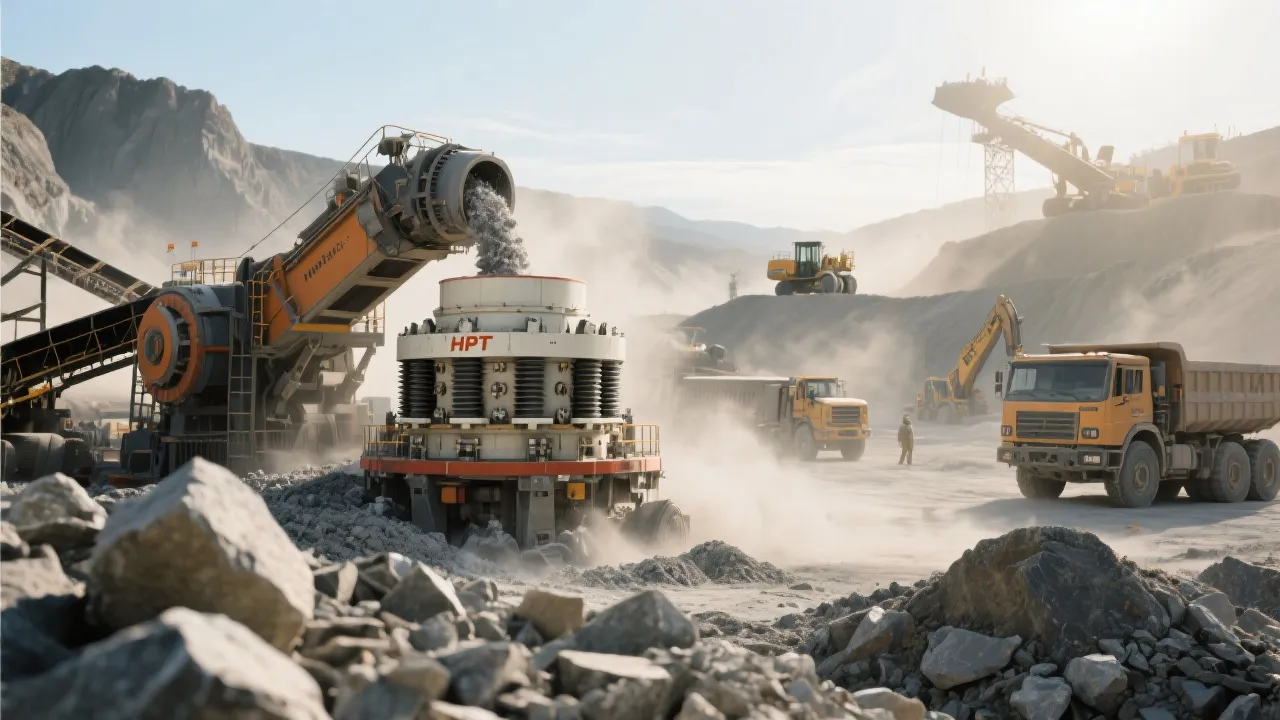
Impact crushers using high - wear - resistant materials provide a revolutionary solution to the problem of fast - wearing hammers. These materials can significantly extend the service life of hammers. For example, compared with traditional hammer materials, high - wear - resistant hammer materials can reduce the replacement frequency from 2 - 3 weeks to 2 - 3 months, which means a significant reduction in downtime and maintenance costs.
Different types of construction waste have different physical and chemical properties. When selecting equipment, it is necessary to consider the key parameters such as hardness, abrasiveness, and particle size of the waste. By analyzing these factors from a process flow perspective, we can ensure that the equipment is optimally matched to the waste materials. For example, if the construction waste contains a large amount of hard stones, an impact crusher with high - wear - resistant materials would be a better choice as it can handle the high - impact and abrasive properties of the stones more effectively.
Let's take a comprehensive look at the performance differences between traditional jaw crushers + hammer crushers and impact crushers. In terms of particle shape control, impact crushers can produce more cubic and well - shaped particles, which is highly desirable in the production of recycled aggregates. The traditional combination may result in a higher proportion of flaky and elongated particles. Regarding energy consumption, impact crushers are generally more energy - efficient, with a potential energy savings of about 15 - 20% compared to the traditional combination. In addition, the maintenance cost of impact crushers using high - wear - resistant materials is much lower, which can save up to 30% in maintenance expenses over a long - term operation.
To illustrate the practical impact of material selection on equipment life and project benefits, let's look at a real project case. In a large - scale construction waste recycling project in [Location], the initial use of a traditional jaw crusher + hammer crusher combination led to frequent hammer replacements and high energy consumption. After switching to an impact crusher with high - wear - resistant materials, the equipment's operating stability was significantly improved. The service life of the hammers increased from 1 month to 4 months, and the project's overall production efficiency increased by 25%, resulting in substantial economic benefits.
In conclusion, making the right choice in construction waste crushing equipment is essential for project success. By understanding the technical details, leveraging high - wear - resistant materials in impact crushers, and considering real - world project cases, project managers and technical decision - makers can make more informed decisions. To help you further evaluate your equipment selection, we invite you to download our "Construction Waste Crushing Equipment Selection Self - Check List" and schedule a professional technical consultation. Don't miss this opportunity to optimize your construction waste recycling project!
 74
|
74
|
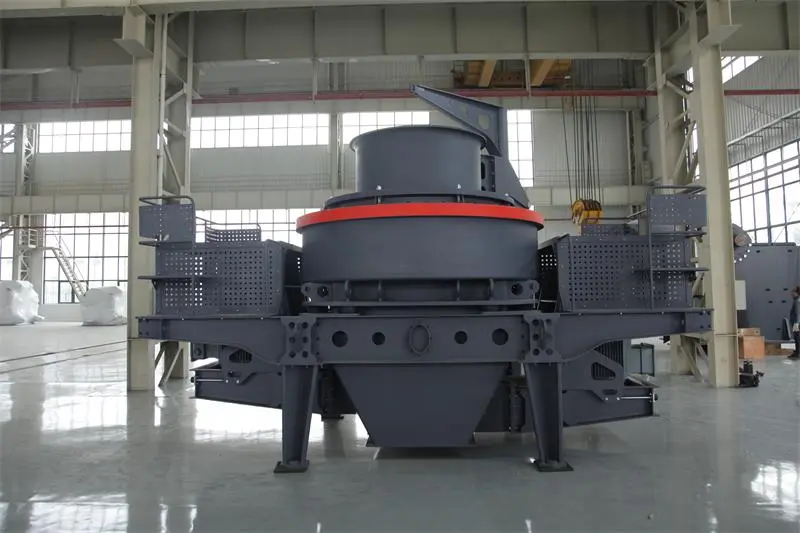
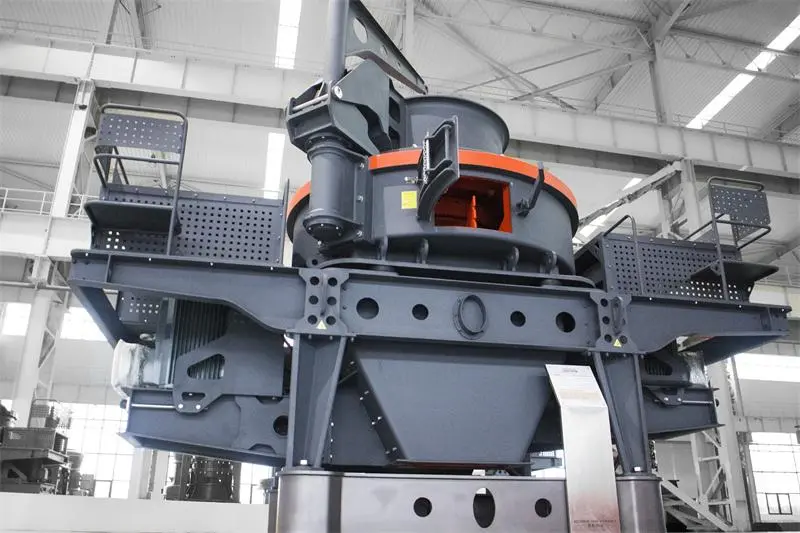
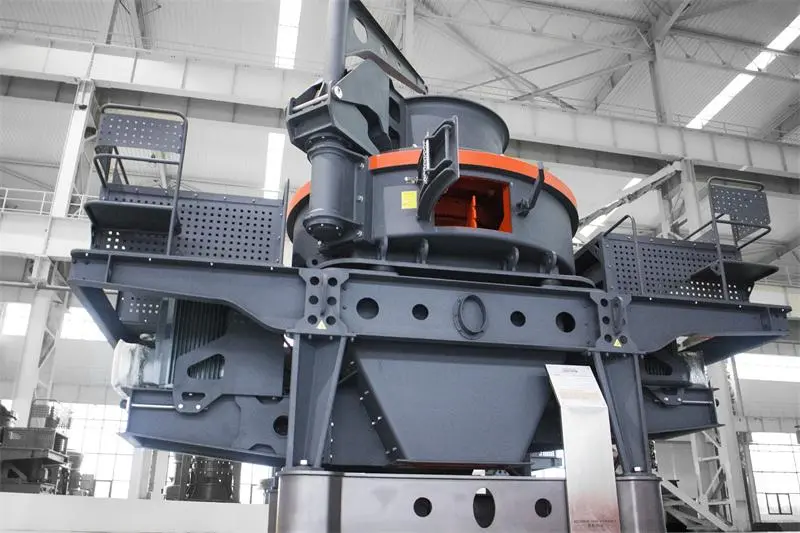
 VSI6X Sand Making Machine
Sand Shaping Equipment
New Favorite in Sand Making Industry
Efficient Low-Cost Sand Making Machine
VSI6X Performance Advantages
VSI6X Application Scenarios
304
|
Impact crusher stable operation
Mining equipment dynamic balance
Vibration control technology
Intelligent lubrication system
Mining equipment maintenance
209
|
CI5X heavy - duty rotor crusher
high - efficiency impact crusher
rotor design optimization
mining crushing equipment
energy - saving crusher
365
|
impact crusher durability
harsh mining conditions
hammer life extension
crusher maintenance best practices
smart monitoring systems
194
|
iron ore crushing problems
copper ore processing solutions
jaw crusher wear reduction
PEW jaw crusher benefits
mining equipment maintenance tips
VSI6X Sand Making Machine
Sand Shaping Equipment
New Favorite in Sand Making Industry
Efficient Low-Cost Sand Making Machine
VSI6X Performance Advantages
VSI6X Application Scenarios
304
|
Impact crusher stable operation
Mining equipment dynamic balance
Vibration control technology
Intelligent lubrication system
Mining equipment maintenance
209
|
CI5X heavy - duty rotor crusher
high - efficiency impact crusher
rotor design optimization
mining crushing equipment
energy - saving crusher
365
|
impact crusher durability
harsh mining conditions
hammer life extension
crusher maintenance best practices
smart monitoring systems
194
|
iron ore crushing problems
copper ore processing solutions
jaw crusher wear reduction
PEW jaw crusher benefits
mining equipment maintenance tips

.jpg?x-oss-process=image/resize,h_800,m_lfit/format,webp)

.jpg?x-oss-process=image/resize,h_800,m_lfit/format,webp)





.jpg?x-oss-process=image/resize,m_fill,h_800,w_800/format,webp)




 Facebook