
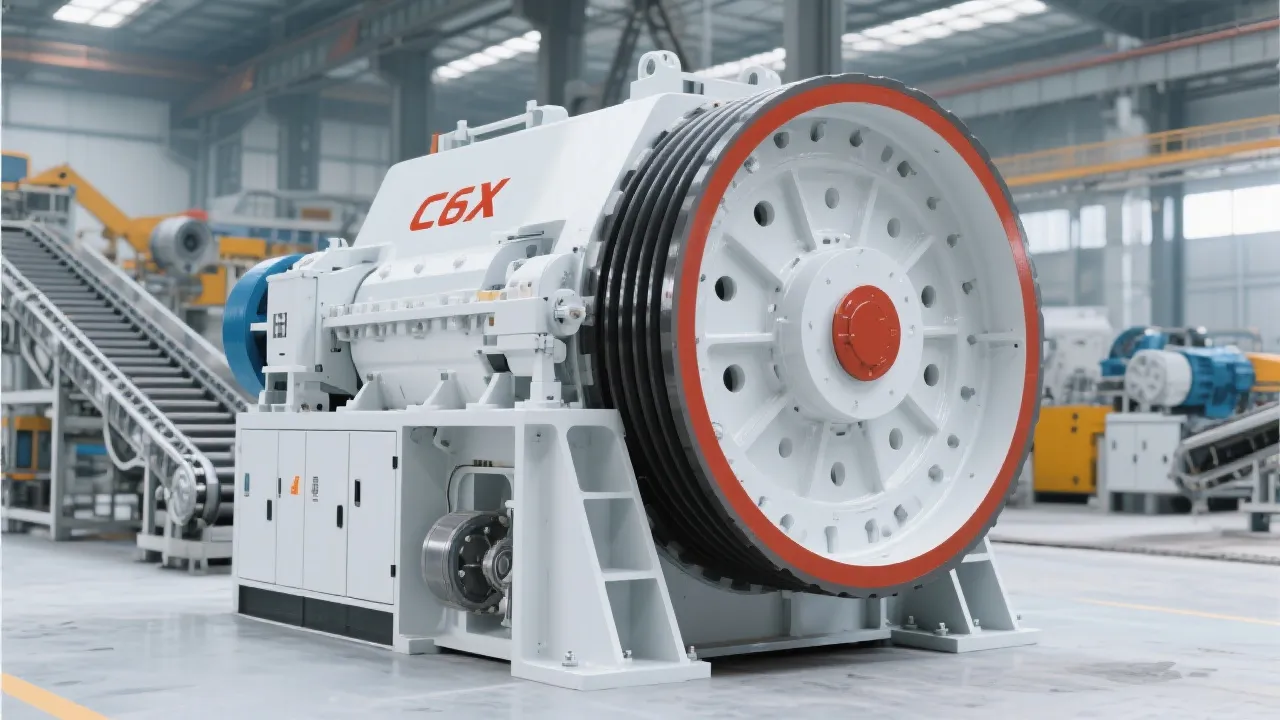
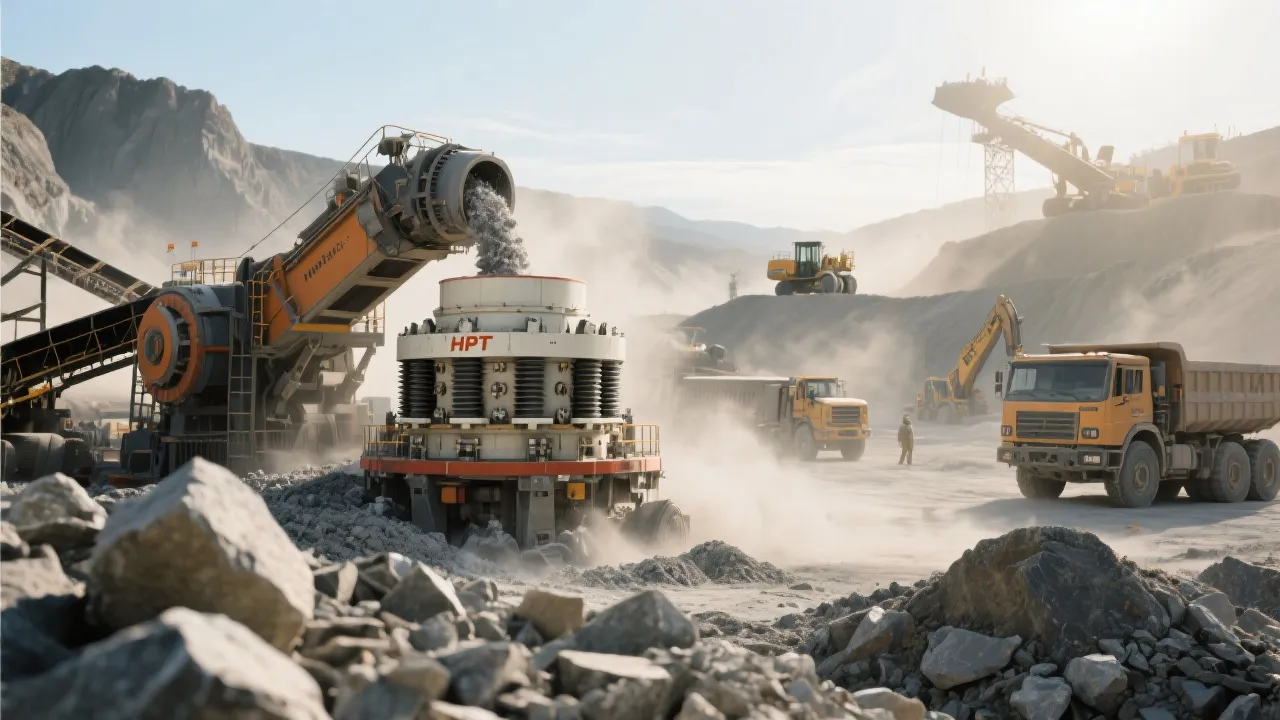
In rugged mining environments and complex terrain, the reliability of crawler-driven track mobile crushers is paramount. Proper daily maintenance, especially focusing on lubrication, track inspection, and power system upkeep, is critical to enhancing equipment stability, reducing downtime risks, and maximizing operational efficiency. This guide offers practical, easy-to-understand maintenance techniques designed for operators and service teams aiming to extend the lifecycle of their mobile crushing units – all grounded in real-world experience and engineered to meet MiningLink's commitment to dependable mining solutions.
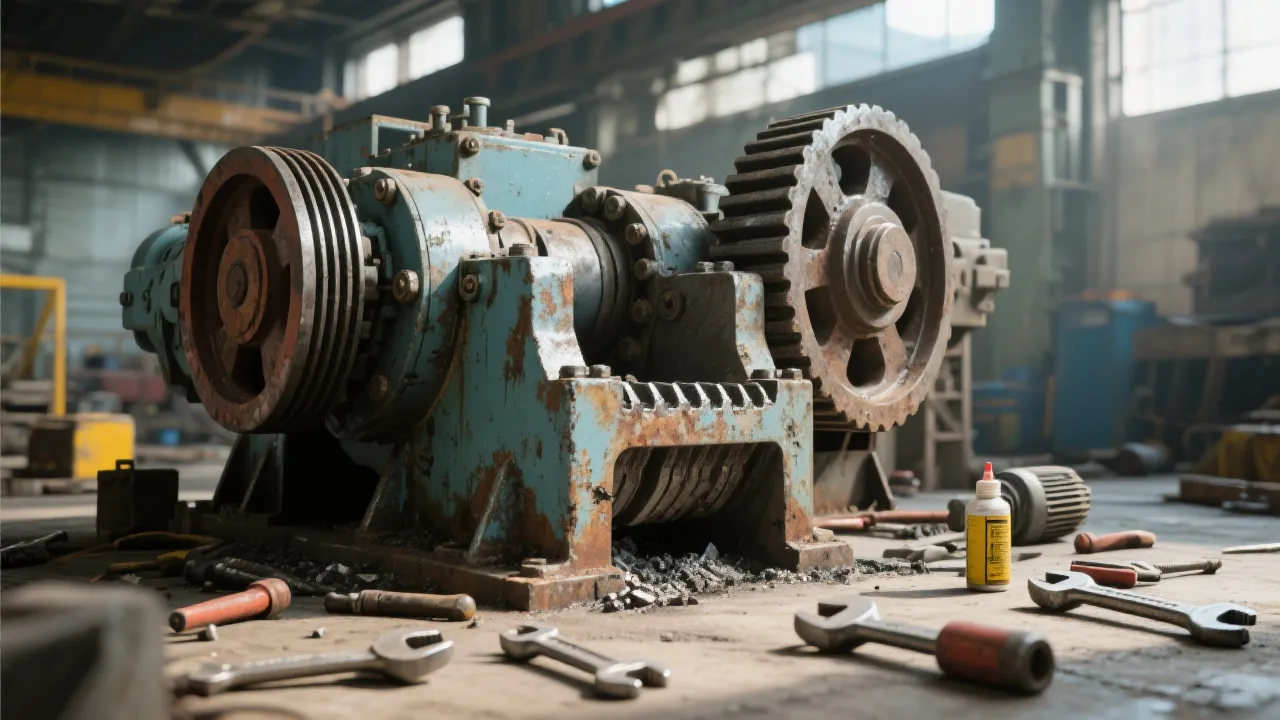
Effective lubrication is the first line of defense against premature wear and tear, particularly in harsh working conditions. Regularly applying high-quality grease to moving parts such as bearings, joints, and gearboxes dramatically reduces friction and heat generation.
Implementing a routine grease point checklist ensures no vital component is missed, significantly lowering the risk of unexpected failures.
The crawler tracks bear the entire weight of the crusher and encounter continuous stress and abrasive material contact. Diligent track maintenance is crucial to avoid operational delays. Key inspection points include:
Regular cleaning of the tracks to remove accumulated debris and dirt helps maintain traction and prolongs component lifespan.
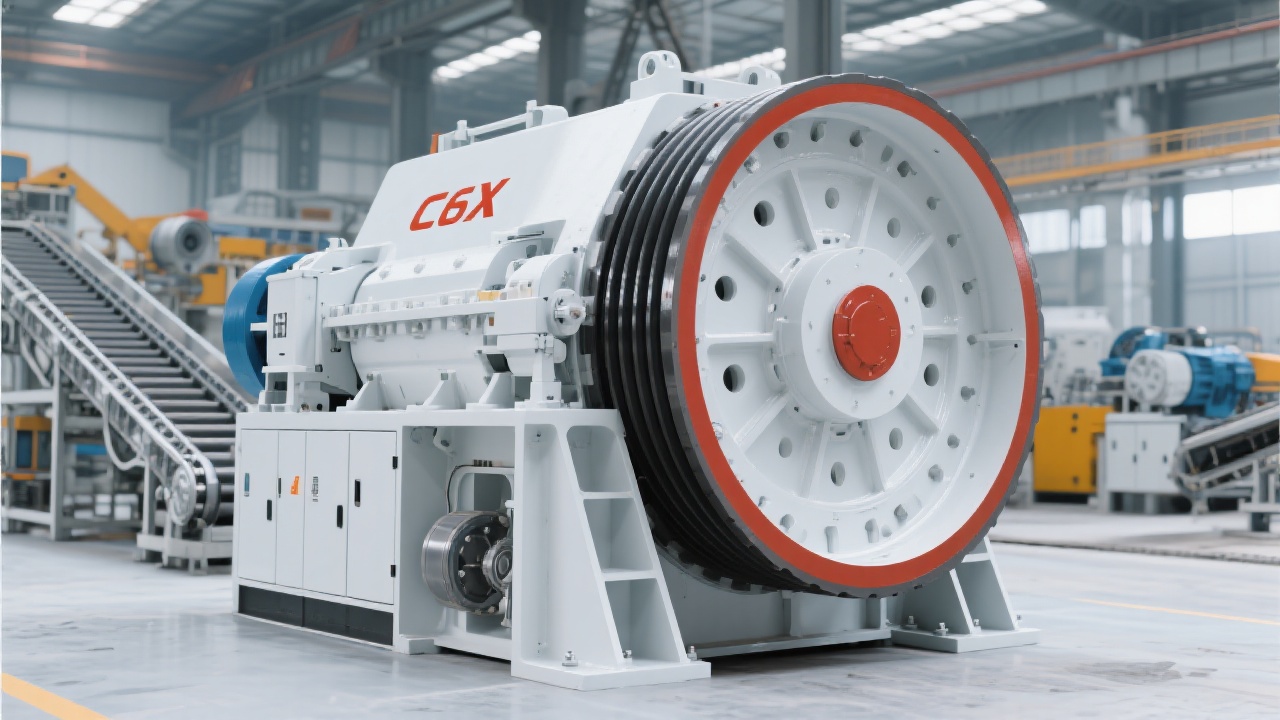
The powertrain – including engine, hydraulic pumps, and electrical components – demands consistent attention to maintain crushing capacity and efficiency. Regular steps include:
Prioritize scheduled diagnostic tests to identify anomalies such as power loss or unusual vibrations early.
Recognizing faults early prevents costly downtime. Common problems and troubleshooting tips include:
| Issue | Likely Cause | Recommended Action |
|---|---|---|
| Power Insufficiency | Clogged filters, low hydraulic pressure, engine wear | Change filters, test hydraulic lines, schedule engine maintenance |
| Track Slippage | Loose track tension, worn track pads | Adjust track tension, replace damaged pads |
| Uneven Machine Tilt | Damaged rollers or uneven ground | Inspect and replace rollers, stabilize ground before operation |
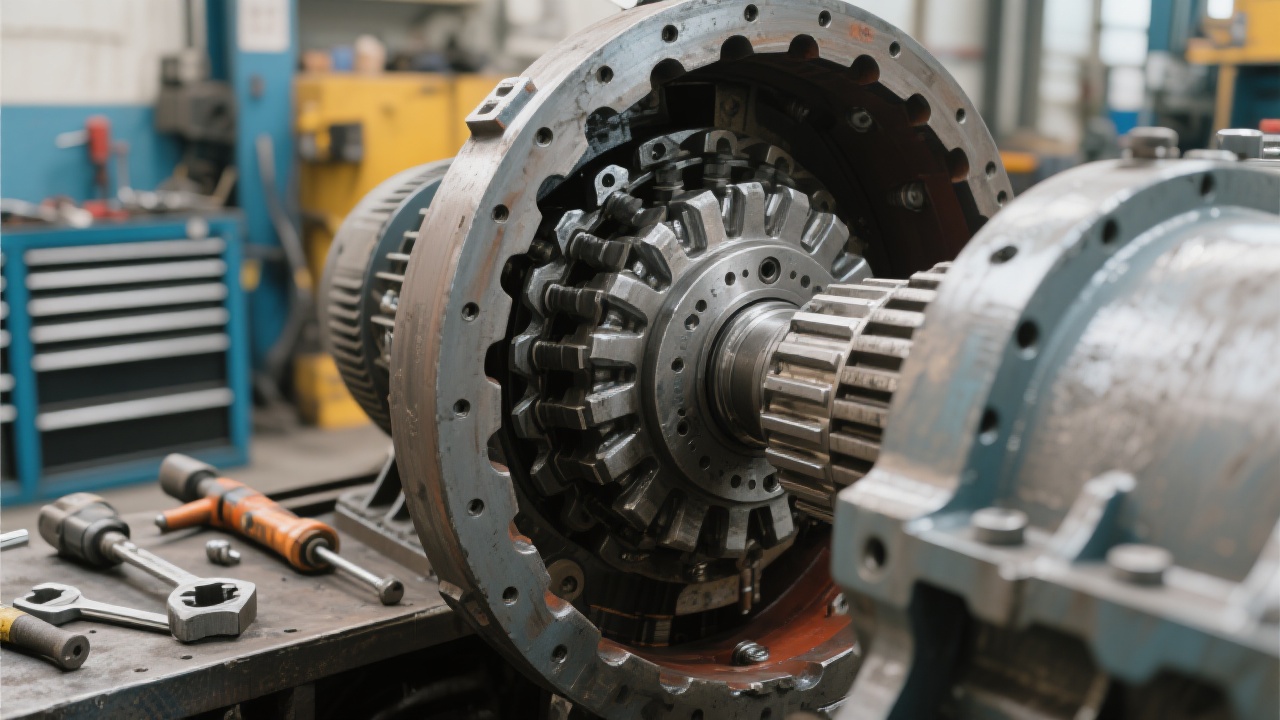
Safety cannot be overstated during maintenance routines. Operators should always:
Enhancing maintenance efficiency through team training and adopting digital maintenance logs can significantly reduce unplanned outages and repair costs.
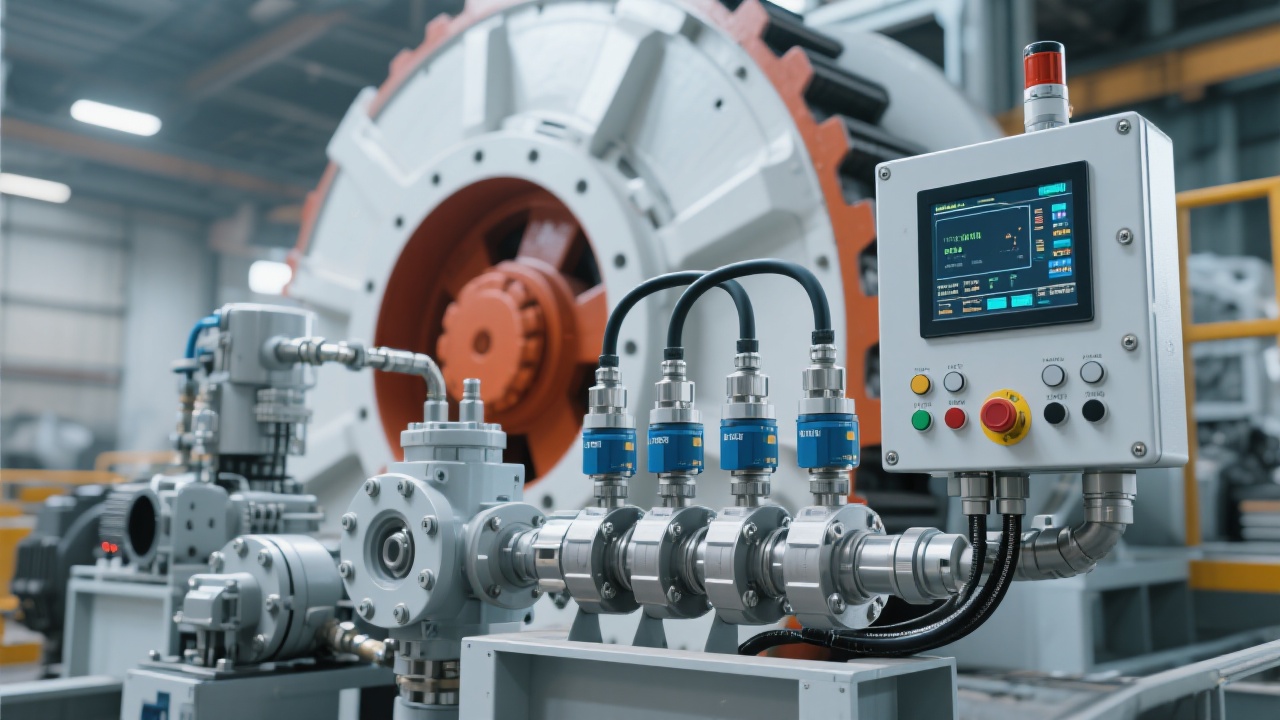
Equipping your maintenance crew with specialized lubricants, tension gauges, hydraulic testers, and diagnostic software streamlines upkeep procedures and enhances accuracy.
MiningLink offers comprehensive support resources tailored for crawler-driven mobile crushers, empowering teams to implement efficient, preventive maintenance strategies that reduce operational costs and extend equipment service life.
 351
|
351
|
 quarry crusher efficiency assessment
specific energy consumption kwh per ton
hourly throughput stability analysis
mean time between failures mtbf for crushers
modular crushing system mp module maintenance
315
|
modular crushing equipment
quarry installation time reduction
MP module
crushing plant efficiency
SMP modular crushing system
399
|
efficient pebble crusher
crushing ratio control
particle size optimization
multi-cylinder hydraulic cone crusher
intelligent crushing system
258
|
jaw crusher feeding efficiency
vibrating feeder technology
vibration frequency adjustment
mining feeding optimization
continuous stable feeding
393
|
construction waste crushing
modular crushing equipment
waste processing efficiency
green mine
Kuanglian MP module
quarry crusher efficiency assessment
specific energy consumption kwh per ton
hourly throughput stability analysis
mean time between failures mtbf for crushers
modular crushing system mp module maintenance
315
|
modular crushing equipment
quarry installation time reduction
MP module
crushing plant efficiency
SMP modular crushing system
399
|
efficient pebble crusher
crushing ratio control
particle size optimization
multi-cylinder hydraulic cone crusher
intelligent crushing system
258
|
jaw crusher feeding efficiency
vibrating feeder technology
vibration frequency adjustment
mining feeding optimization
continuous stable feeding
393
|
construction waste crushing
modular crushing equipment
waste processing efficiency
green mine
Kuanglian MP module













 Facebook