How Intelligent Control Systems Boost Crushing Plant Throughput by 30%: Principles and Practical Setup
2026-03-01
Application Tutorial
This article explains how an intelligent control system can deliver a verified 30% throughput increase in stone crushing production lines by replacing manual dispatch with coordinated automation. It breaks down the technical foundations behind four key modules—automatic interlocking and collaborative control, real-time data monitoring, fault early warning, and energy optimization—and shows how they work together to keep stable performance under high-load conditions. A real-world infrastructure project case is included to illustrate measurable results: throughput up 30%+ and failure rate down 50%, along with pathways to significantly boost output, reduce maintenance costs, and ensure long-term stable operation. The tutorial also provides actionable steps for parameter configuration, alarm threshold design, and remote O&M platform integration, offering practical guidance for dispatchers and technical managers planning an intelligent upgrade.
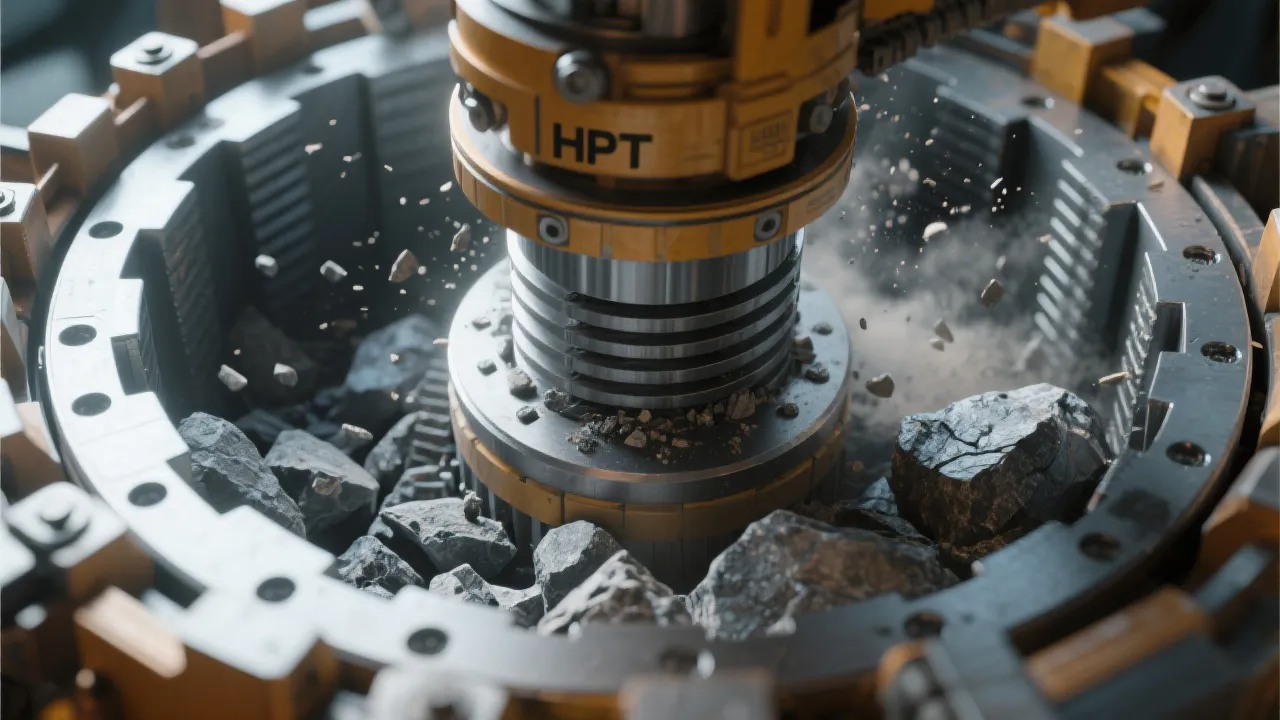
From Manual Dispatch to Intelligent Orchestration: Why “30% More Throughput” Is Realistic
In many stone crushing plants, the bottleneck is not the crusher itself—it is the way multiple machines are coordinated. Operators often rely on experience-based adjustments: opening or closing feeder gates, changing belt speeds, reacting to spikes in motor current, and stopping the line after a jam has already formed. Under high-load conditions, this manual loop typically creates three hidden losses: unstable feed, avoidable downtime, and energy waste at partial efficiency.
A crushing production line intelligent control system addresses these losses with closed-loop automation and real-time visibility. In practical deployments, plants commonly report 20–35% throughput gain after tuning, with a frequently cited target of ~30% increased output, especially where feed variability and stoppages were previously common. The same upgrades tend to lower maintenance cost by reducing shock loads, preventing chronic overload, and catching early-stage faults before they trigger catastrophic stops—improving the odds of long-term stable operation.
How an Intelligent Control System Works: 4 Core Modules (Technical, Practical)
A stone processing automation solution is typically built around PLC/IPC control, VFDs (variable frequency drives), field sensors, and a SCADA/HMI layer. What makes it “intelligent” is not a single algorithm, but the way modules share data and execute coordinated decisions across feeders, crushers, screens, and conveyors.

1) Automatic Collaborative Control (Closed-Loop Feed & Load Balancing)
The throughput of a crushing plant is often limited by inconsistent feed. Intelligent control stabilizes the process by linking feeder rate, crusher power/current, chamber level, and conveyor load. When crusher motor current approaches a predefined safe band, the controller automatically adjusts feeder frequency or gate position to keep the crusher in an efficient zone—high utilization without chronic overload.
In many primary/secondary setups, a practical target is keeping crusher power at 75–90% of rated during steady state. This “high-but-stable” operating band is where plants often see significant throughput improvement while reducing the stop-start cycles that damage liners, belts, and bearings.
2) Real-Time Data Monitoring (KPIs That Operators Can Act On)
A mining equipment remote monitoring system converts dispersed signals into actionable KPIs. Beyond “running/stopped,” the best dashboards show throughput (t/h), crusher load, screen utilization, belt scale trends, and downtime reasons. With this, supervisors can distinguish between a rock hardness shift, an upstream feeding issue, and a downstream screen bottleneck—without guessing.
Plants that move from “reactive observation” to real-time KPI control often reduce non-productive time by 10–25%. The gain is not only speed—it is decision quality under pressure.
3) Fault Early Warning (Predictive Signals Before a Forced Stop)
Most shutdowns have a “pre-failure window.” Intelligent control systems watch patterns like rising bearing temperature, abnormal vibration, belt drift frequency, hydraulic pressure deviation, and motor current harmonics. Instead of waiting for a trip, the system can trigger a graded response: pre-alarm → controlled slowdown → planned stop.
In field practice, these mechanisms commonly deliver 30–60% fewer sudden stops, which directly supports lower maintenance cost and better shift-level scheduling.
4) Energy Optimization (Load Shaping Without Starving the Line)
Energy optimization is not about “running slower.” It is about avoiding inefficient fluctuations that spike kWh/ton. By stabilizing feed, coordinating conveyors and screens, and avoiding repeated restarts, many lines see 5–12% lower energy consumption per ton. Where demand charges apply, smoother load profiles can also reduce peak penalties.
What “30% Higher Capacity” Looks Like in a Real Project (Case Snapshot)
Case (Infrastructure Aggregate Supply, 350–450 t/h line): After deploying an intelligent control layer across feeder + primary crusher + secondary crusher + screens and integrating belt scale feedback, the site reported a ~32% increase in average hourly output over a 6-week stabilization period. Unplanned stoppages dropped by ~52%, and liner wear became more predictable due to reduced overload events.
The most notable improvement came from automated collaborative control: keeping the primary crusher in a stable high-utilization band and preventing downstream screening congestion.
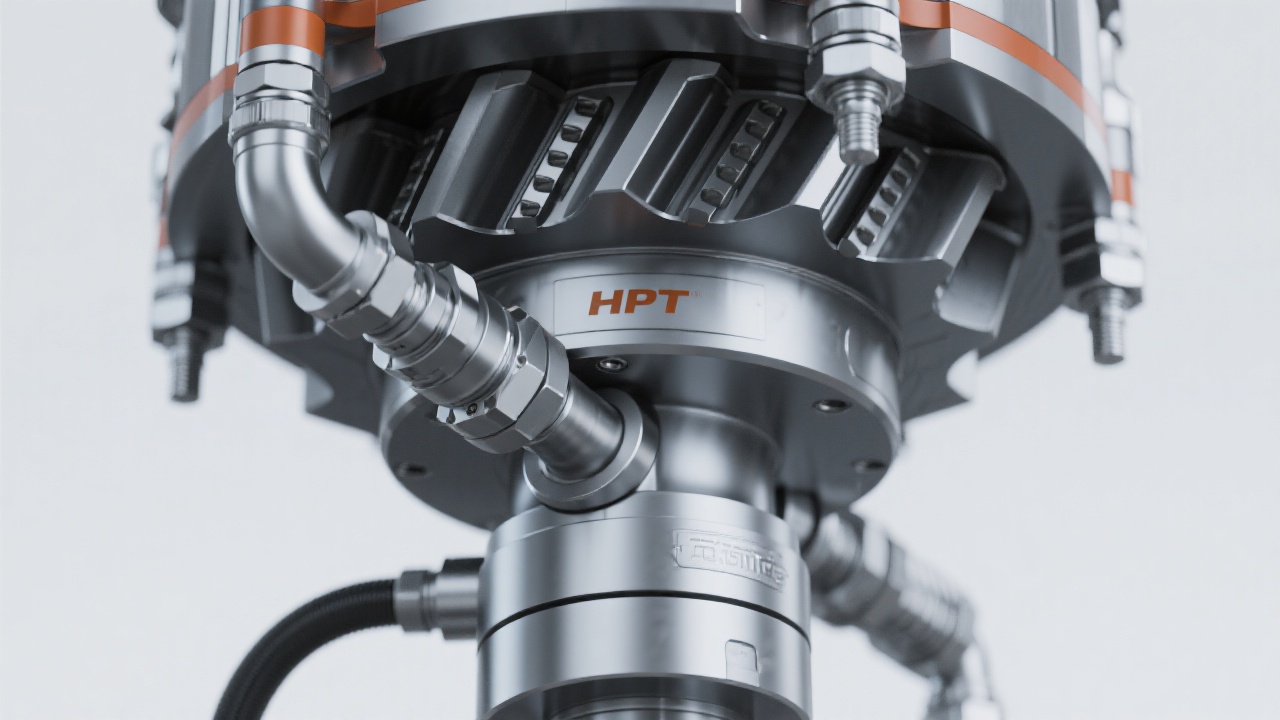
Suggested Info Graphic: “Before vs After” KPI Table (Embed on the Page)
| KPI |
Typical Before (Manual Dispatch) |
After Intelligent Control (Stabilized) |
| Average throughput |
280–330 t/h |
360–440 t/h (often ~30% gain) |
| Unplanned stoppages |
8–12 per week |
3–6 per week (40–60% reduction) |
| Energy per ton (kWh/t) |
1.00 baseline |
0.88–0.95 (5–12% improvement) |
| Maintenance interventions |
More emergency work |
More planned work; lower maintenance cost |
Note: Values vary by rock hardness, screen configuration, and existing instrumentation. The performance uplift is typically highest where feed instability and manual reaction time previously caused frequent trips.
Hands-On Setup Guide: Parameters, Alarm Thresholds, and Remote O&M Access
The most successful implementations treat commissioning as a controlled optimization project rather than a one-time switch. The steps below align with how production dispatchers and technical managers typically roll out a crushing process optimization program while keeping the line running.
Step 1: Define Control Targets (What the Controller Must Protect)
- Primary control loop: crusher load (current/power) + feeder VFD frequency.
- Secondary constraints: belt scale throughput, screen load, and conveyor motor current.
- Protection limits: max current, max temperature, hydraulic pressure bounds, minimum oil flow.
A practical baseline is to run a 3–7 day data collection phase first, then choose a stable operating window that keeps utilization high without repetitive alarms.
Step 2: Parameter Tuning (Feeder-Crusher Coordination)
Start conservative, then tighten. For example, set a target load band and let the feeder adjust smoothly rather than aggressively:
- Ramp rate: limit feeder frequency changes (e.g., 0.5–1.5 Hz/s) to avoid oscillation.
- Deadband: define a small no-action zone around target load to reduce “hunting.”
- Interlocks: slow/stop feeder when downstream conveyor or screen approaches overload.
Plants aiming for significant throughput improvement typically succeed by stabilizing the line first—then increasing the load target in small steps (e.g., 2–3% per adjustment cycle) while observing vibration and temperature trends.

Step 3: Alarm Thresholds (Make Them Useful, Not Noisy)
Alarm strategy should reflect operational urgency. A common approach is a 3-level scheme:
| Level |
Purpose |
Typical Actions |
| Pre-Alarm |
Early deviation |
Notify, log trend, suggest inspection |
| Alarm |
Risk of trip |
Auto slowdown, operator confirmation |
| Trip / Protection |
Safety / damage prevention |
Controlled stop, lockout guidance |
As a reference, many operations start with pre-alarms at 80–85% of a protection limit (temperature/current), then refine once baseline variability is known. The goal is fewer “false alarms” and faster operator trust.
Step 4: Connect Remote O&M (Secure, Auditable, Shift-Friendly)
Remote access is most valuable when it reduces mean time to diagnose rather than just “watching data.” A practical remote monitoring setup typically includes:
- Role-based permissions (operator vs supervisor vs vendor engineer)
- Audit logs for parameter changes
- Event timeline (alarms, interlocks, trips, acknowledgments)
- Mobile-ready dashboards for shift supervisors
This is where plants usually see the most direct impact on lowering maintenance cost: faster root-cause analysis, fewer repeated faults, and clearer accountability for what changed and when.
Industry Direction: Intelligent Control as a Foundation for Smart Mines
Across aggregate and mining operations, intelligent control is increasingly viewed as “base infrastructure.” Once data is trustworthy and control loops are stable, plants can expand toward advanced features such as recipe-based product switching, automated production reporting, spare-parts forecasting, and cross-site benchmarking. The near-term business logic remains straightforward: significantly improve throughput, reduce unplanned downtime, lower maintenance cost, and ensure long-term stable operation under fluctuating feed and high-demand schedules.
For infrastructure-driven demand cycles, the operational advantage is not only higher peak capacity, but also predictable delivery—because stability is what keeps contracts safe when conditions are harsh.
CTA: Upgrade Your Crushing Line with an Intelligent Control System (Throughput + Stability)
If your site is targeting significant throughput improvement while keeping trips and maintenance pressure under control, an integrated crushing production line intelligent control system is the most direct path to measurable results—especially when it includes collaborative control, real-time monitoring, and fault early warning from day one.
Request a Technical Assessment for a Crushing Production Line Intelligent Control System
Typical starting inputs: line layout, crusher model(s), feeder type, belt scale availability, historical downtime notes, and current control cabinet/VFD status.


.jpg?x-oss-process=image/resize,m_fill,h_800,w_800/format,webp)
.jpg?x-oss-process=image/resize,m_fill,h_800,w_800/format,webp)








.jpg?x-oss-process=image/resize,h_800,m_lfit/format,webp)



 Facebook