Crushing Plant Process Design to Cut Infrastructure Project CapEx and Boost Throughput
In infrastructure developments, the process design of a crushing plant is a decisive factor in both capital expenditure control and long-term production performance. This article explains how a data-driven layout and equipment selection strategy—matching crusher types, staged reduction ratios, and screening configurations to the target stone specifications—can deliver stable, high-capacity output with controlled initial investment. It also details how intelligent automation and centralized control improve feed stability, reduce unplanned downtime, and enhance operating accuracy, while optimized auxiliary screening (e.g., multi-deck vibrating screens and recirculation logic) minimizes re-crushing and energy waste. Practical project results are referenced to validate the approach, showing measurable gains in utilization, maintenance efficiency, and product consistency. Backed by engineering methodology and service assurance, the proposed design framework helps project owners and contractors achieve a high-value, reliable aggregate crushing solution for demanding infrastructure schedules.

How Process Design Cuts CapEx in Crushing Lines for Infrastructure Projects
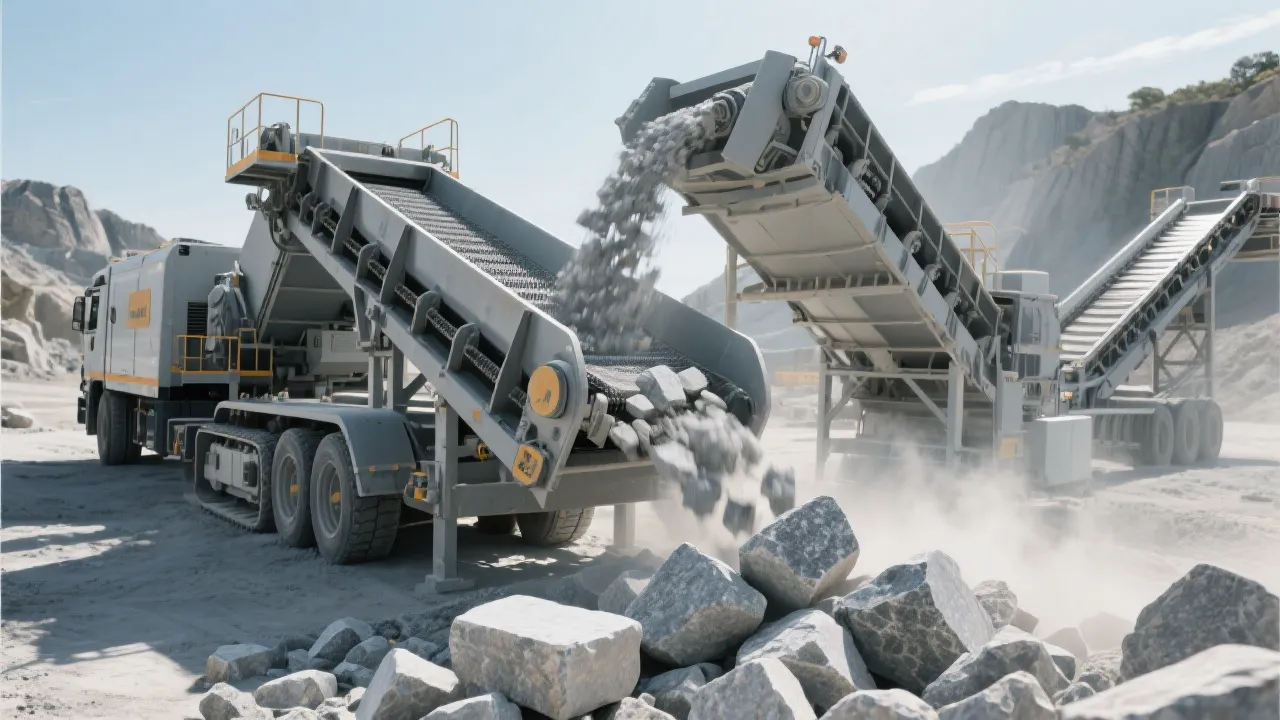
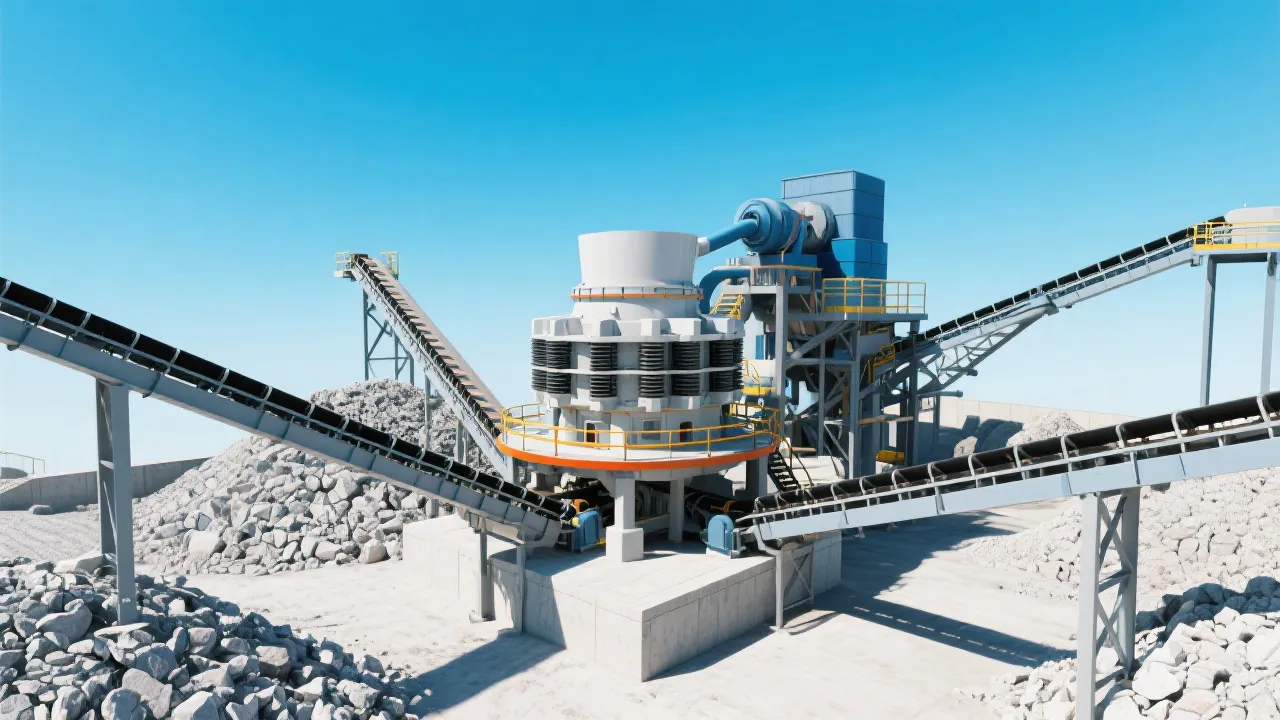
In road, rail, and municipal infrastructure, a stone crushing production line is rarely “just equipment.” It is a cost structure: power draw, wear parts, labor hours, downtime, yield loss, and rework. A well-designed crushing process can reduce initial investment while making capacity more reliable—especially under tight project timelines and fluctuating aggregate specifications.
The most effective savings usually come from engineering discipline: selecting the right crushing stages, matching screens to the crusher’s real throughput, stabilizing feed with buffering, and using automation to eliminate “invisible losses” that add up over months.
1) Where Investment Cost Really Leaks: A Practical Breakdown
For a typical 200–400 tph aggregate crushing plant used in infrastructure projects, the budget is often decided by three engineering choices: (a) how many crushing stages, (b) how the plant handles fines and recirculation, and (c) whether automation protects the line from overload and poor feeding. When these are misjudged, the project pays twice: higher CapEx and higher Opex.
Typical “Hidden Cost” Drivers (Observed in Many Sites)
- Oversized primary crusher that runs under-loaded: +8–15% unnecessary CapEx and higher energy per ton.
- Under-specified vibrating screens: 3–8% yield loss in target fractions and higher recirculating load.
- Poor feed stability (no buffer bin / wrong feeder control): 10–25% throughput volatility, more liner damage.
- Manual-only operation: more unplanned stoppages, inconsistent product grading, higher labor intensity.
- High recirculation loops: increased conveyor count, power draw, and wear on secondary/tertiary crushers.
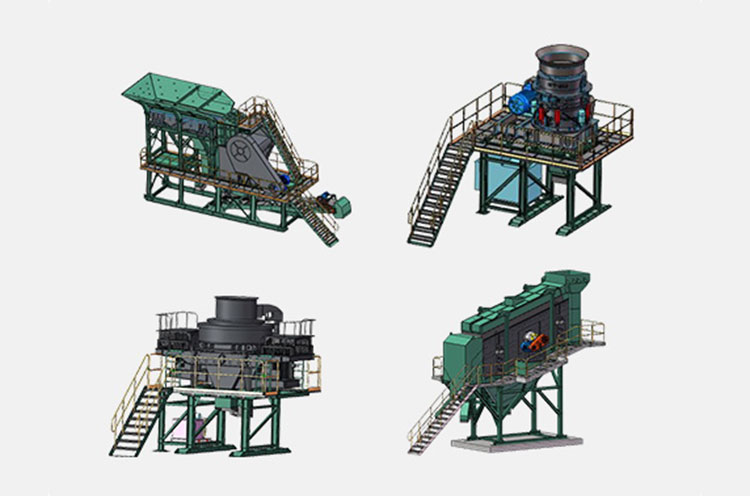
2) Equipment Combination: The Lowest-Cost Line Is the One That Matches the Spec
“More machines” does not equal “more capacity.” In infrastructure aggregate production, the cost-optimized strategy is to reach the required gradation with the fewest stages that still protect shape, control fines, and keep recirculation within a safe range.
Recommended Stage Logic (Rule-of-Thumb)
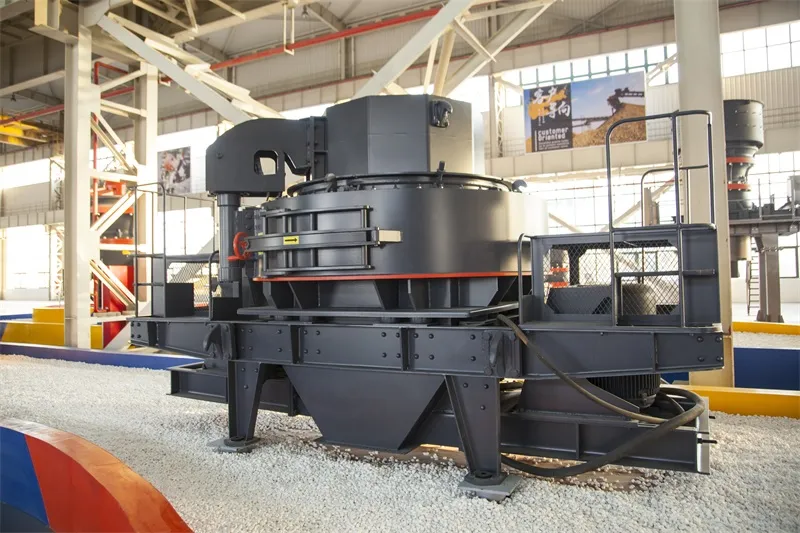
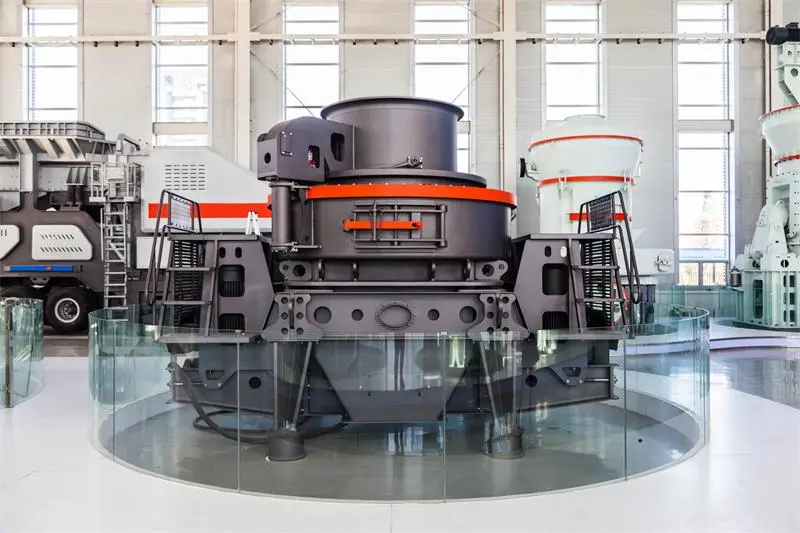
For hard rock (granite/basalt), a 3-stage setup (jaw + cone + VSI/HP cone) is often justified when strict cubical shape and multiple fractions are required. For medium-hard limestone, a 2-stage setup can meet most road base and concrete aggregate specs with lower CapEx—if screening and return loops are engineered precisely.
Capacity Matching That Prevents Overspending
A common best practice is to design each major section (primary crushing, secondary/tertiary crushing, screening) to run at 85–90% of nominal under normal feed, leaving margin for moisture variation and wear. Designing at 100% “on paper” typically causes overload trips and forces downstream upgrades later.
Quick Spec-to-Design Checklist (Used by Many Project Teams)
| Input & Target |
Design Decision |
Cost Impact (Typical) |
| Feed size & hardness |
Jaw vs. gyratory; cone chamber selection |
Avoids 5–12% overinvestment from oversizing |
| Target fractions (e.g., 0–5, 5–10, 10–20, 20–31.5mm) |
Screen deck count, aperture strategy, bypass lines |
Improves saleable yield by ~2–6% |
| Fines limit & sand ratio |
Pre-screening, controlled VSI use, dust/airflow plan |
Cuts rework and waste; stabilizes quality KPIs |
| Moisture & clay content |
Grizzly, washing module, anti-blinding screen media |
Reduces downtime from clogging by 10–30% |
3) Process Flow Optimization: Less Recirculation, More Saleable Tons
Many infrastructure sites accept high recirculation as “normal,” but it quietly inflates the bill of materials: more conveyors, higher power consumption, faster wear, and extra control points. A more cost-effective crushing process design aims to keep the recirculating load within a controllable band—commonly below 25–35% depending on rock type and final gradation.
A Practical Flow (Text Diagram)
Raw Material
  → Grizzly / Pre-screen (remove fines & clay-lumps early)
    → Primary Crusher (jaw)
      → Buffer Bin + VFD Feeder (stabilize feed)
        → Secondary Crusher (cone / impact by rock type)
          → Vibrating Screen (multi-deck)
            → Qualified Products (multiple fractions)
            → Oversize Return (controlled recirculation) → Secondary/Tertiary Crusher
            → Fines Management (bypass / shaping / washing as needed)
The key is not complexity—it is control: remove problematic fines earlier, stabilize feed rate, and prevent secondary/tertiary crushers from chasing random surges.
4) Automation & Intelligent Control: Reducing Downtime Is a Direct Cost Strategy
Intelligent control is not only for “high-end plants.” In infrastructure projects where production interruptions affect concrete batching, asphalt mixing, or roadbed schedules, stability can be more valuable than peak tph. A basic automation package—VFD feeder control, crusher power-based load control, and interlock protection—often delivers measurable ROI within the first operating season.
What Control Logic Typically Improves
- Feeding consistency: power draw becomes stable; liners and mantles last longer.
- Overload protection: fewer emergency stops; reduced bearing and hydraulic stress.
- Quality stability: less variation in grading and flakiness index caused by uncontrolled choke/empty feed.
Reference KPI Targets (Common on Well-Run Sites)
| KPI |
Typical Baseline |
With Basic Automation |
| Unplanned downtime |
6–10% of scheduled hours |
3–6% of scheduled hours |
| Throughput fluctuation (hourly) |
±15–25% |
±6–12% |
| Wear-part consumption |
High variability |
~5–15% reduction (more predictable) |
| Energy per ton (site-wide) |
Baseline depends on rock |
~3–8% reduction via stable load |
From a project manager’s view, the most valuable feature is often the simplest: alarms that show the first abnormal trend (screen overload, conveyor slip, crusher power spikes). Catching issues early prevents the “small fault → full shutdown” chain reaction.
5) Vibrating Screen Configuration: The Most Underestimated Lever
In many crushing plants, screens are treated as accessories. In reality, the vibrating screen is the line’s “quality gate” and a major determinant of saleable yield. Under-sizing screens forces the crushers to do sorting work they were never meant to do, increasing recirculation and wear while reducing final capacity.
Screening Optimization Principles That Save Money
- Prioritize correct deck count for the fraction set (e.g., 3-deck for three finished sizes + oversize).
- Use pre-screening to remove fines before secondary crushing when fines are not required or harm performance.
- Choose media by material behavior (anti-blinding for wet clay, polyurethane for abrasion, wire mesh for throughput).
- Engineer maintenance access: fast media change and safe walkways reduce stoppage time and labor risk.
On many infrastructure projects, improving screening efficiency by only 3–5% can translate into a meaningful increase in qualified product output—without adding a single crusher. This is one reason experienced EPC teams treat screens as a primary design item, not an afterthought.
6) Case-Style Results: What a Better Process Design Changes On-Site
Consider a typical scenario: an infrastructure contractor requires stable output for sub-base and asphalt aggregates with multiple fractions, operating 10 hours/day. Initial design assumptions often aim for maximum tph, but the real KPI is monthly qualified tonnage under real feed conditions.
Before vs. After (Representative Ranges)
| Metric |
Before (Common Baseline) |
After Process Re-Design |
| Effective throughput |
220–260 tph |
260–320 tph |
| Recirculation load |
35–50% |
20–35% |
| Unplanned stoppage events (per month) |
8–14 |
4–8 |
| Qualified yield in target fractions |
82–88% |
86–93% |
In practice, the “after” results usually come from a combination of: adding pre-screening to remove problematic fines, resizing screen area to match real flow, stabilizing feed with a buffer bin + VFD control, and tuning crusher closed-side settings to reduce unnecessary re-crushing.
7) What Enterprise Buyers Expect: Engineering Accountability + Service Guarantees
For enterprise clients, “lower investment cost” must not mean “lower reliability.” The suppliers that win long-term infrastructure cooperation tend to provide a complete, auditable package: process simulation assumptions, equipment sizing logic, commissioning plan, and a maintenance strategy that keeps the line running during peak construction months.
Deliverables That Build Trust
- Process flow + mass balance proposal with fraction outputs
- Power and conveyor sizing aligned to duty cycles
- Wear-part plan (consumption estimate + stock recommendation)
- Commissioning checklist and operator training program
Operational Safeguards That Reduce Risk
- Remote troubleshooting readiness for control and sensors
- Spare parts lead-time planning for critical components
- Screen media and liner optimization based on rock abrasiveness
- Preventive maintenance schedule tied to real operating hours
CTA: Get a Cost-Optimized Stone Crushing Production Line Design (Flow + Equipment List)
If your infrastructure project is balancing output targets with investment control, a tailored process design can be the fastest path to higher qualified yield and fewer stoppages. Share your raw material type, feed size, required fractions, and target tph—our engineering team will return a practical proposal with process logic, recommended crusher/screen configuration, and automation scope.
Request a Stone Crushing Production Line Process Design Review
Typical inputs needed: rock type (e.g., granite/limestone), moisture/clay level, max feed size, finished fractions, site layout constraints, and power supply conditions.







.jpg?x-oss-process=image/resize,h_800,m_lfit/format,webp)





 Facebook