
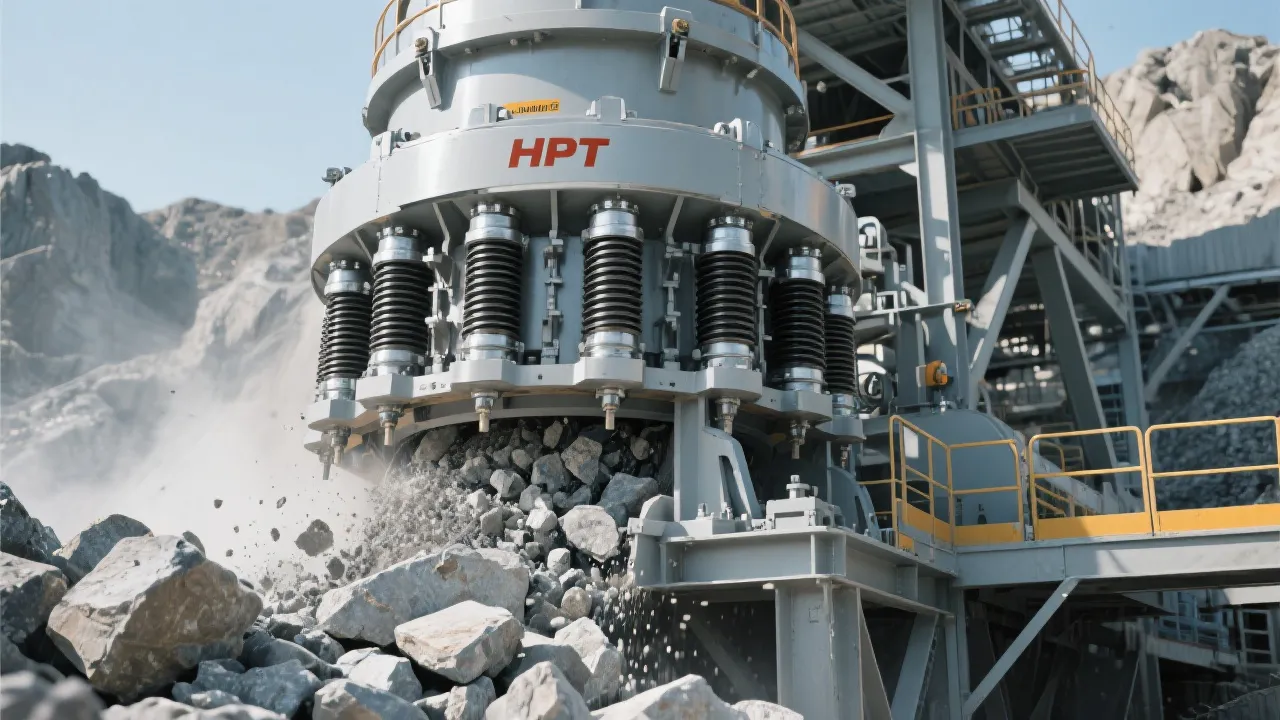
In an industry where every ton processed and every minute of uptime directly impacts profitability, stone crushing operations have long struggled with efficiency bottlenecks that hinder growth. The transition from traditional manual processes to intelligent control systems isn't just an upgrade—it's a necessary evolution for companies aiming to stay competitive in today's infrastructure-driven market.
Many quarry and mining operations continue to rely on outdated control methods, unaware of the significant hidden costs eating into their profits. A recent industry study revealed that facilities using manual operation and scheduling experience:
These inefficiencies create a domino effect—delayed project timelines, increased operational expenses, and reduced competitiveness in bidding for infrastructure contracts. The most frustrating aspect? Many operators recognize these issues but struggle to find viable solutions that justify the investment.
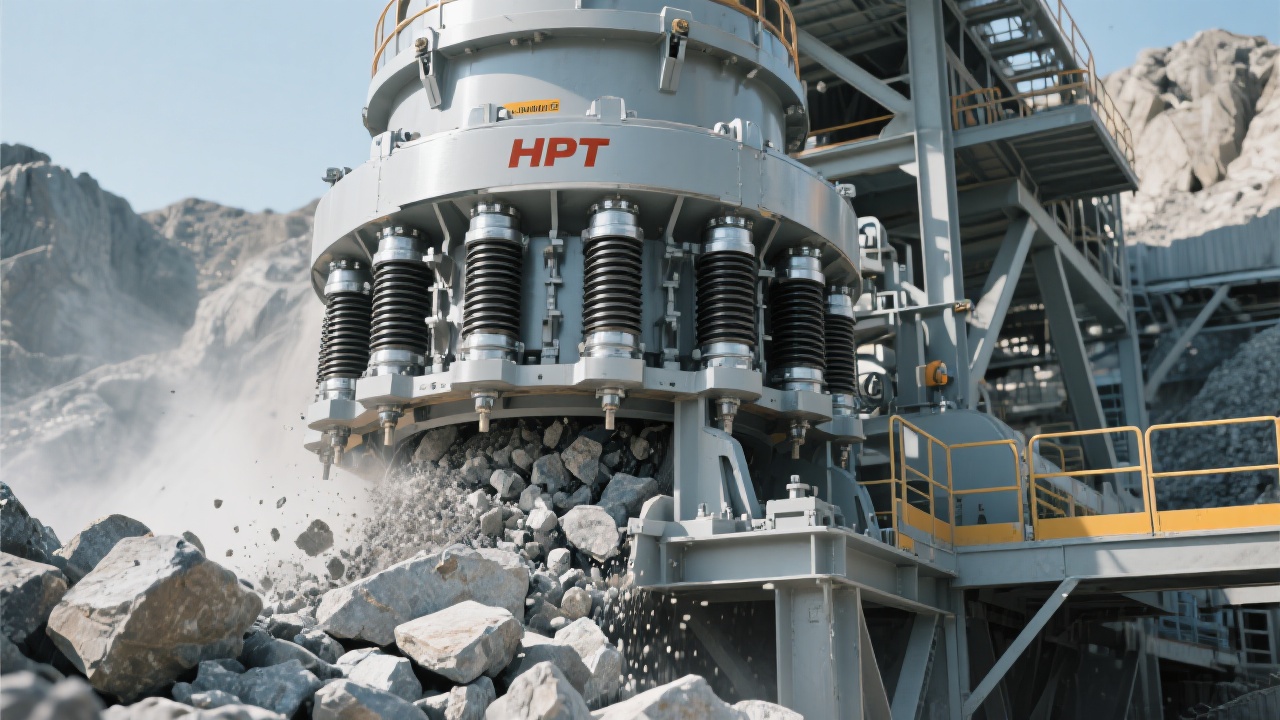
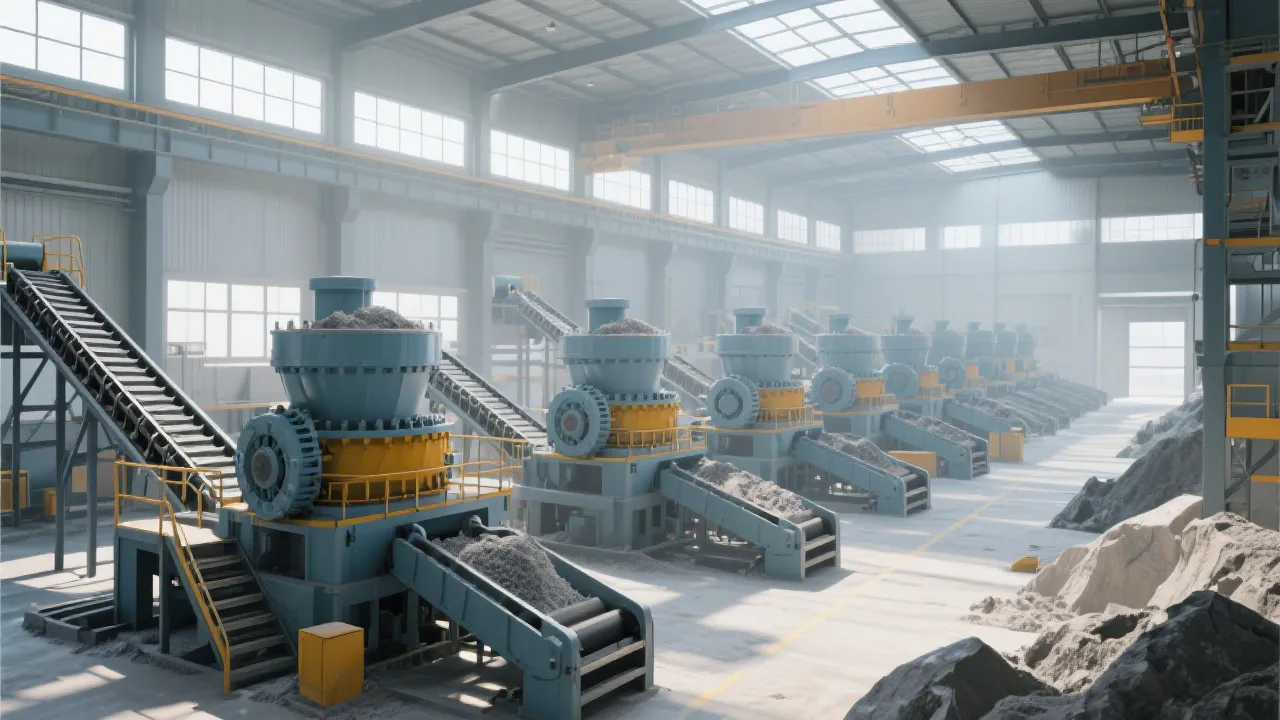
The foundation of any intelligent crushing system lies in its ability to orchestrate all components as a unified ecosystem rather than independent machines. Advanced control algorithms continuously analyze material flow, adjusting conveyor speeds, crusher settings, and feed rates in real-time to maintain optimal throughput.
This dynamic coordination eliminates the common "bottleneck effect" where one machine's inefficiency cascades through the entire line. A limestone quarry in Indiana reported a 32% increase in consistent throughput within three months of implementing adaptive logic controls.
Modern crushing systems employ a sophisticated network of sensors strategically placed throughout the production line, capturing critical performance metrics including:
This constant data stream feeds into a centralized dashboard, providing operators with unprecedented visibility into system performance. The result? Issues can be addressed before they escalate into production-stopping problems.
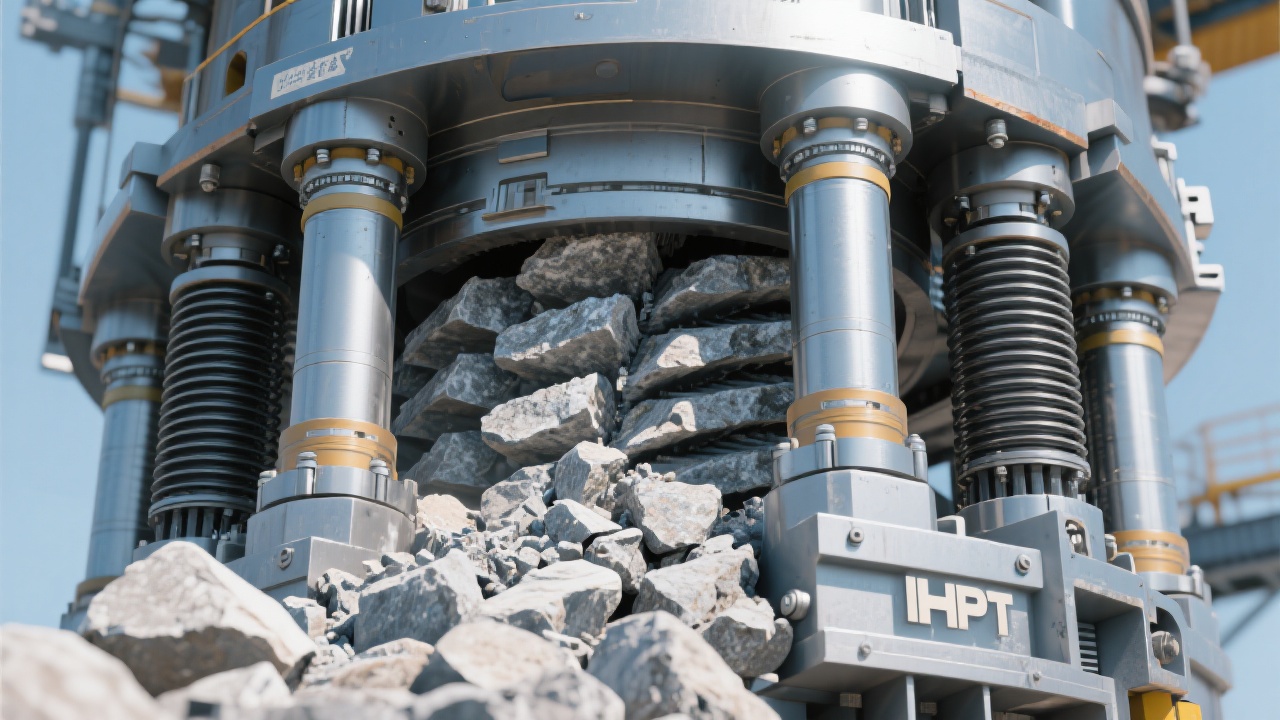
Perhaps the most transformative technology in intelligent crushing systems is predictive maintenance. By analyzing historical performance data and identifying patterns, these systems can predict equipment failures days or even weeks in advance.
A granite processing facility in Texas implemented predictive maintenance and experienced:
Industry Insight: According to the International Society of Automation, predictive maintenance can reduce maintenance costs by 25-30%, extend asset life by 20-40%, and reduce downtime by up to 45% in heavy industrial applications.
While technical specifications are important, the true measure of any system is its impact on the bottom line. Consider the case of a mid-sized aggregate producer in Pennsylvania that upgraded to an intelligent control system:
| Performance Metric | Before Implementation | After Implementation | Improvement |
|---|---|---|---|
| Monthly Production | 8,500 tons | 11,200 tons | +31.8% |
| Energy Consumption | 12.4 kWh/ton | 9.1 kWh/ton | -26.6% |
| Unplanned Downtime | 16.5 hours/month | 6.2 hours/month | -62.4% |
| Maintenance Costs | $14,200/month | $8,900/month | -37.3% |
These improvements translated to an additional $124,000 in monthly revenue while reducing operational costs by $38,500—a combined monthly impact of $162,500. The company achieved full return on investment in just 8.7 months.

While the benefits are clear, successful implementation requires careful planning. Based on hundreds of deployments across various mining and aggregate operations, we've identified critical factors for success:
Every crushing operation has unique characteristics. A thorough assessment of your existing equipment, processes, and pain points ensures the intelligent control system is tailored to your specific needs. This audit should include production goals, maintenance history, and current bottlenecks.
Rather than attempting a complete system overhaul, consider a phased approach. Many operators start with critical bottleneck areas, generating quick wins that justify further investment. This approach also minimizes disruption to ongoing operations.
The most advanced system will underperform without proper operator buy-in and training. Comprehensive training programs ensure your team can fully leverage the system's capabilities. Look for providers that offer ongoing support and training resources.
Discover how intelligent control systems can help you achieve consistent production targets, reduce operational costs, and gain a competitive edge in the infrastructure market.
Get Your Customized Crushing Optimization AssessmentOur team of specialists will analyze your operation and provide a detailed roadmap to enhanced efficiency
Q: Will implementing an intelligent control system require replacing our existing equipment?
A: Not necessarily. Many systems can be retrofitted to work with your current machinery, significantly reducing upfront investment costs while still delivering substantial efficiency gains.
Q: How difficult is it to integrate these systems with our existing ERP or management software?
A: Modern intelligent control systems are designed with open architecture, allowing seamless integration with most common ERP, CMMS, and management platforms through standard APIs.
Q: What kind of ongoing support is required after implementation?
A: Reputable providers offer remote monitoring services, regular software updates, and technical support. Many also provide performance reviews to ensure you're maximizing your investment over time.
As infrastructure demands continue to grow worldwide, the ability to deliver consistent, high-quality aggregates at competitive prices becomes increasingly critical. Intelligent control systems represent more than just a technological upgrade—they're a strategic investment in your operation's future, enabling you to meet growing demand while improving your bottom line. The question isn't whether you can afford to implement these systems, but whether you can afford not to as your competitors gain efficiency advantages.
 167
|
167
|
 jaw crusher efficiency optimization
V-shaped crushing chamber
rock hardness and crusher configuration
construction waste recycling equipment
PEW jaw crusher solutions
214
|
short head cone crusher
discharge opening adjustment
particle size control
cone crusher maintenance
production efficiency optimization
209
|
CI5X heavy - duty rotor crusher
high - efficiency impact crusher
rotor design optimization
mining crushing equipment
energy - saving crusher
346
|
modular jaw crusher
0-1020mm feed crushing
metal ore crushing process
primary and secondary crushing synergy
overseas mining crushing systems
86
|
construction waste recycling equipment
impact crusher for aggregates
aggregate shape control
building demolition waste processing
crusher selection for construction debris
jaw crusher efficiency optimization
V-shaped crushing chamber
rock hardness and crusher configuration
construction waste recycling equipment
PEW jaw crusher solutions
214
|
short head cone crusher
discharge opening adjustment
particle size control
cone crusher maintenance
production efficiency optimization
209
|
CI5X heavy - duty rotor crusher
high - efficiency impact crusher
rotor design optimization
mining crushing equipment
energy - saving crusher
346
|
modular jaw crusher
0-1020mm feed crushing
metal ore crushing process
primary and secondary crushing synergy
overseas mining crushing systems
86
|
construction waste recycling equipment
impact crusher for aggregates
aggregate shape control
building demolition waste processing
crusher selection for construction debris










 Facebook