
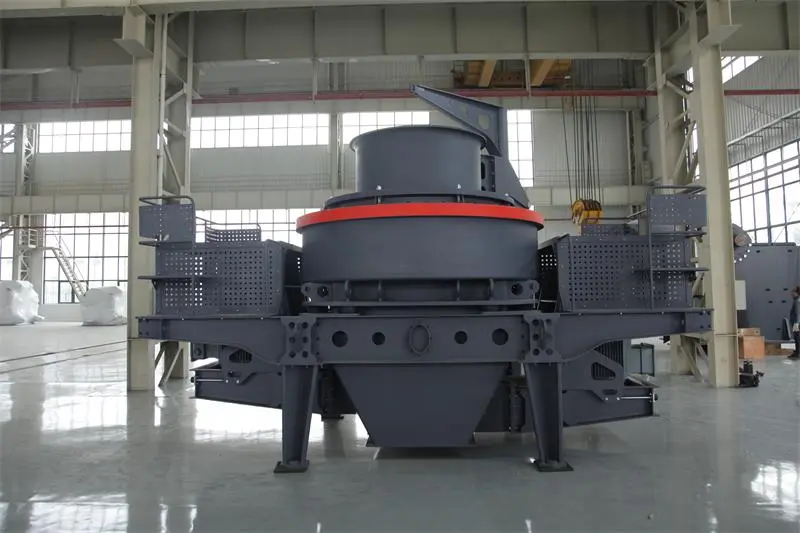
Controlling particle size in chemical raw material processing is vital for product quality and operational efficiency. The PFW impact crusher stands out with its innovative dual-wedge hydraulic-mechanical adjustment system, enabling rapid, stepless regulation of the discharge port. This technology helps you maintain consistent granularity, minimize rework risk, and prevent equipment overloading.
Unlike traditional manual discharge port adjustments, the dual-wedge structure combines hydraulic precision with mechanical stability. This system integrates two wedges that synchronously adjust the outlet gap through seamless hydraulic and mechanical linkage, delivering:
To optimize your discharge port adjustment, you must tailor settings to the raw material and production requirements. Below are recommended parameters for common scenarios based on industry data:
| Material | Discharge Gap (mm) | Hydraulic Pressure (MPa) | Recommended Particle Size (mm) |
|---|---|---|---|
| Limestone | 15 - 25 | 8 - 10 | 10 - 20 |
| Coal Gangue | 18 - 28 | 6 - 8 | 12 - 22 |
*Note: Adjust parameters within these ranges depending on throughput and crusher model.
Here’s a technical workflow to achieve optimal granularity control using the dual-wedge system for materials such as limestone and coal gangue:
One chemical production facility reported a 15% reduction in rework after integrating the dual-wedge hydraulic adjustment, attributing success to precise outlet regulation and reduced downtime. Common issues you might encounter include:
“The dual-wedge system transformed our chemical processing line. The precision and ease of adjustment have stabilized production and liberated our staff from manual fiddling. Highly recommended.”
— Operations Manager, GreenChem Industries
Adjustments can be completed within 1-2 minutes, enabling rapid adaptability to production changes without halting operations.
Routine inspection of hydraulic seals, fluid replacement every 6 months, and mechanical linkage checks every 200 operation hours ensure optimal performance.
Yes, the dual-wedge adjustment system integrates seamlessly with SCADA and PLC controls for high-level automation and remote monitoring.
 415
|
415
|
 Crusher maintenance techniques
Jaw crusher maintenance
Equipment maintenance guide
C6X jaw crusher
Crusher maintenance solutions
308
|
["jaw crusher maintenance"
"jaw crusher maintenance tips"
"C6X jaw crusher"
"efficient jaw crusher"
"jaw crusher troubleshooting"]
64
|
impact crusher material selection
high manganese steel hammer
wear-resistant technology
sealing system for crushers
smart lubrication monitoring
327
|
Impact crusher
High - humidity mining area equipment maintenance
Ore crushing fault resolution
Intelligent lubrication technology
Mine equipment stability
241
|
construction waste crushing equipment
impact crusher vs jaw and hammer crushers
recycled aggregate particle shape control
PF-1315 impact crusher
energy consumption in waste recycling
Crusher maintenance techniques
Jaw crusher maintenance
Equipment maintenance guide
C6X jaw crusher
Crusher maintenance solutions
308
|
["jaw crusher maintenance"
"jaw crusher maintenance tips"
"C6X jaw crusher"
"efficient jaw crusher"
"jaw crusher troubleshooting"]
64
|
impact crusher material selection
high manganese steel hammer
wear-resistant technology
sealing system for crushers
smart lubrication monitoring
327
|
Impact crusher
High - humidity mining area equipment maintenance
Ore crushing fault resolution
Intelligent lubrication technology
Mine equipment stability
241
|
construction waste crushing equipment
impact crusher vs jaw and hammer crushers
recycled aggregate particle shape control
PF-1315 impact crusher
energy consumption in waste recycling
.jpg?x-oss-process=image/resize,h_800,m_lfit/format,webp)





.jpg?x-oss-process=image/resize,h_800,m_lfit/format,webp)



.jpg?x-oss-process=image/resize,m_fill,h_800,w_800/format,webp)



 Facebook