

Are you struggling to optimize your pebble crushing process? Choosing the right crusher impacts not only product quality but also operational efficiency and ROI. This guide demystifies the crucial parameters like crushing ratio and final particle size control, framed around the advanced features of the HPT Multi-cylinder Hydraulic Cone Crusher. Whether you handle granite, pebbles, or limestone, understanding these elements will empower you to make scientifically backed decisions in your mineral processing operations.
The crushing ratio—the size reduction factor—directly influences throughput and energy consumption. For efficient pebble crushing, you should target a crushing ratio between 8:1 and 12:1, balancing high output with manageable wear rates. Moreover, controlling particle shape and size distribution ensures better downstream performance, improving packing density and reducing overgrinding.
The HPT multi-cylinder hydraulic cone crusher integrates an advanced lubrication system and PLC-based electric monitoring to optimize performance:
Together, these systems reduce labor costs by approximately 20% and improve operational stability—critical factors for large-scale mineral processing plants.

Not all crushers perform equally across diverse mineral types. Consider these examples:
| Material | Optimal Crushing Ratio | Performance Note |
|---|---|---|
| Granite | 8-10:1 | Requires robust crushing force, benefits from hydraulic protection |
| Pebbles | 10-12:1 | Higher crushing ratio supports finer particle control, ideal for construction aggregates |
| Limestone | 6-8:1 | Softer material, focus on throughput and energy efficiency |
To scientifically select the ideal pebble crusher for your operation, consider using these evaluation tools:
By implementing these data-driven approaches, you can avoid costly mismatches and enhance your investment's lifespan.
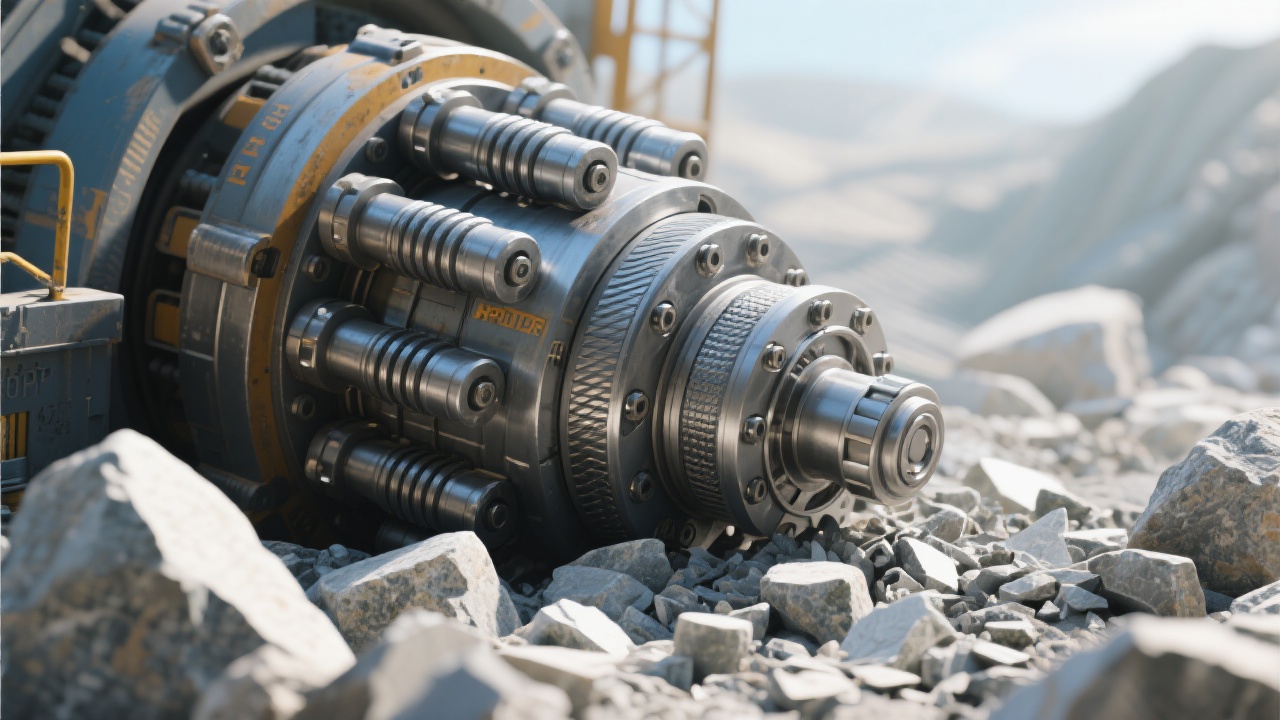
Maintaining consistent particle size and shape often poses a challenge due to varying feed material and operational conditions. The right crusher, equipped with intelligent monitoring and control technology, dramatically mitigates these issues.

 167
|
167
|
 intelligent gyratory crusher maintenance
mining equipment operation
intelligent diagnostic system
remote monitoring for mining equipment
crusher maintenance strategy
496
|
["C6X jaw crusher maintenance"
"C6X crusher upkeep"
"jaw crusher fault diagnosis"
"efficient jaw crusher maintenance"
"high-output crusher maintenance"]
125
|
copper mine crushing system
PE jaw crusher
energy-saving crushing solutions
metal ore processing
modular crusher plant
186
|
Intelligent Gyratory Crusher
Middle East Basalt Crushing
Intelligent Control System
Low Operating Cost
Ore Crushing Equipment
391
|
Non-metallic ore crushing
PEW jaw crusher
Crushing process flow
Equipment selection
Capacity optimization
intelligent gyratory crusher maintenance
mining equipment operation
intelligent diagnostic system
remote monitoring for mining equipment
crusher maintenance strategy
496
|
["C6X jaw crusher maintenance"
"C6X crusher upkeep"
"jaw crusher fault diagnosis"
"efficient jaw crusher maintenance"
"high-output crusher maintenance"]
125
|
copper mine crushing system
PE jaw crusher
energy-saving crushing solutions
metal ore processing
modular crusher plant
186
|
Intelligent Gyratory Crusher
Middle East Basalt Crushing
Intelligent Control System
Low Operating Cost
Ore Crushing Equipment
391
|
Non-metallic ore crushing
PEW jaw crusher
Crushing process flow
Equipment selection
Capacity optimization

.jpg?x-oss-process=image/resize,h_800,m_lfit/format,webp)


.jpg?x-oss-process=image/resize,h_800,m_lfit/format,webp)





 Facebook