
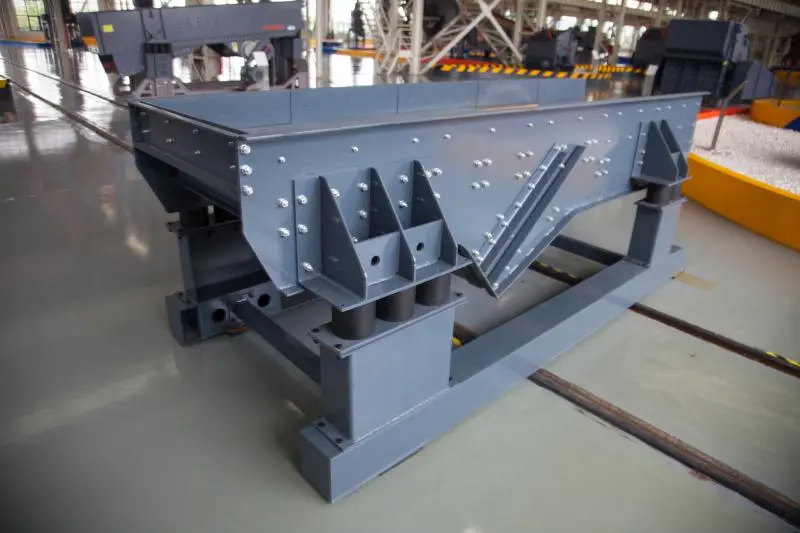
In the dynamic world of mining and quarrying, efficiency isn't just a goal—it's the cornerstone of profitability. For marble processing facilities grappling with the challenges of consistent material feeding, the right equipment can mean the difference between operational success and costly downtime. This technical analysis explores how modern vibratory feeding technology is revolutionizing marble crushing lines worldwide.
Marble processing presents unique challenges that demand specialized equipment solutions. Unlike limestone or granite, marble's distinctive crystalline structure and varying hardness—typically ranging from 3 to 4 on the Mohs scale—requires precise material handling to prevent excessive wear and ensure uniform processing.
A 2022 industry study by the International Mining Equipment Council revealed that inefficient feeding systems account for approximately 23% of unplanned downtime in aggregate processing plants. For marble producers, this translates to an average production loss of 15-20 tons per hour during stoppages—equating to potential annual revenue losses exceeding $400,000 for mid-sized operations.
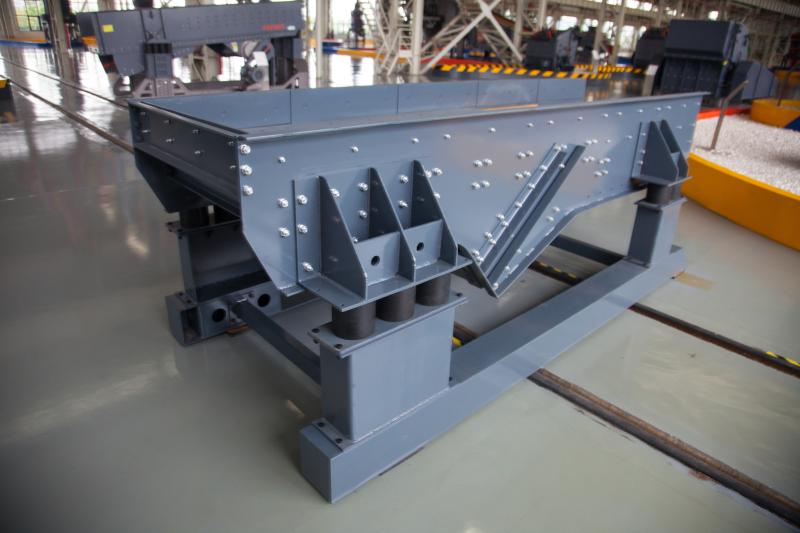
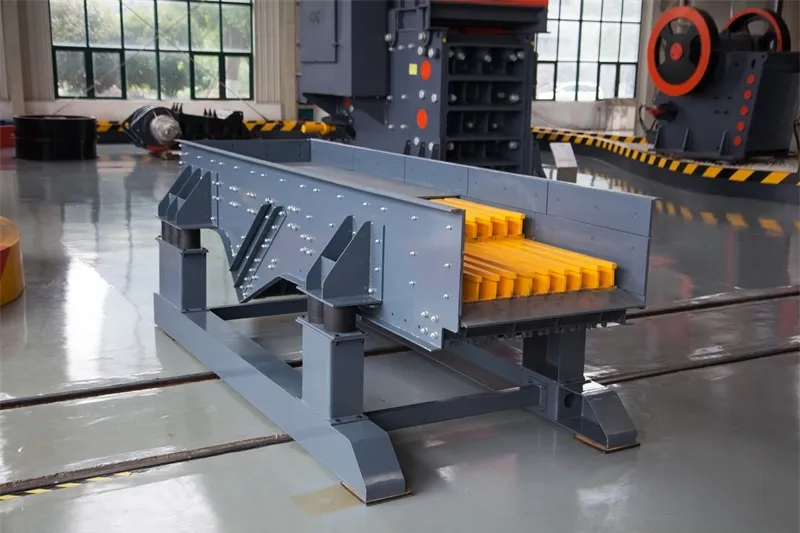
The 矿联 GF vibratory feeder incorporates a dual-eccentric shaft vibration motor system that delivers consistent amplitude control—ranging from 3.5mm to 5mm—optimized specifically for marble's material characteristics. This design generates linear vibration patterns that ensure uniform material flow while consuming 15-20% less energy compared to conventional electromagnetic feeders.
Engineered with heavy-duty manganese steel (Mn13) liners—50% thicker than standard feeders—the GF series offers exceptional wear resistance when handling abrasive marble aggregates. The adjustable feeding angle (0-15°) allows operators to optimize material flow velocity, typically maintaining an ideal speed of 0.8-1.2 m/s for marble processing.
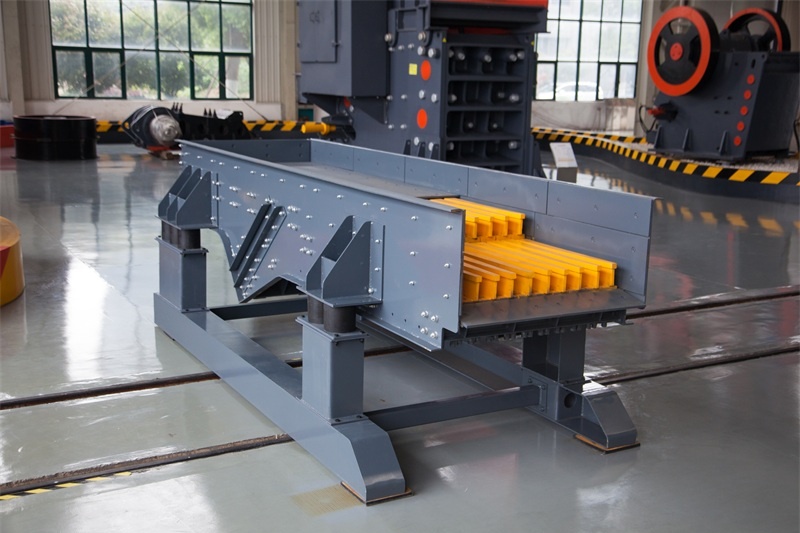
A leading marble producer in Carrara, Italy, replaced their conventional apron feeder with a 矿联 GF-800 vibratory feeder in Q1 2023. The results after six months of operation included:
The adaptability of the GF series extends beyond pure marble applications. In mixed aggregate operations processing marble alongside limestone and dolomite, the feeder's variable frequency control allows for quick adjustment to different material densities—from 2.6 g/cm³ for marble to 2.8 g/cm³ for granite—without mechanical reconfiguration.
When paired with modern jaw crushers, the GF vibratory feeder's synchronized control system maintains optimal crusher cavity filling—typically 85-90%—maximizing throughput while minimizing wear. The feeder's integrated load sensing technology automatically adjusts feed rates in response to crusher backpressure, preventing overload situations that commonly cause equipment damage in marble processing.
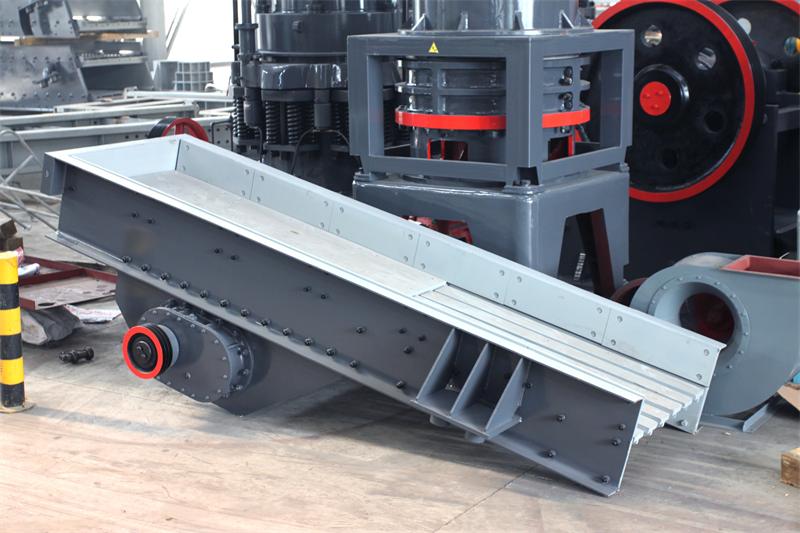
For mining operations considering feeder upgrades, several key factors should influence equipment selection. Beyond basic capacity requirements, evaluating material characteristics, moisture content (critical for marble dust management), and integration with existing control systems is essential for maximizing return on investment.
Modern vibratory feeders like the 矿联 GF series offer significant advantages over traditional feeding methods, particularly in marble applications where material consistency and equipment durability are paramount. The initial investment typically yields payback periods of 12-18 months through improved throughput, reduced energy costs, and lower maintenance requirements.
Download our comprehensive technical guide featuring: detailed application data, comparative performance analysis, and selection criteria for marble processing facilities.
Access the Marble Processing Optimization GuideAs marble processing continues to evolve with increasing demands for product quality and production efficiency, the role of precision feeding equipment becomes ever more critical. The integration of advanced vibratory feeding technology represents not just an equipment upgrade, but a strategic investment in operational reliability and long-term profitability.
 63
|
63
|
 273
|
452
|
273
|
452
|







.jpg?x-oss-process=image/resize,m_fill,h_800,w_800/format,webp)




 Facebook