
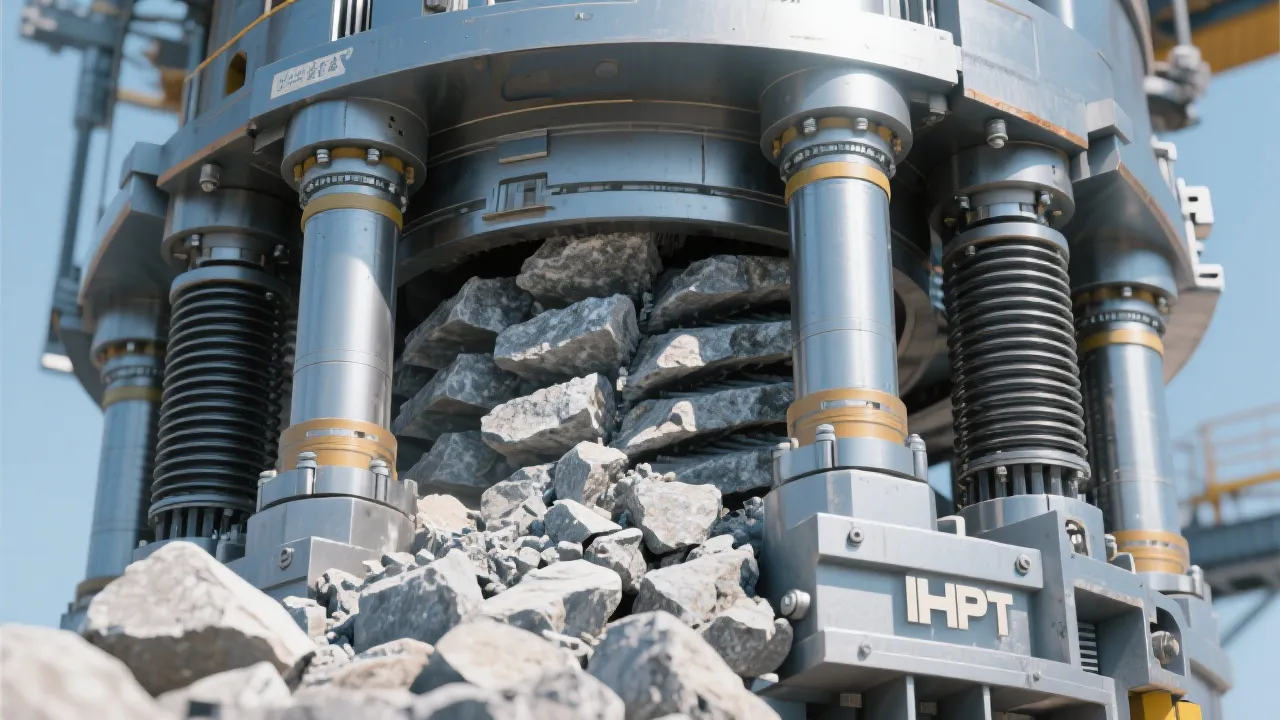
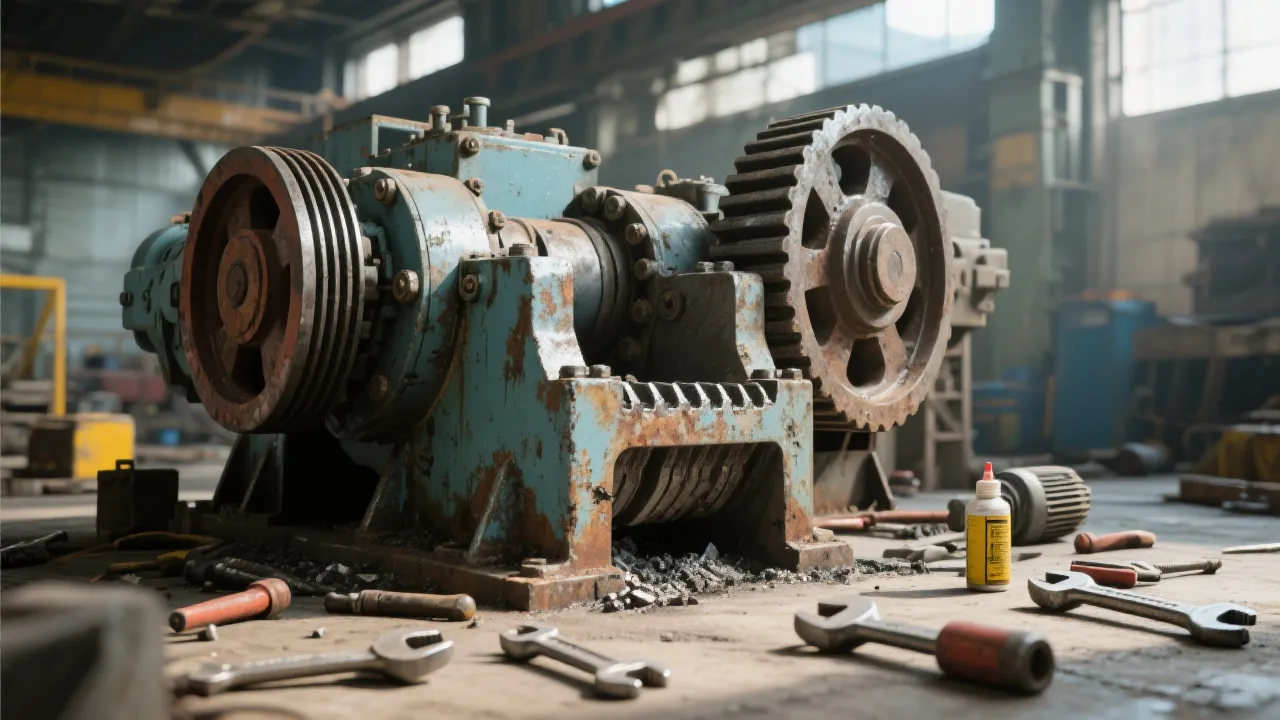
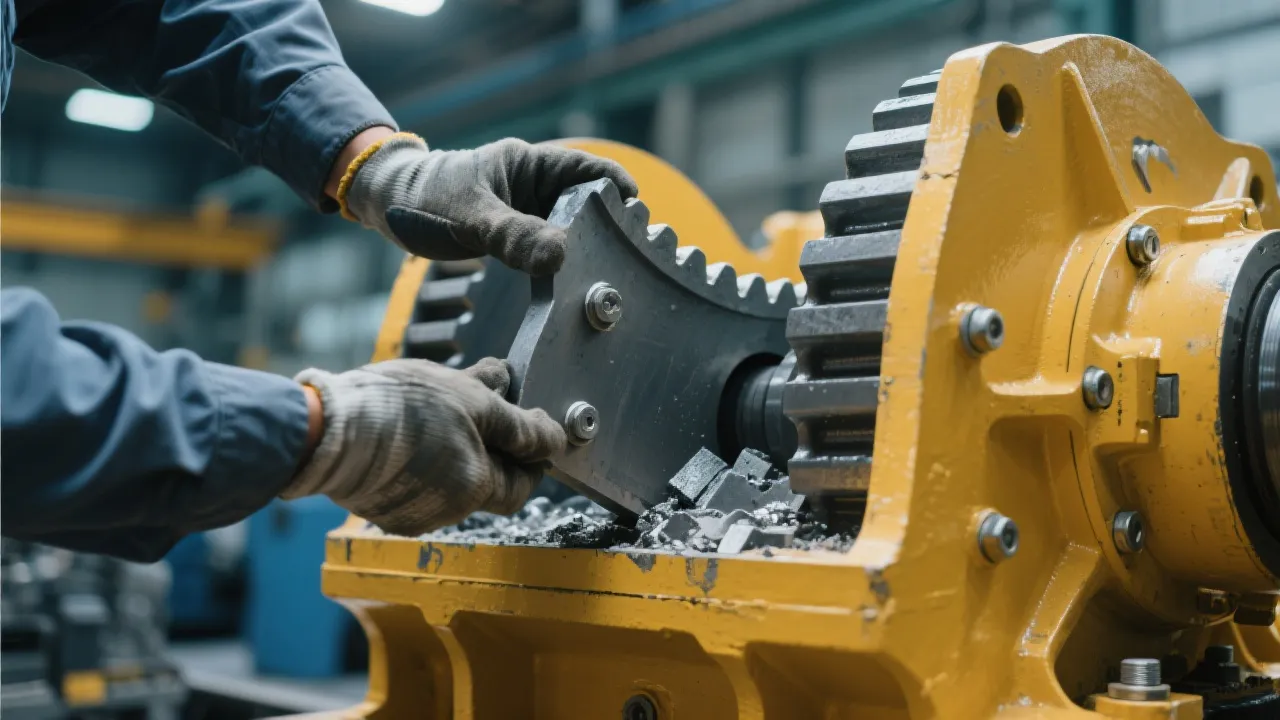
The crushing of hard rock materials presents unique challenges in mining operations, predominantly due to the rapid wear of critical components such as liners and crushing chambers. Wear not only raises maintenance costs but directly affects production continuity and equipment lifespan. This article explores the fundamental causes of wear during hard rock crushing and demonstrates how deploying a short-head cone crusher combined with advanced laminated crushing technology can significantly mitigate wear issues.
Wear in hard rock crushers primarily results from abrasive interactions between high-hardness rock particles and crusher parts exposed to continuous impact and friction. The main contributors include:
Industry data shows that improper wear management can reduce operating lifespan by up to 30%, causing unplanned shutdowns and cutting operational efficiency by over 15%.
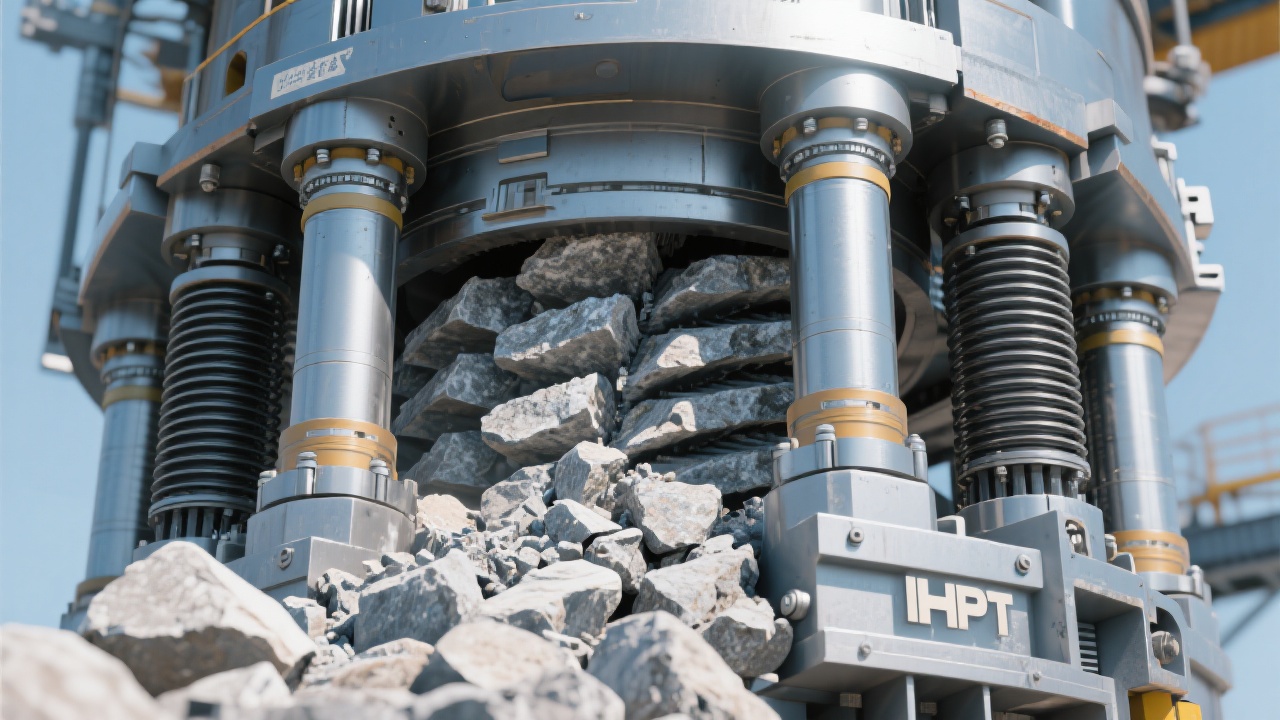
The short-head cone crusher is engineered for high reduction ratios and fine product sizes, which is especially advantageous in hard rock environments. When combined with layered or laminated crushing principles, it achieves not only high crushing efficiency but also promotes the formation of micro-fractures through compression rather than impact, drastically reducing abrasive wear.
Structural Optimization: The optimized chamber geometry enables the rock material to be crushed in a confined zone, ensuring even distribution of crushing forces and minimizing liner stress concentrations. This design typically extends liner life by 25-35% compared to conventional designs.
Material Upgrades: Selection of high-manganese steel or composite alloy liners further enhances wear resistance. These materials dissipate energy better and withstand cyclic loading without premature fatigue.
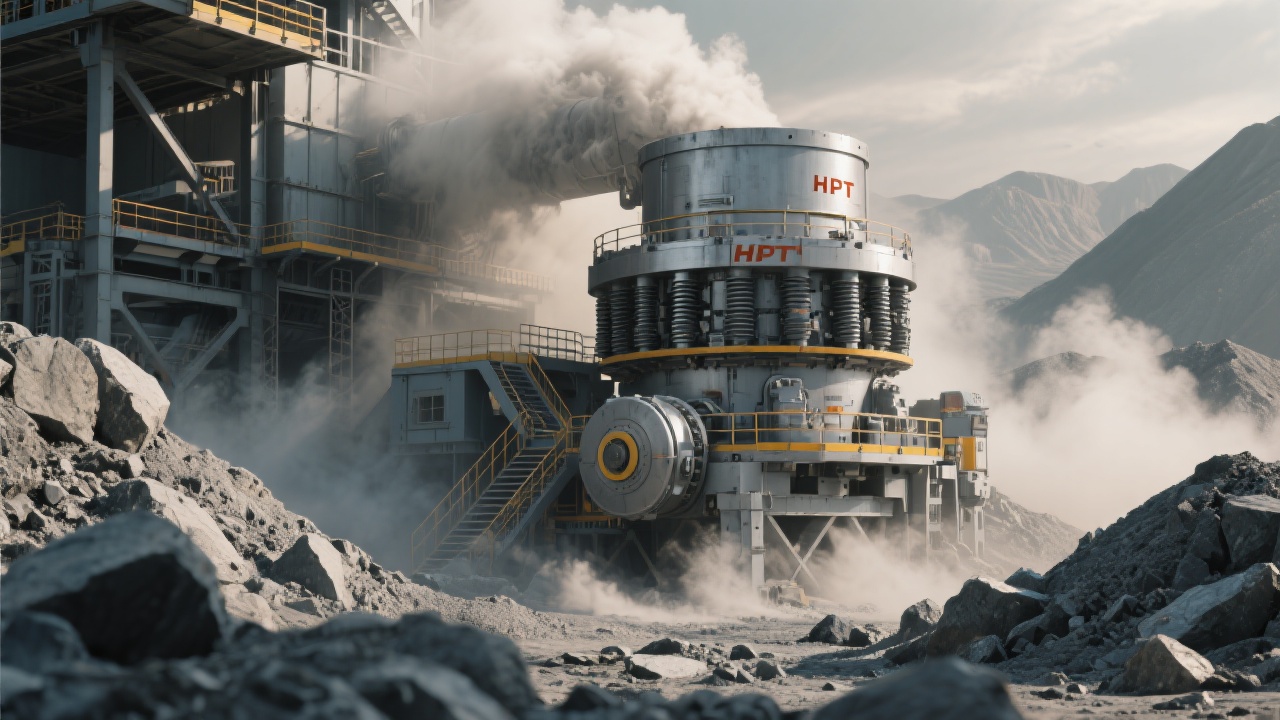
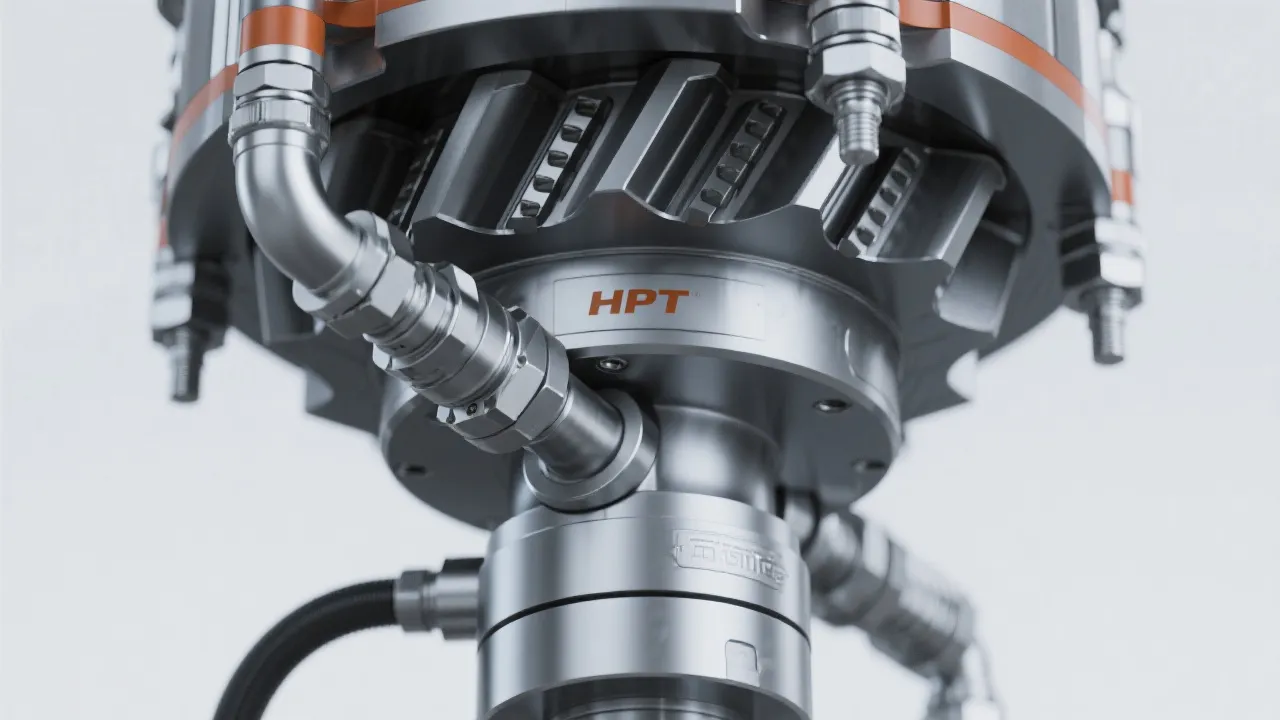
A vital element in extending crusher lifespan is the hydraulic lubrication system, which maintains consistent oil flow and pressure within bearings and critical moving parts. The system offers several operational benefits:
Mining enterprises have reported up to 20% decrease in maintenance costs after switching to hydraulic lubrication coupled with short-head cone crushers.
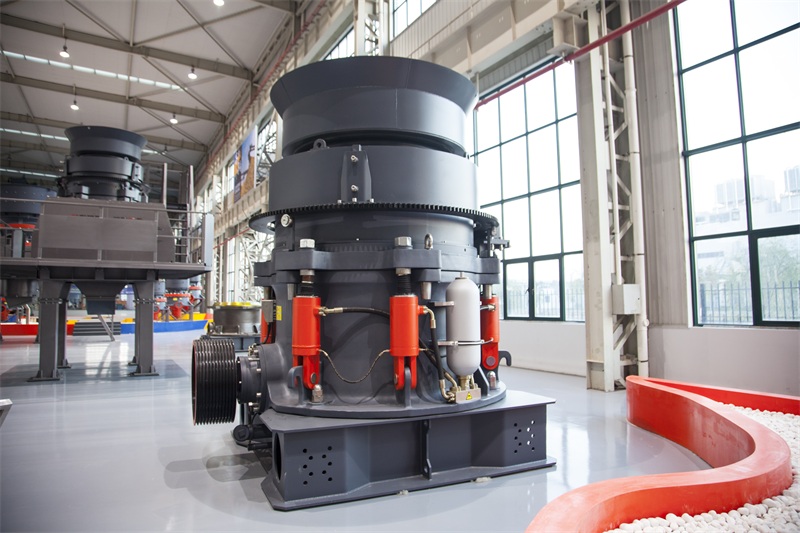
To leverage the full benefits of short-head cone crushers in hard rock settings, mining operators should adopt these actionable strategies:
Consistent application of these practices increases operational availability by an estimated 10-15%, translating to higher throughput and greater return on equipment investment.
 175
|
175
|
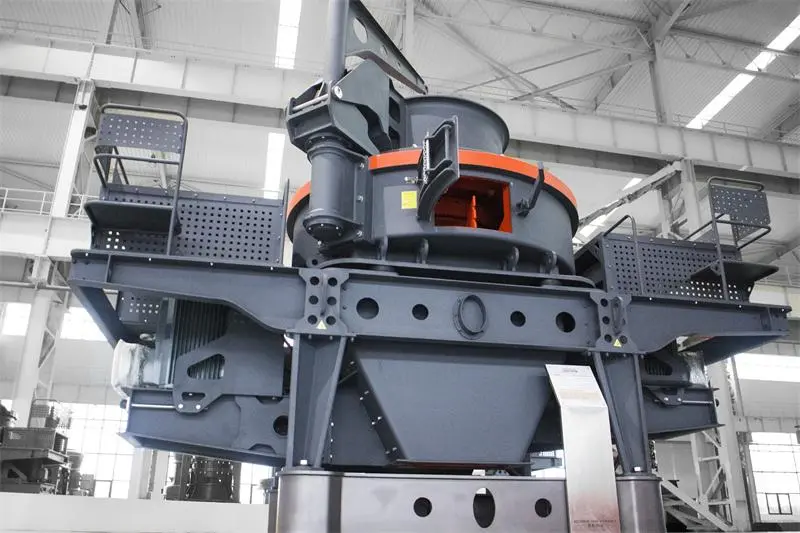
 VSI6X sand making machine
high-efficiency sand production
sand shaping equipment
285
|
VSI6X sand making machine
new sand making equipment
feeding modes
high efficiency and energy saving
extended service life
248
|
impact crusher rotor design
crushing efficiency improvement
ore crushing energy saving
rotor maintenance techniques
mining equipment optimization
320
|
Impact crusher stress concentration
Digital machined parts application
Construction waste crusher maintenance
Causes of excessive vibration in crushers
Equipment reliability improvement
270
|
impact crusher for construction waste
high-rebar demolition debris processing
PF-1315 crusher optimization
crushed stone screening configuration
building material recycling technology
VSI6X sand making machine
high-efficiency sand production
sand shaping equipment
285
|
VSI6X sand making machine
new sand making equipment
feeding modes
high efficiency and energy saving
extended service life
248
|
impact crusher rotor design
crushing efficiency improvement
ore crushing energy saving
rotor maintenance techniques
mining equipment optimization
320
|
Impact crusher stress concentration
Digital machined parts application
Construction waste crusher maintenance
Causes of excessive vibration in crushers
Equipment reliability improvement
270
|
impact crusher for construction waste
high-rebar demolition debris processing
PF-1315 crusher optimization
crushed stone screening configuration
building material recycling technology











 Facebook