
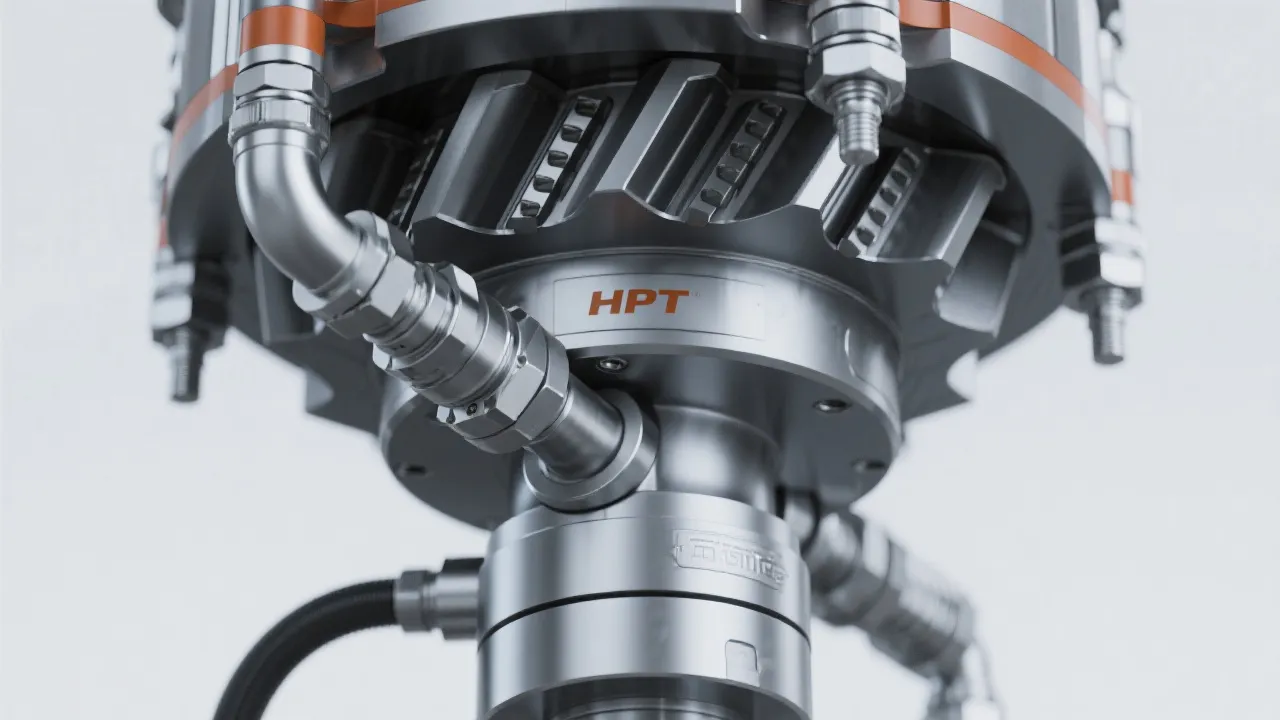
Hard rock crushing is the backbone of mining operations worldwide—but it’s also one of the most wear-intensive processes. According to industry data from McKinsey & Company (2023), up to 40% of unplanned downtime in aggregate processing plants stems from premature wear in crusher components, especially in high-abrasion environments like granite or basalt extraction.
Traditional impact crushers rely on high-speed impacts to break rocks—a method that generates significant kinetic energy loss and localized stress points. In contrast, modern short-head cone crushers use a layer-pressure crushing principle, where material is compressed between mantle and bowl liner under controlled pressure. This reduces surface contact stress by up to 35% compared to conventional designs, according to tests conducted at the University of Queensland’s Mining Engineering Lab.
What makes this so effective? Layer pressure distributes force more evenly across the crushing chamber—minimizing hot spots that cause rapid wear. It also allows for better control over product shape and size distribution, which directly affects downstream processing efficiency.
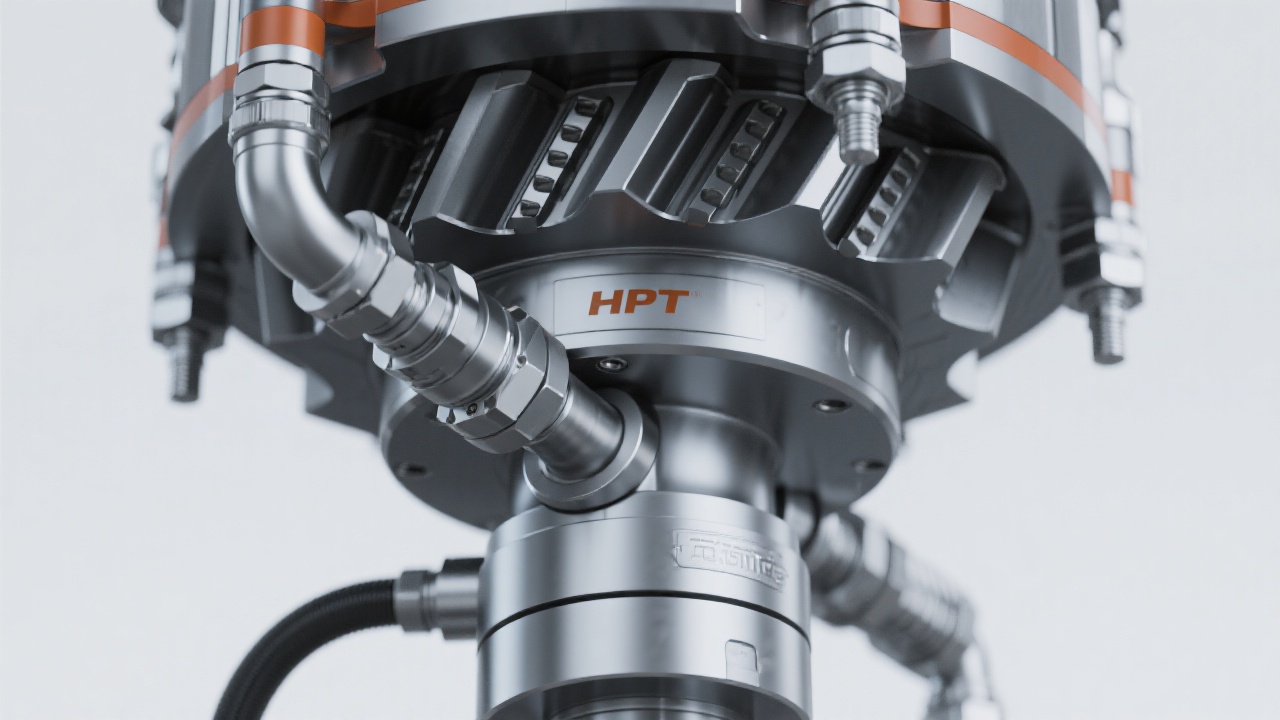
Modern short-head cone crushers integrate three critical improvements:
These aren’t just theoretical benefits—they’re proven in real-world applications. One Australian gold mine reported a 27% reduction in annual spare part costs after switching to a layer-pressure design, while maintaining consistent throughput even during peak production cycles.
Many operators unknowingly accelerate wear by ignoring simple but crucial practices:
Here’s a quick tip: Use the “30-Second Rule”—if you can’t feel smooth rotation when manually turning the crusher shell, stop immediately and inspect. Early detection saves thousands in repair costs.
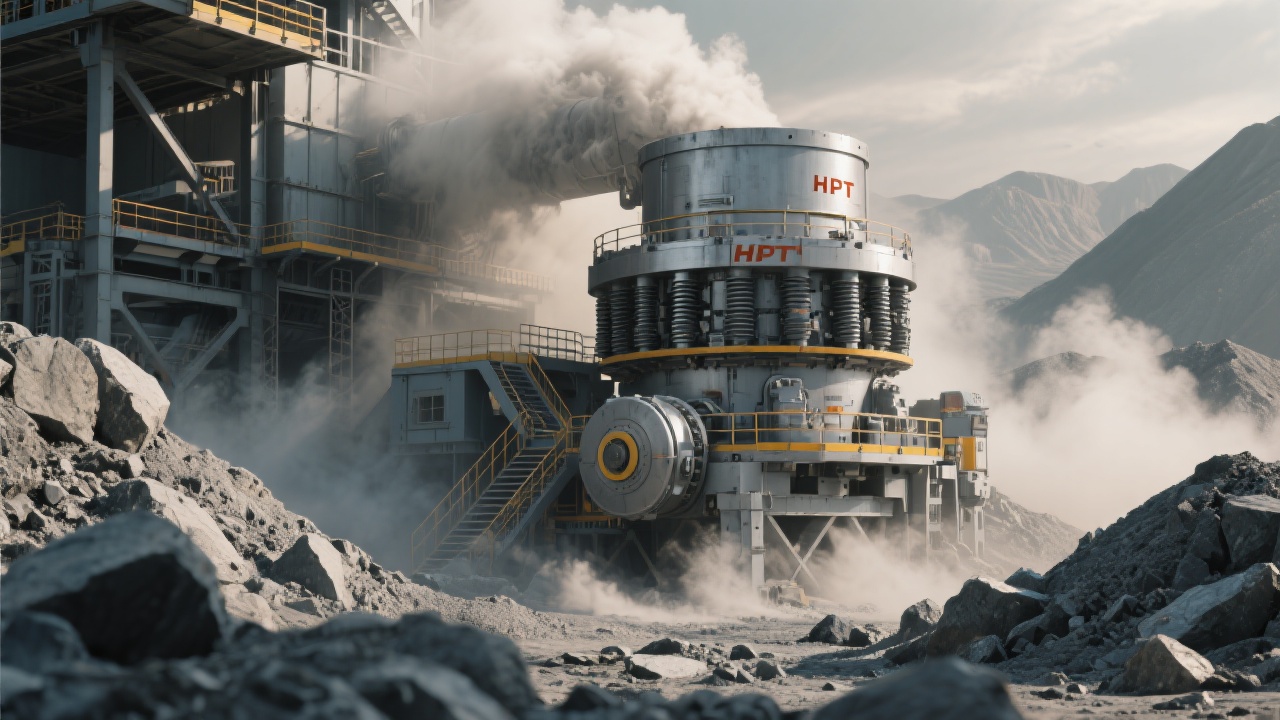
Whether you're managing a small quarry or a large-scale open-pit operation, understanding how wear occurs—and how to mitigate it—is no longer optional. It’s a strategic advantage.
Discover how our short-head cone crusher with advanced layer-pressure technology can reduce wear, lower maintenance costs, and increase uptime.
See How Our Technology Works → 74
|
74
|
 VSI6X Sand Making Machine
Sand Shaping Equipment
New Favorite in Sand Making Industry
Efficient Low-Cost Sand Making Machine
VSI6X Performance Advantages
VSI6X Application Scenarios
95
|
Impact crusher
Rotor design
Ore hardness matching
Crusher maintenance
Mining efficiency improvement
182
|
VSI6X Sand Maker efficiency
energy-saving sand production technology
patented vertical shaft impact crusher
365
|
impact crusher durability
harsh mining conditions
hammer life extension
crusher maintenance best practices
smart monitoring systems
477
|
jaw crusher for metal ores
crusher feed size optimization
ore particle size and crushing efficiency
jaw crusher application case study
metal ore processing optimization
VSI6X Sand Making Machine
Sand Shaping Equipment
New Favorite in Sand Making Industry
Efficient Low-Cost Sand Making Machine
VSI6X Performance Advantages
VSI6X Application Scenarios
95
|
Impact crusher
Rotor design
Ore hardness matching
Crusher maintenance
Mining efficiency improvement
182
|
VSI6X Sand Maker efficiency
energy-saving sand production technology
patented vertical shaft impact crusher
365
|
impact crusher durability
harsh mining conditions
hammer life extension
crusher maintenance best practices
smart monitoring systems
477
|
jaw crusher for metal ores
crusher feed size optimization
ore particle size and crushing efficiency
jaw crusher application case study
metal ore processing optimization










 Facebook