
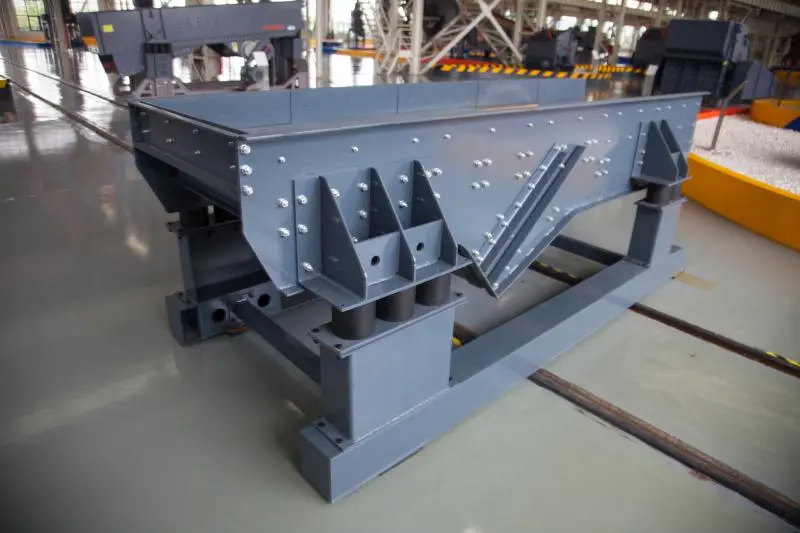
When dealing with large-scale marble processing, ensuring smooth and uniform material feeding before crushing stages is critical for optimizing production efficiency. High-intensity vibrating feeders have become indispensable in modern stone production lines, offering precise material flow control and substantial reductions in downtime caused by blockages. But what exactly governs their effectiveness, and how can engineers master the key parameters to consistently achieve high throughput and reliability? This article delves deep into the core operating principles of these feeders, focusing on the interaction between vibration amplitude and frequency. We also explore practical debugging strategies grounded in real-world applications, providing a hands-on guide for stone processing enterprises aiming to upgrade their equipment performance.
Fundamentally, a high-intensity vibrating feeder uses controlled vibration to transport marble raw material evenly onto downstream crushers or conveyors. By modulating vibration amplitude (the movement's magnitude) and frequency (the rate of oscillations per second), the feeder creates a steady and continuous flow of coarse particles that mitigates surges and prevents clogging—common obstacles in marble crushing preparation.
In practice, an optimal balance of amplitude and frequency ensures that the material moves neither too slow to cause stoppages, nor too fast to overwhelm the crushing equipment. Vibrations produce a linear conveying motion supplemented by mild bouncing of the materials on the tray, facilitating uniform particle distribution and gradual feeding.
The combination of amplitude and frequency directly affects:
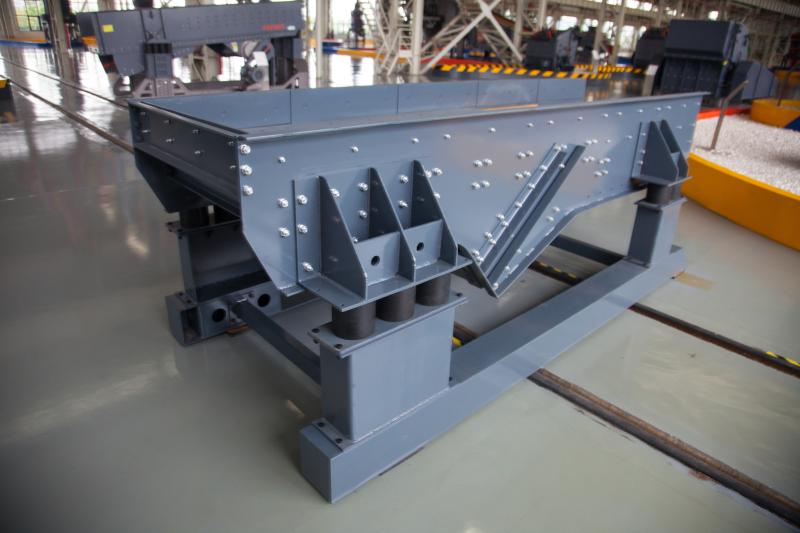
At a renowned marble processing facility in Italy, integrating a high-intensity vibrating feeder tailored with precise frequency-amplitude settings boosted throughput by over 18% compared to legacy mechanical feeders. Real-time monitoring of vibration parameters enabled operators to reduce manual intervention by 35%, substantially lowering labor costs and risk of human error.
The facility reported a significant drop in blockage incidents, especially during the processing of denser marble batches with irregular shapes, thanks to fine-tuned vibration adjustments and timely maintenance alerts.
Are you facing issues like uneven material flow, abnormal vibrations, or frequent flow interruptions? Consider this practical debugging routine:
.jpg)
Selecting the right vibrating feeder goes beyond just size – focus on these key performance indicators:

 439
|
439
|
 multi-cylinder hydraulic cone crusher
pebble crushing process
high-efficiency crusher
crushing ratio improvement
intelligent hydraulic lubrication
315
|
modular crushing equipment
quarry installation time reduction
MP module
crushing plant efficiency
SMP modular crushing system
258
|
jaw crusher feeding efficiency
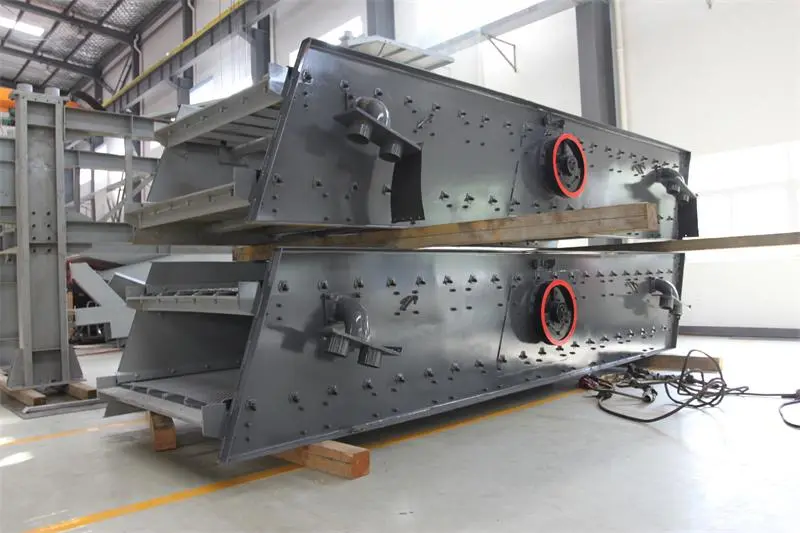
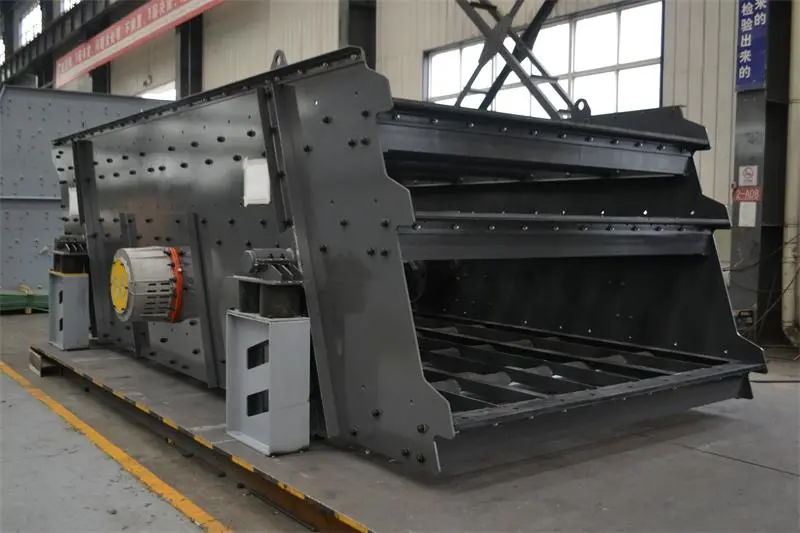
vibrating feeder technology
vibration frequency adjustment
mining feeding optimization
continuous stable feeding
284
|
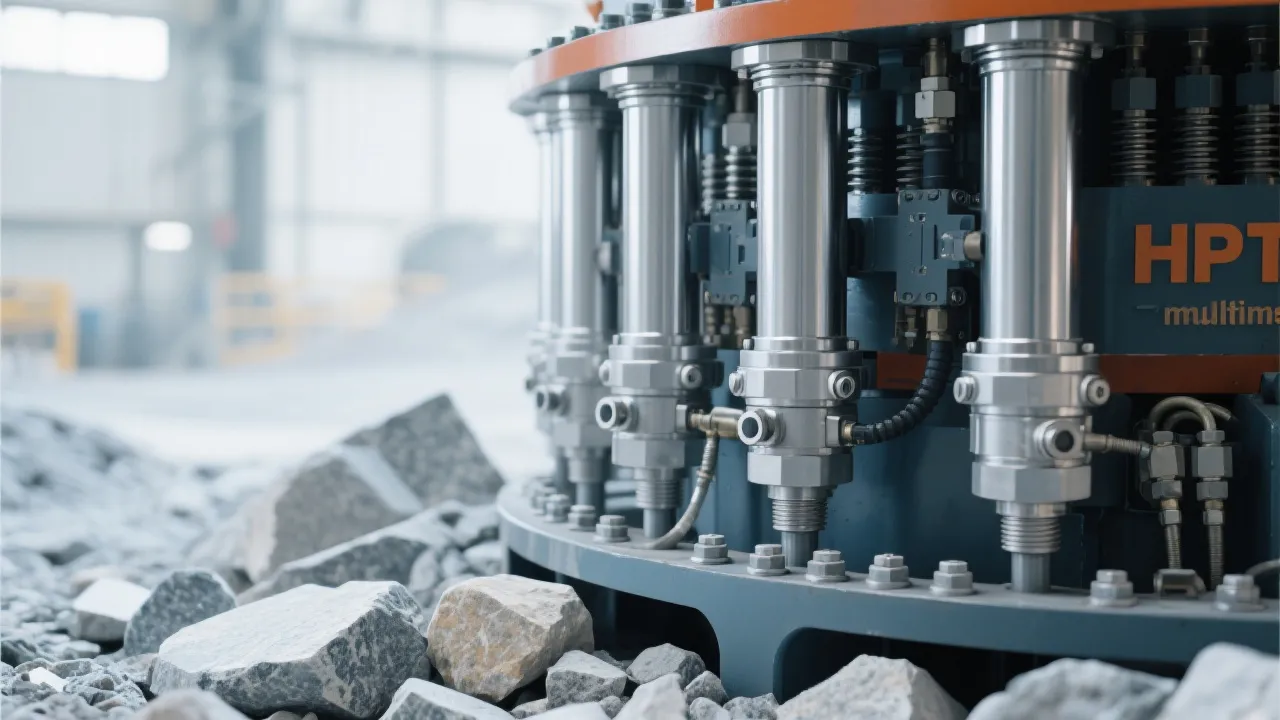
HPT cone crusher
intelligent hydraulic lubrication system
crusher failure rate reduction
mining equipment maintenance
PLC monitoring system
152
|
stone crushing production line
crushing process design
investment cost control
equipment combination strategy
intelligent automation control
multi-cylinder hydraulic cone crusher
pebble crushing process
high-efficiency crusher
crushing ratio improvement
intelligent hydraulic lubrication
315
|
modular crushing equipment
quarry installation time reduction
MP module
crushing plant efficiency
SMP modular crushing system
258
|
jaw crusher feeding efficiency
vibrating feeder technology
vibration frequency adjustment
mining feeding optimization
continuous stable feeding
284
|
HPT cone crusher
intelligent hydraulic lubrication system
crusher failure rate reduction
mining equipment maintenance
PLC monitoring system
152
|
stone crushing production line
crushing process design
investment cost control
equipment combination strategy
intelligent automation control












 Facebook