
.jpg?x-oss-process=image/resize,h_1000,m_lfit/format,webp)
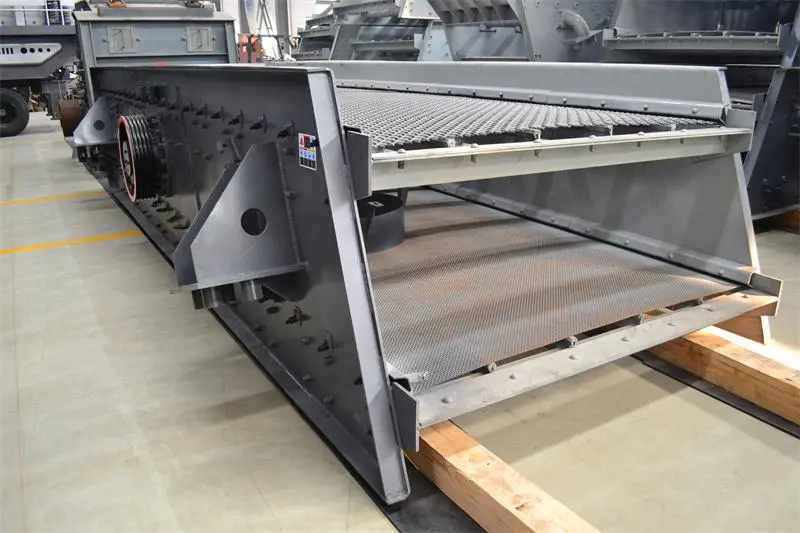
In the realm of marble processing, efficiency and precision are paramount. High-intensity vibrating feeders have emerged as critical components in modern production lines, offering unparalleled control over material flow. These robust machines not only ensure continuous and stable material conveyance but also significantly reduce operational bottlenecks that often plague traditional feeding systems.
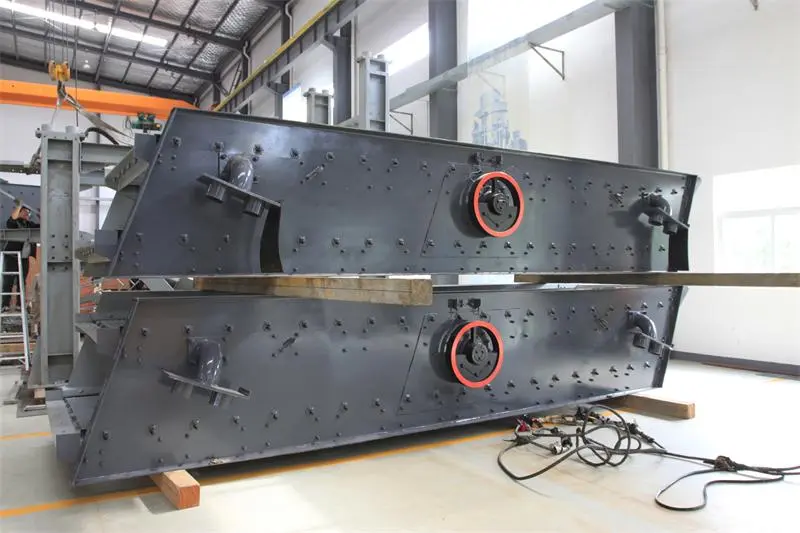
At the heart of every high-intensity vibrating feeder lies a carefully engineered vibration mechanism. Typically powered by electromagnetic or eccentric motor drives, these feeders generate controlled vibrations that propel materials forward in a precise, rhythmic manner. The key to their efficiency lies in the synchronization of vibration amplitude and frequency, which work in harmony to achieve optimal material flow characteristics.
Key Operational Principle:
The feeder converts rotational energy into linear vibration through an eccentric weight system, creating a controlled throwing motion that moves materials uniformly along the feeding trough. This mechanism allows for adjustable feed rates ranging from 5 to 500 tons per hour, depending on the model and application requirements.
.jpg)
The performance of a vibrating feeder is largely determined by two critical parameters: amplitude and frequency. Understanding how to adjust these parameters is essential for optimizing material flow and preventing common issues like clogging and uneven feeding.
Amplitude refers to the maximum displacement of the feeder trough during vibration, typically measured in millimeters. For marble processing applications, optimal amplitude settings usually range between 1.5mm and 5mm. Higher amplitudes are generally recommended for larger, more abrasive marble chunks, while finer materials require lower amplitudes to prevent segregation.
Frequency, measured in hertz (Hz), determines how many vibration cycles occur per second. Most industrial vibrating feeders operate within the 30-60Hz range. In marble processing, frequencies between 45-50Hz have proven most effective for achieving consistent material flow while minimizing dust generation and equipment wear.
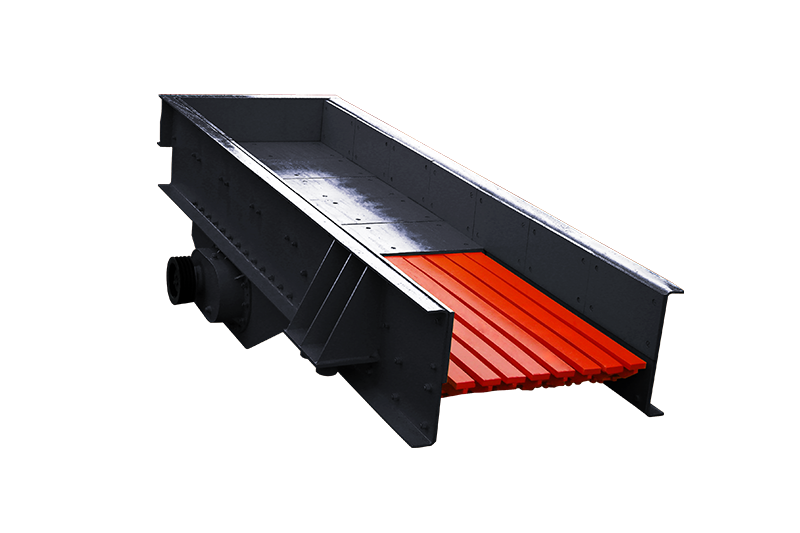
In marble processing facilities, high-intensity vibrating feeders play a crucial role in several key stages, from initial material handling to final product distribution. When properly configured, these feeders can increase production efficiency by up to 35% while reducing material waste by an average of 18%.
Case Study: Major Italian Marble Processor
A leading marble processing plant in Carrara, Italy, implemented 矿联 high-intensity vibrating feeders in their primary crushing line. Within three months, they reported:
To maximize the performance and lifespan of high-intensity vibrating feeders, implementing proper operational and maintenance protocols is essential. Regular maintenance can extend equipment life by 30-40% and reduce unplanned downtime significantly.
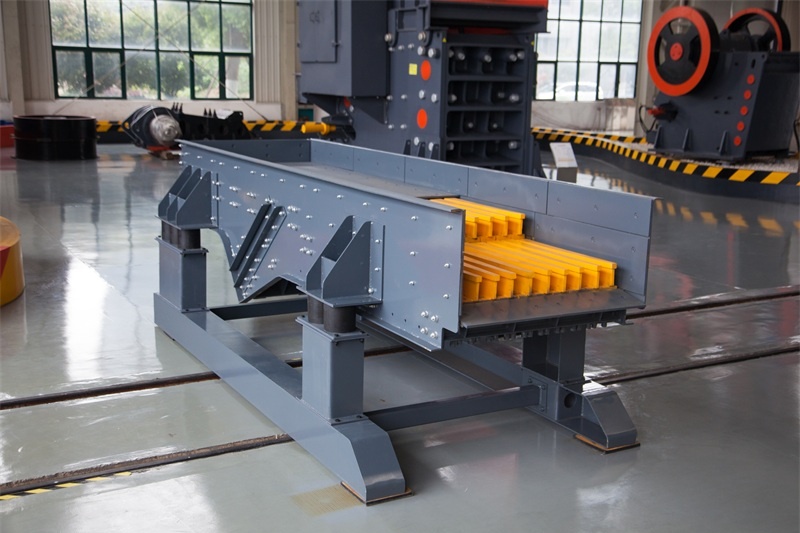
Q: What is the typical lifespan of a high-intensity vibrating feeder in marble processing?
A: With proper maintenance, most industrial-grade feeders can operate efficiently for 7-10 years. The trough liners, which experience the most wear, typically need replacement every 12-18 months in heavy-duty marble applications.
Q: How can I determine the optimal amplitude and frequency settings for my specific application?
A: The ideal settings depend on material characteristics, feed rate requirements, and downstream processing equipment. Most manufacturers provide a technical guide, but consulting with application engineers is recommended for optimal results.
Q: Can vibrating feeders handle wet or sticky marble materials?
A: Yes, with proper design modifications such as specialized trough liners and adjustable vibration parameters, high-intensity feeders can effectively handle wet or sticky materials, though capacity may be reduced by 10-15% in such conditions.
Ready to enhance your production efficiency, reduce downtime, and improve product quality? Our team of application specialists can help you select the perfect vibrating feeder solution tailored to your specific marble processing needs.
Get Your Custom 矿联 Vibrating Feeder AssessmentInvesting in the right material handling equipment is crucial for maintaining competitiveness in today's marble processing industry. High-intensity vibrating feeders offer a proven solution for optimizing material flow, reducing operational costs, and improving overall production efficiency. By understanding and properly implementing these advanced feeding systems, processing facilities can achieve significant improvements in both productivity and product quality.
 147
|
147
|
 crawler-driven mobile crushers
track mobile crusher applications
mining equipment selection
complex terrain crushing solutions
mining machinery mobility
194
|
intelligent gyratory crusher
Middle East basalt crushing
low operating cost crushing equipment
mine intelligent solution
heavy-duty frame crusher
274
|
crushing plant intelligent control system
stone crushing production line automation
remote monitoring for mining equipment
fault early warning for crushers
crushing process optimization
291
|
quarry crushing equipment efficiency evaluation
unit energy consumption analysis
hourly output stability testing
MTBF optimization
modular crushing equipment benefits
345
|
construction waste crushing
modular crushing equipment
SMP crushing solutions
green mining resource recycling
wear parts lifespan extension
crawler-driven mobile crushers
track mobile crusher applications
mining equipment selection
complex terrain crushing solutions
mining machinery mobility
194
|
intelligent gyratory crusher
Middle East basalt crushing
low operating cost crushing equipment
mine intelligent solution
heavy-duty frame crusher
274
|
crushing plant intelligent control system
stone crushing production line automation
remote monitoring for mining equipment
fault early warning for crushers
crushing process optimization
291
|
quarry crushing equipment efficiency evaluation
unit energy consumption analysis
hourly output stability testing
MTBF optimization
modular crushing equipment benefits
345
|
construction waste crushing
modular crushing equipment
SMP crushing solutions
green mining resource recycling
wear parts lifespan extension








 Facebook