
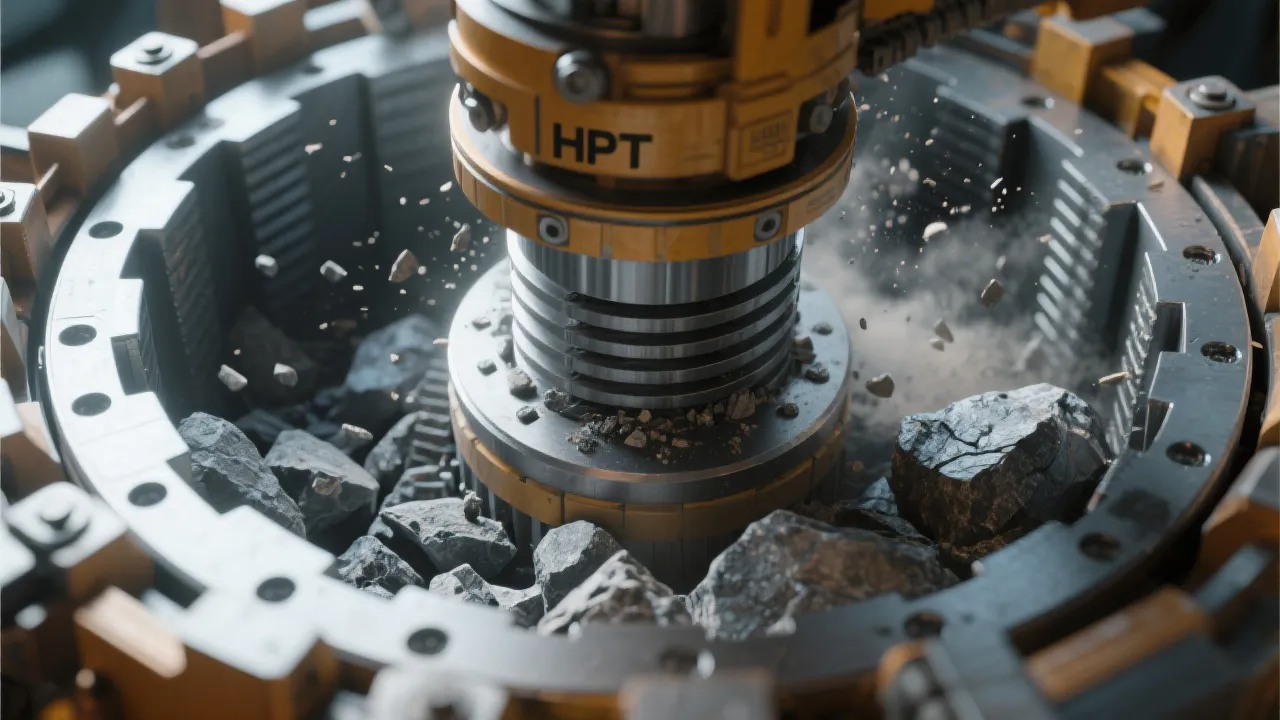
Dealing with construction waste containing high clay content poses significant challenges for quarry and building material enterprises. Inefficient processing can lead to equipment wear, production downtime, and suboptimal resource utilization. Understanding how to implement an optimized crushing workflow can greatly enhance productivity and ensure environmental compliance.
Increasing government emphasis on green mining and resource recycling has pushed the industry towards solutions that reduce landfill waste while maximizing material reuse. Regulations mandate stringent standards for environmentally responsible disposal and processing, urging operators to adopt technologies that lower emissions and improve recovery rates. Mining and construction firms must align their operations with these trends to stay competitive.
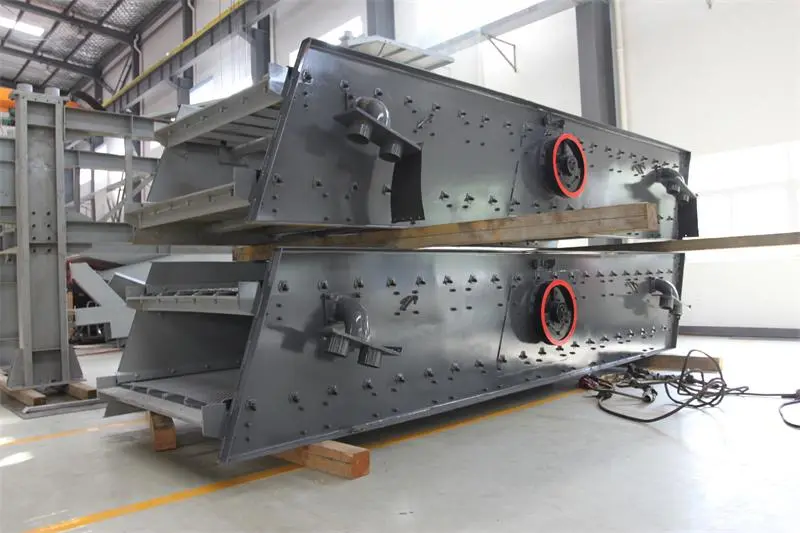
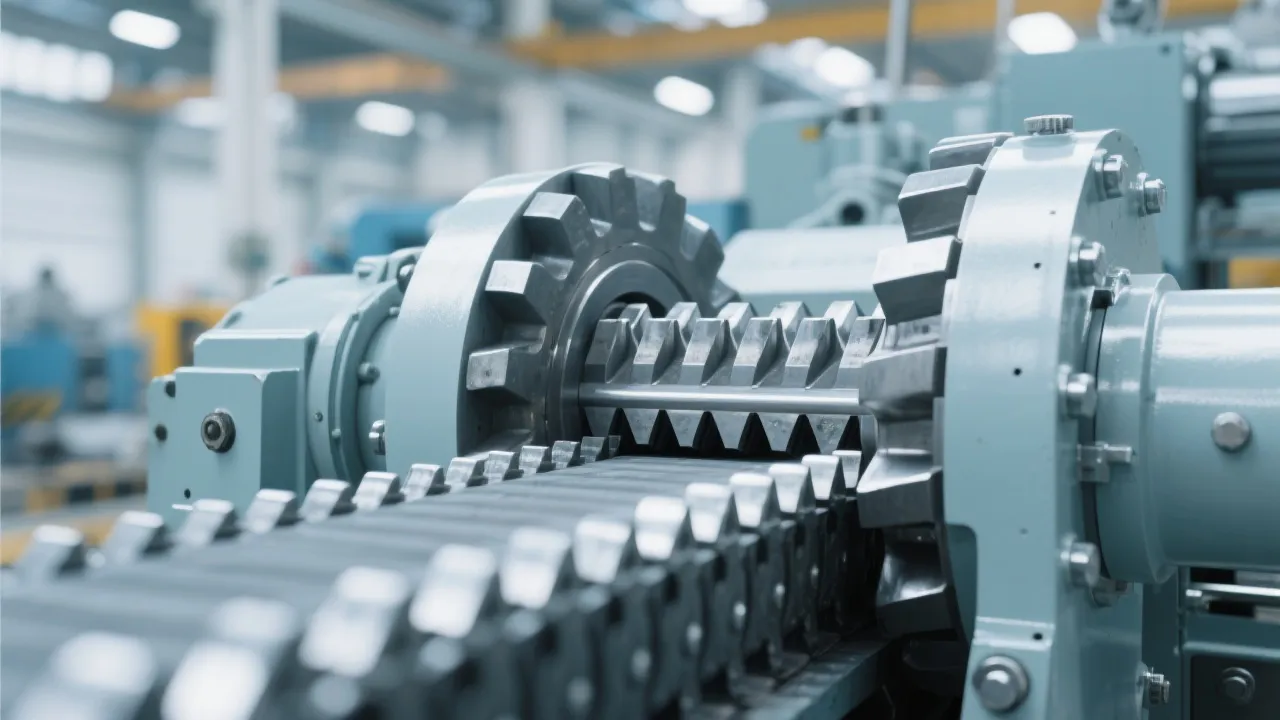
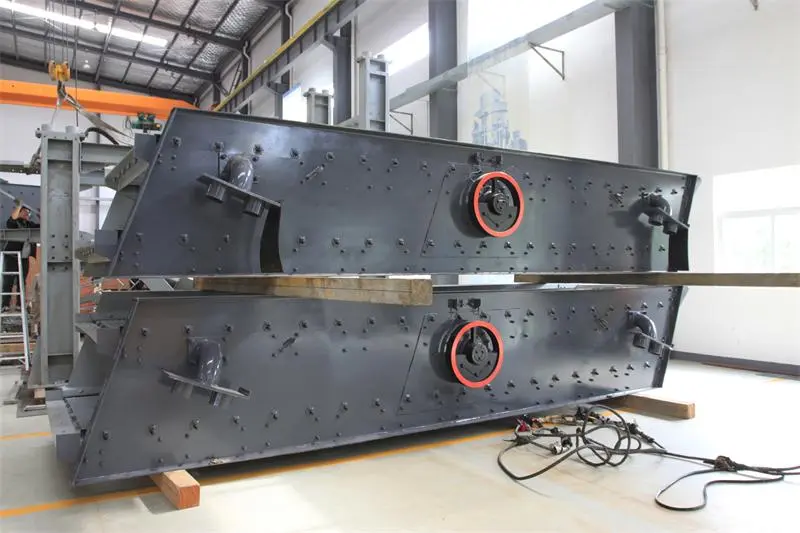
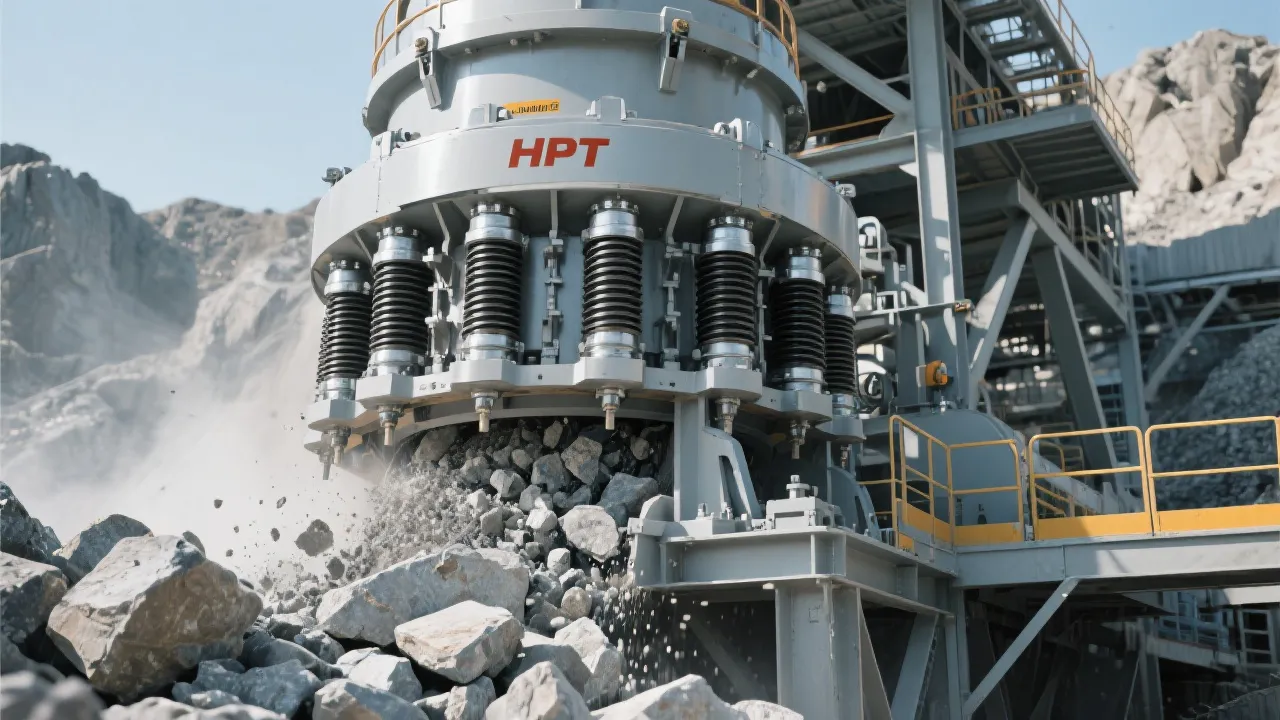
The crux to handling high clay-content construction waste lies in pre-screening and multi-stage crushing. Pre-screening serves to separate fines and clay-rich particles, reducing the abrasive and clogging effects on the crusher. Multi-stage crushing further refines the material, ensuring consistent granularity and better product quality.
This approach results in:
“Compliance with national green mining directives has accelerated adoption of modular crushing solutions, as reflected in enhanced waste reuse and operational cost savings.” – Industry Policy Overview 2023
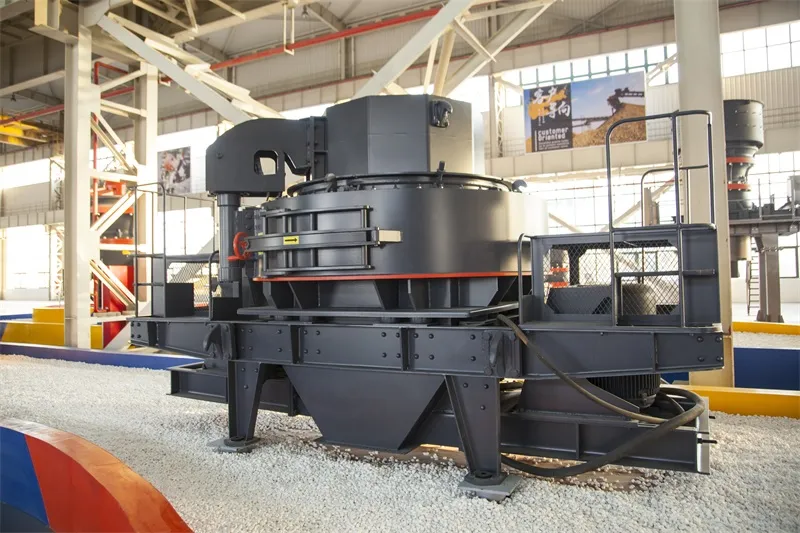
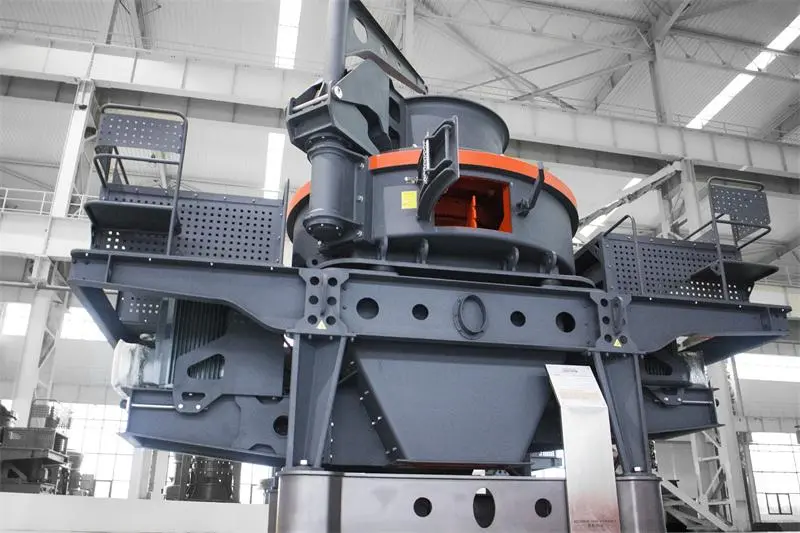
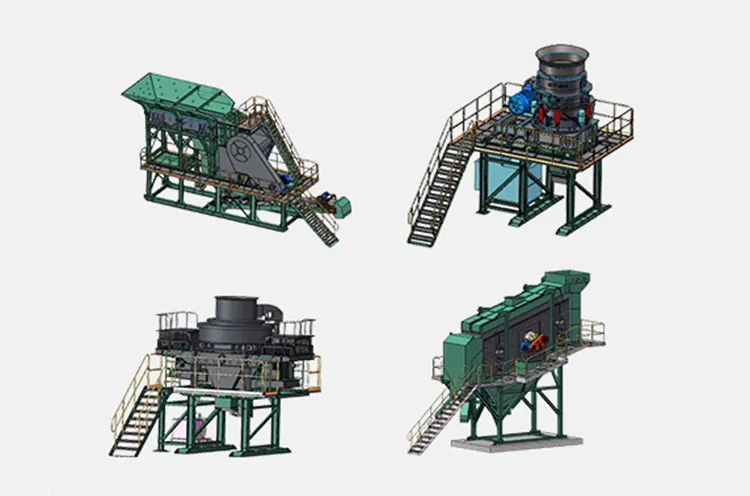
The “SMP Modular design” by Mineral Union brings unmatched adaptability to high clay-content waste processing. Using MP module assemblies, you can customize crushing lines to suit varying waste compositions—be it gravel, granite, or diverse construction debris.
Key benefits include:
This flexibility is critical when processing heterogeneous waste with fluctuating clay content, ensuring stable operations and higher yield.

Adjusting screening parameters like aperture size and vibration frequency tailors the process to reject clay-heavy fines effectively. This reduces clogging and promotes stable feed into crushers.
Maintenance strategies focusing on wear-resistant materials in critical components—such as manganese steel liners and carbide overlay wear plates—can extend lifespans by up to 25%. Implementing predictive maintenance powered by automation monitoring enables proactive part replacement, decreasing unexpected downtime.

Modern automation systems integrated into SMP crushers monitor feed rates, crusher pressure, and motor load in real-time. These systems adjust operation dynamically to maintain optimal throughput while protecting equipment.
Benefits include:
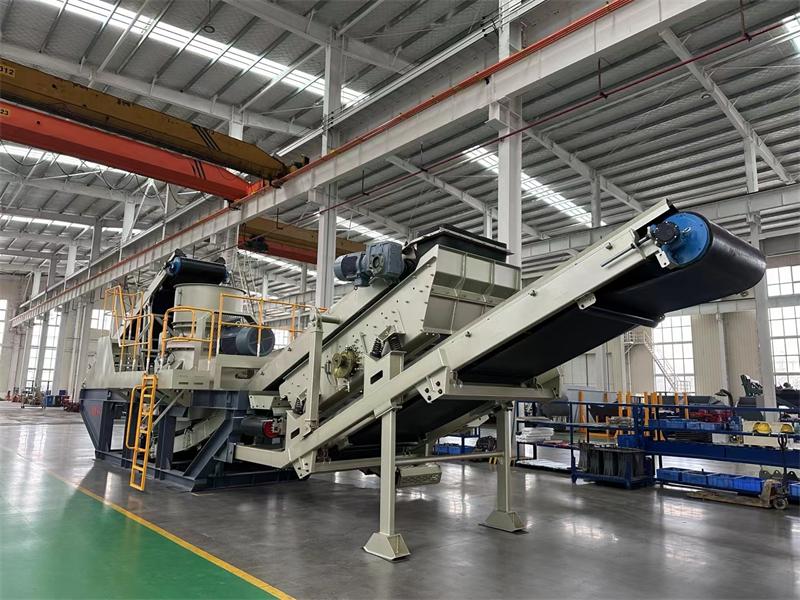
In multiple projects across 137 countries, Mineral Union’s 30+ years of experience demonstrate an average 30%-40% boost in construction waste utilization rates post-SMP module deployment. Clients report:
This robust evidence endorses SMP modular crushing technology as an essential upgrade for forward-thinking quarries and building material enterprises.
 442
|
442
|
 pebble crusher selection guide
multi-cylinder hydraulic cone crusher
reduction ratio optimization
particle size control
HPT cone crusher
248
|
HPT multi-cylinder hydraulic cone crusher
intelligent hydraulic lubrication system
PLC real-time monitoring
cone crusher failure reduction
mining crushing maintenance optimization
432
|
single-cylinder hydraulic cone crusher
ore crushing equipment selection
crusher chamber design optimization
cone crusher eccentric throw adjustment
mining crushing circuit optimization
71
|
multi-cylinder hydraulic cone crusher
pebble crushing process
reduction ratio improvement
finished particle size stability
PLC hydraulic lubrication system
249
|
Y-type vibrating screen
excitation force design
fine particle separation
mining screening optimization
Zhengzhou mining area screening
pebble crusher selection guide
multi-cylinder hydraulic cone crusher
reduction ratio optimization
particle size control
HPT cone crusher
248
|
HPT multi-cylinder hydraulic cone crusher
intelligent hydraulic lubrication system
PLC real-time monitoring
cone crusher failure reduction
mining crushing maintenance optimization
432
|
single-cylinder hydraulic cone crusher
ore crushing equipment selection
crusher chamber design optimization
cone crusher eccentric throw adjustment
mining crushing circuit optimization
71
|
multi-cylinder hydraulic cone crusher
pebble crushing process
reduction ratio improvement
finished particle size stability
PLC hydraulic lubrication system
249
|
Y-type vibrating screen
excitation force design
fine particle separation
mining screening optimization
Zhengzhou mining area screening







.jpg?x-oss-process=image/resize,m_fill,h_800,w_800/format,webp)


 Facebook