
Construction waste with high rebar content—often exceeding 15% in urban demolition projects—is one of the most challenging materials for recycling plants. If not properly handled, it leads to excessive wear on crushing equipment, poor particle shape, and inefficient throughput. The PF-1315 impact crusher has emerged as a proven solution, especially when paired with smart pre-processing strategies and precise screening configurations.
Many operators assume that simply feeding raw concrete blocks into an impact crusher will yield clean aggregates. But in reality, unprocessed material containing >10% steel reinforcement causes premature liner wear (up to 3x faster than clean concrete), inconsistent product gradation, and frequent machine downtime. According to field data from 20+ plants across Southeast Asia and Europe, improper handling results in an average of 18% lower productivity per shift.
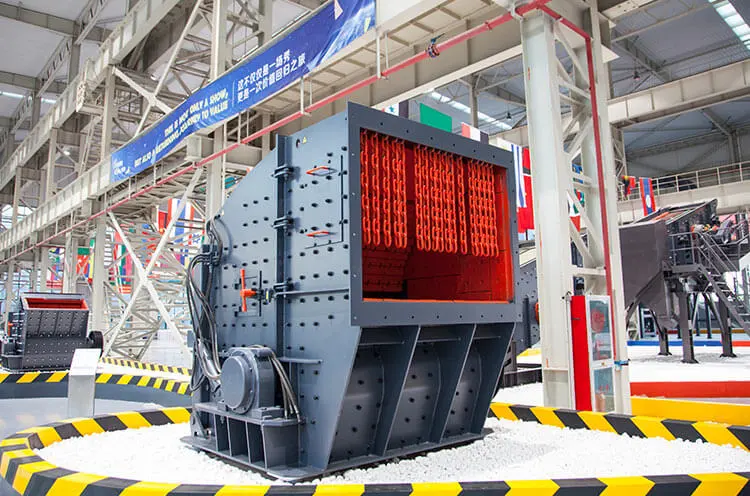
The PF-1315 uses digitally controlled machining to achieve tolerances within ±0.2mm—a key factor in reducing vibration-induced wear. Its heavy-duty rotor design, combined with optimized blow bars made from high-chromium cast iron, allows it to handle up to 25 tons/hour of mixed construction debris while maintaining consistent output quality. In a case study at a facility in Dubai, this setup reduced maintenance intervals from monthly to quarterly, saving over $4,000 per month in labor and parts.
1. Feed Size Control: Keep input size under 300mm. Larger chunks increase stress on the rotor and cause uneven breakage. Use a jaw crusher or hammer mill as a primary stage if needed.
2. Rotational Speed Adjustment: For rebar-rich material, run the PF-1315 at 75–80% of max RPM (typically 1,200–1,400 RPM). This balances energy efficiency with effective fragmentation without overloading the motor.
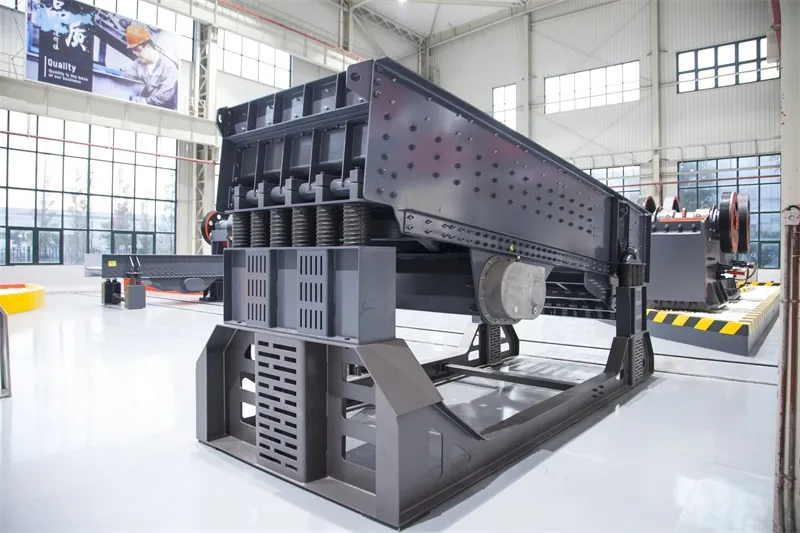
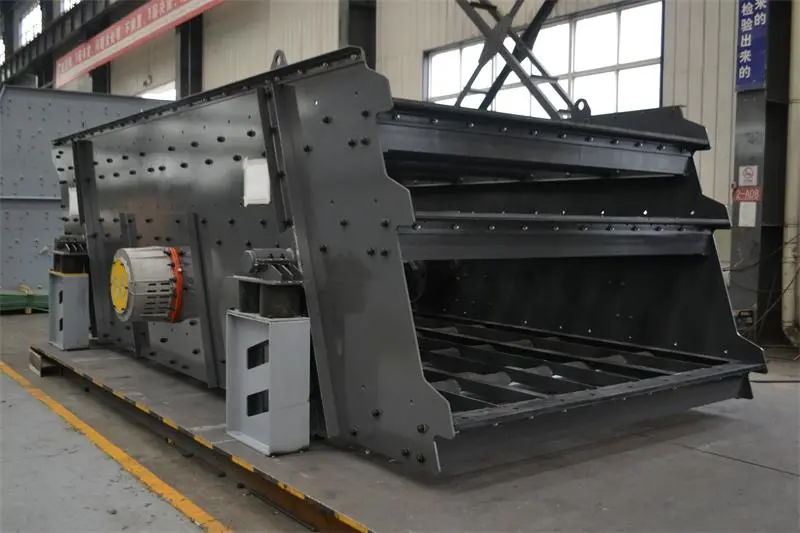
3. Sieve Configuration: Install a 20mm vibrating screen before the impact chamber to remove fines and small rebar pieces. After crushing, use a secondary 10mm screen to separate sand from coarse aggregate. This two-stage approach improves product uniformity by up to 40%, according to test results from a German recycling plant.
Operators often overlook these pitfalls:
A municipal waste processing center in Malaysia implemented the above configuration and saw a 27% increase in daily output after three weeks of optimization. They also cut their annual spare parts cost by nearly 30%. Their engineers now share best practices during regional industry webinars—an example of how technical knowledge can drive both operational excellence and brand credibility.
Monitor vibration levels hourly via built-in sensors—if they exceed 4 mm/s, stop the machine immediately. Also, inspect blow bars every 50 hours of operation. And remember: regular cleaning of the discharge chute prevents blockages that reduce throughput by up to 15%.
Download our free PDF guide: “Impact Crusher Optimization Checklist for High-Rebar Construction Waste” — includes step-by-step diagrams, maintenance logs, and real-world metrics from 12 global installations.
Get Your Free Guide Now 379
|
379
|
 Jaw crusher efficiency
Crushing chamber design optimization
Ore crushing technology
PEW jaw crusher
Construction waste recycling crusher
488
|
PE jaw crusher application tips
metal ore crushing mistakes
jaw crusher discharge setting
crusher technology analysis
mining equipment usage guide
140
|
VSI6X sand making machine
new sand-making power tool
service life extension technology
high-efficiency energy-saving sand maker
sand making equipment features
73
|
Non-metallic mineral crushing equipment
PEW jaw crusher
Cooperation between cone crusher and vibrating screen
Crushing process flow
Collaborative operation of mining equipment
164
|
jaw crusher optimization
primary-secondary crushing system
ore recovery rate improvement
metal ore processing efficiency
crushing circuit design
Jaw crusher efficiency
Crushing chamber design optimization
Ore crushing technology
PEW jaw crusher
Construction waste recycling crusher
488
|
PE jaw crusher application tips
metal ore crushing mistakes
jaw crusher discharge setting
crusher technology analysis
mining equipment usage guide
140
|
VSI6X sand making machine
new sand-making power tool
service life extension technology
high-efficiency energy-saving sand maker
sand making equipment features
73
|
Non-metallic mineral crushing equipment
PEW jaw crusher
Cooperation between cone crusher and vibrating screen
Crushing process flow
Collaborative operation of mining equipment
164
|
jaw crusher optimization
primary-secondary crushing system
ore recovery rate improvement
metal ore processing efficiency
crushing circuit design


.jpg?x-oss-process=image/resize,h_800,m_lfit/format,webp)









 Facebook