
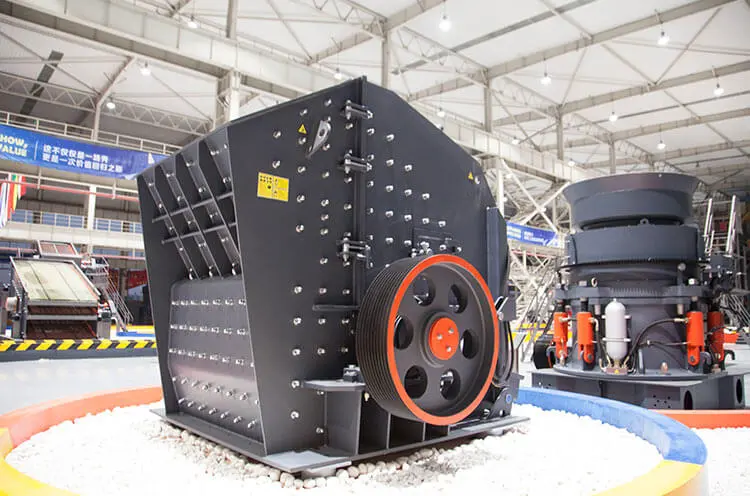
In the context of construction waste recycling, the high clay content in construction waste presents unique challenges for impact crushers. This article delves into the typical faults and their causes of the PF - 1315 impact crusher under such special working conditions, with a focus on key issues like excessive vibration, uneven liner wear, and overheating bearings.
Vibration is a common problem in impact crushers. According to industry research, about 30% of crusher malfunctions are related to abnormal vibration. In the case of high - clay - content construction waste, the uneven distribution of materials can cause unbalanced forces on the crusher rotor, leading to vibration. For example, in a construction waste recycling project in a large city, the PF - 1315 crusher experienced significant vibration due to the high clay content, which affected the overall operation efficiency and even caused damage to some components.
Liner wear is another critical issue. The high - hardness and high - clay - content construction waste can cause uneven wear on the liners. Statistics show that the liner replacement frequency of crushers dealing with high - clay - content waste is about 20% higher than those handling normal construction waste. The clay can adhere to the liners, accelerating the wear process and reducing the service life of the liners.
Bearing overheating is also a headache for operators. High - intensity operation and the influence of high - clay - content materials can lead to increased friction in the bearings. In some cases, the bearing temperature can rise to over 80°C, which is well above the normal operating temperature range of 40 - 60°C. This overheating can cause bearing damage and even lead to the shutdown of the entire crusher.
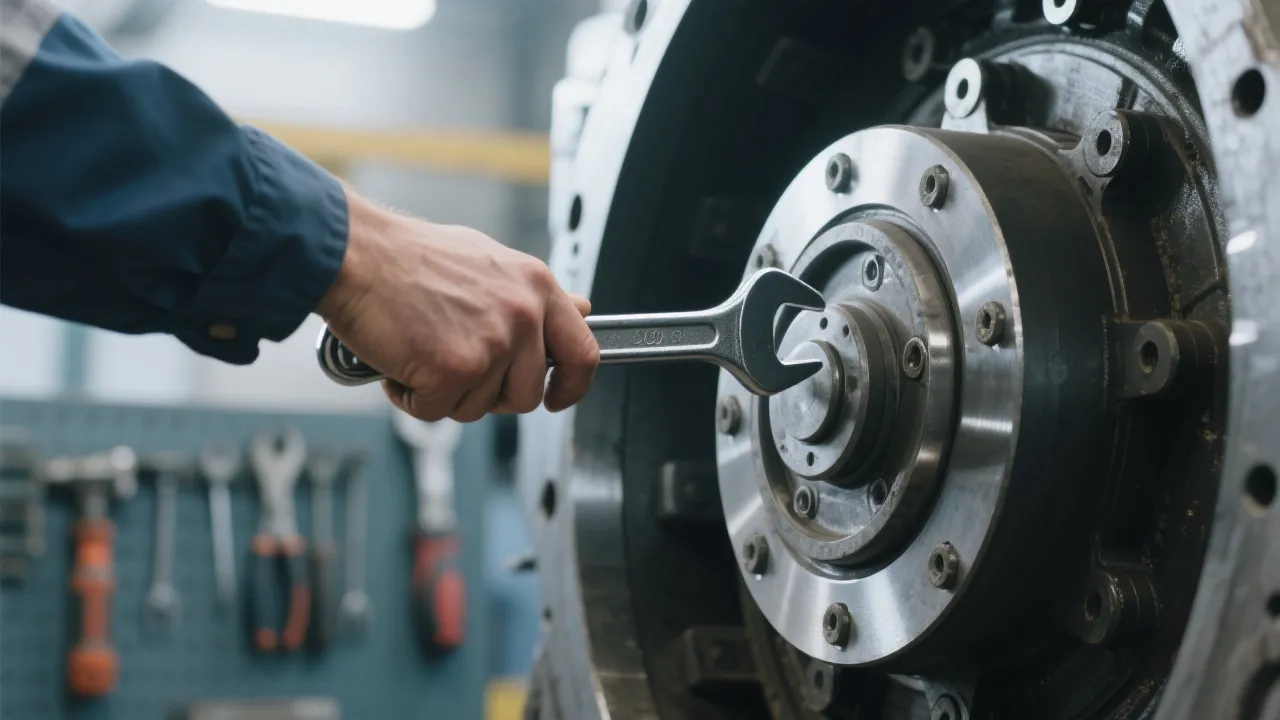
Based on thirty years of industry experience from Zhengzhou Kuanglian Machinery, a systematic maintenance and inspection system is crucial. Regular点检 (equipment inspection) can help detect potential problems early. For example, a daily inspection can check the tightness of bolts, the lubrication of bearings, and the wear of liners. A monthly inspection can include more in - depth checks such as the alignment of the rotor and the condition of the electrical system.
The application of high - precision digital machining technology in parts manufacturing can significantly reduce stress concentration. By using advanced machining techniques, the accuracy of parts can be improved to within ±0.01mm, which helps to ensure the stable operation of the crusher and extends its service life. For instance, a construction waste recycling plant that adopted high - precision digital - machined parts for its PF - 1315 crusher reported a 15% increase in equipment service life.
A special maintenance plan should be designed for high - clay - content construction waste. This includes regular cleaning of the crusher to remove the adhered clay. A cleaning cycle of once a week can effectively prevent the accumulation of clay, which can reduce the wear of components and improve the overall performance of the crusher. Additionally, using special lubricants that can resist the influence of clay can also help to maintain the normal operation of the bearings.
In conclusion, by understanding the typical faults and their causes, and implementing a systematic maintenance strategy, operators can effectively prevent equipment failures, extend the service life of the PF - 1315 impact crusher, and ensure the continuous and stable operation of construction waste recycling projects. If you want to learn more about the maintenance of impact crushers, download our "Impact Crusher Daily Maintenance Manual" and book a free technical consultation today!
 498
|
498
|
 impact crusher screen gap adjustment
high moisture ore crushing
crushing equipment configuration
mineral physical properties analysis
efficient crusher application
69
|
Jaw crusher
Metal ore crushing
Co - operation of coarse and medium crushing
Feed particle size control
Modular crushing system
185
|
PE jaw crusher application
metal ore primary crushing
jaw crusher discharge setting optimization
mining equipment maintenance strategies
crushing plant efficiency improvement
204
|
jaw crusher feed size matching
metal ore jaw crusher selection
hard ore crushing efficiency
large particle ore feeding risks
PE jaw crusher customization
320
|
VSI6X Sand Maker
efficient sand-making equipment
cost-effective sand production
diverse material crushing
sand shaping equipment
impact crusher screen gap adjustment
high moisture ore crushing
crushing equipment configuration
mineral physical properties analysis
efficient crusher application
69
|
Jaw crusher
Metal ore crushing
Co - operation of coarse and medium crushing
Feed particle size control
Modular crushing system
185
|
PE jaw crusher application
metal ore primary crushing
jaw crusher discharge setting optimization
mining equipment maintenance strategies
crushing plant efficiency improvement
204
|
jaw crusher feed size matching
metal ore jaw crusher selection
hard ore crushing efficiency
large particle ore feeding risks
PE jaw crusher customization
320
|
VSI6X Sand Maker
efficient sand-making equipment
cost-effective sand production
diverse material crushing
sand shaping equipment


.jpg?x-oss-process=image/resize,h_800,m_lfit/format,webp)

.jpg?x-oss-process=image/resize,h_800,m_lfit/format,webp)
.jpg?x-oss-process=image/resize,h_800,m_lfit/format,webp)
.jpg?x-oss-process=image/resize,h_800,m_lfit/format,webp)



.jpg?x-oss-process=image/resize,m_fill,h_800,w_800/format,webp)




 Facebook