
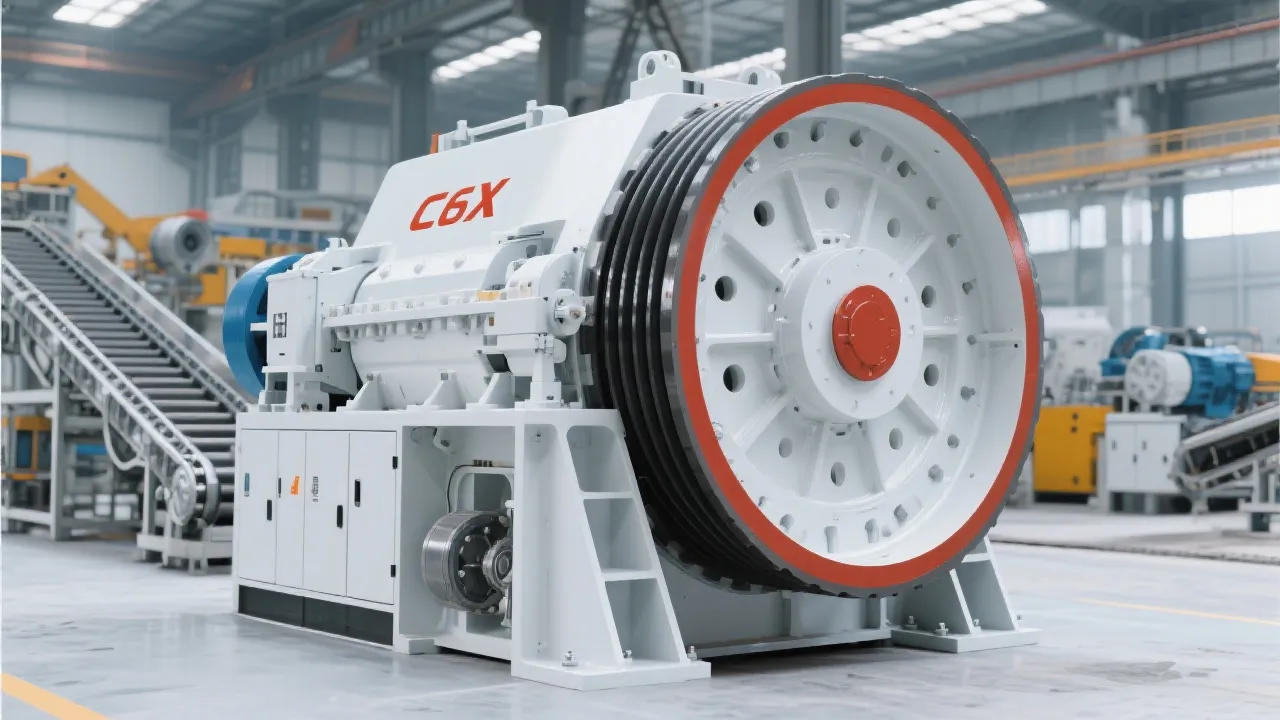
.jpg?x-oss-process=image/resize,h_1000,m_lfit/format,webp)
In mining and aggregate industries, maximizing efficiency while reducing downtime is paramount. The hydraulic cone crusher, a vital piece of crushing equipment, stands out by leveraging eccentric motion to process ore efficiently with enhanced stability. This article delves deep into the working principles of hydraulic cone crushers, revealing how the integration of mechanical, hydraulic, and intelligent controls drives performance improvements that deliver superior product quality and lower maintenance costs.
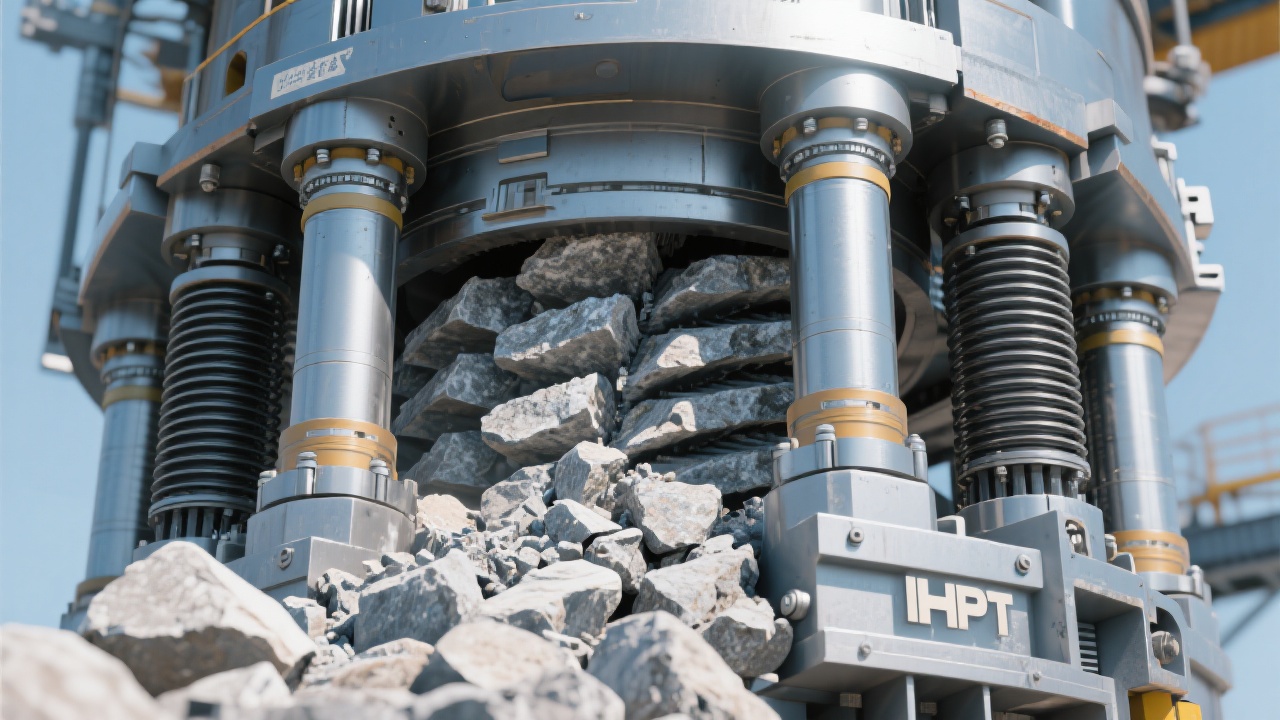
At the heart of the hydraulic cone crusher is an eccentric shaft that imparts a gyrating motion to the crusher's concave and mantle surfaces. Unlike jaw crushers that rely on compression, this eccentric motion oscillates the mantle inside the cone-shaped chamber, causing ore to be squeezed and broken progressively as it travels downward.
This motion balances force and speed, enhancing fracture of tough materials such as granite, basalt, and iron ore with minimized wear. Typical eccentric speeds range from 60 to 90 RPM, optimized according to the ore hardness and desired output size. The crusher’s design enables continuous feeding and high throughput, often reaching capacity increases of 10%-20% compared to conventional gyratory crushers.
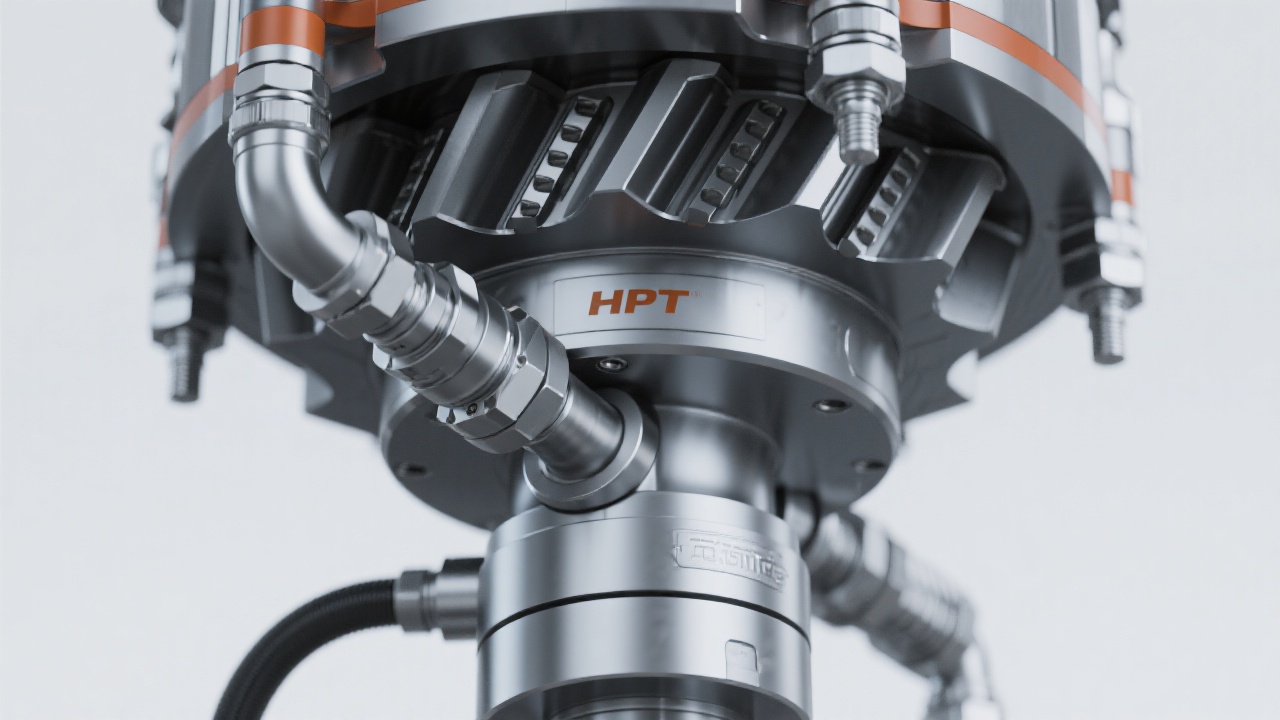
Modern hydraulic cone crushers incorporate sophisticated hydraulic systems that regulate the crusher’s stroke, adjust the discharge setting, and provide overload protection. The hydraulic system continuously compensates for wear by adjusting the eccentric motion’s amplitude and the crusher gap, maintaining consistent product size without manual intervention.
This active control system enhances operational stability, reduces risk of mechanical failure, and enables quick clearing of uncrushable material through hydraulic tramp-release functions. Industry data indicate such hydraulic integration reduces unplanned downtime by up to 30%, directly improving overall equipment effectiveness (OEE).
Crushing chamber design, eccentric throw, and stroke length are critical parameters to optimize. The gyratory movement amplitude, or eccentric throw, generally falls between 16 to 38 mm, influencing the size of the crushing cavity and interaction intensity between mantle and concave. Larger throws enhance capacity but may increase fines proportion, while smaller throws create finer products but limit throughput.
Additionally, the crusher’s geometry, including the cavity shape and crushing angle, affects particle size distribution (PSD) and shape. Modern crushers utilize multi-zone crushing cavities tailored for specific ore types—coarse crushing requires a more open cavity, whereas fine crushing demands tighter clearances.
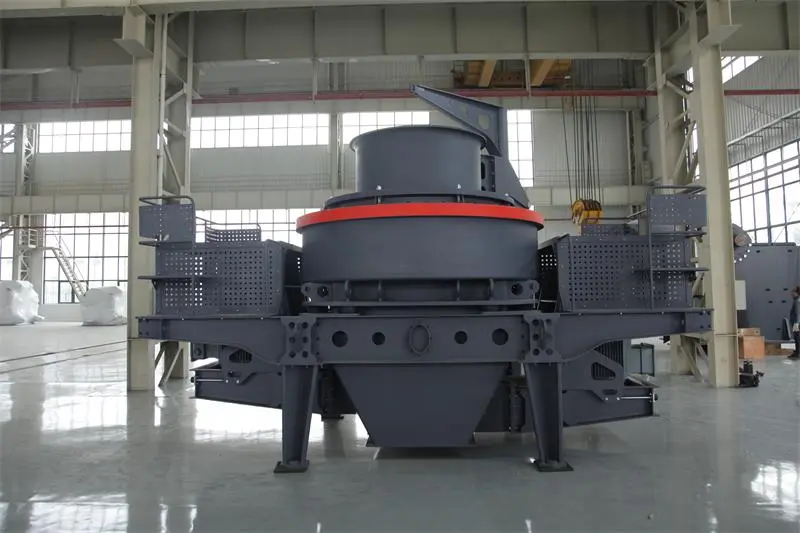
.jpg)
A Chinese mining operation recently upgraded their hydraulic cone crusher setup by refining the eccentric throw from 25 mm to 30 mm and employing hydraulic automation for discharge setting control. Over six months, throughput rose by 15%, energy consumption dropped by 7%, and average crusher availability exceeded 92%. Moreover, product particle shapes improved, resulting in higher downstream grinding efficiency.
These results underscore how controlled eccentric motion and hydraulic adjustments directly translate to better crushing performance and economic benefits—especially when combined with regular preventive maintenance guided by sensor-based condition monitoring.
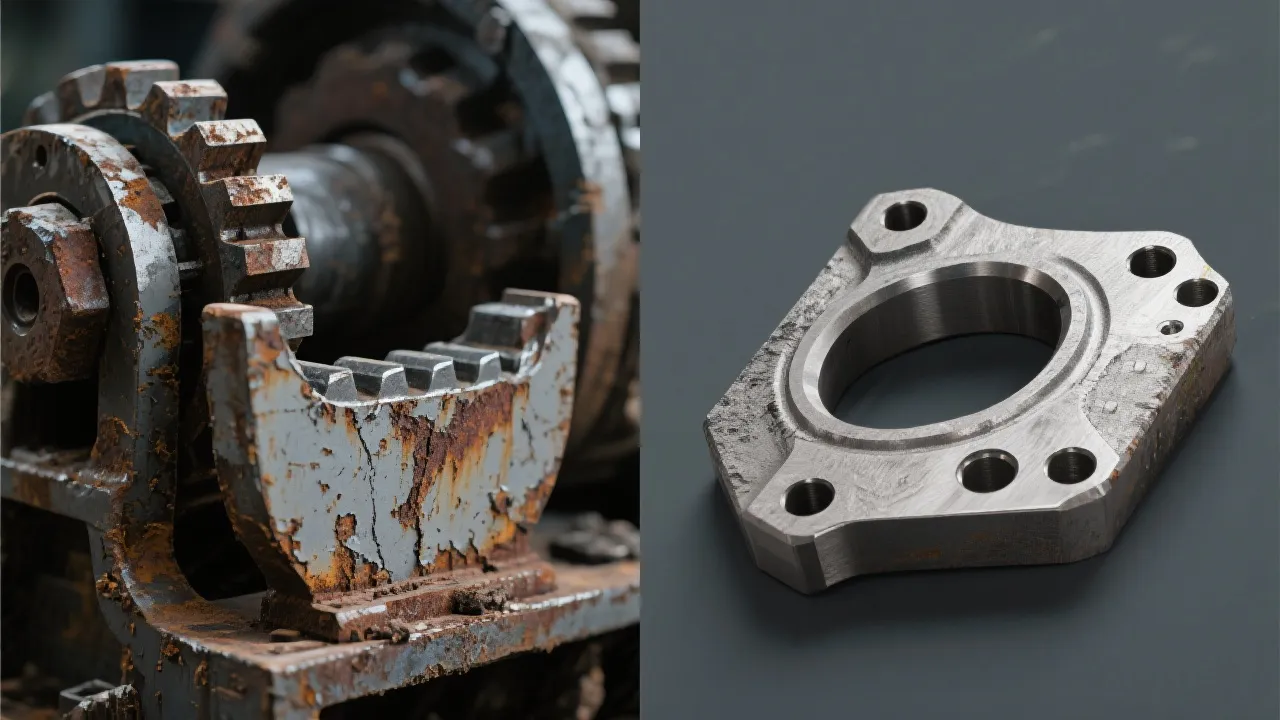
Ensuring long-term reliable operation of hydraulic cone crushers involves proactive maintenance strategies:
Industry best practices recommend scheduled maintenance every 1,000 operational hours and continuous condition-based monitoring using sensors for vibration and temperature. This approach can reduce maintenance costs by up to 20% while extending component lifetime.
Investing in a high-performance hydraulic cone crusher is more than just equipment acquisition—it’s a strategic decision impacting operational efficiency and total cost of ownership. Optimizing eccentric motion parameters combined with advanced hydraulic control systems ensures:
These technological advantages translate into compelling long-term return on investment (ROI), making hydraulic cone crushers an attractive choice for mining operations prioritizing quality and efficiency.
 343
|
343
|
 Construction waste crushing equipment selection
Impact crusher
High-wear-resistant material
Recycled aggregate shape control
Equipment parameter matching
152
|
jaw crusher impact crusher combination
metal ore crushing efficiency
energy saving in mining
coarse to medium crushing
optimized crusher configuration
164
|
jaw crusher optimization
primary-secondary crushing system
ore recovery rate improvement
metal ore processing efficiency
crushing circuit design
415
|
jaw crusher efficiency
crushing cavity optimization
ore hardness crushing
PEW jaw crusher
construction waste recycling equipment
297
|
["high output jaw crusher"
"aggregate plant efficiency"
"C6X jaw crusher application"
"rock crushing technology"
"jaw crusher maintenance tips"]
Construction waste crushing equipment selection
Impact crusher
High-wear-resistant material
Recycled aggregate shape control
Equipment parameter matching
152
|
jaw crusher impact crusher combination
metal ore crushing efficiency
energy saving in mining
coarse to medium crushing
optimized crusher configuration
164
|
jaw crusher optimization
primary-secondary crushing system
ore recovery rate improvement
metal ore processing efficiency
crushing circuit design
415
|
jaw crusher efficiency
crushing cavity optimization
ore hardness crushing
PEW jaw crusher
construction waste recycling equipment
297
|
["high output jaw crusher"
"aggregate plant efficiency"
"C6X jaw crusher application"
"rock crushing technology"
"jaw crusher maintenance tips"]



.jpg?x-oss-process=image/resize,m_fill,h_800,w_800/format,webp)


.jpg?x-oss-process=image/resize,h_800,m_lfit/format,webp)





 Facebook