
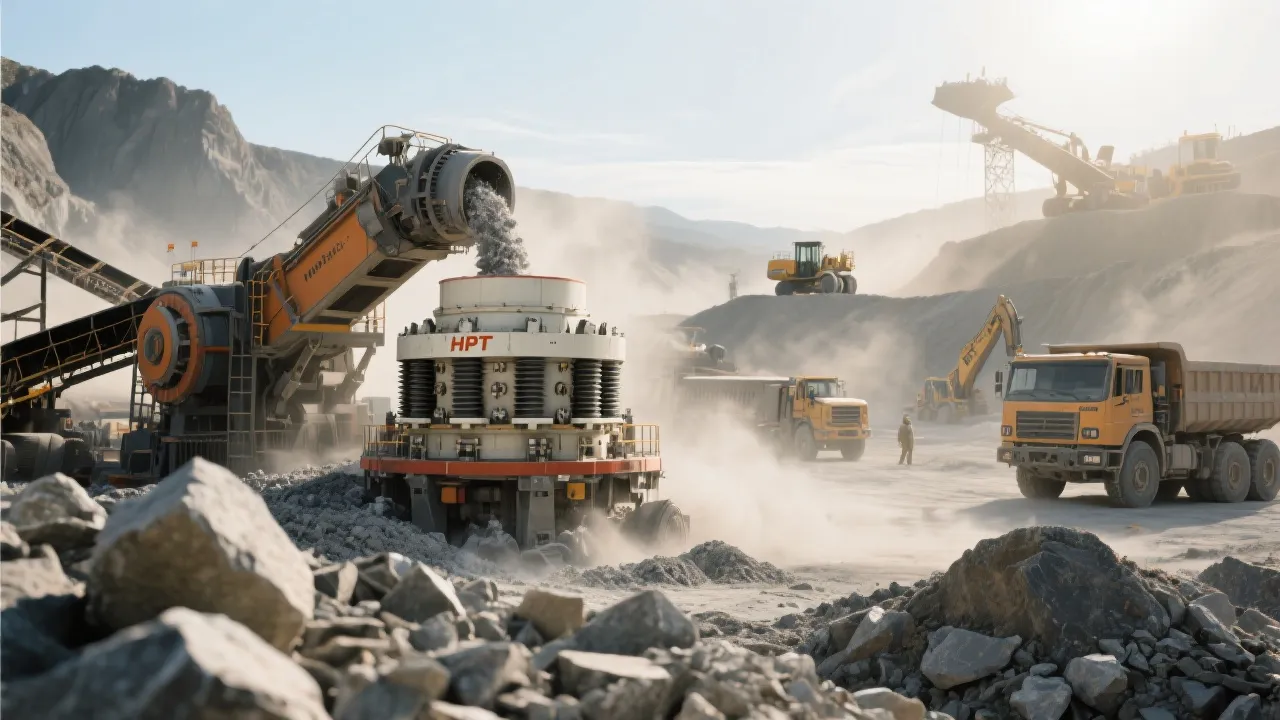
Efficient maintenance of hydraulic cone crushers, particularly the HST single-cylinder models, is crucial to ensure operational stability and longevity in mining applications. This guide delves into the core modules—hydraulic system, mechanical wear monitoring, and intelligent control systems—offering actionable steps grounded in real-life scenarios and current industry safety standards.
The hydraulic system of a cone crusher, pivotal for performance, often encounters faults due to seal degradation and oil contamination. Seal failure typically accounts for 60-70% of hydraulic system issues. To mitigate these risks, routine inspections every 500 hours are recommended, focusing on the integrity of O-rings, valves, and piston seals.
Hydraulic oil contamination accelerates wear and system damage. Therefore, maintaining oil cleanliness by implementing ISO 4406 standards, keeping particulate levels below 18/16/13, significantly reduces downtime. Regular sampling and laboratory testing of oil can preempt failures.

Wear patterns of key mechanical parts like bowl bearings and eccentric sleeves heavily influence crusher reliability. Studies indicate that abrasive and fatigue wear contribute to over 80% of mechanical failures in these components.
Employing vibration analysis enables predictive maintenance by identifying wear before catastrophic failure. Frequency spectrum analysis helps differentiate between bearing defects and misalignment, guiding timely interventions.
| Component | Average Wear Cycle (hrs) | Recommended Inspection Frequency | Key Detection Method |
|---|---|---|---|
| Bowl Bearing | 1500-2000 | Every 300 hrs | Vibration Spectrum Analysis |
| Eccentric Sleeve | 1200-1800 | Every 250 hrs | Visual & Ultrasonic Testing |
Modern cone crushers integrate intelligent control systems equipped with sensors monitoring temperature, pressure, and current load in real-time. This network facilitates early warning alerts when parameter deviations exceed preset thresholds, reducing reactive maintenance by up to 40%.
For example, temperature sensors positioned on bearings can detect overheating trends before damage ensues. Pressure sensors ensure hydraulic valves function within safety margins, preventing accidental overloads.
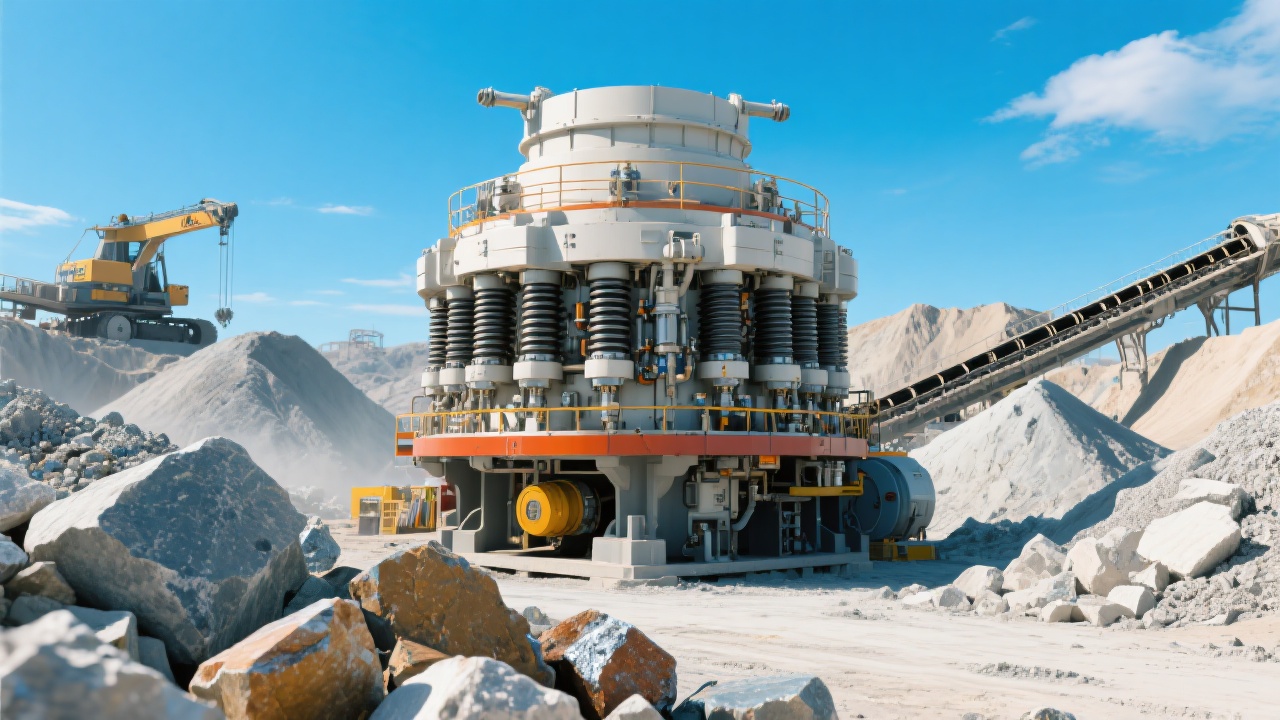
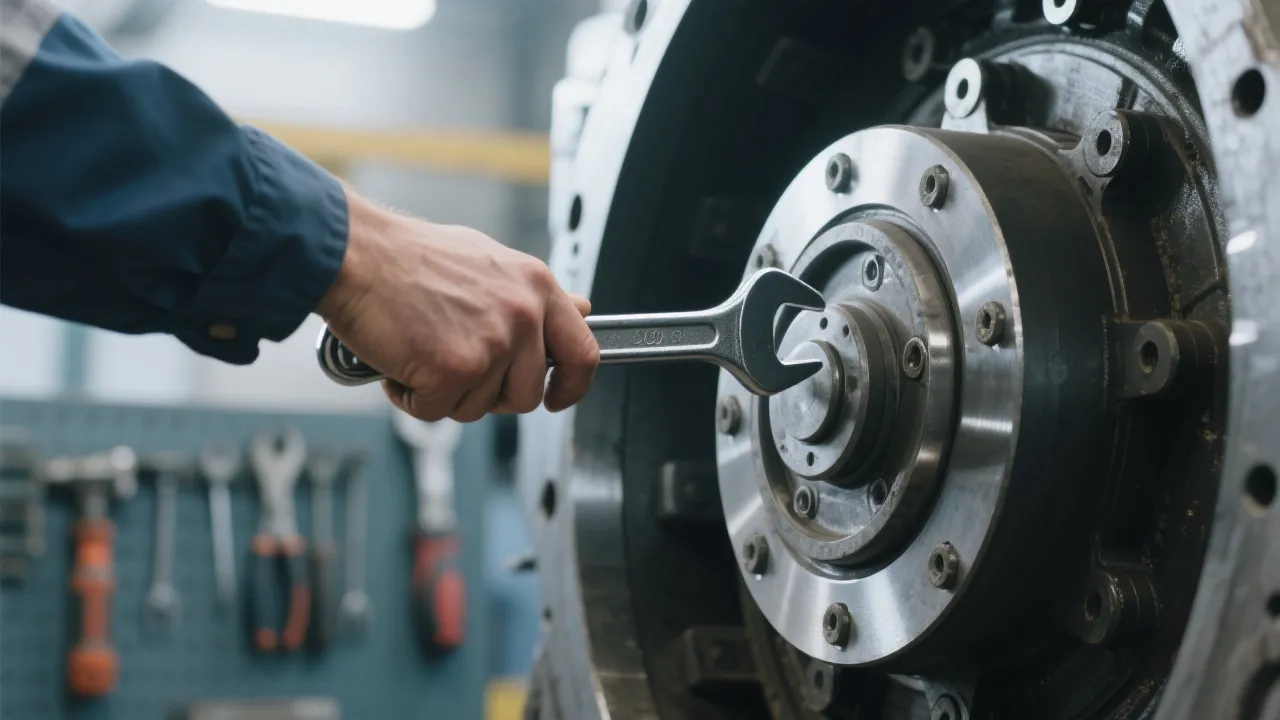
Operating in remote locations imposes logistical challenges on maintenance. Simplifying toolkits to essential diagnostic devices, coupled with remote assistance via IoT platforms, bridges these constraints effectively.
Fast access to critical spare parts is enabled through strategically located warehouses or vendor partnerships. Remote diagnostic reports empower onsite technicians to execute repairs promptly, minimizing downtime and associated costs by 25-30%.
Industry experts advocate for a scientifically driven maintenance protocol. One multinational mining company recorded a 35% increase in HST crusher uptime after implementing vibration-based predictive maintenance and adopting oil cleanliness monitoring.
Such improvements translate to prolonged equipment lifecycle, enhanced safety standards, and optimized return on investment.
Does your equipment undergo regular hydraulic oil quality inspections to prevent unforeseen system failures?
 302
|
302
|
 impact crusher rotor optimization
rotor parameter configuration
crushing efficiency improvement
mining equipment performance
unit capacity increase
438
|
aggregate plant crusher selection
C6X jaw crusher
high-efficiency crusher technology
jaw crusher application tutorial
aggregate production line optimization
258
|
VSI6X
sand making machine
sand production solutions
patented technology
efficiency
reliability
374
|
impact crusher hammer life extension
high humidity ore processing
sealing technology for crushers
material selection for wear resistance
intelligent lubrication system
450
|
PEW jaw crusher
non - metallic mineral crushing process
crushing equipment selection
on - site debugging techniques
process bottleneck breakthrough
impact crusher rotor optimization
rotor parameter configuration
crushing efficiency improvement
mining equipment performance
unit capacity increase
438
|
aggregate plant crusher selection
C6X jaw crusher
high-efficiency crusher technology
jaw crusher application tutorial
aggregate production line optimization
258
|
VSI6X
sand making machine
sand production solutions
patented technology
efficiency
reliability
374
|
impact crusher hammer life extension
high humidity ore processing
sealing technology for crushers
material selection for wear resistance
intelligent lubrication system
450
|
PEW jaw crusher
non - metallic mineral crushing process
crushing equipment selection
on - site debugging techniques
process bottleneck breakthrough




.jpg?x-oss-process=image/resize,m_fill,h_800,w_800/format,webp)




.jpg?x-oss-process=image/resize,h_800,m_lfit/format,webp)



 Facebook