
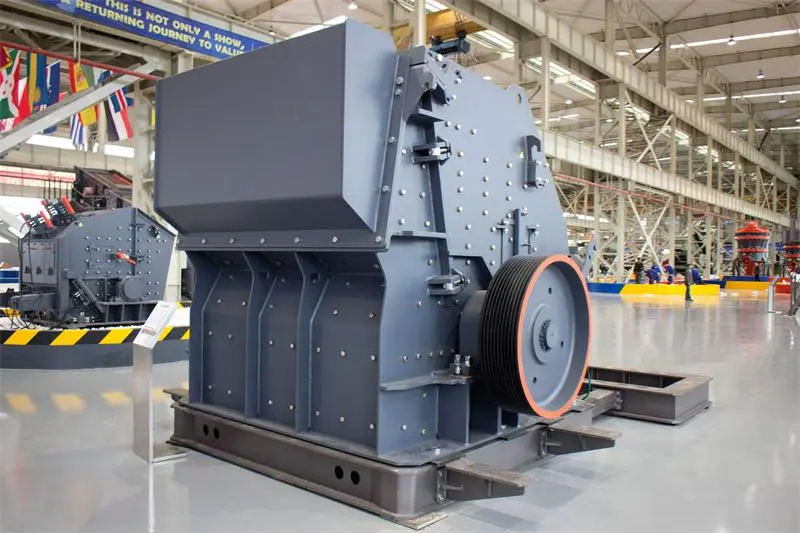
When it comes to processing construction waste—especially for high-volume recycling projects—equipment selection isn’t just about upfront cost. It’s about long-term operational efficiency, consistency in product quality, and minimizing downtime. In a recent case study from a municipal waste-to-resource facility in Zhengzhou, China, switching from a traditional jaw crusher + hammer crusher setup to a single-stage Minlian PF-1315 impact crusher led to a measurable 28% reduction in energy consumption and a 40% drop in maintenance labor hours over six months.
Many project managers still default to legacy combinations like jaw + hammer crushers due to familiarity—but these setups often underperform in real-world conditions. A 2023 report by the International Solid Waste Association (ISWA) found that such systems consume up to 15–20% more electricity per ton of processed material compared to modern single-stage impact crushers optimized for recycled concrete and brick.
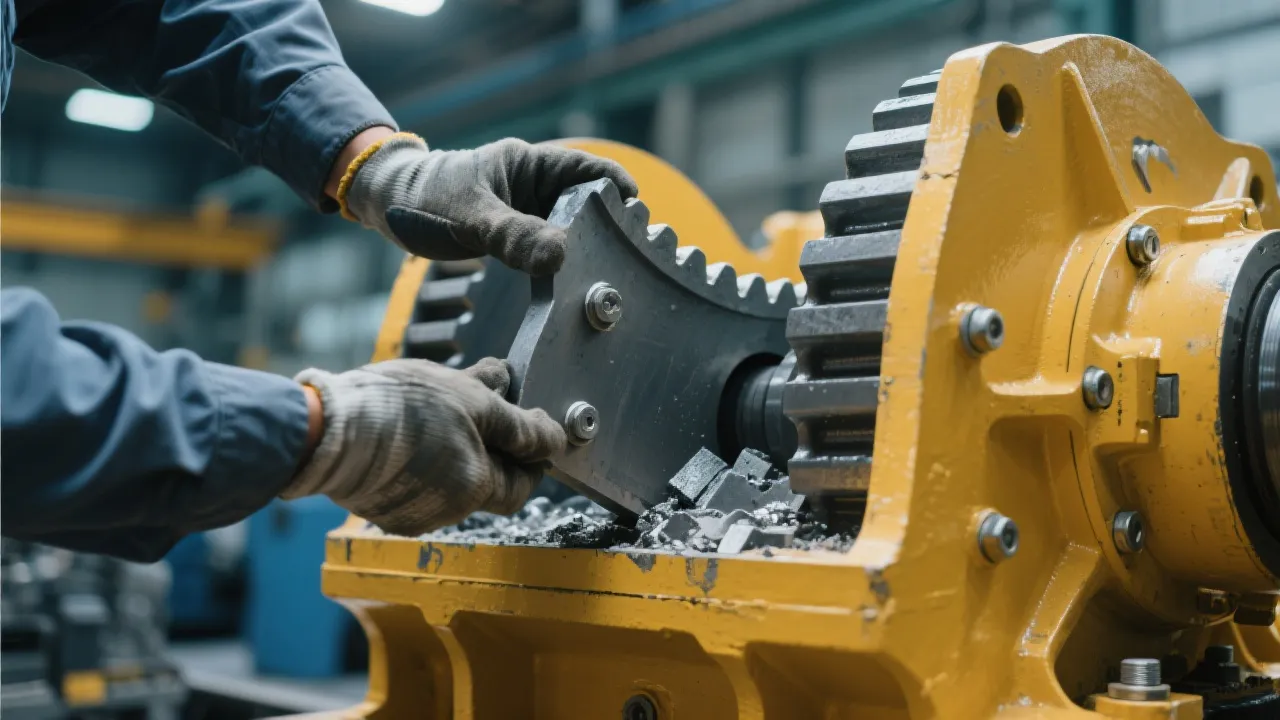
In one specific example, a contractor in Shanghai reported frequent liner replacements every 45 days with their old hammer mill—costing $3,200 per replacement cycle. After installing the Minlian PF-1315, which uses high-chromium cast iron liners and a precision-balanced rotor design, they extended liner life to over 120 days—cutting spare parts expenses by nearly 60% annually.
The key lies in how the machine handles raw feed variability—a common challenge in construction debris streams containing bricks, concrete, rebar fragments, and clay. Unlike older models that require pre-screening or manual sorting, the PF-1315’s 1300mm rotor diameter and 185kW motor deliver consistent output particle size (typically 5–30mm) even when feed composition fluctuates.
| Parameter | Traditional Jaw + Hammer Setup | Minlian PF-1315 Impact Crusher |
|---|---|---|
| Energy Consumption (kWh/ton) | 1.8–2.2 | 1.2–1.5 |
| Liner Replacement Frequency | Every 45 days | Every 120+ days |
| Output Particle Uniformity | Low (varies widely) | High (consistent 5–30mm) |
These improvements aren’t just theoretical—they’re backed by field data collected across 17 different sites in Asia, Europe, and North America. As Dr. Elena Rodriguez, Head of Materials Engineering at TU Delft, notes: “The ability to maintain consistent particle shape without additional screening is a game-changer for producing high-quality recycled aggregates used in road base layers and concrete mixes.”
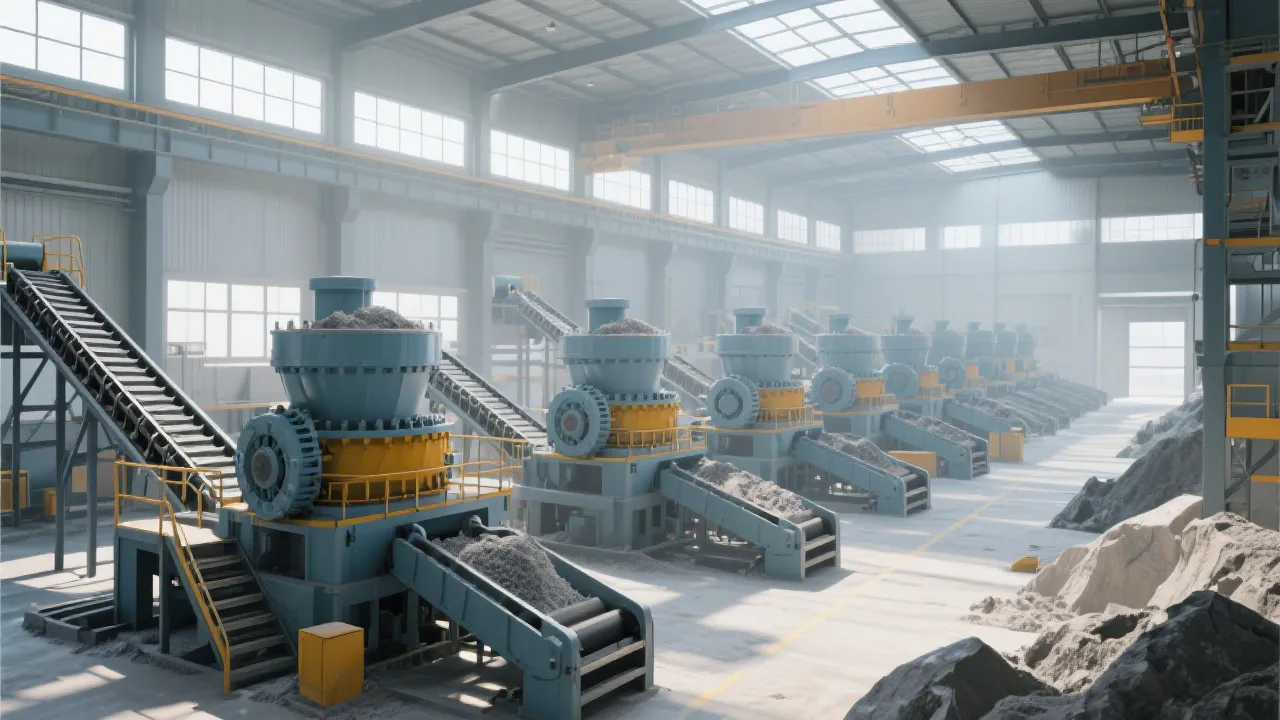
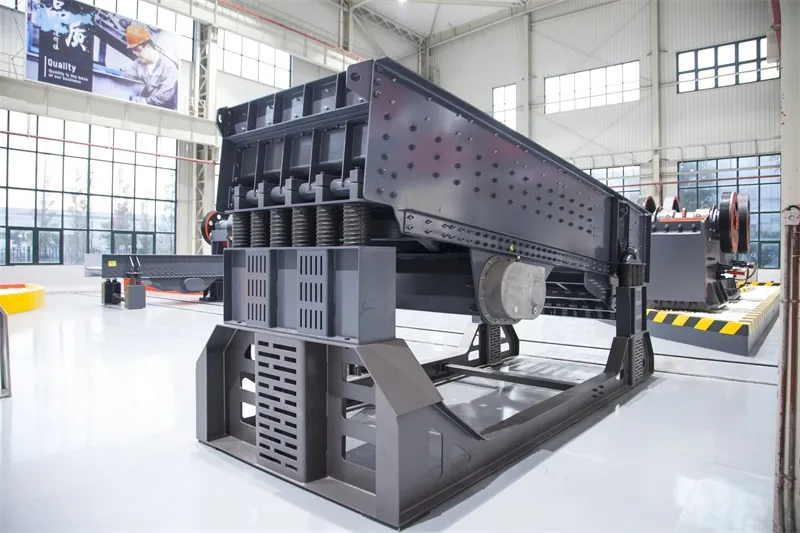
For those planning new installations or upgrading existing lines, consider integrating the PF-1315 into a modular system that includes a primary screen and belt conveyor. This reduces bottlenecks and ensures steady feeding, which directly impacts both throughput and wear resistance. Also, account for local noise regulations—many clients prefer the quieter operation of impact crushers versus hammer mills, especially in urban zones.
Pro Tip: Always conduct a 7-day trial run before full deployment. Monitor power draw, vibration levels, and dust emissions using simple sensors. This step can prevent costly misalignment issues later on.
Ready to optimize your next construction waste project?
Download Your Free Construction Waste Crusher Selection ChecklistGet expert guidance tailored to your site conditions — no obligation, just actionable insights.
 74
|
74
|
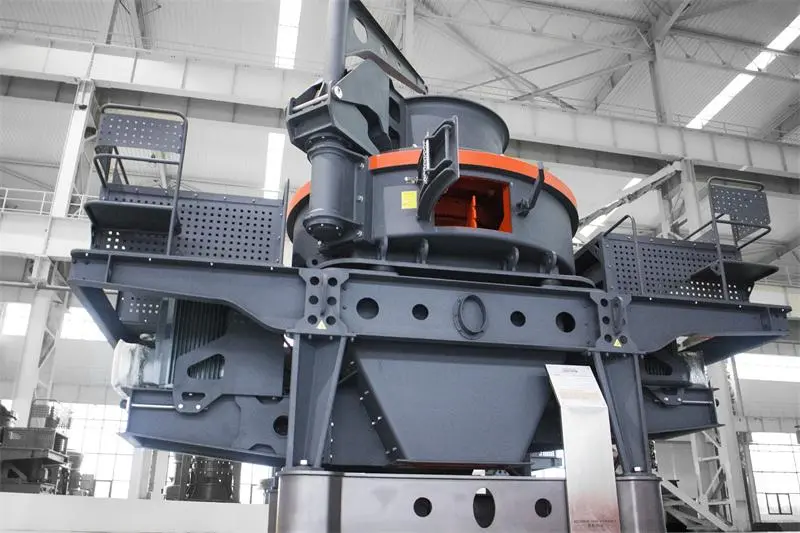
 VSI6X Sand Making Machine
Sand Shaping Equipment
New Favorite in Sand Making Industry
Efficient Low-Cost Sand Making Machine
VSI6X Performance Advantages
VSI6X Application Scenarios
473
|
jaw crusher efficiency optimization
V-type crushing chamber design
mineral comminution ratio
energy-efficient jaw crushers
PEW jaw crusher
73
|
Non-metallic mineral crushing equipment
PEW jaw crusher
Cooperation between cone crusher and vibrating screen
Crushing process flow
Collaborative operation of mining equipment
134
|
PE jaw crusher application skills
metal ore crushing common mistakes
jaw crusher discharge opening adjustment method
primary crushing technological advantages
mining equipment maintenance
461
|
High-yield crusher
Aggregate plant equipment
C6X Jaw Crusher
Crusher commissioning and optimization
Ore crushing equipment
VSI6X Sand Making Machine
Sand Shaping Equipment
New Favorite in Sand Making Industry
Efficient Low-Cost Sand Making Machine
VSI6X Performance Advantages
VSI6X Application Scenarios
473
|
jaw crusher efficiency optimization
V-type crushing chamber design
mineral comminution ratio
energy-efficient jaw crushers
PEW jaw crusher
73
|
Non-metallic mineral crushing equipment
PEW jaw crusher
Cooperation between cone crusher and vibrating screen
Crushing process flow
Collaborative operation of mining equipment
134
|
PE jaw crusher application skills
metal ore crushing common mistakes
jaw crusher discharge opening adjustment method
primary crushing technological advantages
mining equipment maintenance
461
|
High-yield crusher
Aggregate plant equipment
C6X Jaw Crusher
Crusher commissioning and optimization
Ore crushing equipment

.jpg?x-oss-process=image/resize,h_800,m_lfit/format,webp)











 Facebook