
As global cities generate over 3 billion tons of construction and demolition waste annually—according to the World Bank—the demand for efficient, sustainable processing solutions has never been higher. Among the most reliable machines in this space is the PF-1315 Impact Crusher, a high-performance solution engineered specifically for breaking down mixed construction debris like concrete, brick, and reinforced rubble.
Unlike traditional jaw crushers that struggle with inconsistent feed materials, the PF-1315 uses a rotor-driven impact mechanism combined with precision digital machining (tolerance ±0.05mm). This allows it to handle particle sizes up to 300 mm while maintaining a consistent output gradation—typically 70–85% of material falling between 5–50 mm, ideal for reuse in road base or recycled aggregate applications.
| Material Type | Recommended Settings | Expected Output Quality |
|---|---|---|
| Concrete (low steel content) | Rotor speed: 1,200 RPM | Sieve size: 25 mm | High cubic shape, low dust generation |
| Brick + mortar mix | Rotor speed: 1,000 RPM | Sieve size: 30 mm | Minimal fines, better screen efficiency |
| Rebar-laden debris | Pre-screening required | Speed: 900–1,000 RPM | Avoids damage to crushing chamber |
Q: Why does my crusher produce excessive fines even after adjusting settings?
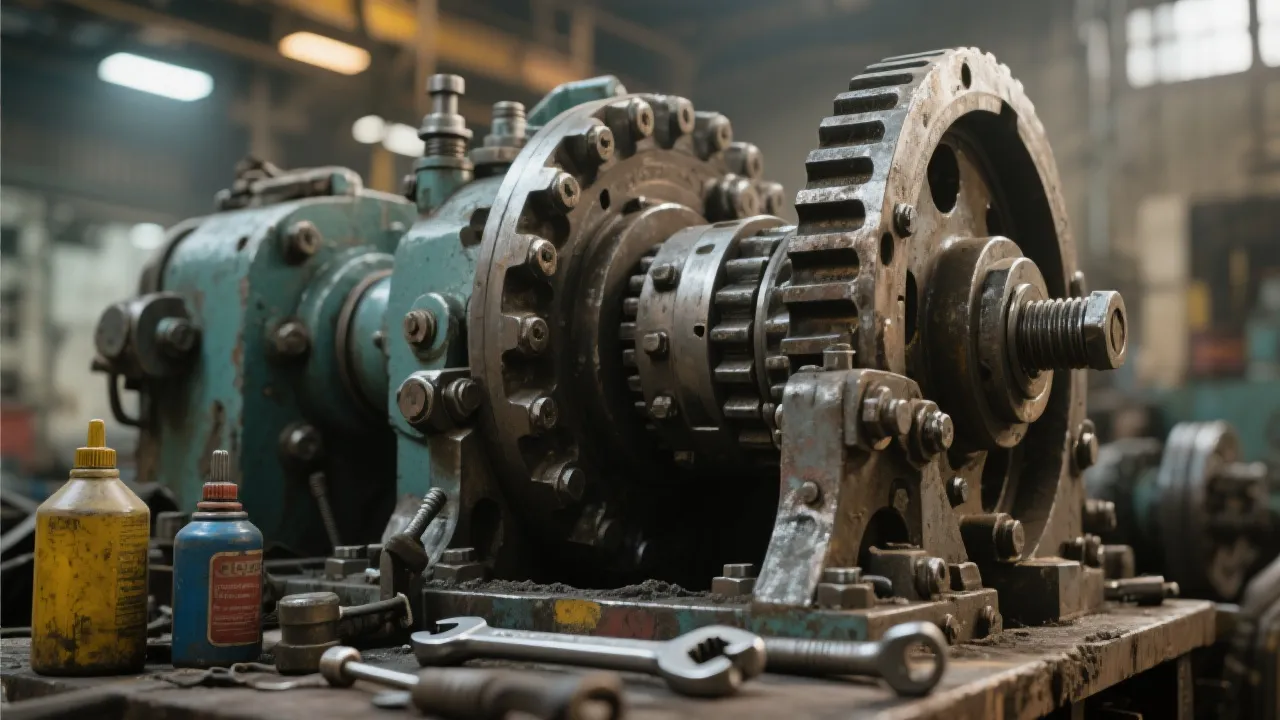
A: Likely due to worn liners or incorrect rotor alignment. Check wear plates every 300 hours—if they’re below 10 mm thickness, replace immediately. A misaligned rotor can cause uneven impact force, leading to over-crushing.
Q: How often should I perform preventive maintenance?
A: Daily visual checks (lubrication levels, belt tension), weekly inspections (bearing temperature, vibration), and monthly deep cleaning of the crushing chamber. Regular maintenance extends machine life by up to 40%, based on field data from clients in UAE and Turkey.
Q: Can I process wet or muddy materials without clogging?
A: Yes—but only if the moisture content stays under 10%. Above that, use a pre-dewatering system or add a vibrating feeder with anti-clogging design. Wet material increases energy consumption by ~15% if not managed properly.
In a case study from Saudi Arabia’s Al Khobar region, a recycling plant using the PF-1315 reduced processing time per ton by 22% compared to older models—and achieved a 92% success rate in producing usable aggregates for asphalt production. The client reported an average return on investment within 14 months, thanks to optimized throughput and minimal downtime.
 220
|
220
|
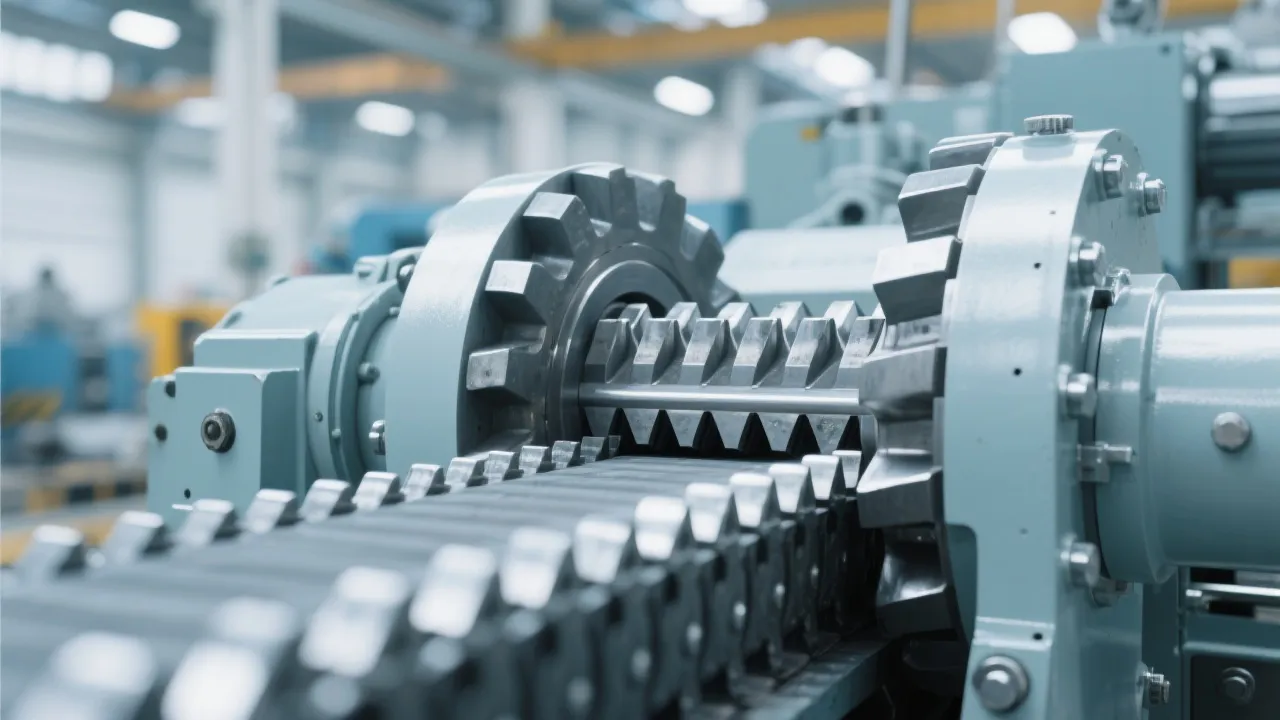
 impact crusher rotor design
crushing ratio optimization
heavy duty impact crusher
rotor balance and maintenance
energy efficient stone crushing
291
|
["jaw crusher maintenance"
"modern jaw crusher design"
"production efficiency improvement"
"easy wear part replacement"
"high output crushing equipment"]
214
|
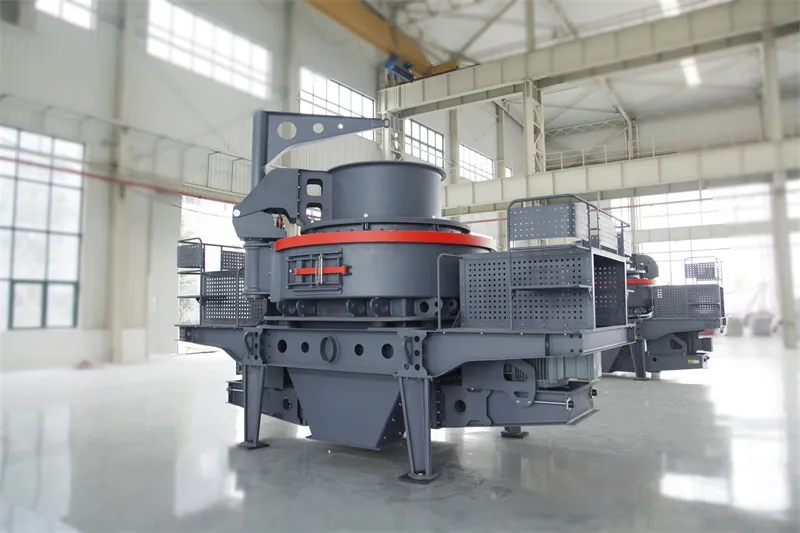
VSI6X Sand Making Machine
High-Efficiency Sand Shaping Equipment
Diverse Material Crushing
396
|
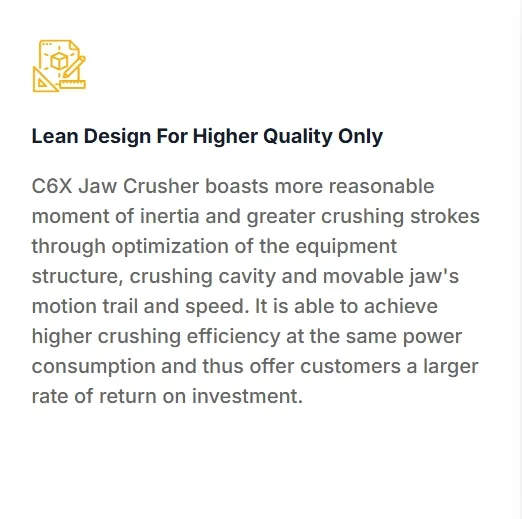
C6X jaw crusher
jaw crusher maintenance optimization
structural design improvements
equipment durability
production efficiency enhancement
316
|
non-metallic mineral crusher
PEW jaw crusher
crushing process optimization
stone crushing equipment
construction aggregate production
impact crusher rotor design
crushing ratio optimization
heavy duty impact crusher
rotor balance and maintenance
energy efficient stone crushing
291
|
["jaw crusher maintenance"
"modern jaw crusher design"
"production efficiency improvement"
"easy wear part replacement"
"high output crushing equipment"]
214
|
VSI6X Sand Making Machine
High-Efficiency Sand Shaping Equipment
Diverse Material Crushing
396
|
C6X jaw crusher
jaw crusher maintenance optimization
structural design improvements
equipment durability
production efficiency enhancement
316
|
non-metallic mineral crusher
PEW jaw crusher
crushing process optimization
stone crushing equipment
construction aggregate production

.jpg?x-oss-process=image/resize,h_800,m_lfit/format,webp)
.jpg?x-oss-process=image/resize,h_800,m_lfit/format,webp)

.jpg?x-oss-process=image/resize,h_800,m_lfit/format,webp)



.jpg?x-oss-process=image/resize,m_fill,h_800,w_800/format,webp)





 Facebook