
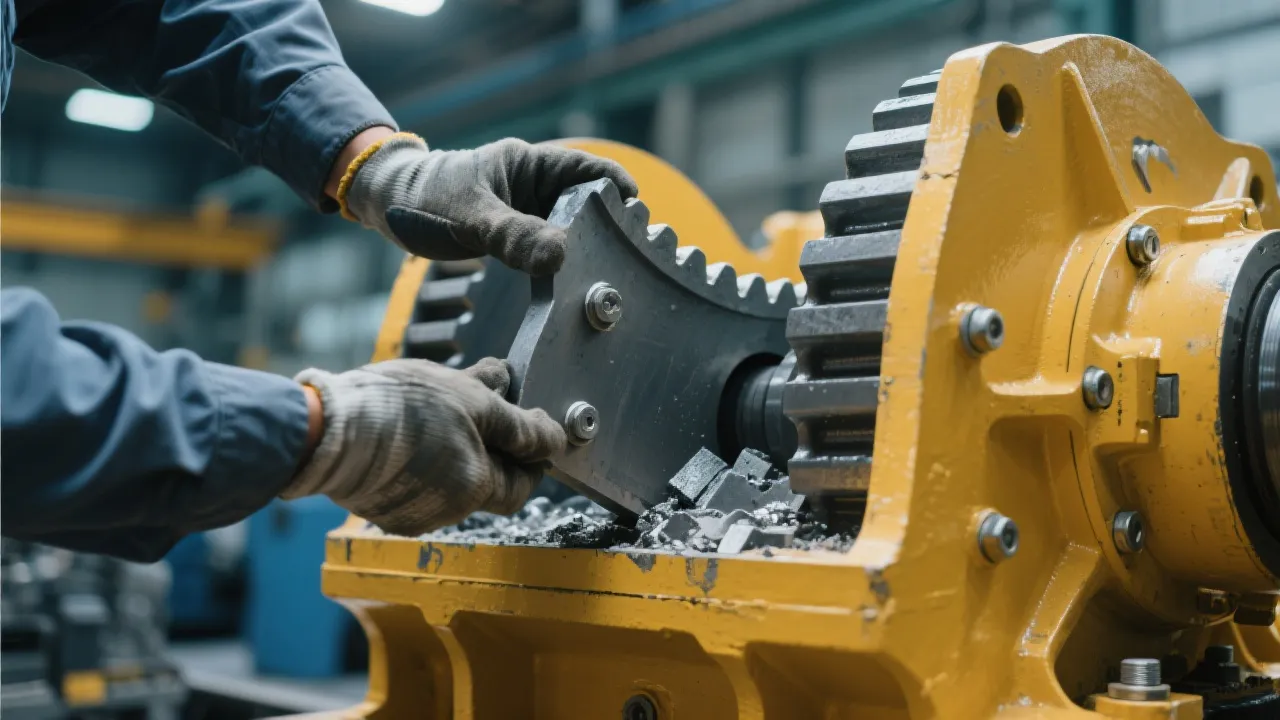
If your impact crusher liner is failing prematurely—especially in building waste recycling operations—you're not alone. According to industry data from the Construction Equipment Association (CEA), over 60% of maintenance costs in mobile crushing units stem from premature liner wear, often due to improper setup or inconsistent material feed.
In real-world applications involving high-moisture, mixed-hardness materials like construction debris, three issues dominate:
Drawing from decades of field testing at Zhengzhou Mining Machinery Co., here are actionable steps that have reduced liner replacement frequency by up to 65% in typical building waste processing lines:
For facilities handling wet, clay-rich construction waste—a common challenge in urban regeneration projects—these steps aren't optional. They’re essential for maintaining throughput stability and minimizing operational risk.
Pro Tip: Pair these practices with a simple monthly wear mapping chart—track liner thickness at key points using ultrasonic gauges—to visualize degradation patterns and plan replacements proactively.
One client in Dubai reported a 58% drop in liner replacements after implementing this system across their 3-unit recycling plant. Another in Thailand saw a 30% improvement in daily output due to fewer breakdowns—directly translating into higher profit margins per ton processed.
Want more? Download our free Impact Crusher Liner Maintenance Handbook—a practical guide filled with checklists, wear charts, and case studies from global clients.
Download Now – Get the Full Guide 349
|
349
|
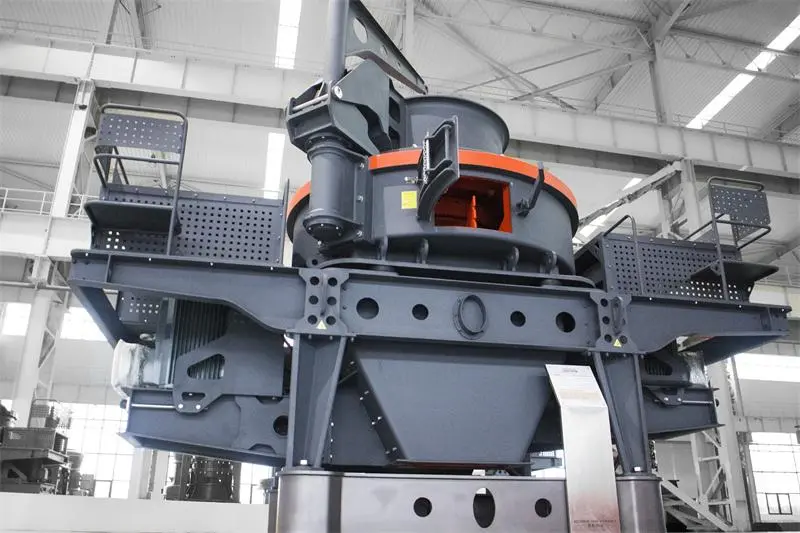
 VSI6X Sand Making Machine
CNC Machining Technology
Dual-Motor Drive
Equipment Lifespan
High-Efficiency Energy-Saving Sand Making Machine
69
|
Jaw crusher
Metal ore crushing
Co - operation of coarse and medium crushing
Feed particle size control
Modular crushing system
228
|
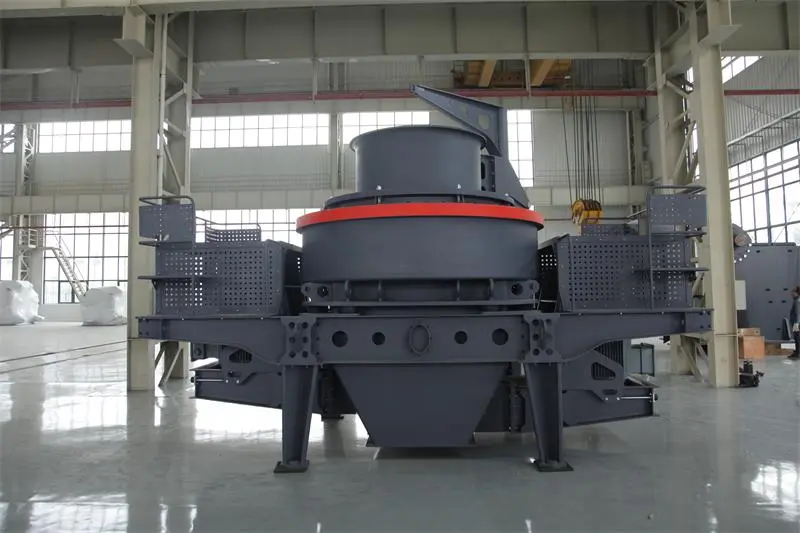
VSI6X sand making machine
high-efficiency sand production equipment
patented technology
low-cost sand production
energy-efficient sand making machine
various materials crushing
dual motor drive
automatic thin oil lubrication system
spare parts and technical services
two feeding modes
95
|
construction waste processing equipment
impact crusher rotor selection
recycled aggregate production
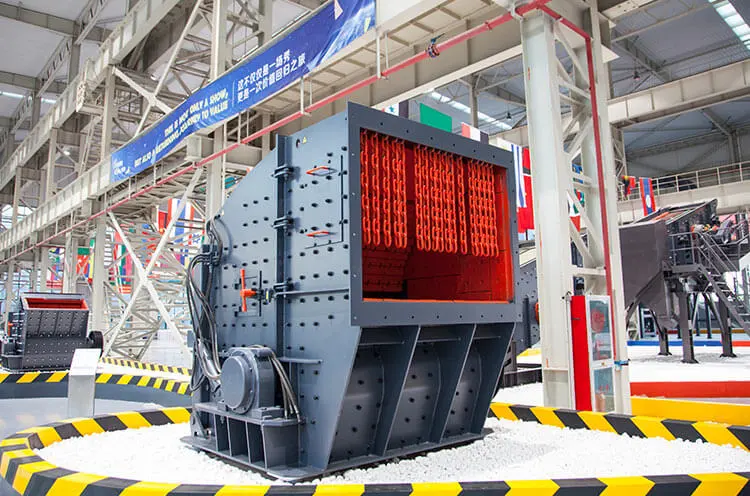
PF-1315 impact crusher
moisture content in construction debris
391
|
Non-metallic ore crushing
PEW jaw crusher
Crushing process flow
Equipment selection
Capacity optimization
VSI6X Sand Making Machine
CNC Machining Technology
Dual-Motor Drive
Equipment Lifespan
High-Efficiency Energy-Saving Sand Making Machine
69
|
Jaw crusher
Metal ore crushing
Co - operation of coarse and medium crushing
Feed particle size control
Modular crushing system
228
|
VSI6X sand making machine
high-efficiency sand production equipment
patented technology
low-cost sand production
energy-efficient sand making machine
various materials crushing
dual motor drive
automatic thin oil lubrication system
spare parts and technical services
two feeding modes
95
|
construction waste processing equipment
impact crusher rotor selection
recycled aggregate production
PF-1315 impact crusher
moisture content in construction debris
391
|
Non-metallic ore crushing
PEW jaw crusher
Crushing process flow
Equipment selection
Capacity optimization
.jpg?x-oss-process=image/resize,h_800,m_lfit/format,webp)








 Facebook