
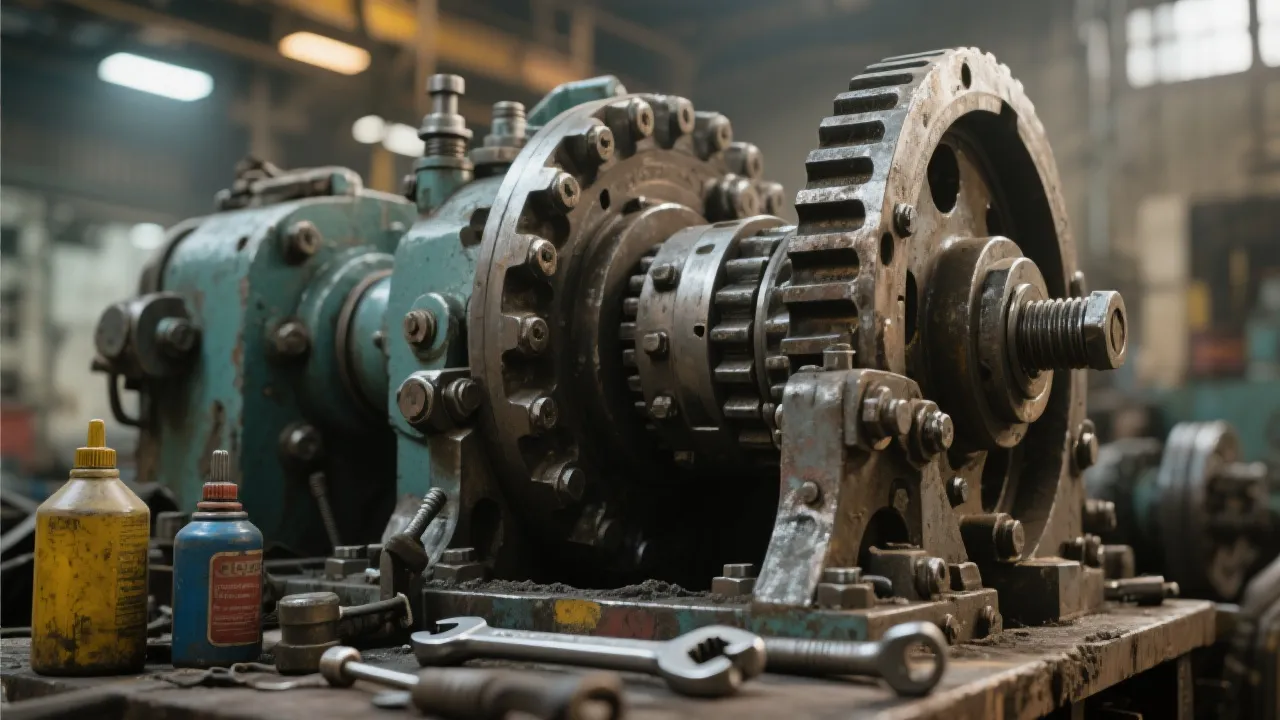
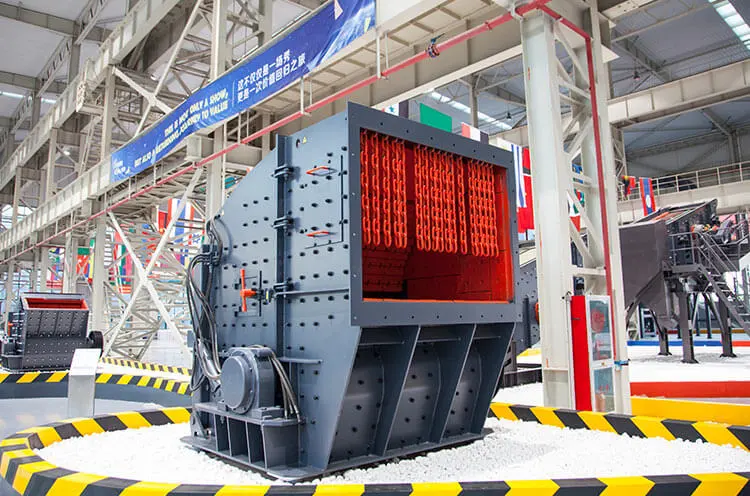
In the demanding world of construction waste recycling, downtime isn’t just costly—it’s a threat to project timelines and profitability. For operators of PF-1315 impact crushers, common issues like excessive vibration, uneven discharge, and premature wear are not just symptoms—they’re warnings that demand proactive solutions.
A leading concrete recycling plant in Shanghai reported an average of 3–5 unplanned shutdowns per month due to rotor imbalance and liner fatigue. After replacing worn components with high-precision digitally machined parts from Zhengzhou Mining Machinery Co., they saw:
This real-world result highlights how digital machining doesn't just fix problems—it prevents them by eliminating stress concentrations that traditional manufacturing can’t avoid.
Construction waste contains sharp aggregates, rebar fragments, and abrasive materials that accelerate wear. Standard cast or welded parts often have micro-defects, inconsistent hardness zones, and poor surface finish—leading to early fatigue cracks and mechanical failure.
High-precision CNC-machined parts, however, offer:
Even the best parts need smart care. Based on 30 years of field data from mining and recycling operations worldwide, we recommend a tailored maintenance schedule:
| Maintenance Task | Frequency | Key Metric |
|---|---|---|
| Rotor alignment check | Weekly | Vibration amplitude < 2.5 mm/s |
| Liner wear inspection | Bi-weekly | Wear depth < 5mm |
| Lubrication point cleaning | Monthly | No visible contamination |
These practices, when combined with precision parts, form a robust system that minimizes risk—and maximizes uptime.
Download our free Impact Crusher Daily Maintenance Checklist—used by top recyclers in Europe, Middle East, and North America.
Get the Free Maintenance Guide 167
|
167
|
 jaw crusher efficiency optimization
V-shaped crushing chamber
rock hardness and crusher configuration
construction waste recycling equipment
PEW jaw crusher solutions
432
|
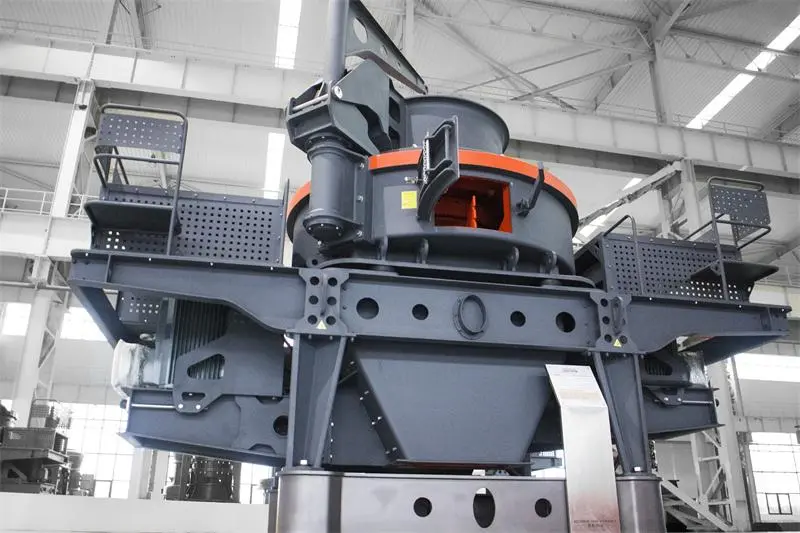
VSI6X Sand Making Machine
Key Component Design
Cost Reduction and Efficiency Enhancement for Sand Production Enterprises
Sand Production and Shaping Equipment
163
|
metal ore crushing process
PE jaw crusher
graded crushing system
overseas mine project cases
crushing equipment selection
134
|
PE jaw crusher application skills
metal ore crushing common mistakes
jaw crusher discharge opening adjustment method
primary crushing technological advantages
mining equipment maintenance
462
|
jaw crusher feed size optimization
metal ore crushing efficiency
jaw crusher wear rate
ore particle size vs crusher performance
jaw crusher selection guide
jaw crusher efficiency optimization
V-shaped crushing chamber
rock hardness and crusher configuration
construction waste recycling equipment
PEW jaw crusher solutions
432
|
VSI6X Sand Making Machine
Key Component Design
Cost Reduction and Efficiency Enhancement for Sand Production Enterprises
Sand Production and Shaping Equipment
163
|
metal ore crushing process
PE jaw crusher
graded crushing system
overseas mine project cases
crushing equipment selection
134
|
PE jaw crusher application skills
metal ore crushing common mistakes
jaw crusher discharge opening adjustment method
primary crushing technological advantages
mining equipment maintenance
462
|
jaw crusher feed size optimization
metal ore crushing efficiency
jaw crusher wear rate
ore particle size vs crusher performance
jaw crusher selection guide

.jpg?x-oss-process=image/resize,h_800,m_lfit/format,webp)

.jpg?x-oss-process=image/resize,h_800,m_lfit/format,webp)

.jpg?x-oss-process=image/resize,h_800,m_lfit/format,webp)



.jpg?x-oss-process=image/resize,m_fill,h_800,w_800/format,webp)




 Facebook