
In the construction waste recycling sector, the selection of impact crusher rotors is a critical technical decision that directly influences operational efficiency, maintenance costs, and output quality. Among various parameters, material moisture content and impurity levels stand out as primary factors dictating rotor type suitability. This technical guide explores how these raw material characteristics affect rotor choice, evaluates different rotor options, and shares real-world insights from the PF-1315 impact crusher applications to empower engineers and procurement specialists faced with this challenge.
Construction debris can vary significantly in terms of moisture and impurity content—factors that substantially affect crusher performance:
Choosing an inappropriate rotor type under these conditions may cause frequent jamming, increased wear and tear, and compromised grain shape, leading to increased downtime and operational costs.
| Material Condition | Recommended Rotor Type | Key Advantages | Potential Failure Risks |
|---|---|---|---|
| Low Moisture, Low Impurities | High-Speed Fine Crushing Rotor | Optimized particle shape; Lower energy consumption; Extended wear parts life. |
Minimal jamming risk; Requires strict material quality control. |
| High Moisture, High Impurities | Coarse Crushing Rotor with Self-Cleaning | Anti-blocking design; Reduced abrasion; Enhanced operational stability. |
Increased maintenance frequency; Higher power demand. |
For example, in a project with raw materials averaging water content above 8% and impurity levels exceeding 15%, coarse rotors equipped with self-cleaning mechanisms reduced rotor clogging by nearly 40%, compared to fine rotors. Such data points reinforce the criticality of material-rotor matching.
Conventional equipment like jaw crushers coupled with hammer crushers have long been standard in construction waste processing. However, when optimized rotor selection is applied in impact crushers such as the PF-1315 model, operators observe significant improvements:
Beyond rotor type, sizing the rotor diameter and matching motor power to production requirements ensures operational efficiency:
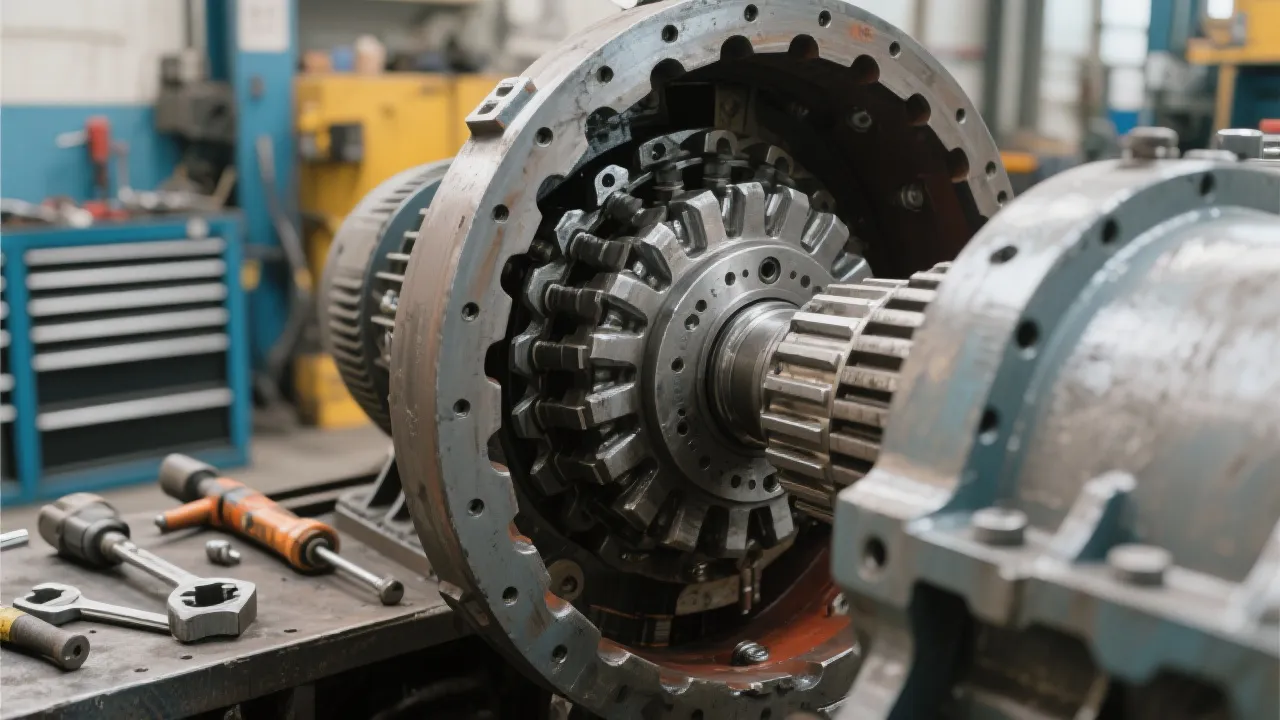
Case Study: A construction recycling site ignored high clay content in incoming materials and operated fine rotors at full speed. The result: hammerhead wear lifecycle dropped from 1200 hours to 700 hours, causing operational delays and increased maintenance costs. After switching to a self-cleaning coarse rotor, downtime reduced by 30% and throughput rose by 20%. This practical case underscores the financial benefits of precise rotor matching.
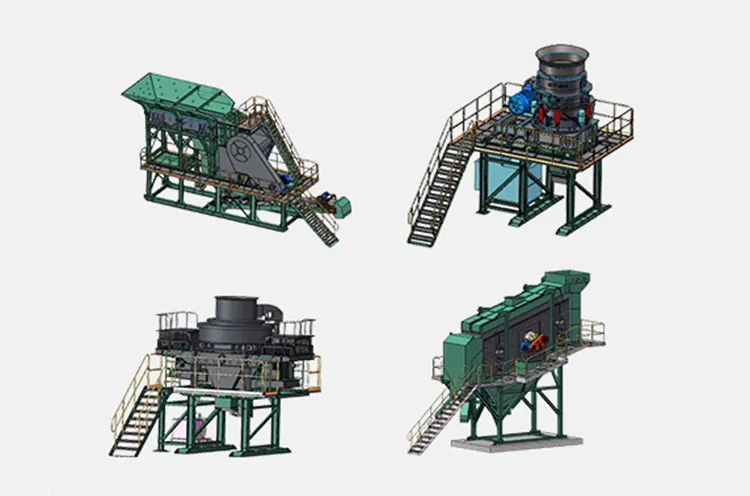
Equipment selection should not occur in isolation. Integrating impact crushers within a system comprising screening, conveying, and dust removal units maximizes return on investment:
Implementing a synchronized workflow based on reliable data-driven rotor choice aligns crushing performance with quality goals and operational cost reduction.
Ensure optimal rotor matching and maximize equipment ROI with our expert-curated checklist.
 489
|
489
|
 jaw crusher feed size range
metal ore crushing process
PE jaw crusher application
crushing circuit optimization
granulometry control in mining
164
|
high-capacity jaw crusher
aggregate plant equipment
C6X jaw crusher selection
ore-specific crushing solutions
large-scale crushing equipment
410
|
VSI6X sand making machine
high-efficiency sand making equipment
artificial sand production
sand making machine manufacturer
energy-saving and environmental protection equipment
134
|
PE jaw crusher application skills
metal ore crushing common mistakes
jaw crusher discharge opening adjustment method
primary crushing technological advantages
mining equipment maintenance
153
|
VSI6X sand making machine
efficient sand production equipment
advanced sand shaping technology
jaw crusher feed size range
metal ore crushing process
PE jaw crusher application
crushing circuit optimization
granulometry control in mining
164
|
high-capacity jaw crusher
aggregate plant equipment
C6X jaw crusher selection
ore-specific crushing solutions
large-scale crushing equipment
410
|
VSI6X sand making machine
high-efficiency sand making equipment
artificial sand production
sand making machine manufacturer
energy-saving and environmental protection equipment
134
|
PE jaw crusher application skills
metal ore crushing common mistakes
jaw crusher discharge opening adjustment method
primary crushing technological advantages
mining equipment maintenance
153
|
VSI6X sand making machine
efficient sand production equipment
advanced sand shaping technology







.jpg?x-oss-process=image/resize,m_fill,h_800,w_800/format,webp)




 Facebook