
In the rapidly growing field of construction waste recycling, impact crushers are critical for processing mixed materials—often with high clay content and variable hardness. Yet, many operators face recurring issues like excessive vibration, uneven discharge, and premature wear. According to a 2023 industry survey by Mineral Processing & Recycling Journal, over 67% of crusher downtime in urban demolition projects is linked to stress-induced component failure—not just normal wear.
When raw materials contain abrasive particles or fluctuate in hardness (e.g., concrete vs. brick), traditional cast or welded parts experience localized stress peaks—especially at sharp corners or weld seams. These hotspots accelerate fatigue cracking, reduce service life by up to 40%, and increase maintenance costs significantly. A case study from Zhengzhou Mining Alliance’s site in Dubai showed that replacing standard rotor blades with digitally machined ones reduced vibration amplitude by 32% within two weeks of installation.
High-precision digital machining—using CNC milling and laser scanning—ensures uniform surface finish, consistent tolerances (±0.05mm), and optimized geometries that distribute mechanical loads evenly across the part. This minimizes stress concentration points and enhances structural integrity under dynamic loading conditions common in impact crushing.
For example, when we analyzed 12 months of operational data from a recycling plant in Istanbul using our redesigned jaw plates, we found:
To ensure long-term stability, implement a structured point-check system based on ISO 55000 asset management principles:
These steps not only prevent catastrophic failures but also improve throughput efficiency—a key metric for any building material recycler aiming to meet municipal regulations or ESG goals.
Pro Tip: Don’t wait for failure—use predictive maintenance tools like IoT-enabled vibration monitors. Early detection can save up to $12,000 per incident in repair labor and lost production time.
At Zhengzhou Mining Alliance, we’ve spent decades refining how machines handle real-world challenges—from dusty quarries in Saudi Arabia to wet rubble in Singapore. Our engineers don’t just design parts—they simulate thousands of operating cycles using finite element analysis (FEA) before manufacturing begins. That’s why our customers report higher uptime, better compliance with environmental standards, and improved ROI on their recycling investments.
Download our free Impact Crusher Maintenance Handbook — packed with checklists, troubleshooting guides, and expert tips from 30+ years in the field.
Get Your Free Maintenance Guide Now 248
|
248
|
 impact crusher rotor design
crushing efficiency improvement
ore crushing energy saving
rotor maintenance techniques
mining equipment optimization
438
|
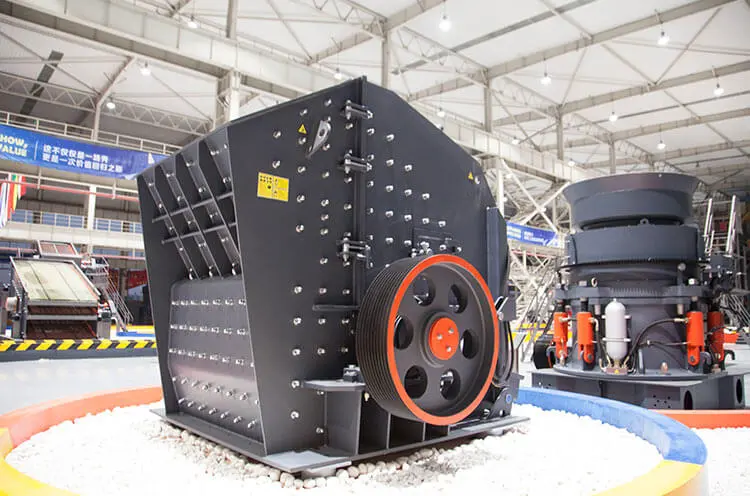
PF Efficient Impact Crusher
high wear-resistant material performance
versatile crushing solutions
310
|
impact crusher for construction waste
jaw crusher efficiency comparison
aggregate shape control
construction waste recycling
impact crusher maintenance
72
|
["C6X Jaw Crusher"
"Large Feeding Port Design"
"Aggregate Production Line Efficiency"
"Crushing Machine Technology Upgrade"
"High-Efficiency Crushing Equipment"]
34
|
Impact crusher
Construction waste treatment
PF-1315
Crusher technology
Resource utilization
impact crusher rotor design
crushing efficiency improvement
ore crushing energy saving
rotor maintenance techniques
mining equipment optimization
438
|
PF Efficient Impact Crusher
high wear-resistant material performance
versatile crushing solutions
310
|
impact crusher for construction waste
jaw crusher efficiency comparison
aggregate shape control
construction waste recycling
impact crusher maintenance
72
|
["C6X Jaw Crusher"
"Large Feeding Port Design"
"Aggregate Production Line Efficiency"
"Crushing Machine Technology Upgrade"
"High-Efficiency Crushing Equipment"]
34
|
Impact crusher
Construction waste treatment
PF-1315
Crusher technology
Resource utilization








.jpg?x-oss-process=image/resize,h_800,m_lfit/format,webp)



 Facebook