
In the growing global push for sustainable construction, recycled aggregate from建筑垃圾 (construction waste) has become a critical resource—especially in urban redevelopment zones across Europe, Southeast Asia, and the Middle East. But not all crushing technologies are created equal.
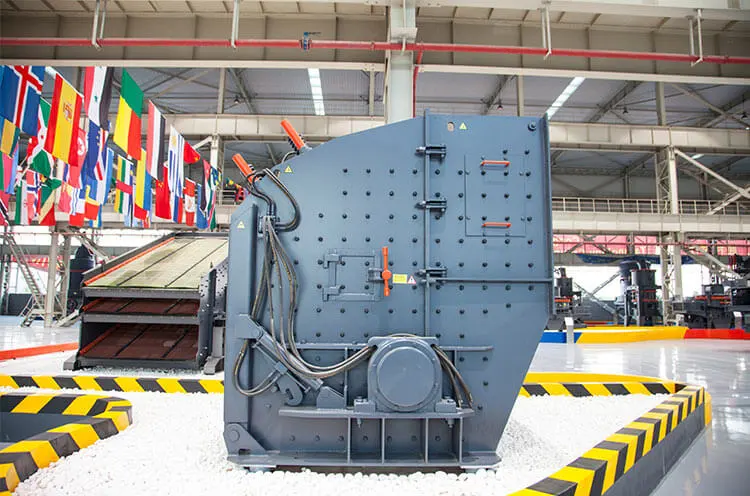
The PF-1315 impact crusher stands out due to its high-speed rotor design—typically operating at 1,800–2,400 RPM—and precision-engineered反击板 (impact plates). Unlike jaw crushers that rely on compression, impact crushers use kinetic energy to shatter materials into cubical-shaped particles with minimal flaky or elongated fragments.
According to field tests conducted by the China Building Materials Academy, impact crushers produce up to 78% more cubic-shaped aggregates compared to traditional jaw crushers when processing concrete-rich construction waste. This directly improves the strength and durability of recycled concrete mixtures used in road base layers and non-load-bearing structures.
| Feature | Impact Crusher (PF-1315) | Jaw Crusher |
|---|---|---|
| Avg. Output Particle Shape Score (ISO 10501) | 84% | 56% |
| Energy Consumption per Ton (kWh/ton) | 28–32 | 35–40 |
| Maintenance Interval (Hours) | >2,000 hrs | ~1,200 hrs |
For mixed demolition waste containing 40% concrete, 30% brick, and 15% rebar, operators should:
A case study from a recycling plant in Dubai showed a 22% increase in yield after switching from jaw to impact crushing for mixed construction debris—without compromising particle quality or equipment lifespan.
Mistake: Running the machine continuously without adjusting for varying input composition.
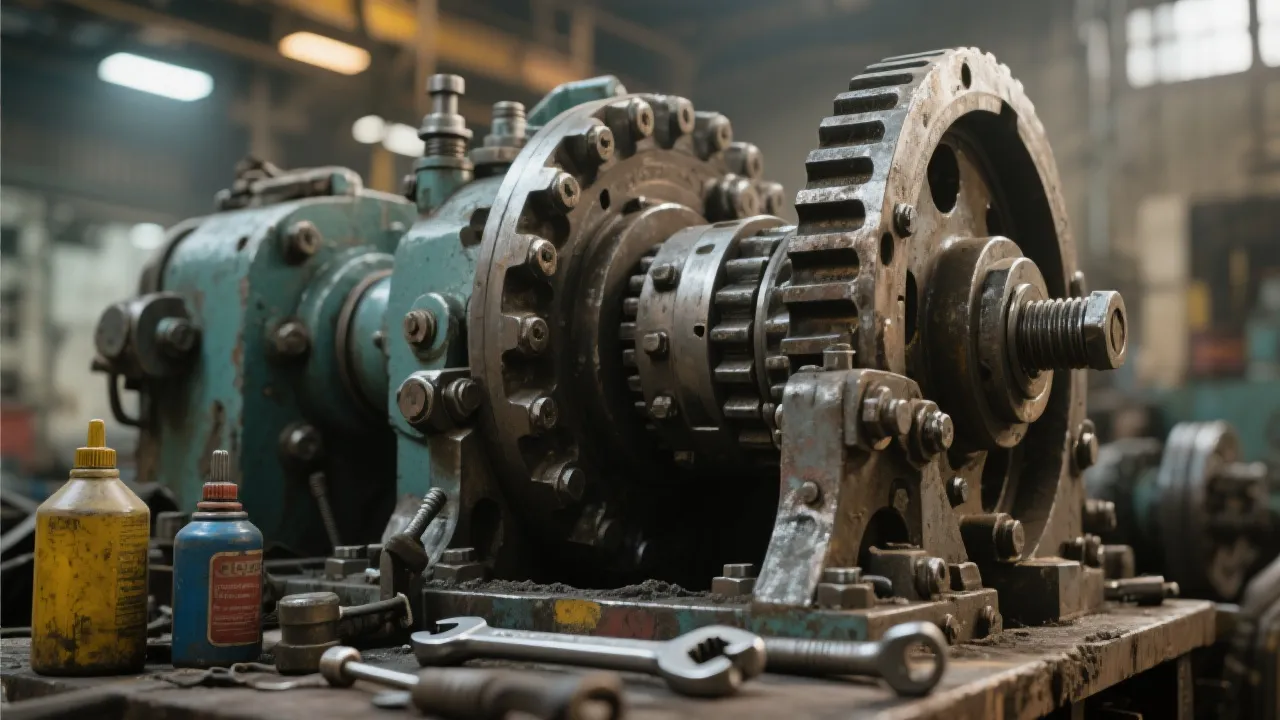
Pro Tip: Conduct daily checks on wear parts using digital thickness gauges—this extends service life by up to 30%.
"When you treat construction waste like raw material—not trash—you unlock value that builds cities smarter."
 482
|
482
|
 VSI6X sand making machine
efficient sand production equipment
optimized sand shaping technology
499
|
PE jaw crusher operation tips
metal ore crushing mistakes
jaw crusher discharge adjustment
primary crushing equipment optimization
mining equipment maintenance
282
|
iron ore crushing efficiency
PEW jaw crusher maintenance
jaw crusher wear prevention
metal ore processing optimization
V-shaped crushing chamber
359
|
PEW Jaw Crusher
energy-efficient jaw crusher
automated production jaw crusher
270
|
Non-metallic mineral crushing equipment
Jaw crusher selection
PEW jaw crusher
Ore crushing process
Zhengzhou Kuanglian Machinery
VSI6X sand making machine
efficient sand production equipment
optimized sand shaping technology
499
|
PE jaw crusher operation tips
metal ore crushing mistakes
jaw crusher discharge adjustment
primary crushing equipment optimization
mining equipment maintenance
282
|
iron ore crushing efficiency
PEW jaw crusher maintenance
jaw crusher wear prevention
metal ore processing optimization
V-shaped crushing chamber
359
|
PEW Jaw Crusher
energy-efficient jaw crusher
automated production jaw crusher
270
|
Non-metallic mineral crushing equipment
Jaw crusher selection
PEW jaw crusher
Ore crushing process
Zhengzhou Kuanglian Machinery

.jpg?x-oss-process=image/resize,h_800,m_lfit/format,webp)
.jpg?x-oss-process=image/resize,h_800,m_lfit/format,webp)




.jpg?x-oss-process=image/resize,m_fill,h_800,w_800/format,webp)




 Facebook