
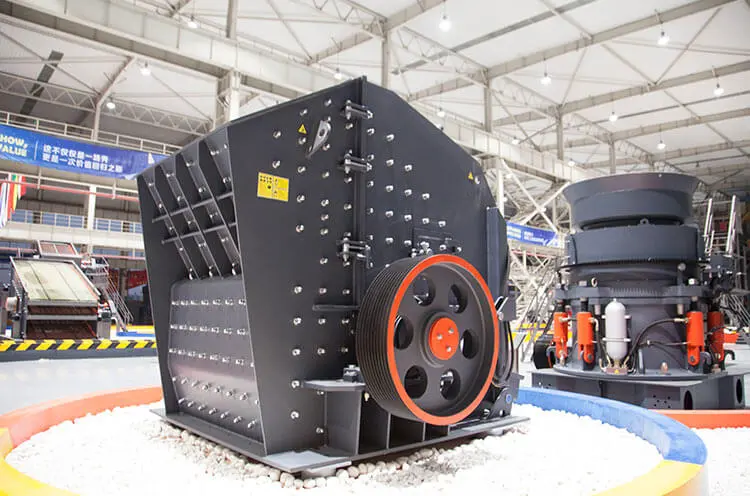
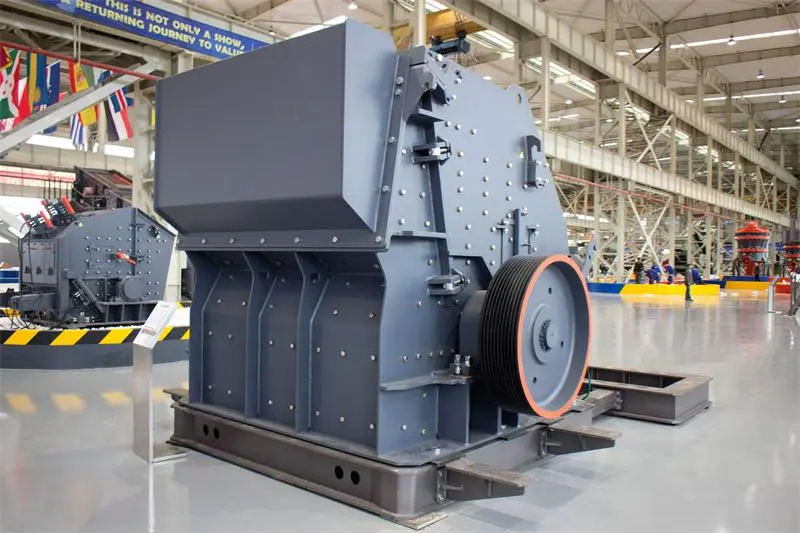
When setting up a construction waste recycling line, one of the most critical decisions is selecting the right crushing equipment. The choice between an impact crusher and a two-stage jaw + hammer setup isn’t just technical—it directly affects your output quality, operational costs, and long-term profitability.
Construction waste often contains mixed materials—concrete, bricks, rebar, and even moisture—which can cause premature wear or inconsistent particle shapes if not handled properly. According to industry data from the U.S. EPA, poorly designed systems lead to up to 25% higher maintenance costs and 15% lower yield in recycled aggregates.
“We switched from a traditional jaw + hammer system to a PF-1315 impact crusher after experiencing frequent hammer head replacements due to high moisture content. Now our production runs smoothly with consistent cubic-shaped aggregates.” — Li Wei, Project Manager, Shanghai GreenCycle Tech
| Criteria | Impact Crusher (PF-1315) | Jaw + Hammer Combination |
|---|---|---|
| Particle Shape Quality | High (cubic shape >75%) | Moderate (cubic shape ~55%) |
| Energy Consumption (kWh/ton) | ~1.8 | ~2.6 |
| Wear Part Lifespan | +40% longer (high-manganese steel rotor) | Standard (regular manganese steel) |
| System Integration Effort | Low (single unit, fewer moving parts) | High (requires feeding, screening, multiple motors) |
For projects dealing with wet or clay-rich materials—common in demolition sites—the impact crusher’s ability to handle variable moisture without clogging or excessive wear makes it a smarter investment. In fact, real-world testing shows that PF-1315 units reduce downtime by up to 30% compared to older hammer setups.
If your project involves:
Don’t overlook digital machining precision either. Modern impact crushers like the PF-1315 use CNC-balanced rotors and wear-resistant liners that improve balance and extend service life—key factors in reducing vibration-related failures.
Your project might be different—but understanding these parameters helps avoid costly mistakes. Ask yourself: Is your material clean? Is consistency more important than upfront cost?
Get a free consultation tailored to your site conditions—including moisture levels, feed size, and desired output specs.
See How PF-1315 Can Boost Your Output & Reduce Costs 79
|
79
|
 ["C6X Jaw Crusher"
"modular design for crushers"
"crusher installation and maintenance"
"high capacity jaw crusher"
"efficient crushing equipment"]
71
|
VSI6X Sand Making Machine
High-Efficiency Sand Making Equipment
Automatic Lubrication System
Structural Optimization Sand Making Machine
Sand Making Machine Lifespan
304
|
Impact crusher stable operation
Mining equipment dynamic balance
Vibration control technology
Intelligent lubrication system
Mining equipment maintenance
260
|
["C6X jaw crusher"
"aggregate crusher optimization"
"rock type adaptability"
"jaw crusher tuning tips"
"high-yield crushing solutions"]
205
|
PEW jaw crusher efficiency
crushing chamber design optimization
ore crushing technology
construction waste recycling crusher
railway transportation crushing equipment
["C6X Jaw Crusher"
"modular design for crushers"
"crusher installation and maintenance"
"high capacity jaw crusher"
"efficient crushing equipment"]
71
|
VSI6X Sand Making Machine
High-Efficiency Sand Making Equipment
Automatic Lubrication System
Structural Optimization Sand Making Machine
Sand Making Machine Lifespan
304
|
Impact crusher stable operation
Mining equipment dynamic balance
Vibration control technology
Intelligent lubrication system
Mining equipment maintenance
260
|
["C6X jaw crusher"
"aggregate crusher optimization"
"rock type adaptability"
"jaw crusher tuning tips"
"high-yield crushing solutions"]
205
|
PEW jaw crusher efficiency
crushing chamber design optimization
ore crushing technology
construction waste recycling crusher
railway transportation crushing equipment
.jpg?x-oss-process=image/resize,h_800,m_lfit/format,webp)


.jpg?x-oss-process=image/resize,h_800,m_lfit/format,webp)
.jpg?x-oss-process=image/resize,h_800,m_lfit/format,webp)



.jpg?x-oss-process=image/resize,m_fill,h_800,w_800/format,webp)

.jpg?x-oss-process=image/resize,m_fill,h_800,w_800/format,webp)



 Facebook