
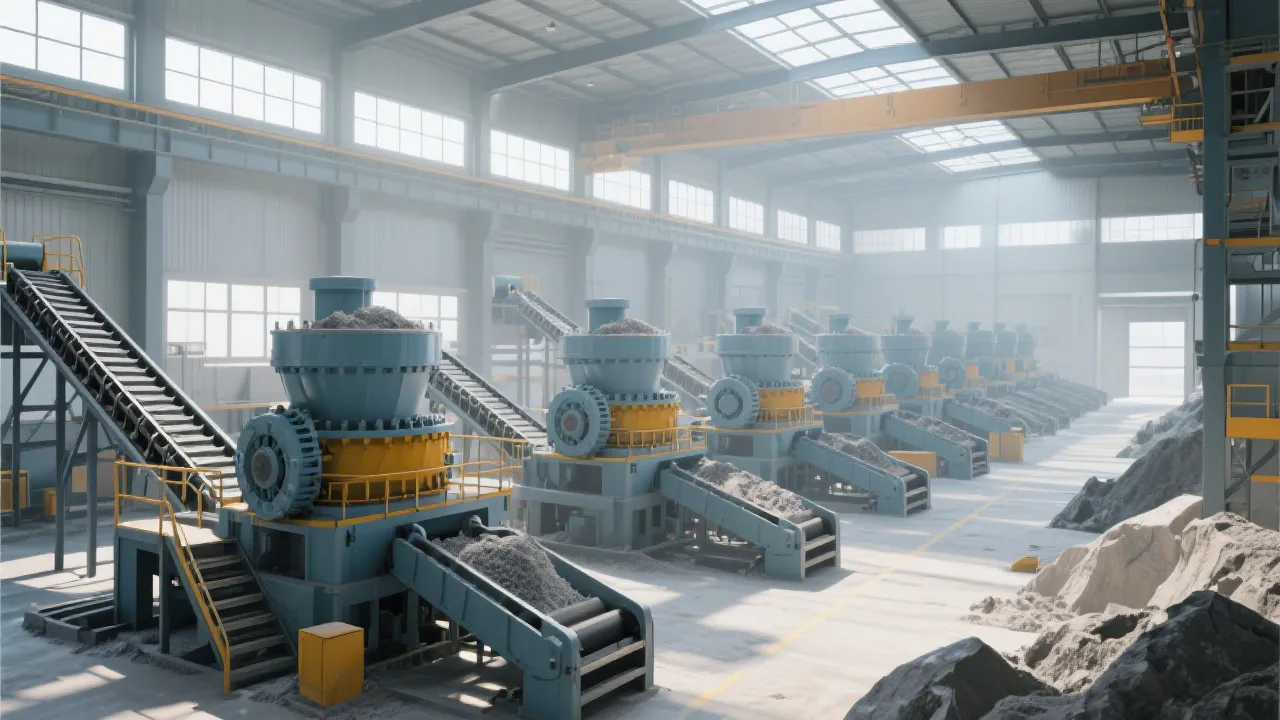
In the realm of construction waste recycling, the choice of crushing equipment plays a pivotal role in determining project success. Selecting suboptimal machinery can lead to soaring operational costs and compromised product quality. This article provides a comprehensive comparison between impact crushers, such as the PF-1315 model, and the conventional jaw plus hammer crusher setups. Grounded in field-tested data and real site scenarios, it empowers project managers with an actionable framework to optimize equipment selection—boosting recycled aggregate quality and maximizing return on investment.
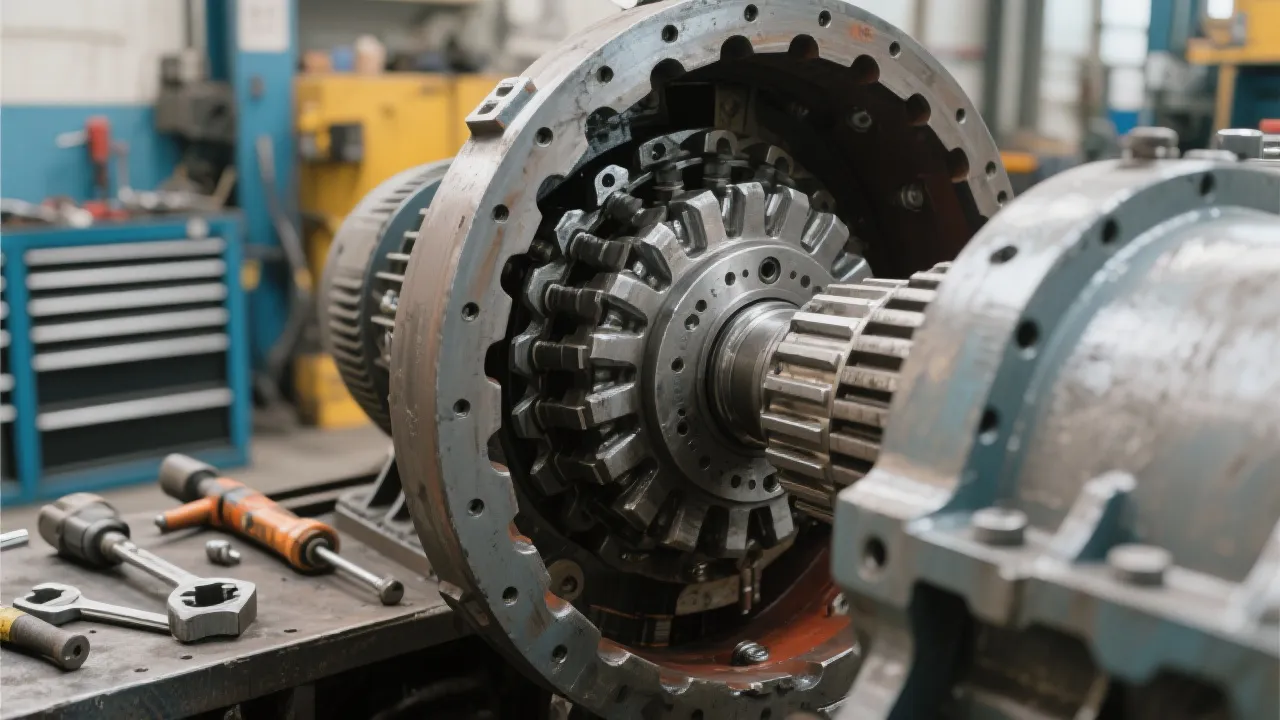
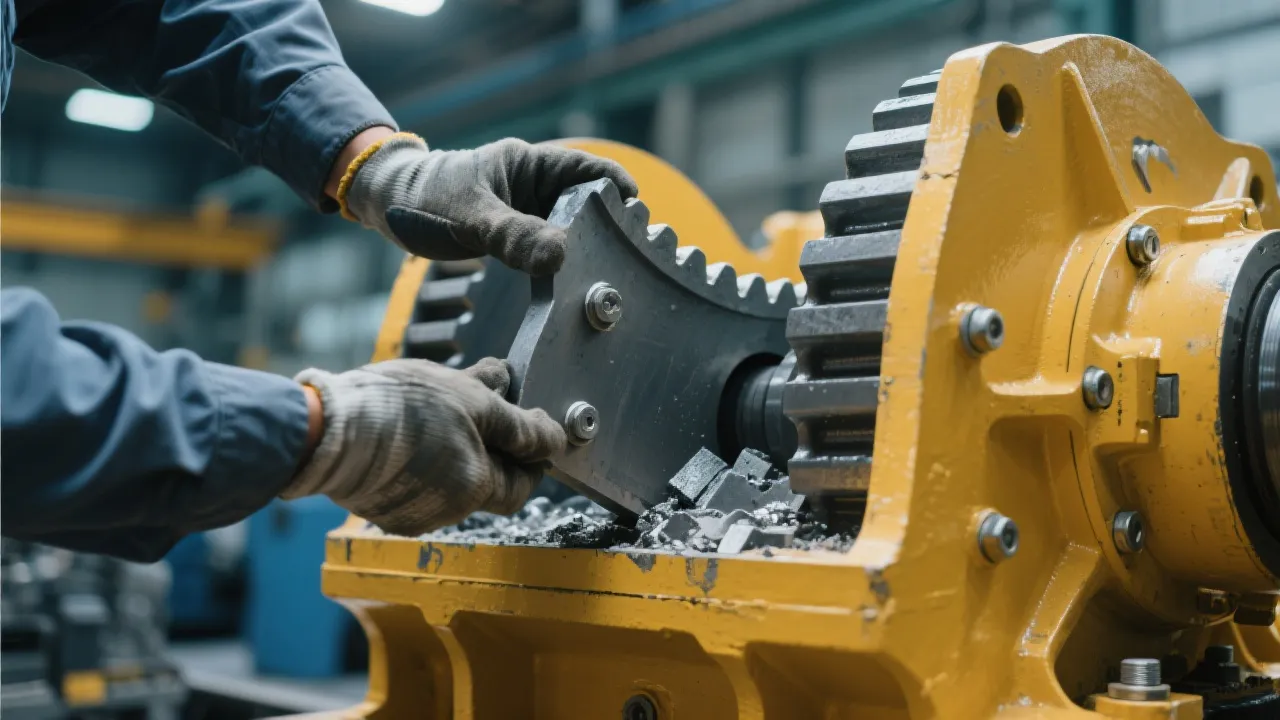
Many construction waste processing initiatives stumble during initial phases by opting for traditional jaw and hammer crusher combinations without thoroughly assessing the unique characteristics of the waste materials. This frequently results in inefficiencies such as irregular particle shapes, higher energy consumption, and accelerated wear of consumables—escalating maintenance downtime and expense over time.
Construction debris can widely vary from demolition rubble, site leftover materials, to dedicated recycled aggregate production lines. Each scenario demands tailored crushers:
Real-world data indicates that impact crushers, particularly models like the PF-1315, deliver superior outcomes in several core metrics:
| Performance Metric | Impact Crusher (PF-1315) | Jaw + Hammer Crusher Combination |
|---|---|---|
| Particle Shape Uniformity | 85% well-shaped aggregates | 65% well-shaped aggregates |
| Energy Consumption (kWh/ton) | 0.75 | 1.1 |
| Wear Part Lifespan (hours) | 1200+ | 700-900 |
"Switching to an impact crusher reduced our maintenance costs by 30% and improved aggregate quality substantially. The energy savings were visible within months." – Client Feedback, Urban Recycle Solutions
Accurate parameter selection is critical for aligning crusher operation with material attributes:
Optimizing physical space and support systems enhances crusher productivity and reduces operational headaches:
Have you encountered challenges selecting crushing equipment for your projects? Share your experience with peers in the comment section below and explore collaborative solutions.
 292
|
292
|
 ["jaw crusher maintenance"
"modern jaw crusher design"
"production efficiency improvement"
"easy wear part replacement"
"high output crushing equipment"]
482
|
VSI6X sand making machine
efficient sand production equipment
optimized sand shaping technology
146
|
impact crusher sealing system
high mud content vibration control
mining equipment stability
wear part longevity
crusher maintenance best practices
194
|
iron ore crushing problems
copper ore processing solutions
jaw crusher wear reduction
PEW jaw crusher benefits
mining equipment maintenance tips
182
|
VSI6X Sand Making Machine
new generation sand shaping equipment
efficient low-cost sand machine
high-quality manufactured sand
features and advantages of sand making machine
["jaw crusher maintenance"
"modern jaw crusher design"
"production efficiency improvement"
"easy wear part replacement"
"high output crushing equipment"]
482
|
VSI6X sand making machine
efficient sand production equipment
optimized sand shaping technology
146
|
impact crusher sealing system
high mud content vibration control
mining equipment stability
wear part longevity
crusher maintenance best practices
194
|
iron ore crushing problems
copper ore processing solutions
jaw crusher wear reduction
PEW jaw crusher benefits
mining equipment maintenance tips
182
|
VSI6X Sand Making Machine
new generation sand shaping equipment
efficient low-cost sand machine
high-quality manufactured sand
features and advantages of sand making machine




.jpg?x-oss-process=image/resize,h_800,m_lfit/format,webp)







 Facebook