
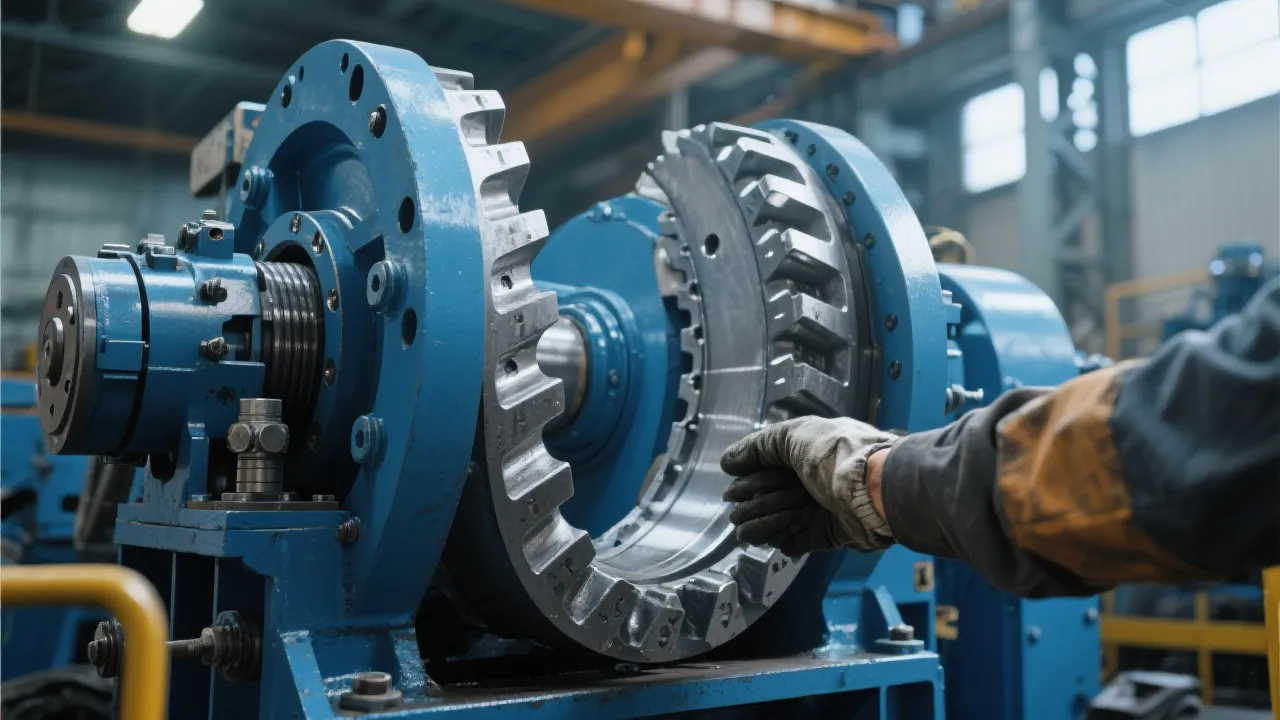
In the field of metal ore processing, the selection of suitable crushers and the optimization of their operating parameters are crucial for achieving efficient and stable production. Among them, the particle size of the ore fed into the jaw crusher has a significant impact on the wear rate of the equipment and the shape of the discharged particles. This article will conduct an in - depth technical analysis around this topic.
When it comes to the influence of ore particle size on the performance of PE jaw crushers, we can analyze it from three aspects: crushing efficiency, wear rate, and discharge particle shape. In the case of iron ore and copper ore, the actual working conditions vary greatly.
For crushing efficiency, in the feed range of 0 - 1020mm, different particle size segments have different effects. Smaller particle size ores generally have higher crushing efficiency in the initial stage because they are easier to be bitten and crushed by the jaw plates. For example, when the particle size of iron ore is between 50 - 150mm, the crushing efficiency can reach about 80%. However, when the particle size is larger than 500mm, the crushing efficiency will drop to about 60% due to the difficulty of biting and the large energy consumption.
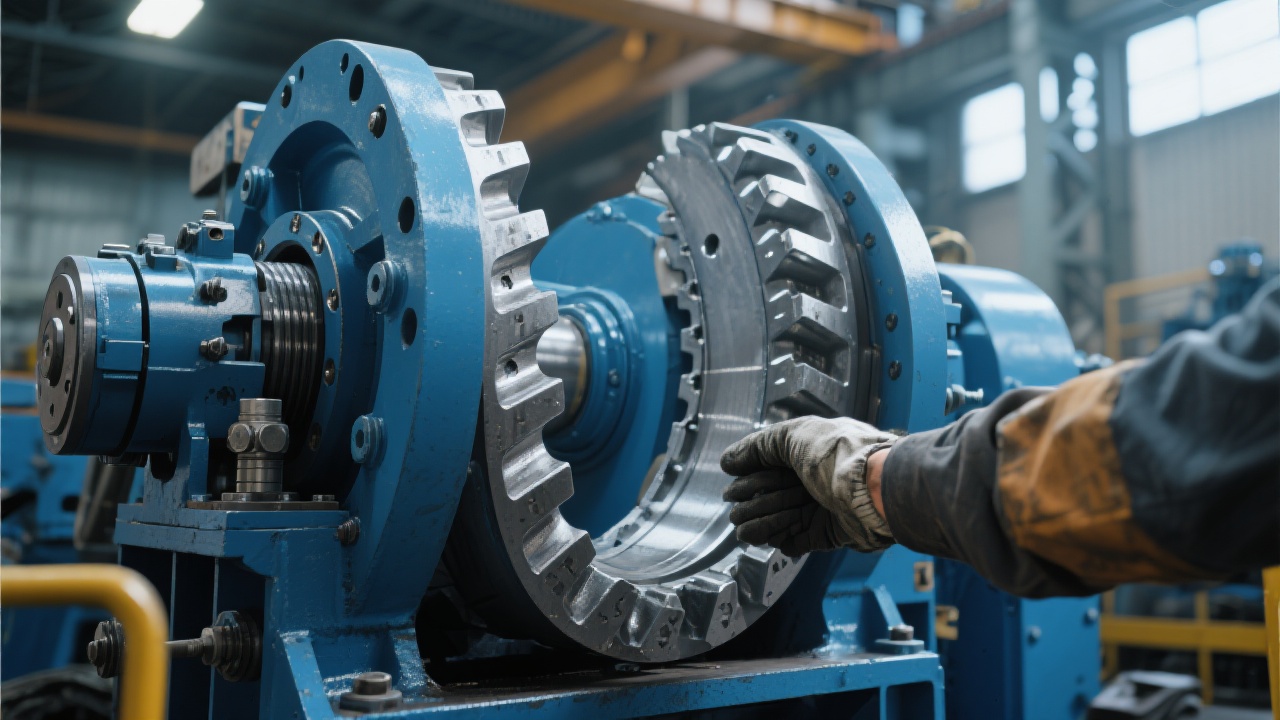
Regarding the wear rate, it is closely related to the particle size of the ore. Larger particle size ores will cause greater impact and friction on the jaw plates, resulting in a higher wear rate. According to the data, when the particle size of copper ore is in the range of 800 - 1020mm, the wear rate of the jaw plates can reach 5% per month, while when the particle size is 100 - 300mm, the wear rate is only about 1% per month. The following graph shows the relationship between the wear rate and the particle size of the ore:
In terms of the discharge particle shape, smaller particle size ores are more likely to produce regular - shaped discharge particles, which is beneficial for subsequent processing. For instance, when iron ore with a particle size of 30 - 80mm is crushed, the proportion of cubic - shaped discharge particles can reach about 70%, while for larger particle size ores, the proportion of cubic - shaped particles will be significantly reduced.
To help metal ore processing users select the most suitable PE jaw crusher, we provide a step - by - step selection logic guide:
| Ore Type | Recommended Feed Range (mm) |
|---|---|
| Iron Ore | 50 - 300 |
| Copper Ore | 80 - 400 |
According to industry data and the feedback from engineers, improper feed particle size can lead to many problems. As an engineer said, "We have encountered many cases where the crusher was overloaded and the production efficiency was low due to the large feed particle size." Have you ever encountered problems such as frequent shutdowns due to over - sized feed?
Zhengzhou Kuanglian Machinery's PE jaw crushers are designed with advanced technology and high - quality materials. They have excellent performance in terms of crushing efficiency, wear resistance, and discharge particle shape. The company can also provide customized services according to the specific needs of customers, ensuring that the equipment can adapt to different ore types and production requirements.
If you are looking for a stable - performing and customizable jaw crusher, click here to learn more about Zhengzhou Kuanglian Machinery's PE jaw crushers.
 391
|
391
|
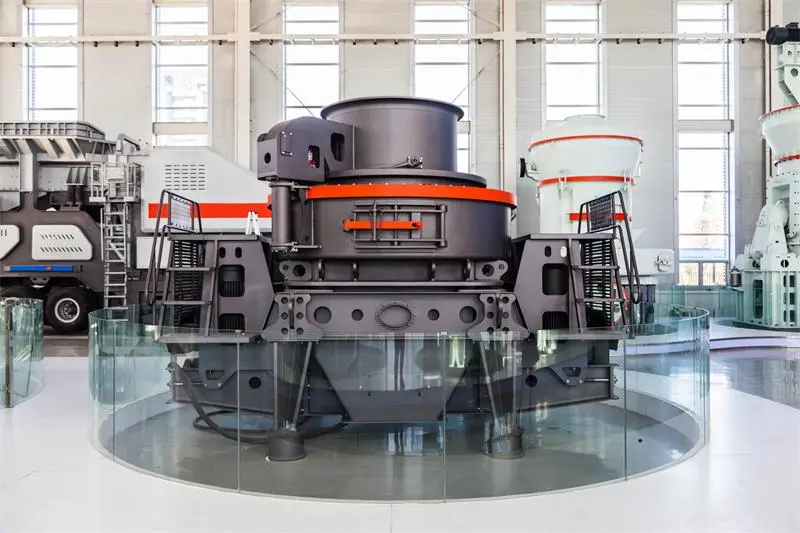
 VSI6X sand-making machine
high-efficiency energy-saving sand-making equipment
new sand-making powerhouse
long-lifespan sand-making machine
VSI6X sand-making machine customer cases
291
|
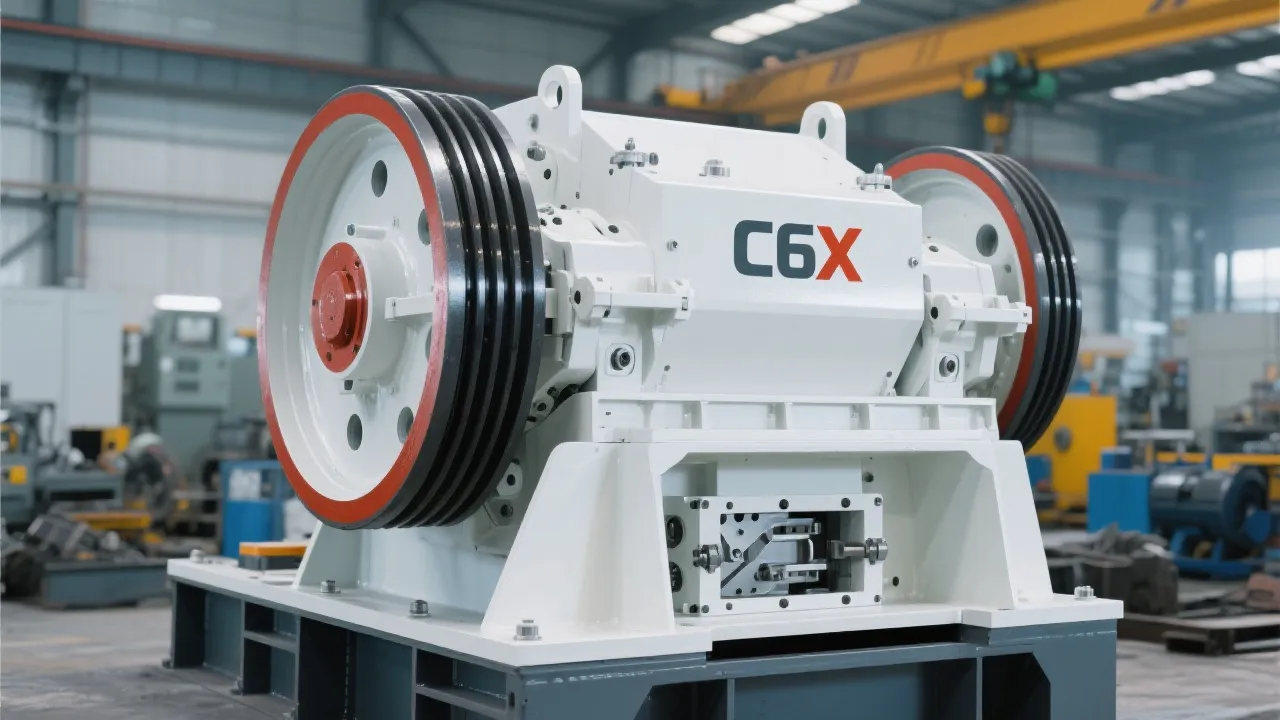
C6X jaw crusher
aggregate production efficiency
crusher technology upgrade
modular crusher design
large feeding port crusher
349
|
VSI6X Sand Making Machine
New Equipment in Sand Production Industry
Energy-Efficient Sand Making Machine
Long-Life Sand Making Equipment
Sustainable Development in Sand Production
34
|
C6X jaw crusher
large feed opening crusher
aggregate plant productivity
high-efficiency crushing technology
modular crusher design
425
|
PEW jaw crusher
non - metallic mineral crushing process
improvement of crushing ratio
energy - saving crushing equipment
jaw crusher selection guide
VSI6X sand-making machine
high-efficiency energy-saving sand-making equipment
new sand-making powerhouse
long-lifespan sand-making machine
VSI6X sand-making machine customer cases
291
|
C6X jaw crusher
aggregate production efficiency
crusher technology upgrade
modular crusher design
large feeding port crusher
349
|
VSI6X Sand Making Machine
New Equipment in Sand Production Industry
Energy-Efficient Sand Making Machine
Long-Life Sand Making Equipment
Sustainable Development in Sand Production
34
|
C6X jaw crusher
large feed opening crusher
aggregate plant productivity
high-efficiency crushing technology
modular crusher design
425
|
PEW jaw crusher
non - metallic mineral crushing process
improvement of crushing ratio
energy - saving crushing equipment
jaw crusher selection guide



.jpg?x-oss-process=image/resize,h_800,m_lfit/format,webp)



.jpg?x-oss-process=image/resize,m_fill,h_800,w_800/format,webp)



 Facebook