
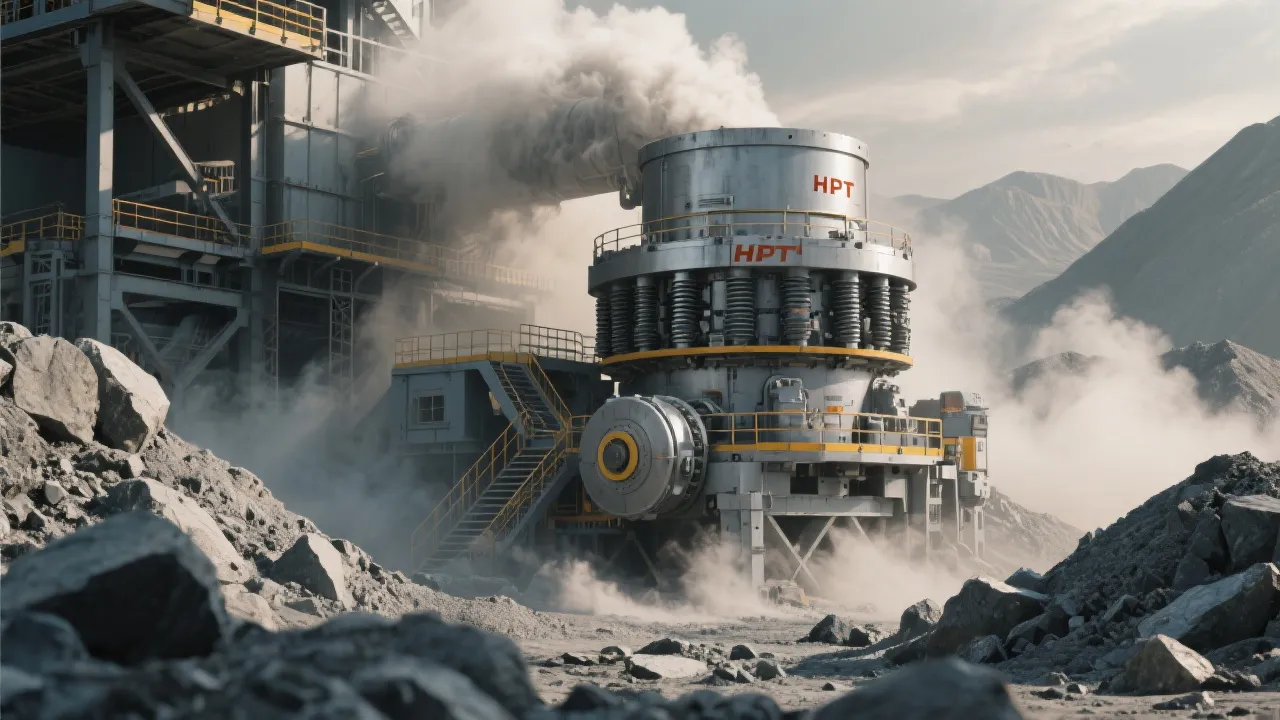
In the fast-paced world of infrastructure development, aggregate crushing plants face unprecedented pressure to deliver more output while maintaining efficiency and reducing operational costs. The challenge becomes particularly acute under high-load conditions, where traditional control systems often struggle to maintain optimal performance. This is where intelligent control systems are revolutionizing the industry, offering a transformative solution to longstanding efficiency bottlenecks.
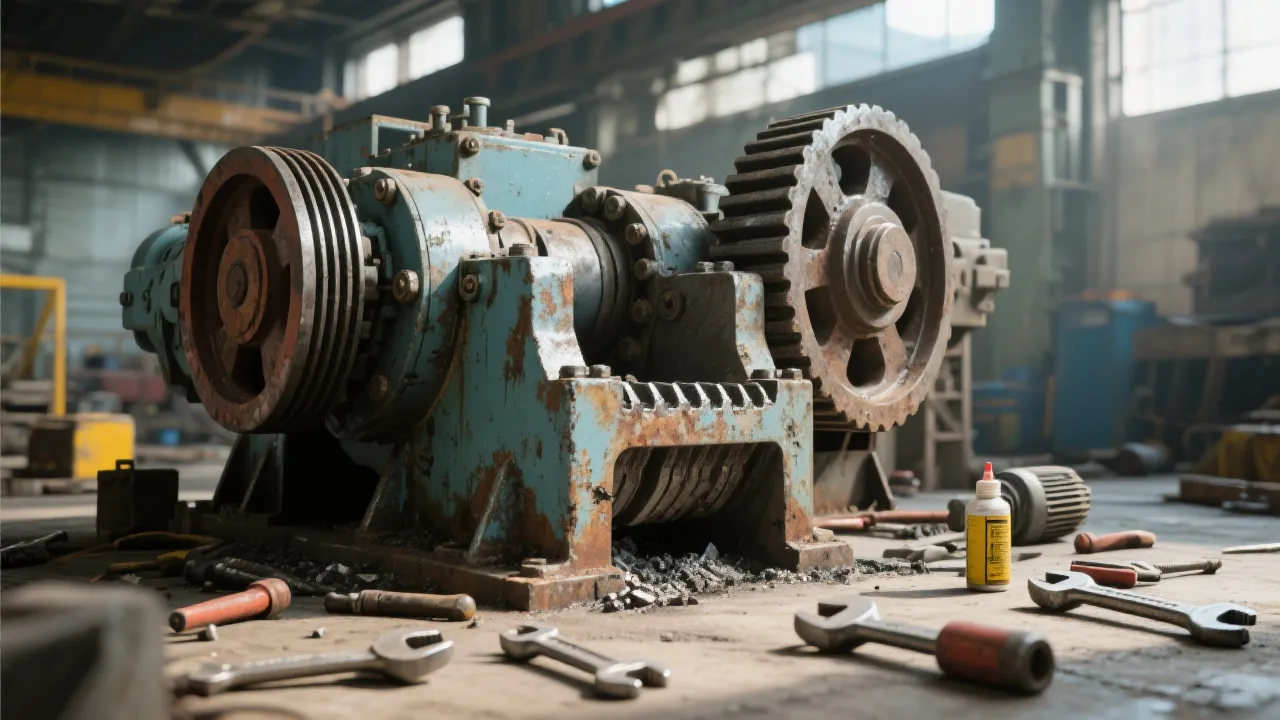
Many aggregate producers continue to rely on conventional control methods that depend heavily on manual intervention and reactive maintenance. This approach comes with significant drawbacks:
These inefficiencies become even more pronounced during peak demand periods when plants operate at maximum capacity for extended periods. The cumulative effect can reduce overall plant profitability by 12-18% annually, according to industry research.
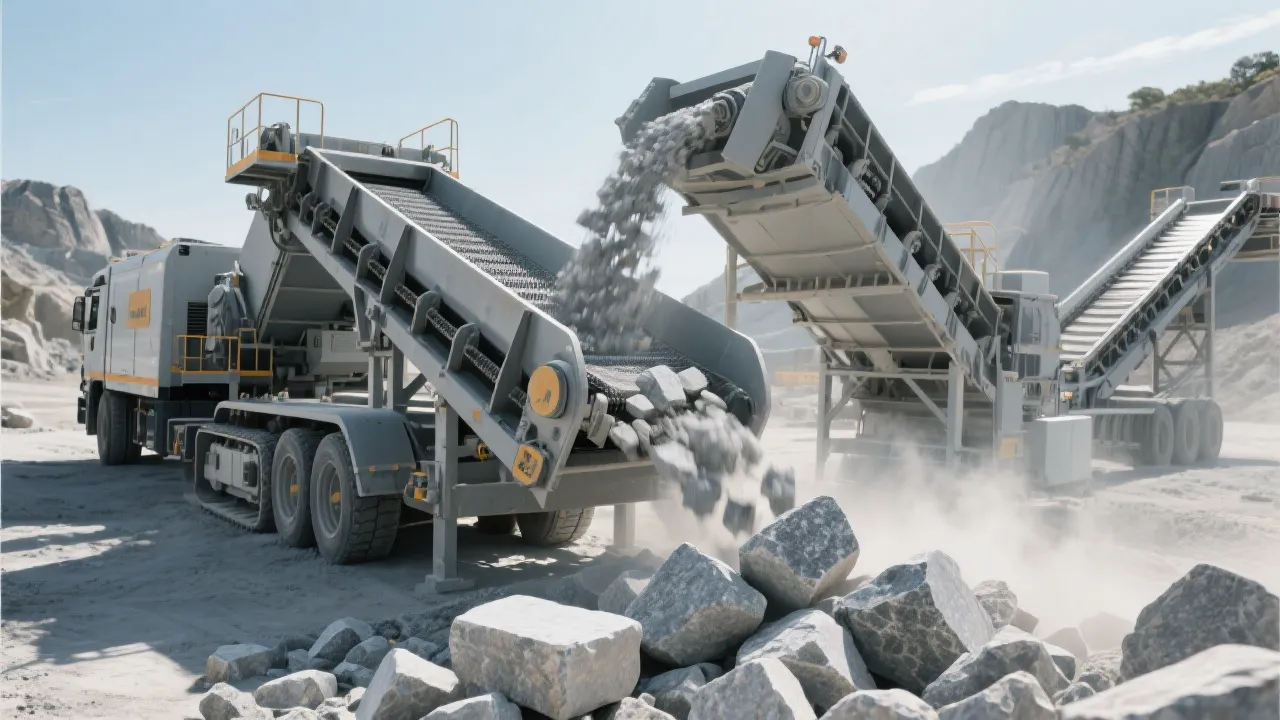
Intelligent control systems create a seamlessly integrated production line where every component communicates and adapts in real-time. Unlike traditional setups with isolated equipment, smart systems optimize the entire crushing process as a unified ecosystem.
The heart of this technology lies in advanced algorithms that continuously adjust feed rates, crusher settings, and conveyor speeds based on real-time material characteristics and equipment performance data.

One of the most significant advantages of intelligent control is its ability to predict equipment failures before they occur. By continuously monitoring vibration patterns, temperature fluctuations, and performance metrics, the system can identify early warning signs of potential issues.
| Maintenance Approach | Downtime Reduction | Maintenance Cost Savings | Equipment Lifespan Extension |
|---|---|---|---|
| Reactive (Traditional) | 0% | 0% | 0% |
| Preventive | 15-20% | 10-15% | 10-15% |
| Predictive (Intelligent Control) | 30-45% | 25-35% | 20-30% |
Energy costs represent a significant portion of crushing plant operational expenses, often accounting for 30-40% of total operating costs. Intelligent control systems address this through dynamic load management and optimized equipment sequencing.
By analyzing real-time energy consumption patterns and adjusting processes accordingly, these systems typically achieve 15-25% energy savings. This not only reduces operational costs but also aligns with increasingly stringent environmental regulations and sustainability goals.
Consider the experience of a mid-sized aggregate producer in Western Europe that implemented an intelligent control system across their 500 t/h crushing plant. Within six months of implementation, they documented impressive results:
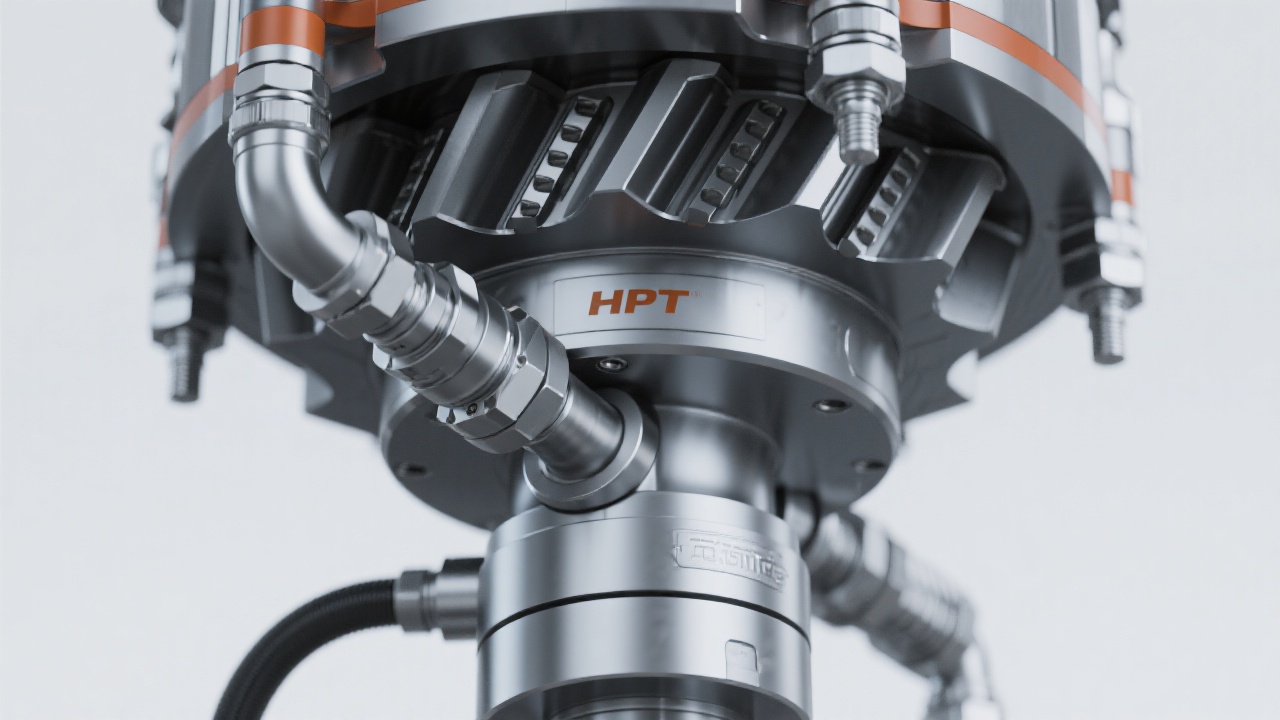
Figure 2: Performance improvements following intelligent control system implementation at a European aggregate facility
While the benefits are clear, successful implementation requires careful planning and consideration of several factors:
When selecting an intelligent control solution, it's crucial to ensure compatibility with existing equipment and the ability to scale as your operations grow. Look for modular systems that can adapt to your specific production requirements without requiring complete overhauls.
Even the most advanced system will underperform without proper operator training. Allocate sufficient resources for comprehensive training programs that help your team transition from manual to intelligent operations. Emphasize the system as a tool that enhances their capabilities rather than replacing their expertise.
With increased connectivity comes the need for robust cybersecurity measures. Ensure your intelligent control system includes industry-standard security protocols to protect sensitive operational data while maintaining reliable connectivity for real-time monitoring and adjustments.
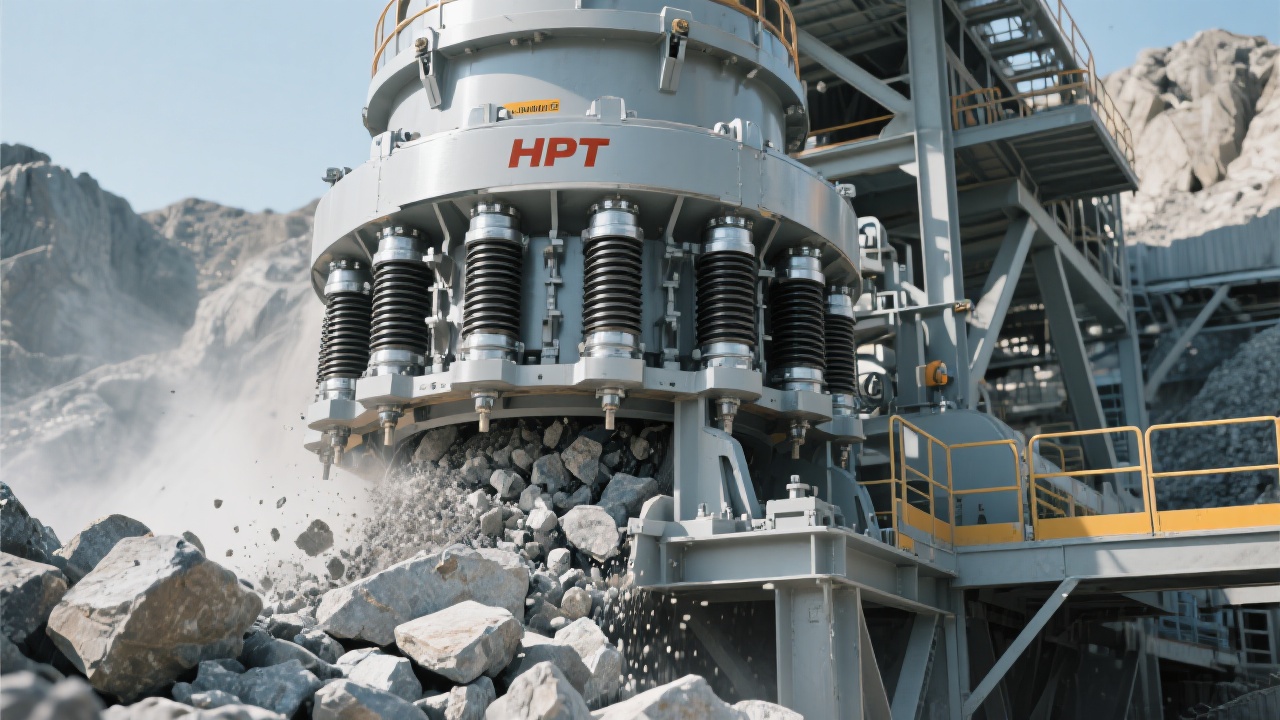
As artificial intelligence and machine learning technologies continue to advance, the capabilities of intelligent control systems will only expand. Future developments may include enhanced predictive analytics, integration with supply chain management systems, and even autonomous operation in certain applications.
For forward-thinking aggregate producers, the question is no longer whether to invest in intelligent control, but how quickly they can implement these systems to gain a competitive edge. The plants that embrace this technology today are positioning themselves to lead in an increasingly demanding market.
Discover how our intelligent control solutions can help you overcome efficiency bottlenecks and achieve sustainable operational improvements.
Schedule a Personalized ConsultationThe insights provided in this article are based on industry research and real-world applications of intelligent control systems in aggregate processing. Individual results may vary based on specific plant conditions and implementation approaches.
 124
|
124
|
 impact crusher stoppage causes
rotor imbalance solutions
heavy-duty rotor design
crushing efficiency optimization
mining equipment maintenance
488
|
PE jaw crusher application tips
metal ore crushing mistakes
jaw crusher discharge setting
crusher technology analysis
mining equipment usage guide
284
|
PFW impact crusher for chemical industry
phosphate rock crushing equipment
fluorite processing crusher
gypsum crushing solution
dual wedge discharge adjustment
493
|
PFW impact crusher application scenarios
Chemical raw material crushing equipment recommendation
Multi - industry general crusher
Influence of double - wedge adjustment mechanism on discharge particle shape
Phosphorus ore processing crushing equipment selection
86
|
Traditional jaw crusher maintenance problems
C6X jaw crusher advantages
Crusher maintenance techniques
High - yield crusher technology
Equipment maintenance efficiency improvement
impact crusher stoppage causes
rotor imbalance solutions
heavy-duty rotor design
crushing efficiency optimization
mining equipment maintenance
488
|
PE jaw crusher application tips
metal ore crushing mistakes
jaw crusher discharge setting
crusher technology analysis
mining equipment usage guide
284
|
PFW impact crusher for chemical industry
phosphate rock crushing equipment
fluorite processing crusher
gypsum crushing solution
dual wedge discharge adjustment
493
|
PFW impact crusher application scenarios
Chemical raw material crushing equipment recommendation
Multi - industry general crusher
Influence of double - wedge adjustment mechanism on discharge particle shape
Phosphorus ore processing crushing equipment selection
86
|
Traditional jaw crusher maintenance problems
C6X jaw crusher advantages
Crusher maintenance techniques
High - yield crusher technology
Equipment maintenance efficiency improvement
.jpg?x-oss-process=image/resize,h_800,m_lfit/format,webp)

.jpg?x-oss-process=image/resize,h_800,m_lfit/format,webp)







 Facebook