
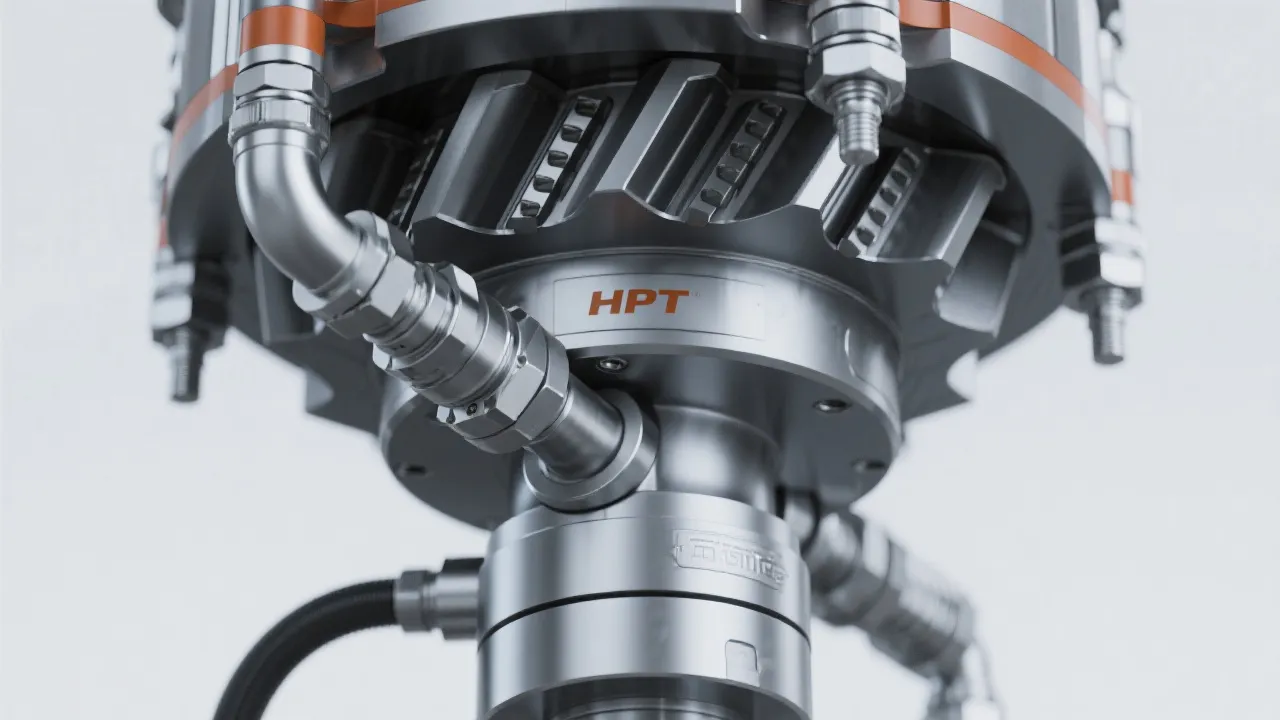
In the demanding environment of mining operations, equipment reliability directly impacts productivity and profitability. Multi-cylinder hydraulic cone crushers stand as workhorses in mineral processing, yet their performance is often compromised by inadequate lubrication practices. Traditional manual lubrication methods have long been a weak link in maintenance protocols, leading to premature wear, unexpected breakdowns, and excessive downtime.
Recent industry studies indicate that approximately 40% of crusher failures can be attributed to lubrication-related issues, resulting in average production losses of $25,000 to $100,000 per hour of unplanned downtime. This is where intelligent hydraulic lubrication systems are transforming mining operations, offering a proactive approach to equipment maintenance that significantly reduces failure rates while optimizing performance.
Modern intelligent lubrication systems can reduce crusher failure rates by up to 65% while extending component lifespan by 40-50% compared to traditional manual lubrication methods.
Intelligent lubrication systems represent a significant advancement over conventional methods by integrating precision delivery, real-time monitoring, and adaptive control. These systems operate on a closed-loop principle, continuously regulating lubricant flow, pressure, and distribution based on actual equipment operating conditions rather than fixed schedules.
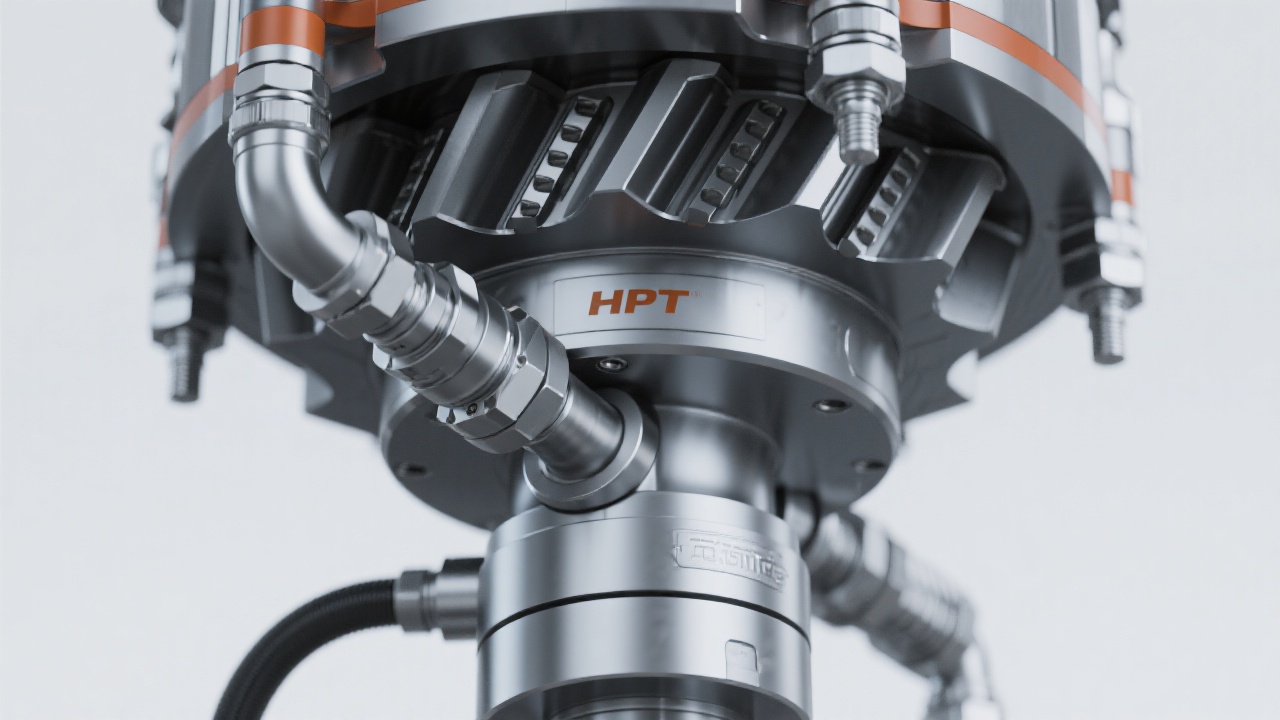
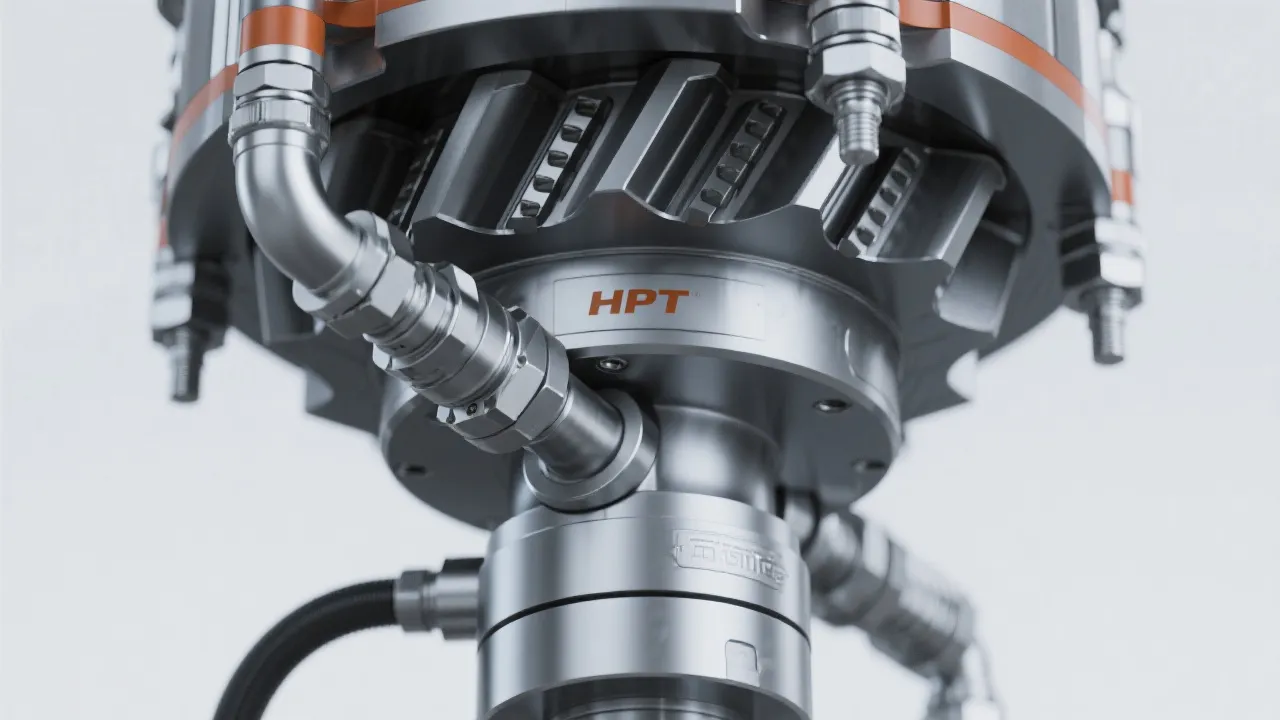
The system comprises several critical components working in harmony: precision pumps deliver metered amounts of lubricant to specific bearing points, while sensors continuously monitor temperature, pressure, and flow rates. This data is processed by a central controller that adjusts lubrication parameters in real-time, ensuring optimal lubrication under varying load conditions and operating temperatures.
Traditional manual lubrication relies heavily on operator diligence and fixed maintenance schedules, creating significant room for human error and inefficiency. Over-lubrication leads to energy waste and contamination, while under-lubrication causes metal-to-metal contact and accelerated wear.
| Performance Metric | Traditional Manual Lubrication | Intelligent Lubrication System | Improvement |
|---|---|---|---|
| Mean Time Between Failures (MTBF) | 1,200 hours | 3,400 hours | +183% |
| Lubricant Consumption | 100% | 62% | -38% |
| Maintenance Labor Costs | 100% | 45% | -55% |
| Unscheduled Downtime | 100% | 35% | -65% |
A mid-sized copper mine in Chile implemented an intelligent lubrication system on their multi-cylinder hydraulic cone crushers and documented impressive results over an 18-month period. The operation had previously struggled with an average of 12 lubrication-related breakdowns per year, each resulting in approximately 16 hours of downtime.
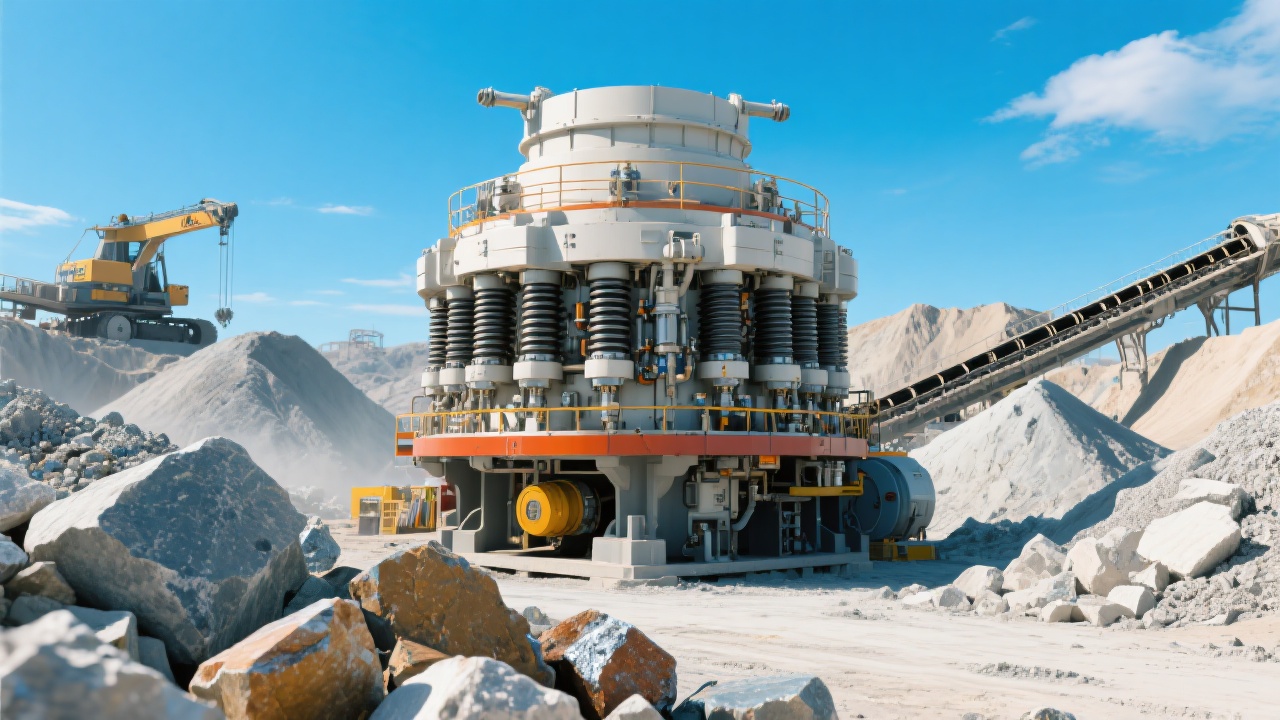
After implementing the intelligent system, the mine experienced only 3 lubrication-related incidents during the same period, representing a 75% reduction in failures. This translated to approximately 144 fewer hours of unplanned downtime annually, resulting in an estimated production increase of 8,640 tons of ore processed – a value of over $1.2 million in additional revenue.
Q: How does the intelligent lubrication system adapt to varying crusher loads?
A: The system continuously monitors crusher load, speed, and temperature, adjusting lubricant flow and pressure accordingly. During peak loads, the system increases lubrication to handle higher friction and heat, while reducing consumption during lighter loads – ensuring optimal lubrication at all times.
Q: Can existing crushers be retrofitted with intelligent lubrication systems?
A: Yes, most modern multi-cylinder hydraulic cone crushers can be retrofitted with intelligent lubrication systems. The installation typically takes 2-3 days and can often be completed during scheduled maintenance periods to minimize production disruption.
Q: What kind of return on investment can we expect?
A: Depending on production volume and current failure rates, most mining operations see a return on investment within 6-12 months. The primary drivers of ROI are reduced downtime, lower maintenance costs, extended component life, and improved energy efficiency.
The true power of intelligent lubrication systems is realized when integrated with a PLC electrical monitoring system, creating a fully connected ecosystem for crusher management. This integration enables centralized control, remote monitoring, and predictive maintenance capabilities that transform how mining operations approach equipment reliability.
The PLC system acts as the central nervous system, collecting data from the lubrication system's sensors and other critical crusher components. This data is analyzed in real-time to identify potential issues before they escalate into failures. Operators receive instant alerts for abnormal conditions, allowing for proactive intervention.
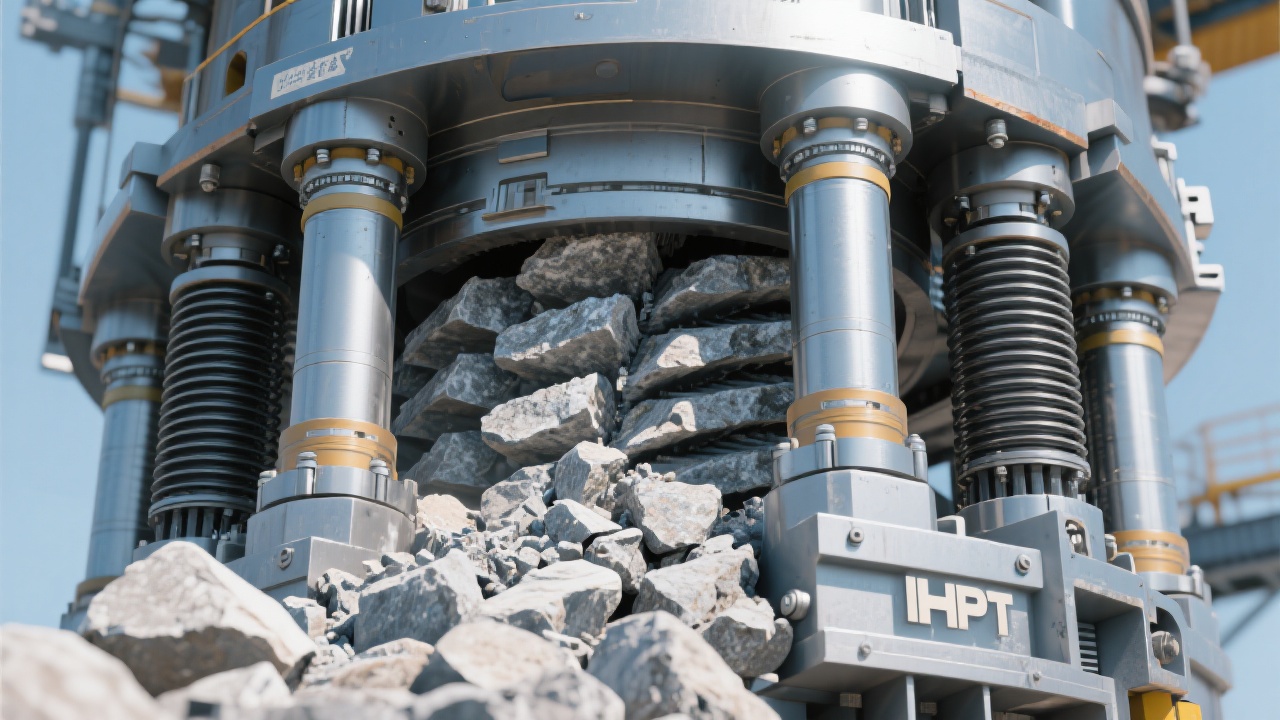
Furthermore, the historical data collected by the PLC system enables data-driven maintenance planning. By analyzing trends in lubricant condition, temperature variations, and bearing performance, maintenance teams can move from reactive to predictive maintenance, scheduling interventions only when necessary and maximizing equipment uptime.
让您的破碎线更少停机、更多产出 with our advanced intelligent lubrication systems designed specifically for multi-cylinder hydraulic cone crushers.
Discover How 矿联 Can Reduce Your Crusher Downtime by 65%选择智能润滑,就是选择长期稳定的投资回报
As mining operations continue to pursue greater efficiency and productivity, intelligent lubrication systems have emerged as a critical technology for modern crusher management. By combining precision lubrication delivery with advanced monitoring and control capabilities, these systems not only reduce failure rates but also provide valuable insights that drive continuous improvement in maintenance practices.
The integration of these systems into broader mine automation strategies represents the future of mining equipment management – a future where unplanned downtime becomes the exception rather than the rule, and where every ton of ore processed contributes more effectively to the bottom line.
 193
|
193
|
 impact crusher bearing overheating
construction waste crusher maintenance
PF-1315 crusher bearing failure
crusher lubrication issues
bearing temperature abnormality
482
|
VSI6X sand making machine
efficient sand production equipment
optimized sand shaping technology
184
|
Chemical crushing equipment
Impact crusher lubrication system
Centralized lubrication solution
High-temperature material crushing equipment maintenance
Low-maintenance crusher
486
|
C6X jaw crusher
crusher maintenance efficiency
equipment structural optimization
wear - part replacement
production efficiency improvement
413
|
Non - metallic mineral crushing
PEW jaw crusher
Particle shape control
Crushing technology
Equipment selection
impact crusher bearing overheating
construction waste crusher maintenance
PF-1315 crusher bearing failure
crusher lubrication issues
bearing temperature abnormality
482
|
VSI6X sand making machine
efficient sand production equipment
optimized sand shaping technology
184
|
Chemical crushing equipment
Impact crusher lubrication system
Centralized lubrication solution
High-temperature material crushing equipment maintenance
Low-maintenance crusher
486
|
C6X jaw crusher
crusher maintenance efficiency
equipment structural optimization
wear - part replacement
production efficiency improvement
413
|
Non - metallic mineral crushing
PEW jaw crusher
Particle shape control
Crushing technology
Equipment selection






.jpg?x-oss-process=image/resize,m_fill,h_800,w_800/format,webp)




 Facebook