

In the demanding environment of mining operations, equipment reliability directly impacts productivity and profitability. Among the most critical assets in mineral processing, multi-cylinder hydraulic cone crushers face extreme loads and harsh conditions that traditionally resulted in significant downtime. Recent advancements in intelligent lubrication systems have transformed this landscape, with modern solutions like those integrated in HPT series crushers reducing mechanical failures by an impressive 40-60% compared to conventional lubrication methods.
Industry studies show that unplanned maintenance events for cone crushers typically cost operations between $5,000 to $25,000 per hour in lost production. The primary cause? Inadequate lubrication accounting for approximately 70% of all mechanical failures in crushing equipment. This staggering statistic highlights why progressive mining operations are investing in intelligent lubrication technology as a strategic priority rather than a maintenance expense.
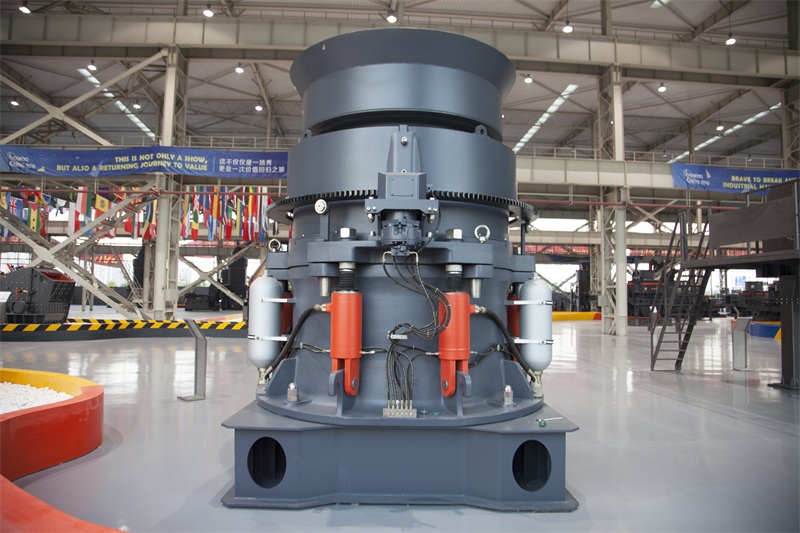
Traditional manual lubrication processes are inherently flawed, relying on operator compliance with maintenance schedules and proper execution. Even with well-trained staff, studies indicate that manual lubrication programs miss up to 35% of scheduled lubrication points during a typical shift due to time constraints and human error.
Intelligent lubrication systems address these challenges through:
A mid-sized copper mine in Chile implemented an intelligent lubrication system on their HPT300 multi-cylinder cone crusher and documented remarkable results over a 12-month period:
The mine reported a full return on investment within 8.5 months of implementation through reduced maintenance costs and increased production output.
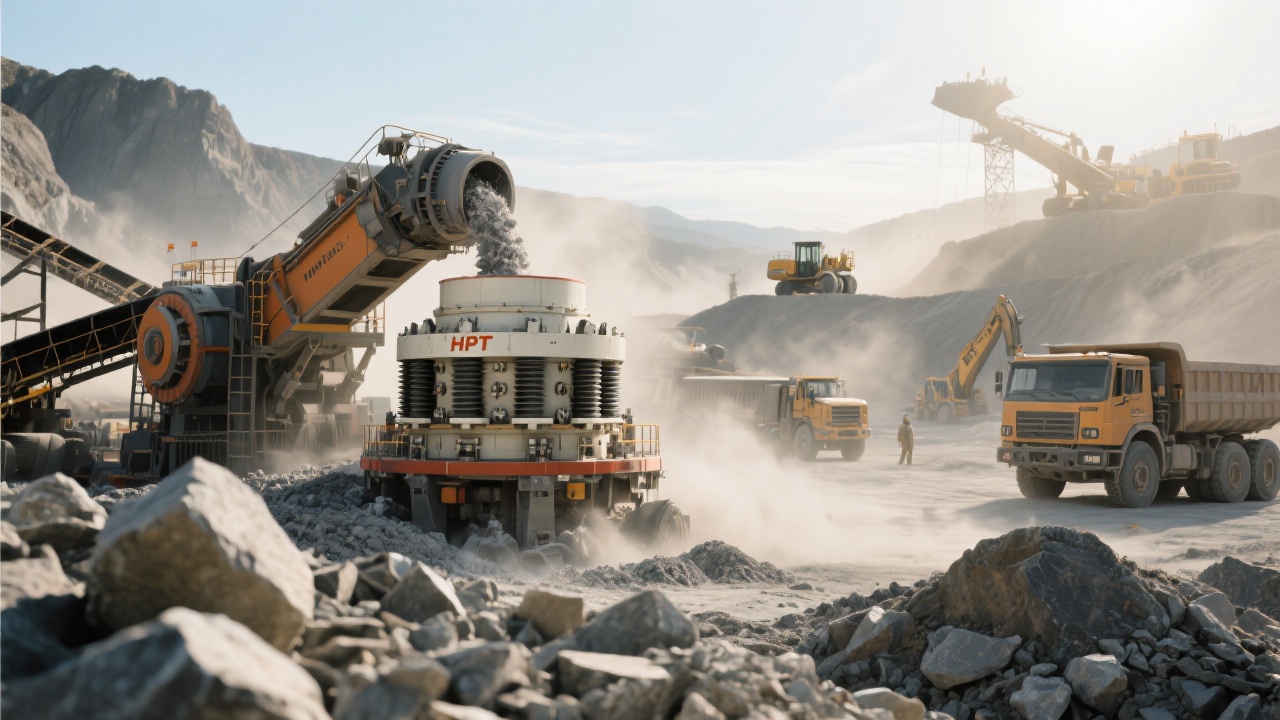
Modern intelligent lubrication systems don't operate in isolation. They integrate seamlessly with PLC (Programmable Logic Controller) electrical monitoring systems to create a comprehensive equipment health management solution. This integration enables:
Sensors continuously track temperature, pressure, and flow rates, providing immediate alerts to potential issues before they escalate into failures.
The system automatically adjusts lubrication frequency based on actual crusher load, operating time, and material characteristics.
Maintenance teams gain unprecedented visibility into equipment health through intuitive HMI interfaces, enabling data-driven decision making rather than reactive maintenance.
While intelligent lubrication systems significantly reduce manual intervention, proactive maintenance practices remain essential for maximizing equipment lifespan. Based on field experience with over 500 installations, we recommend these actionable strategies:
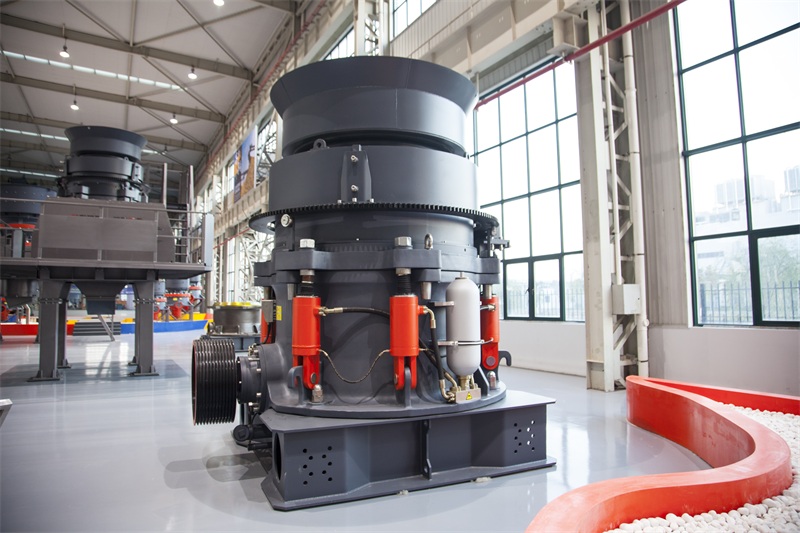
A: Modern systems include temperature sensors that automatically adjust lubricant delivery rates and viscosity based on operating conditions, ensuring optimal lubrication in environments ranging from -20°C to 50°C.
A: Yes, most systems are designed for retrofitting with minimal modifications. Our engineering team has successfully retrofitted over 200 crushers manufactured by various OEMs with intelligent lubrication systems.
A: With proper maintenance, the system components typically last 5-7 years, with the PLC and electronic components having an expected service life of 8-10 years.
When evaluating the investment in intelligent lubrication systems, mining operations must consider the total cost of ownership rather than upfront expenses. A comprehensive ROI analysis should include:
Based on industry data, the average payback period for intelligent lubrication systems in medium to large crushing operations ranges from 6 to 14 months, with ongoing annual savings of $150,000 to $400,000 per crusher.
Download our comprehensive technical guide and discover how intelligent lubrication can reduce your crusher downtime by up to 60%.
Access Your Free Technical Guide NowAs mining operations face increasing pressure to optimize productivity while reducing costs, intelligent lubrication systems have emerged as a proven solution for multi-cylinder hydraulic cone crushers. By combining advanced technology with practical maintenance strategies, these systems deliver measurable improvements in reliability, safety, and profitability. The data speaks for itself – operations that have embraced this technology are seeing significant competitive advantages in an increasingly challenging industry landscape.
 127
|
127
|
 Metal ore jaw crusher selection
Crusher feed size matching
Ore particle size and crushing efficiency
PE jaw crusher application cases
Optimization of mining crushing equipment
302
|
impact crusher troubleshooting
stone crushing equipment failure
mining crusher optimization
CI5X impact crusher
crusher configuration for different rocks
320
|
VSI6X Sand Maker
efficient sand-making equipment
cost-effective sand production
diverse material crushing
sand shaping equipment
179
|
jaw crusher efficiency
crushing chamber design optimization
ore crushing technology
troubleshooting techniques
PEW jaw crusher
89
|
Metal ore crushing solutions
PEW jaw crusher application guide
Iron ore crushing efficiency improvement
Jaw crusher maintenance tips
Wear - resistant alloy moving jaw plate
Metal ore jaw crusher selection
Crusher feed size matching
Ore particle size and crushing efficiency
PE jaw crusher application cases
Optimization of mining crushing equipment
302
|
impact crusher troubleshooting
stone crushing equipment failure
mining crusher optimization
CI5X impact crusher
crusher configuration for different rocks
320
|
VSI6X Sand Maker
efficient sand-making equipment
cost-effective sand production
diverse material crushing
sand shaping equipment
179
|
jaw crusher efficiency
crushing chamber design optimization
ore crushing technology
troubleshooting techniques
PEW jaw crusher
89
|
Metal ore crushing solutions
PEW jaw crusher application guide
Iron ore crushing efficiency improvement
Jaw crusher maintenance tips
Wear - resistant alloy moving jaw plate



.jpg?x-oss-process=image/resize,m_fill,h_800,w_800/format,webp)




.jpg?x-oss-process=image/resize,h_800,m_lfit/format,webp)
.jpg?x-oss-process=image/resize,h_800,m_lfit/format,webp)


 Facebook