
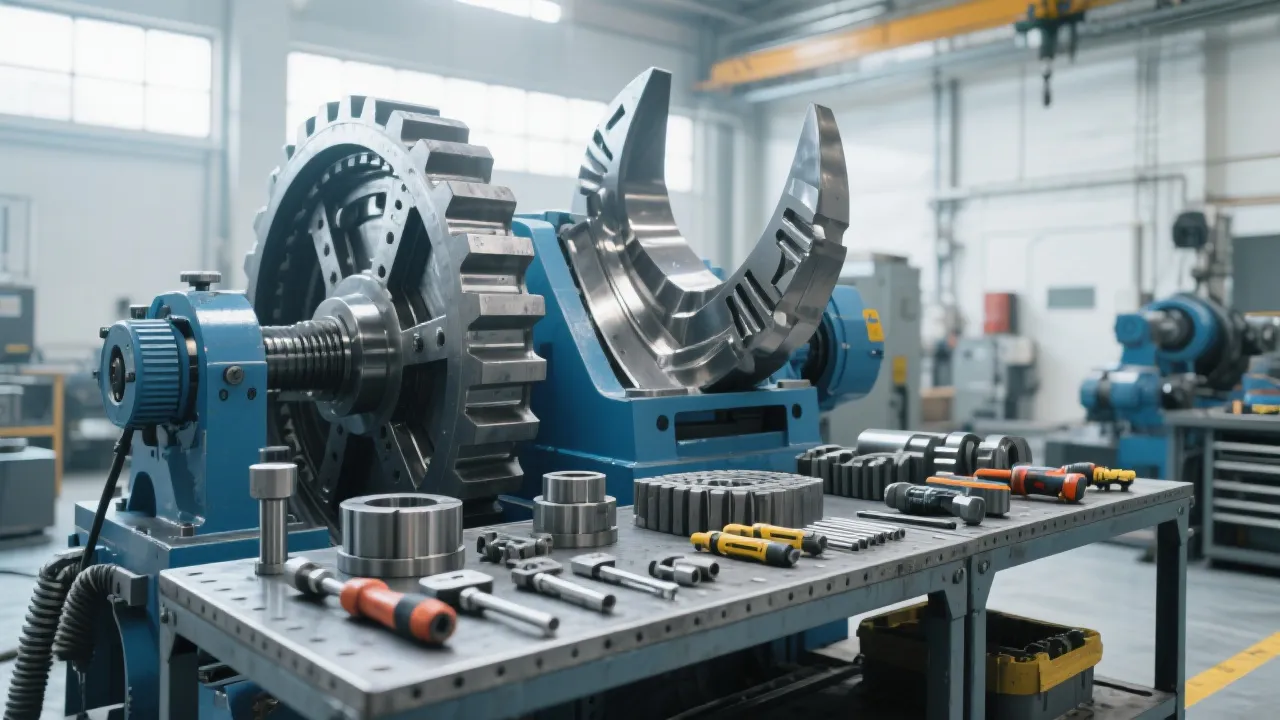
When it comes to optimizing metal ore processing operations, one critical yet often overlooked factor is the feed size range—specifically, how variations from 0 mm to 1020 mm affect jaw crusher efficiency, wear rate, and final product shape. This article delves into real-world data from iron, copper, and bauxite mines to reveal actionable insights that can significantly reduce operational costs while improving throughput consistency.
| Feed Size Range (mm) | Average Wear Rate Increase (%) | Outfeed Particle Shape Index* | Efficiency Drop at Overload |
|---|---|---|---|
| 0–300 | +12% | Good (78%) | Minimal |
| 301–600 | +35% | Moderate (65%) | ~15% loss in capacity |
| 601–1020 | +68% | Poor (42%) | Up to 30% productivity drop |
*Particle Shape Index: Based on ASTM D4792 standards, where higher values indicate more cubical, less flaky output—critical for downstream processes like grinding or flotation.
A major Brazilian iron ore producer reported a 40% increase in jaw plate replacements after feeding uncrushed run-of-mine material (avg. 850 mm) directly into their PE jaw crusher. After adjusting feed size to under 400 mm using pre-screening, they reduced wear parts consumption by 28%, improved particle uniformity, and maintained steady production rates over six months without downtime due to crushing chamber blockage.
The takeaway? There’s no universal “ideal” feed size—it depends on your ore type, desired output, and equipment specs. But ignoring this relationship leads to predictable consequences: excessive wear, inconsistent product quality, and unnecessary energy use. For instance, feeding oversized material into a machine designed for 300–600 mm results in inefficient compression and premature failure of manganese steel liners.
If you’re currently experiencing high maintenance costs or unstable product gradation, consider reviewing your current feed preparation process. A simple change—from raw dump trucks to controlled pre-crushing—can yield measurable ROI within 3–6 months.
Our team has helped over 120 mining operations worldwide fine-tune their feed size strategy using proven methods and customized solutions tailored to rock hardness, moisture content, and throughput goals.
Get a Free Feed Size Assessment for Your Operation




.jpg?x-oss-process=image/resize,m_fill,h_800,w_800/format,webp)


 Facebook