

In the mining industry, where operational efficiency directly impacts profitability, jaw crushers stand as the workhorses of primary crushing operations. However, many mining sites still struggle with feeding inefficiencies that lead to an average of 15-20% production loss, according to industry research by the Mining Equipment Manufacturers Association. This guide explores practical techniques to optimize feeding systems, focusing on vibration feeder technology and material特性 matching.
Unstable feeding to jaw crushers creates a domino effect of operational challenges. A 2022 survey of mining operations revealed that 68% of unplanned downtime in crushing circuits could be attributed to feeding issues. These problems manifest in several ways:
Addressing these challenges requires a systematic approach to feeding system optimization, where vibration feeder technology plays a pivotal role in achieving consistent material flow.
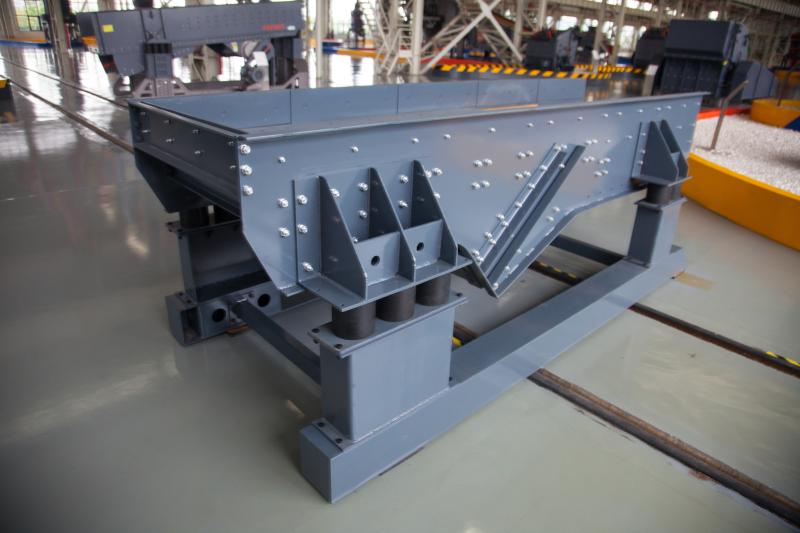
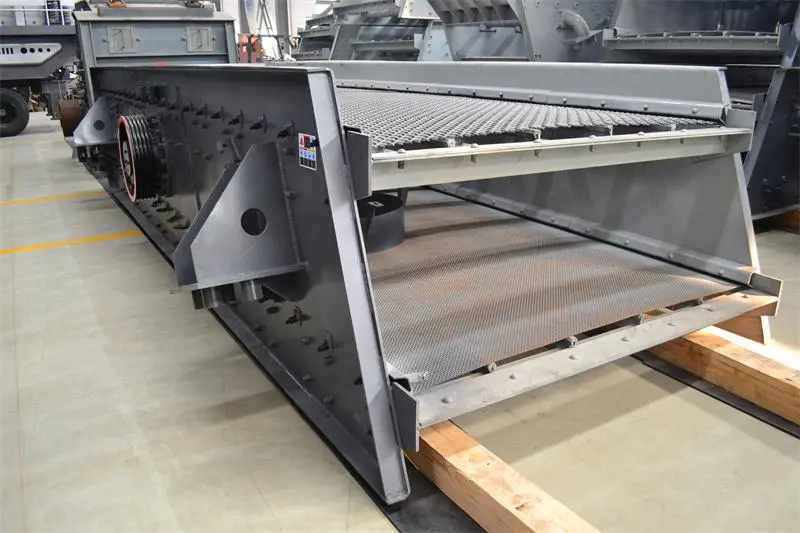
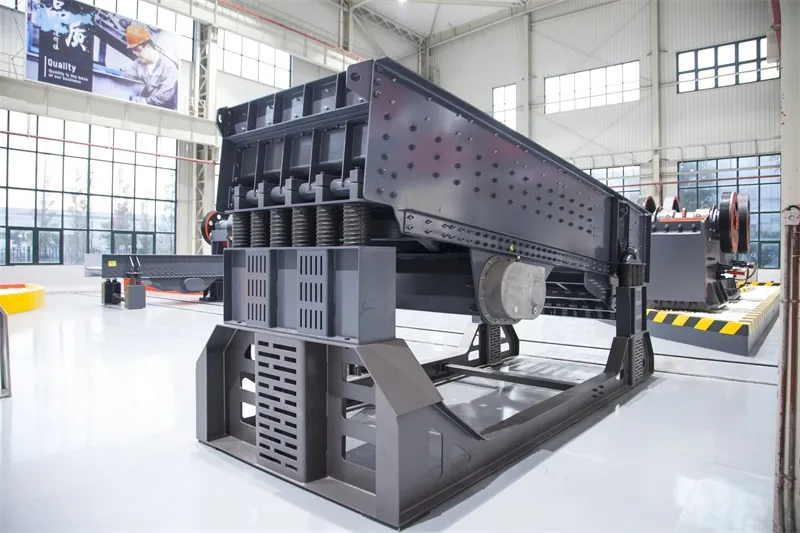
Vibration feeders operate on the principle of controlled vibration to transport material uniformly. The core components include the vibration motor, spring system, and feeder tray, working in harmony to create linear motion that propels material forward.
Proper adjustment of these parameters ensures that material moves at a consistent rate without segregation, bridging, or blockages—common issues that plague inefficient feeding systems.
Different materials require specific vibration settings to achieve optimal flow. A one-size-fits-all approach to frequency adjustment often results in suboptimal performance. Consider these guidelines based on material characteristics:
| Material Type | Optimal Frequency Range (Hz) | Recommended Amplitude (mm) | Key Considerations |
|---|---|---|---|
| Coarse aggregates (30-100mm) | 45-50Hz | 2.0-3.0mm | Higher amplitude to overcome interparticle friction |
| Medium ores (10-30mm) | 50-55Hz | 1.5-2.0mm | Balanced frequency/amplitude for consistent flow |
| Fine materials (<10mm) | 55-60Hz | 0.5-1.5mm | Higher frequency prevents material compaction |
| Wet/sticky materials | 50-55Hz | 1.8-2.5mm | Increased amplitude to prevent adhesion to tray |
Successful feeding system optimization begins with a thorough understanding of material properties. Four key characteristics determine feeding behavior:
Wide size ranges require careful frequency adjustment to prevent segregation. Installing a scalping screen before the feeder can significantly improve uniformity.
Higher density materials (e.g., iron ore) require higher amplitude settings to achieve proper flow rates compared to lower density materials like coal.
Materials with moisture above 8% tend to stick and bridge. Specialized tray liners and vibration settings can mitigate these issues.
Highly abrasive materials require wear-resistant feeder components to maintain performance over time.
Even the best-designed feeding system will underperform without proper maintenance. Vibration motors are critical components that require regular attention:
.jpg)
A mid-sized copper mine in Chile was experiencing chronic feeding issues with their primary jaw crusher, resulting in frequent blockages and inconsistent throughput. After conducting a material analysis and implementing the techniques outlined in this guide, they achieved impressive results:
"The feeding system optimization was a game-changer for our operation," noted the mine's production manager. "We now run more consistently, with better particle size control and significantly lower maintenance costs."
The 矿联 team of feeding system specialists can help you analyze your specific material characteristics and optimize your jaw crusher feeding system for maximum efficiency and profitability.
Discover Your Customized High-Efficiency Feeding SolutionEvery mining operation faces unique challenges based on material properties, equipment configuration, and production goals. By implementing the vibration frequency adjustment techniques and material matching strategies outlined in this guide, you can significantly improve feeding efficiency, reduce downtime, and enhance overall crushing performance. Remember that successful optimization is an ongoing process that requires regular monitoring and adjustment as material characteristics and operating conditions change.
 394
|
394
|
 multi-cylinder hydraulic cone crusher
crushing ratio improvement
product size stability
intelligent hydraulic system
PLC control system
273
|
crushing plant intelligent control system
stone crushing production line automation
remote monitoring for mining equipment
fault early warning for crushers
crushing process optimization
417
|
crusher equipment efficiency evaluation
unit energy consumption analysis
hourly output stability
modular crushing system
quarry equipment management
393
|
construction waste crushing
modular crushing equipment
waste processing efficiency
green mine
Kuanglian MP module
125
|
modular crushing equipment
quarry productivity improvement
MP module
crushing plant efficiency
modular plant installation
multi-cylinder hydraulic cone crusher
crushing ratio improvement
product size stability
intelligent hydraulic system
PLC control system
273
|
crushing plant intelligent control system
stone crushing production line automation
remote monitoring for mining equipment
fault early warning for crushers
crushing process optimization
417
|
crusher equipment efficiency evaluation
unit energy consumption analysis
hourly output stability
modular crushing system
quarry equipment management
393
|
construction waste crushing
modular crushing equipment
waste processing efficiency
green mine
Kuanglian MP module
125
|
modular crushing equipment
quarry productivity improvement
MP module
crushing plant efficiency
modular plant installation










 Facebook