
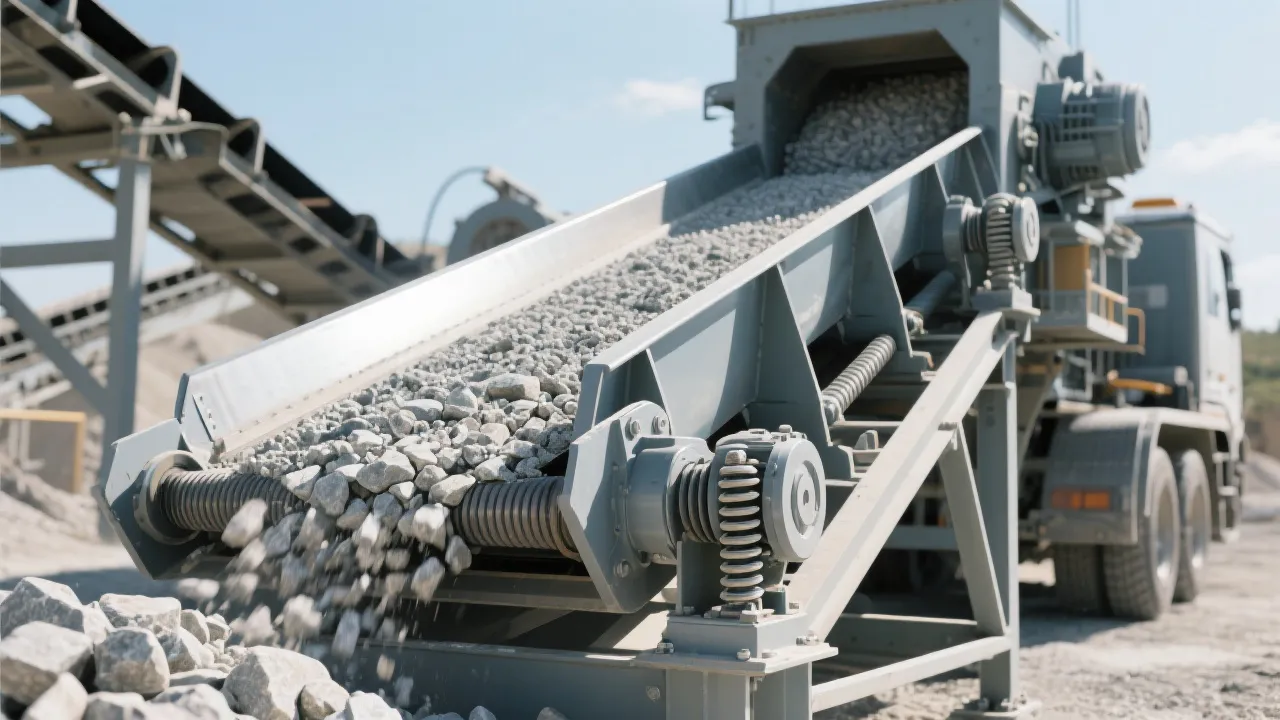
In mining operations worldwide, jaw crushers stand as the workhorses of primary crushing. Yet many operations unknowingly lose 15-25% of their potential throughput due to inadequate feeding systems. This article explores how modern vibrating feeder technology is addressing this critical bottleneck, drawing on real-world applications and technical insights from 矿联 (Kuanglian) engineers with over two decades of field experience.
Jaw crusher inefficiencies often trace back to three fundamental feeding issues that plague mining operations globally:
Unregulated material flow causes 30-40% of jaw crusher downtime incidents, according to a 2023 survey of mining maintenance supervisors. Sudden material surges create uneven loading, increasing wear on toggle plates and bearings by up to 50%.
Improper feeding leads to particle size segregation, resulting in inconsistent product quality and 12-18% higher energy consumption. This issue is particularly pronounced in marble ore processing where material uniformity is critical.
Studies show that erratic feeding patterns increase jaw liner replacement frequency by 2.3 times, significantly raising maintenance costs and reducing overall equipment lifespan.
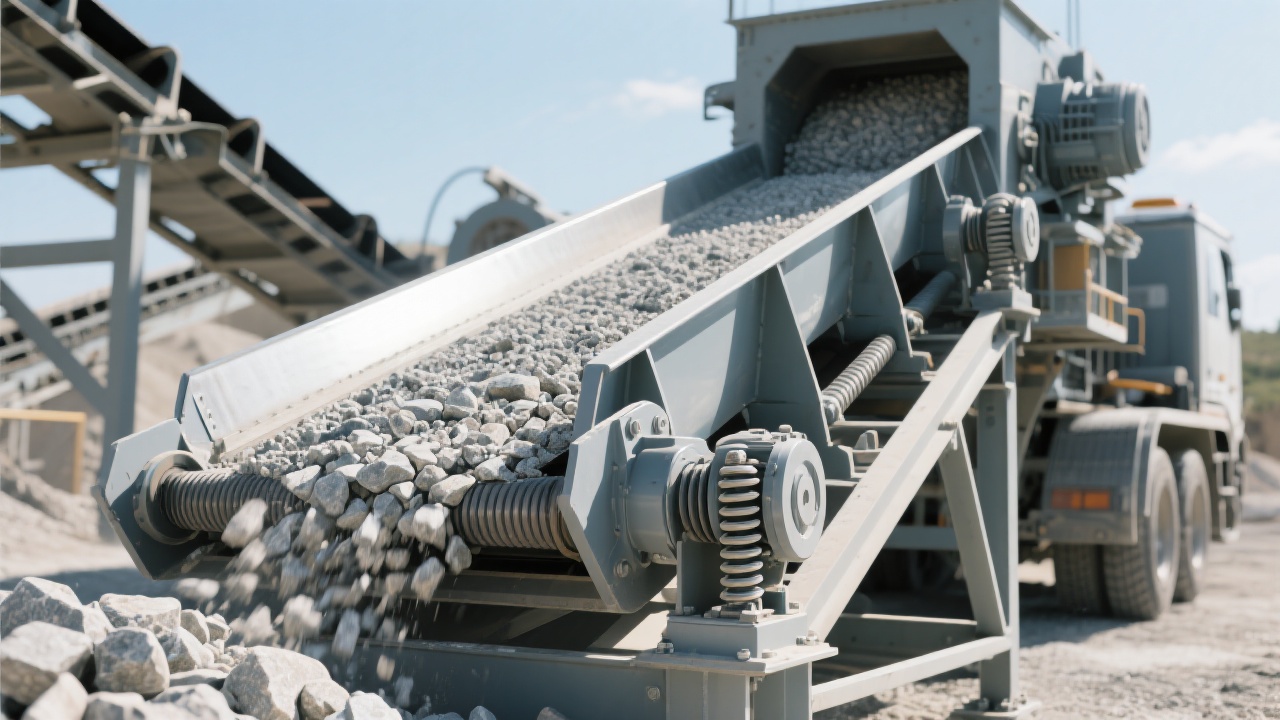
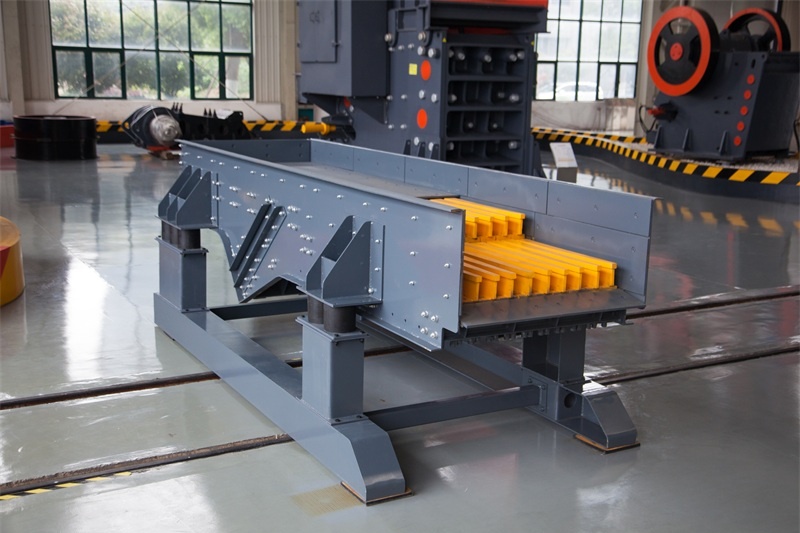
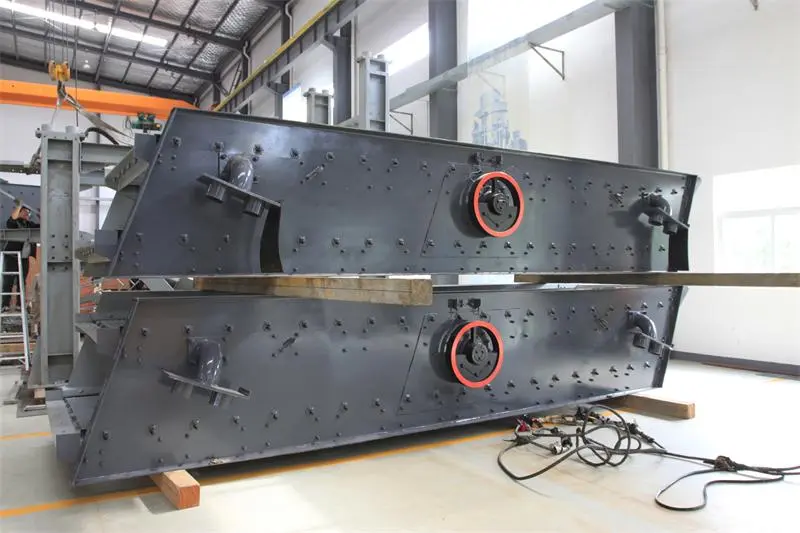
Modern vibrating feeders represent a sophisticated solution to these challenges, utilizing precisely calibrated vibration to achieve optimal material flow. The core technology revolves around three critical components working in harmony:
Optimal frequency settings vary by material characteristics, with most hard rock applications operating between 900-1200 vibrations per minute. For marble ore specifically, 矿联 (Kuanglian) engineers recommend a frequency range of 1050-1150 VPM, balancing material movement with energy efficiency.
The relationship between frequency, amplitude, and material flow rate follows precise engineering principles. Higher frequencies (1100-1200 VPM) work best for smaller, denser particles, while lower frequencies (900-1000 VPM) prove more effective for larger, irregular materials.
Proper maintenance of vibration motors directly impacts feeder performance and longevity. Key maintenance practices include:
A major marble mining operation in Yunnan Province faced persistent challenges with their jaw crusher performance, including frequent blockages and inconsistent product output. After implementing 矿联 (Kuanglian)'s vibrating feeder system, the operation documented impressive improvements:
| Performance Metric | Before Implementation | After Implementation | Improvement |
|---|---|---|---|
| Crusher Throughput | 180 t/h | 235 t/h | +30.5% |
| Jaw Liner Lifespan | 45 days | 72 days | +60% |
| Energy Consumption | 12.8 kWh/t | 10.2 kWh/t | -20.3% |
| Downtime incidents | 8 per month | 2 per month | -75% |
Mr. Zhang Wei, the mine's production manager, noted: "The difference in crusher performance has been remarkable. We've not only increased our output but also significantly reduced maintenance interruptions. The vibrating feeder has essentially eliminated the material bridging issues that previously plagued our operation."
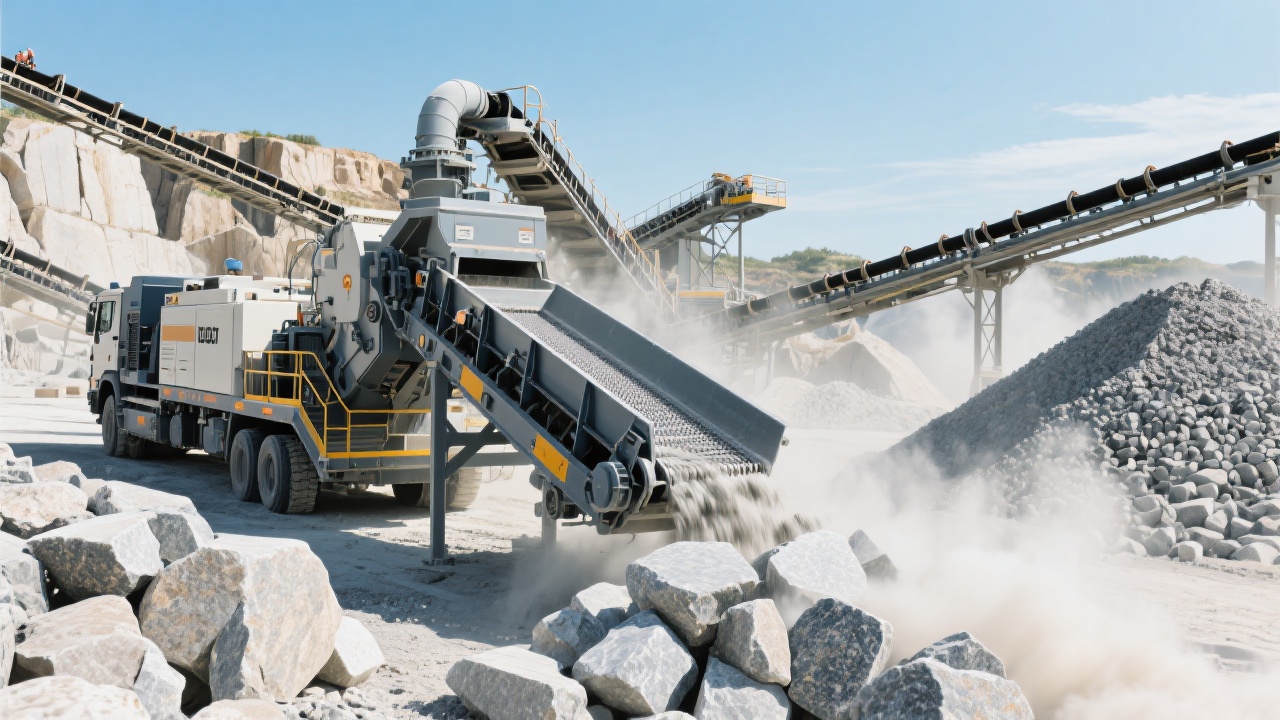
Achieving optimal feeding performance requires tailoring the system to specific material characteristics. 矿联 (Kuanglian)'s application engineers emphasize that successful feeder implementation depends on thorough analysis of:
Dense, hard materials like granite require higher amplitude settings (4-6mm) compared to softer materials like limestone (2-3mm amplitude).
Materials with moisture content exceeding 8% benefit from specialized trough designs with anti-adhesion coatings to prevent material buildup.
Wide particle size ranges require variable frequency controls to maintain consistent flow without segregation.
Discover how 矿联 (Kuanglian)'s customized vibrating feeder solutions can optimize your jaw crusher performance, reduce maintenance costs, and increase throughput.
Explore Efficient Feeding Configuration SolutionsAs mining operations face increasing pressure to improve efficiency and reduce environmental impact, optimizing the often-overlooked feeding环节 becomes a critical competitive advantage. The integration of advanced vibrating feeder technology represents a relatively low-cost investment with substantial returns in terms of increased throughput, reduced maintenance, and improved energy efficiency.
Operations that proactively address feeding inefficiencies position themselves to better navigate market fluctuations and maintain profitability in an increasingly challenging industry landscape. The technical insights and real-world results presented here demonstrate that with the right approach to feeder technology, significant performance improvements are within reach for mining operations of all sizes.
 315
|
315
|
 modular crushing equipment
quarry installation time reduction
MP module
crushing plant efficiency
SMP modular crushing system
215
|
short head cone crusher
discharge opening adjustment
particle size control
cone crusher maintenance
production efficiency optimization
475
|
Short - head cone crusher
Discharge opening adjustment
Equipment starting preparation
Hydraulic lubrication system maintenance
Ore crushing efficiency improvement
452
|
Short-head cone crusher
Hard ore crushing
Laminar crushing principle
Granite crushing equipment
Cone crusher selection
445
|
mine gyratory crusher fault warning
intelligent crushing equipment remote monitoring
gyratory crusher maintenance tutorial
Middle East mining equipment operation
crusher predictive maintenance
modular crushing equipment
quarry installation time reduction
MP module
crushing plant efficiency
SMP modular crushing system
215
|
short head cone crusher
discharge opening adjustment
particle size control
cone crusher maintenance
production efficiency optimization
475
|
Short - head cone crusher
Discharge opening adjustment
Equipment starting preparation
Hydraulic lubrication system maintenance
Ore crushing efficiency improvement
452
|
Short-head cone crusher
Hard ore crushing
Laminar crushing principle
Granite crushing equipment
Cone crusher selection
445
|
mine gyratory crusher fault warning
intelligent crushing equipment remote monitoring
gyratory crusher maintenance tutorial
Middle East mining equipment operation
crusher predictive maintenance









 Facebook