
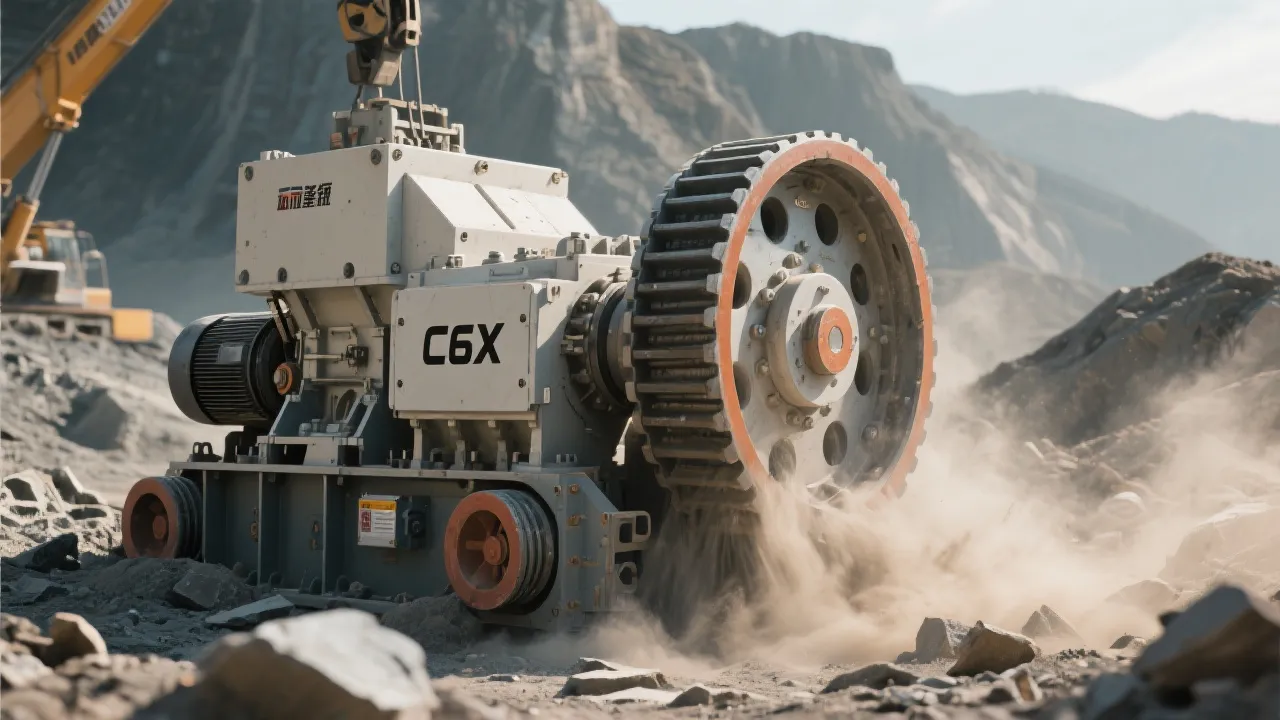
In the metal mining industry, selecting the right jaw crusher isn’t just about power—it’s about precision. The feed size range (typically 0–1020mm) directly impacts throughput, wear rate, and final product quality. Ignoring this critical variable can lead to costly downtime or underutilized capacity.
According to field data from over 40 global projects, jaw crushers operating within their optimal feed range (≤300mm) show up to 18% higher efficiency compared to those handling oversized material. When input exceeds 600mm, motor load increases by ~25%, accelerating liner wear and increasing maintenance costs.
| Feed Size Range (mm) | Avg. Efficiency (%) | Wear Rate Increase (%) | Outgoing Product Uniformity |
|---|---|---|---|
| ≤300 | 92–96 | Baseline | High |
| 300–600 | 87–91 | +15% | Medium |
| 600–1020 | 78–85 | +35% | Low |
Case Study – Iron Ore Plant in Brazil: After switching from a fixed 800mm feed to a staged pre-crusher setup (reducing average feed to 450mm), the client saw a 22% drop in liner replacement frequency and a 14% increase in daily output.
Don’t guess—decide. Start with these three steps:
Remember: the goal is not just breaking rock—it’s creating consistent, usable particles while minimizing energy waste and component failure.
Got questions about how your specific mine conditions affect jaw crusher selection? Share your experience in the comments below—we read every one!
Whether you're processing iron ore, bauxite, or copper concentrate, 郑州矿联 PE Jaw Crushers offer proven performance across 137 countries—with customizable configurations based on real-world feed profiles.
Get Your Customized Jaw Crusher Solution Now


.jpg?x-oss-process=image/resize,m_fill,h_800,w_800/format,webp)


 Facebook