
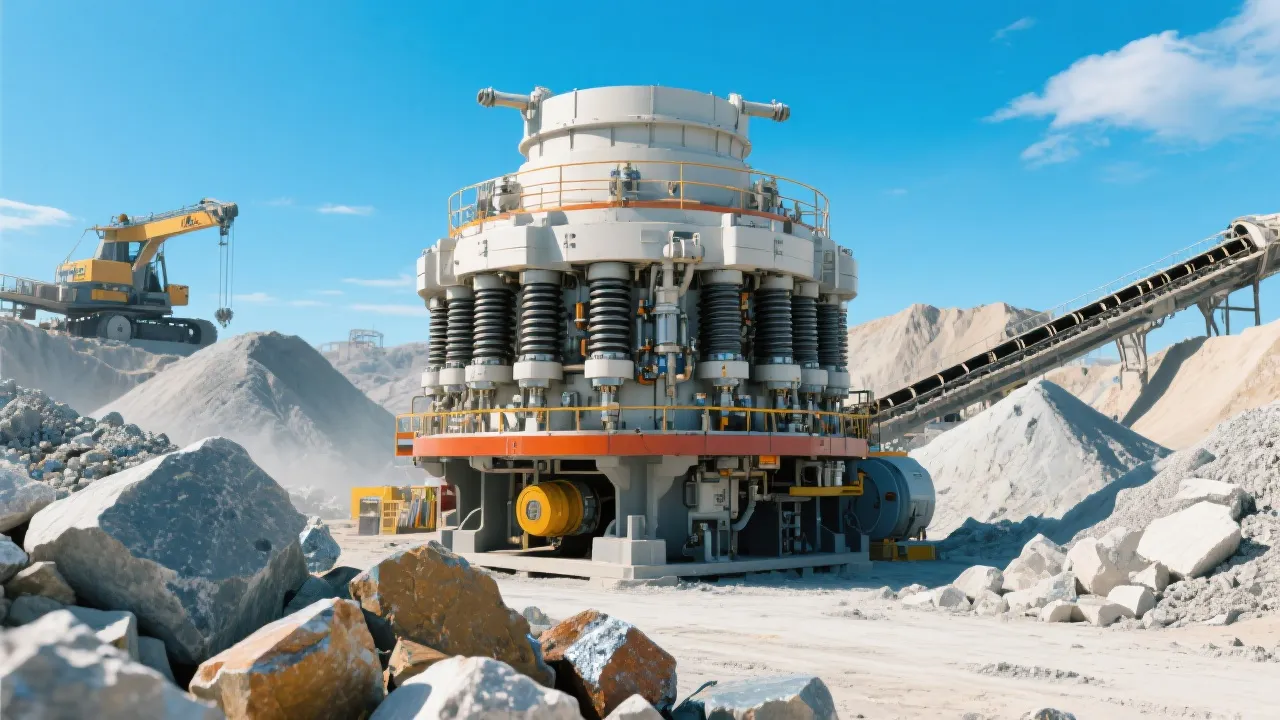
In metal ore processing, the efficiency of your primary and secondary crushing stages directly impacts downstream recovery rates, maintenance costs, and overall plant profitability. Many operators overlook a simple truth: the right combination of equipment can reduce energy consumption by over 20% while improving throughput consistency.
Studies from African and South American mines show that feeding material within this range significantly reduces stress on impact crushers and minimizes wear on liners. When oversized rocks (e.g., >1020mm) enter a jaw crusher, it leads to inefficient breakage patterns—resulting in higher power draw per ton and inconsistent product gradation.
| Feed Size Range (mm) | Avg. Power Consumption (kWh/ton) | Product Uniformity Index |
|---|---|---|
| 0–750 | 1.8 | High (87%) |
| 750–1020 | 2.1 | Very High (92%) |
| >1020 | 2.6 | Low (68%) |
The PE jaw crusher handles coarse feed efficiently—breaking large chunks down to ~100–200mm—while the impact crusher excels at shaping medium-sized particles into uniform sizes for efficient grinding or magnetic separation. This two-stage approach ensures minimal re-crushing and maximizes throughput.
“After switching to our optimized jaw + impact setup, we saw a 22% drop in electricity use per ton and reduced liner replacement frequency by 40%.” — Carlos Mendez, Senior Plant Engineer, Chilean Copper Mine
Key success factors include proper screening between stages (to remove fines), dust suppression systems (like water mist cannons), and conveyor belt alignment to prevent spillage—a common issue in tropical climates where humidity affects material flow.
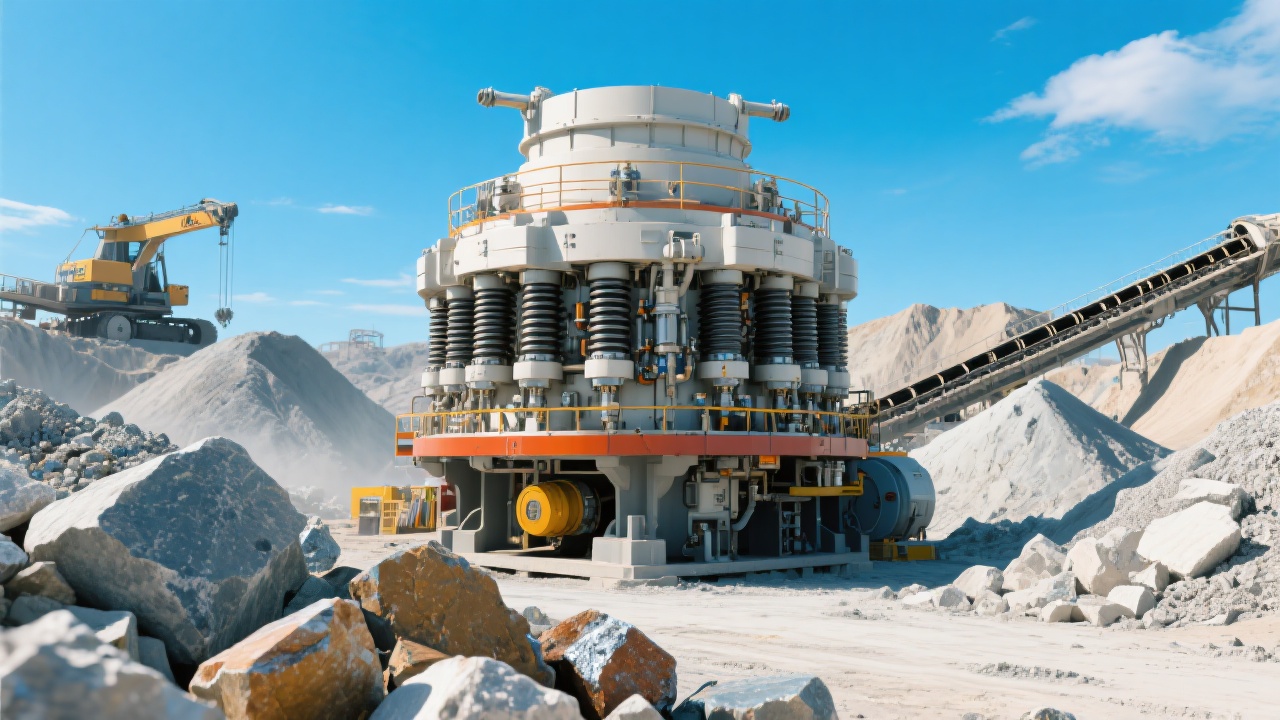
Whether you're operating in Kenya, Peru, or Kazakhstan, having local technical support means faster troubleshooting, fewer production downtimes, and better long-term performance. Our global service network ensures parts availability within 72 hours—and we offer customized solutions based on your ore hardness, moisture content, and daily output goals.
Get a free feasibility assessment tailored to your mine’s specific conditions—including energy savings projections and ROI timeline.
Download Our Free Crushing Optimization Checklist


.jpg?x-oss-process=image/resize,m_fill,h_800,w_800/format,webp)


 Facebook