
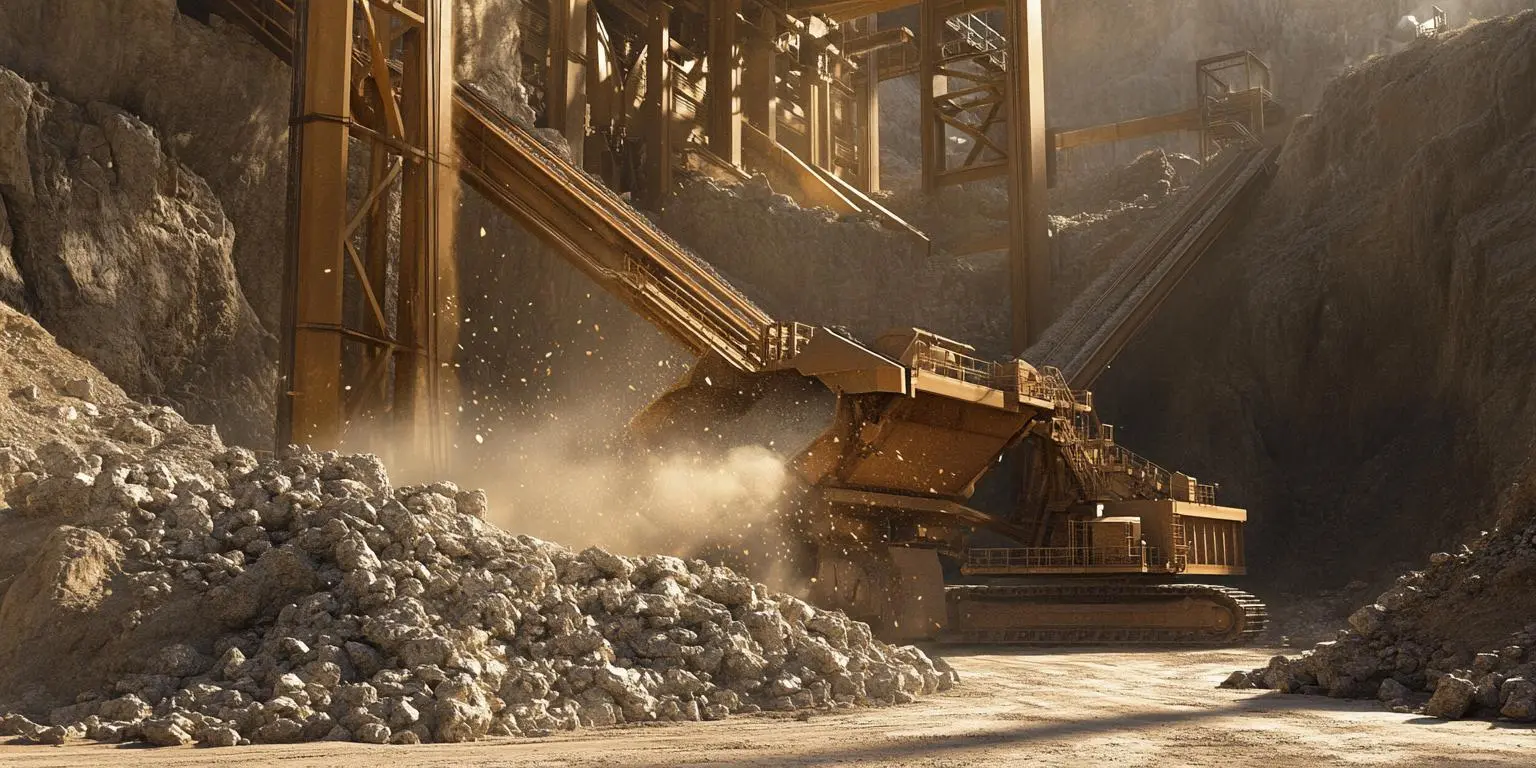
When aiming to maximize metal ore recovery rates, a well-structured crushing process is indispensable. By integrating jaw crushers and impact crushers in a seamless, scientifically engineered workflow, you can optimize fragmentation, energy consumption, and downstream sorting efficiency. This guide walks you through designing a tailored crushing system specifically for ore feed sizes ranging from 0 to 1020 mm, spotlighting grading logic, equipment synergy, dust control measures, and real-world insights from African copper and South American gold mining sites.
The feed size interval of 0 to 1020 mm is critical in your crushing process as it covers both large ore chunks and intermediate particle sizes requiring differentiated treatment. Properly managing this range drives the efficiency of your downstream beneficiation and recovery steps. Larger ore pieces (>800 mm) demand robust jaw crushing for effective breakup, while finer fractions (<300 mm) are better processed by impact crushers for optimal shape and size uniformity.
Overlooking this size classification impairs energy utilization, causes premature wear of equipment, and ultimately reduces the liberation rate of valuable minerals. Incorporating a system-wide view rather than single machine optimization is key to sustainable throughput and recovery outcomes.
The jaw crusher’s core role is to break down feed material from up to 1020 mm into a manageable size, typically around 150–300 mm. This size range then becomes ideal for the impact crusher to perform intermediate crushing, refining particle distribution and shape. You should pay close attention to parameters such as eccentric throw and closed-side setting in the jaw crusher to tailor output characteristics.
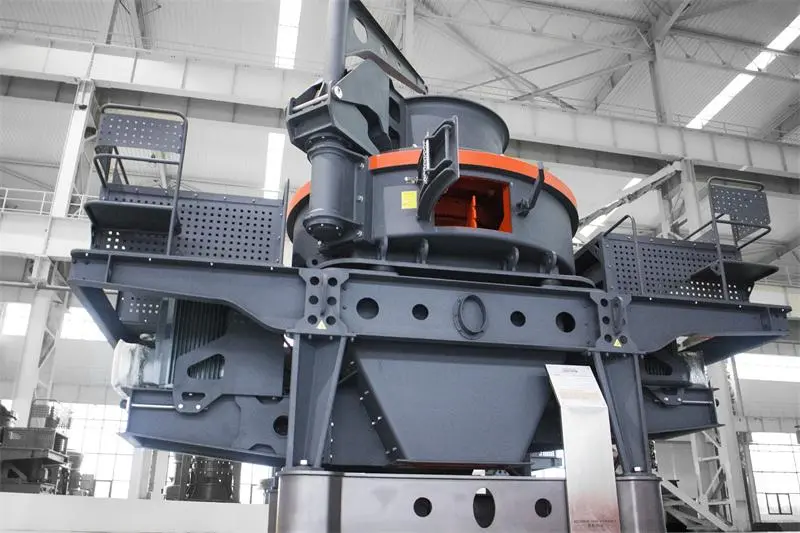
Efficient energy transfer during this two-stage crushing workflow requires precise equipment matching. For instance, ensuring the impact crusher's feed opening and rotor speed complement jaw crusher output minimizes recirculating loads and prevents bottlenecks.
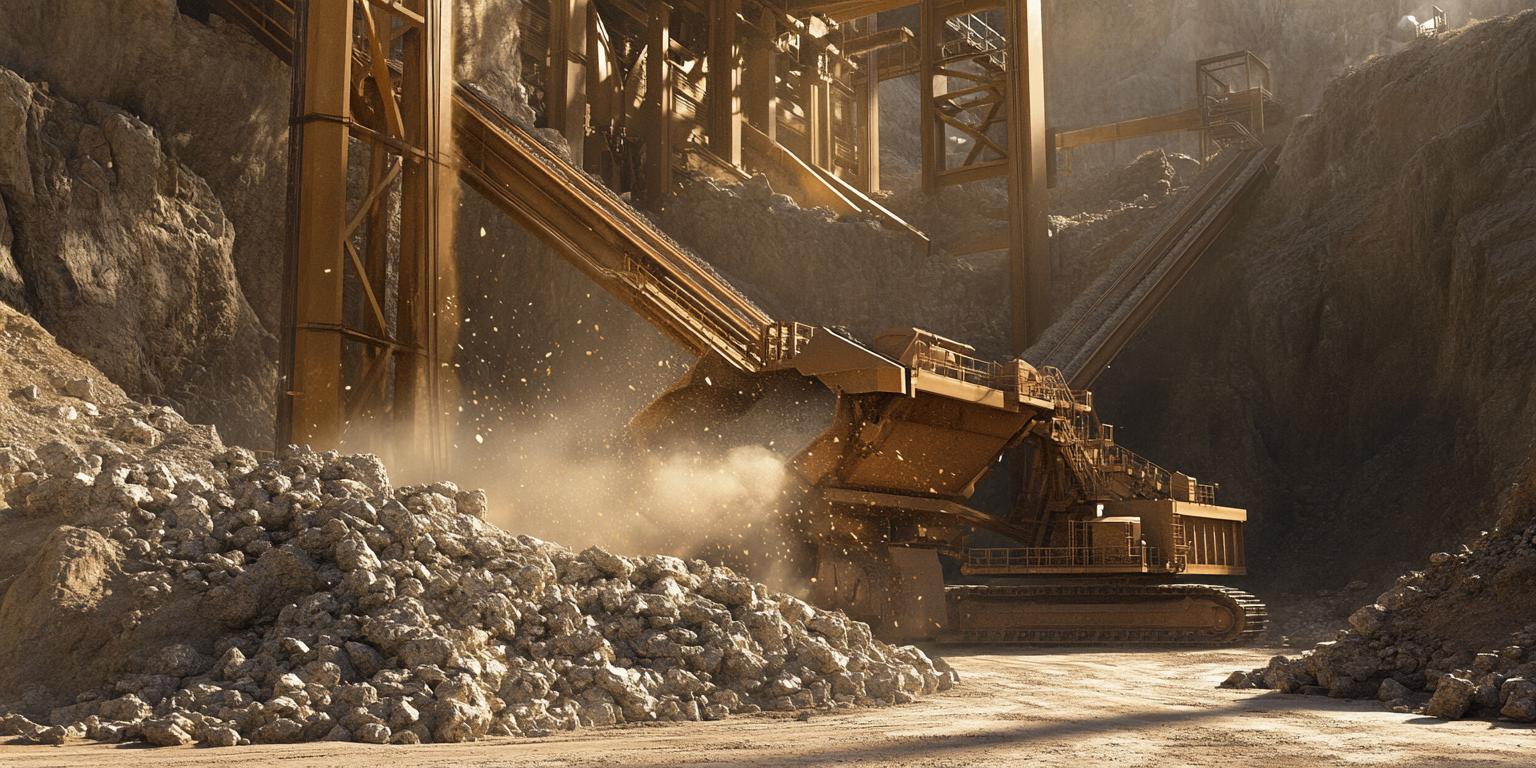
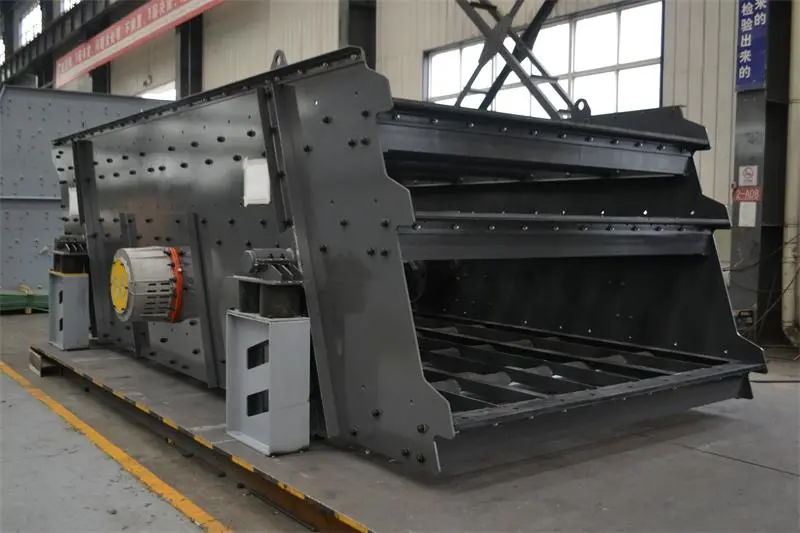
A stable feed rate and particle size distribution is assured by vibratory feeders configured with adjustable vibration amplitude and frequency. These prevent surges that cause uneven wear or equipment downtime, particularly crucial for large-scale mining operations. Screening mechanisms immediately after jaw crushing play a pivotal role in separating fines, ensuring only suitable sizes enter the impact crusher.
Dust generation is a major operational hazard impacting worker safety and environmental compliance. Integrate closed conveyor belts with strategically placed dust suppression systems such as spray misting and localized extraction hoods. These techniques have proven to reduce airborne particulate matter by up to 70% in active ore processing plants.
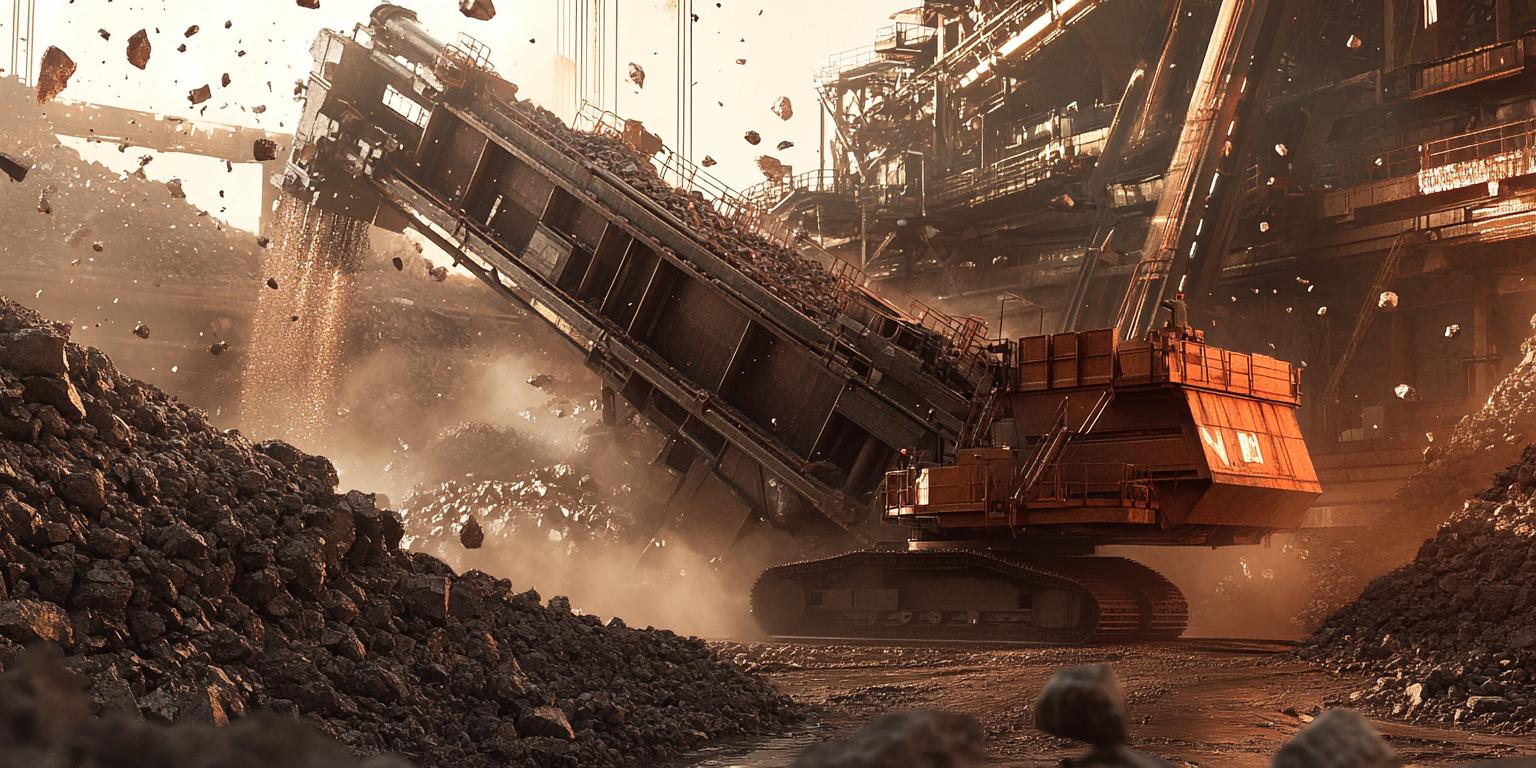
Practical experience in African copper mines demonstrates how tweaking vibrator feeder parameters — specifically adjusting stroke length between 4–6 mm at 900 cycles per minute — enhances feed homogeneity before jaw crushing. Additionally, implementing spray-based dust suppression at feed transfer points decreased particulate emissions by over 60%, improving local air quality and equipment longevity.
Meanwhile, South American gold mining operations report that an integrated workflow combining precise grading screens with optimized impact crusher rotor speed (700–850 rpm) led to a 15% increase in liberation efficiency. This directly translated to a 7% improvement in metal recovery and a notable reduction in grinding energy consumption.

Beyond improving particle size control, your customized crushing system yields significant reductions in overall energy consumption, particularly downstream grinding circuits, cutting operational costs by approximately 10–15%. Coupled with enhanced mineral liberation, this raises the effectiveness of flotation and magnetic separation steps, driving up the recovery rates and refining product quality.
Importantly, you are also positioning your operation towards compliance with green mining standards by integrating dust mitigation and energy-efficient equipment choices. With a global service network spanning 137 countries, our customized solutions ensure stable performance and long-term operational reliability that fit your mine’s unique context.




.jpg?x-oss-process=image/resize,m_fill,h_800,w_800/format,webp)


 Facebook