
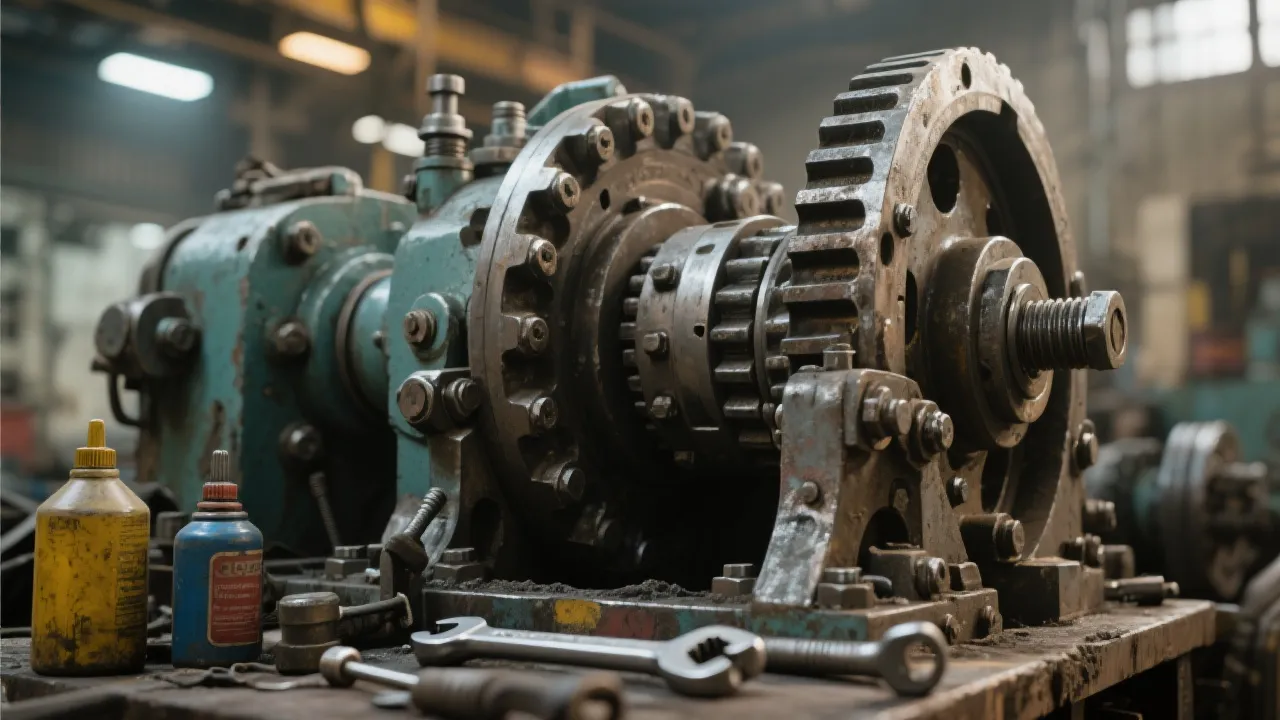
In the metal ore processing industry, the size of feed material entering a jaw crusher plays a pivotal role in determining operational efficiency and equipment longevity. Within the feed size range of 0–1020 mm, nuanced differences in ore particle dimensions can cause significant variations in crushing performance, wear rates, and final product shape. This article delves into these critical factors, integrating real-world cases from iron ore, copper ore, and bauxite processing to illuminate best practices for optimizing jaw crusher feed size matching.
Extensive industry data confirms that feed particles exceeding the recommended size range drastically reduce jaw crusher throughput and increase wear on liners and plates. For example, feed size distribution skewed toward the upper range (900–1020 mm) increases crushing cycles by approximately 15-20%, causing greater mechanical stress and expedited wear. Conversely, too fine a feed size (<100 mm) compromises crusher crushing stroke effectiveness, reducing particle interlock and lowering efficiency.
| Feed Size Range (mm) | Effect on Crushing Efficiency | Impact on Wear Rate | Final Product Shape |
|---|---|---|---|
| 0-100 | Lower efficiency due to limited crushing stroke | Minimal wear | Finer, more cubical shape |
| 100-600 | Optimal crushing efficiency | Balanced wear rate | Ideal particle shape |
| 600-1020 | Reduced throughput, increased crushing cycles | High wear rate (~20% increase) | More elongated particles |
Iron Ore Processing: Operators processing iron ore with a feed size consistently above 800 mm reported premature jaw plate wear and frequent downtime. Optimizing feed granulometry to maintain an 100-600 mm range improved output by 12% and extended service intervals by 30%.
Copper Ore Example: Copper ore with highly variable feed sizes led to uneven wear and non-uniform final particle shape. After implementing feed screening to restrict oversized lumps above 900 mm, throughput stabilized with a 17% reduction in crusher maintenance costs.
Bauxite Mining: Due to bauxite's abrasive nature, matching the crusher feed size within the 0-600 mm range significantly lowered wear and enabled production of uniform aggregate shapes essential for downstream sintering.

To ensure stable and economical operation of a jaw crusher in hard ore applications, follow these selection steps:
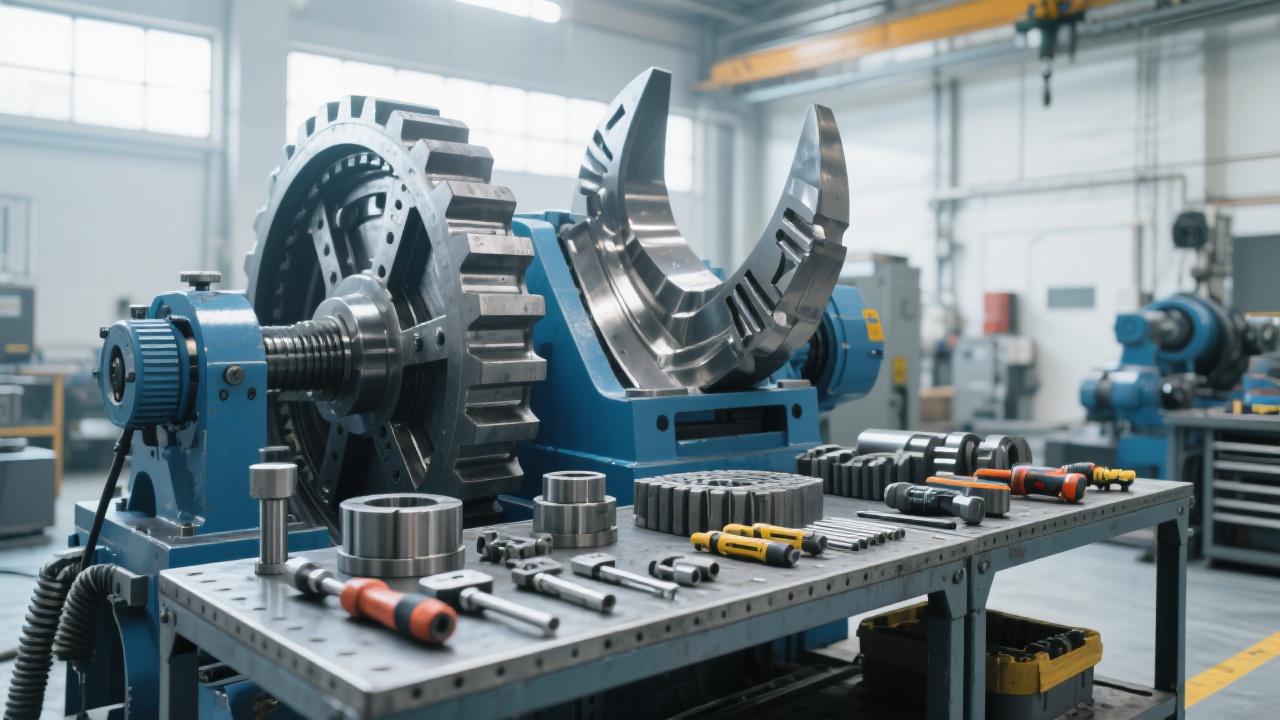
Real-time particle size analysis equipment integrated upstream can provide critical data to maintain feed size within ideal ranges. For hard ores like hematite and chalcopyrite, maintaining a median feed particle size below 600 mm correlates with a 15% increase in crushing efficiency and a significant reduction in liner wear costs. The following chart illustrates key parameter shifts associated with feed size adjustments:
| Parameter | Feed Size ≤ 600 mm | Feed Size > 600 mm |
|---|---|---|
| Crusher Throughput (tph) | 120-150 | 95-110 |
| Jaw Plate Wear Rate (kg/day) | 18 | 22 |
| Uniformity of Final Particle Shape | High | Moderate |
Professionals and technical managers are invited to share their own experiences, challenges, and solutions related to jaw crusher feed size selection. Engaging with peer insights can reveal innovative approaches and enhance operational stability across diverse mining contexts.





.jpg?x-oss-process=image/resize,m_fill,h_800,w_800/format,webp)


 Facebook