
.jpg?x-oss-process=image/resize,h_1000,m_lfit/format,webp)
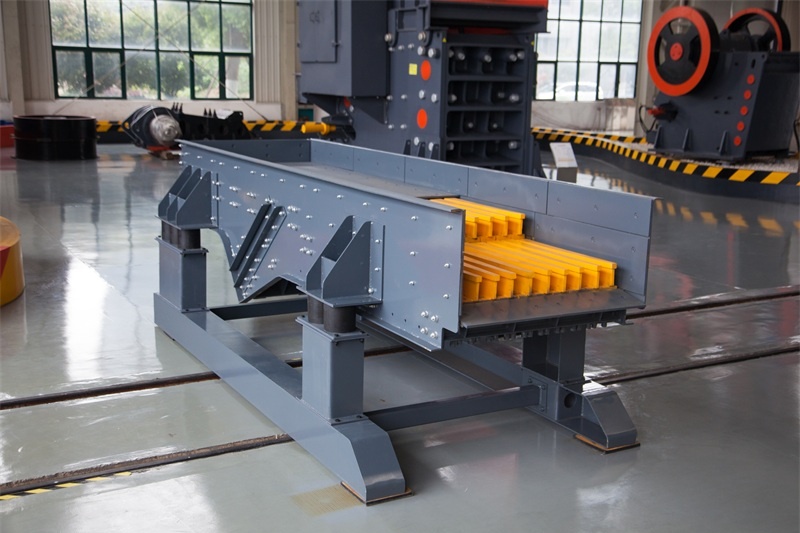
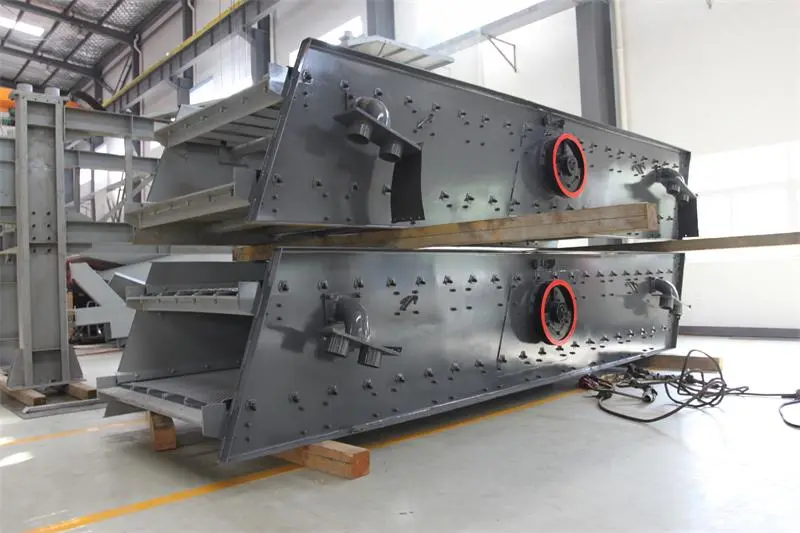
The Marble Vibrating Feeder is an essential component in mining and stone processing industries, enabling efficient and controlled feeding of marble and other raw materials into processing machines. Understanding the fundamental design principles and core technologies behind these vibratory feeders is crucial for engineers and technical personnel aiming to optimize their operational workflow. This article delves into the critical aspects of the vibrating feeder’s construction, from vibration sources to material conveyance pathways, while highlighting maintenance best practices to ensure long-term reliability and minimized downtime.
At the heart of any vibrating feeder lies its vibration generation mechanism, which imparts kinetic energy enabling material flow along the feeding trough. Marble vibrating feeders operate primarily through two types of vibration sources:
These vibrations, transmitted through the feeder’s spring suspension system, cause the feed trough to oscillate in a controlled manner. The spring system itself is carefully selected to balance stiffness and damping, ensuring uniform motion without excessive structural wear or energy loss.
Vibration Sources Comparison: Eccentric block vibrators typically provide larger amplitude motions but with less frequency agility, making them suitable for coarser marble aggregates. Conversely, electromagnetic vibrators excel where precise feed rates and gentle handling are required.
Spring System Selection: Springs, commonly made from high-grade steel alloys, are arranged to absorb vertical and horizontal forces, preserving structural integrity under high-frequency vibrations. The choice depends on anticipated load, vibration amplitude, and environmental conditions like dust and moisture.
Feed Trough Material Selection: Given the abrasive nature of marble, the feed trough is commonly fabricated from abrasion-resistant steel or lined with specialized wear pads. This combination extends service life significantly by mitigating impact and abrasive wear during loading and transport.
Achieving a consistent and stable feed requires structural optimization. This encompasses:
Proper maintenance is pivotal to sustaining operational efficiency:
Frequent issues include abnormal noise, uneven feeding, and motor overheating. Systematic diagnostics involve:
Industry cases show that >85% of vibration feeder failures correlate with delayed bearing maintenance or improper vibration frequency settings, underscoring the importance of preventive care.
Marble vibrating feeder designs have embraced innovations such as:
These technological adoptions facilitate the establishment of a dynamic knowledge base for operational teams, promoting expertise and responsiveness.
.jpg)
"Selecting the correct vibration frequency and trough material can increase marble feeding efficiency by up to 20%, while directly impacting equipment lifespan." – Industry Expert, Mechanical Engineering Journal, 2023
MinerJoin, a global leader in mining machinery, emphasizes that a robust understanding of these fundamental principles is indispensable for engineers tasked with optimizing production lines and extending equipment lifetime.
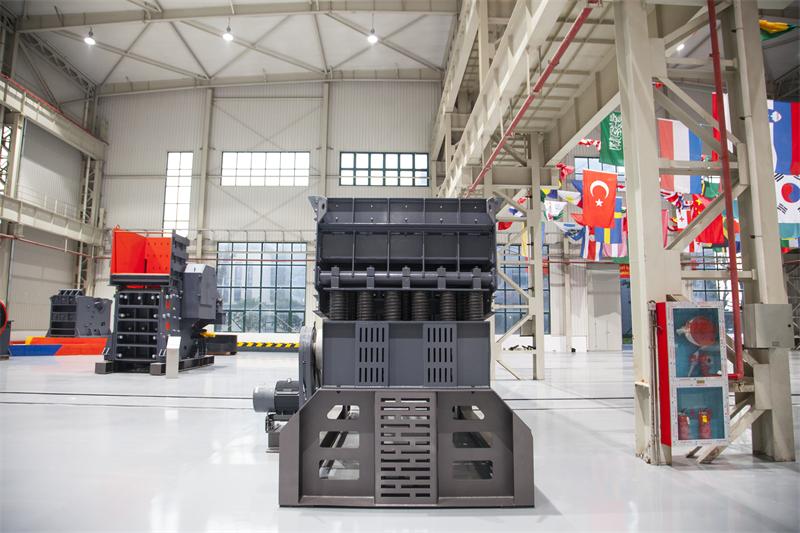
For engineers and operational managers focusing on Marble Vibrating Feeders or related mining machinery technologies, embracing these design insights and maintenance practices mitigates risk and maximizes productivity.
 447
|
447
|
 high-intensity vibrating feeder
marble processing
vibrating feeder application
feeder tuning techniques
stone production line automation
220
|
quarry crushing equipment efficiency
modular crushing equipment
specific energy consumption
hourly production stability
equipment maintenance convenience
284
|
intelligent gyratory crusher
Middle East basalt crushing
low operating cost crushing equipment
mining automation solutions
gyratory crusher case study
342
|
smart gyratory crusher maintenance
Middle East high temperature high dust
crusher daily inspection checklist
intelligent control system application
mining equipment maintenance
215
|
crushing plant process design
infrastructure cost reduction
crushing line optimization
capacity matching coefficient
vibrating screen configuration
high-intensity vibrating feeder
marble processing
vibrating feeder application
feeder tuning techniques
stone production line automation
220
|
quarry crushing equipment efficiency
modular crushing equipment
specific energy consumption
hourly production stability
equipment maintenance convenience
284
|
intelligent gyratory crusher
Middle East basalt crushing
low operating cost crushing equipment
mining automation solutions
gyratory crusher case study
342
|
smart gyratory crusher maintenance
Middle East high temperature high dust
crusher daily inspection checklist
intelligent control system application
mining equipment maintenance
215
|
crushing plant process design
infrastructure cost reduction
crushing line optimization
capacity matching coefficient
vibrating screen configuration







.jpg?x-oss-process=image/resize,m_fill,h_800,w_800/format,webp)




 Facebook