
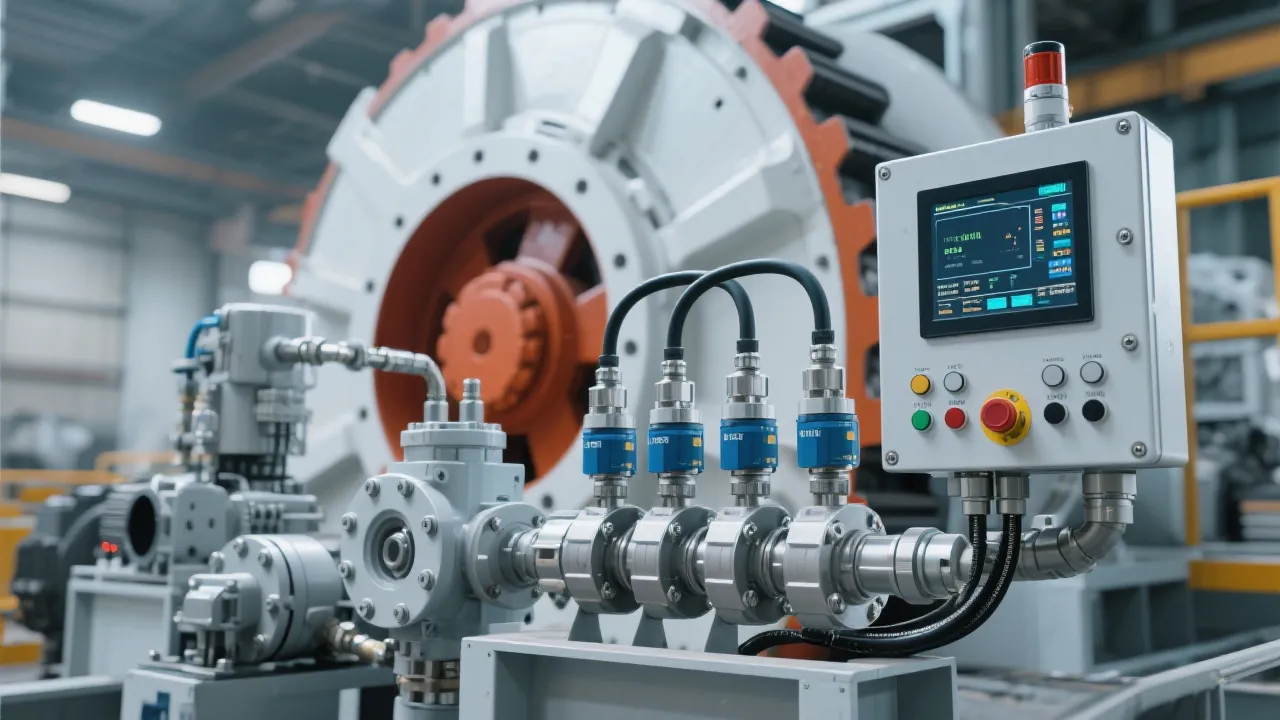
Selecting the appropriate jaw crusher for metal ore processing is a critical decision that can significantly impact the efficiency, cost - effectiveness, and long - term profitability of an ore processing operation. This article delves into the key factors related to the selection of the feeding size of jaw crushers for metal ores, with a focus on how to precisely match the crusher's feeding size within the 0 - 1020mm range based on the ore's particle size characteristics.
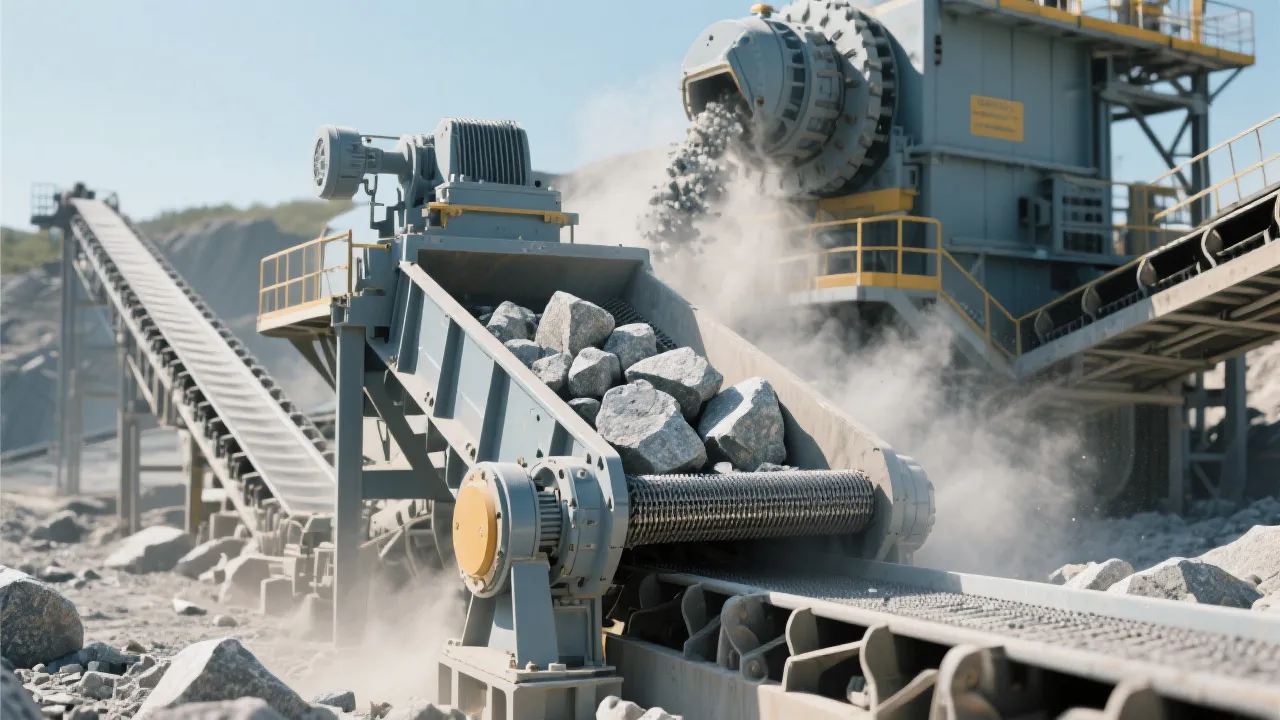
The particle size of the raw ore has a profound influence on the selection and operating efficiency of jaw crushers. In the 0 - 1020mm feeding range, different particle size segments have distinct effects on crushing efficiency, wear rate, and the shape of the discharged particles.
For example, when dealing with smaller particle sizes (0 - 100mm), the crushing efficiency is relatively high, and the wear on the crusher is relatively low. The discharge particles are more likely to have a regular shape, which is beneficial for subsequent processing. As the particle size increases, say from 500 - 1020mm, the crushing efficiency may decrease, and the wear on the crusher components, such as the jaws, will increase significantly. Industry data shows that in some cases, the wear rate can increase by up to 30% when processing large - sized ores compared to small - sized ones.
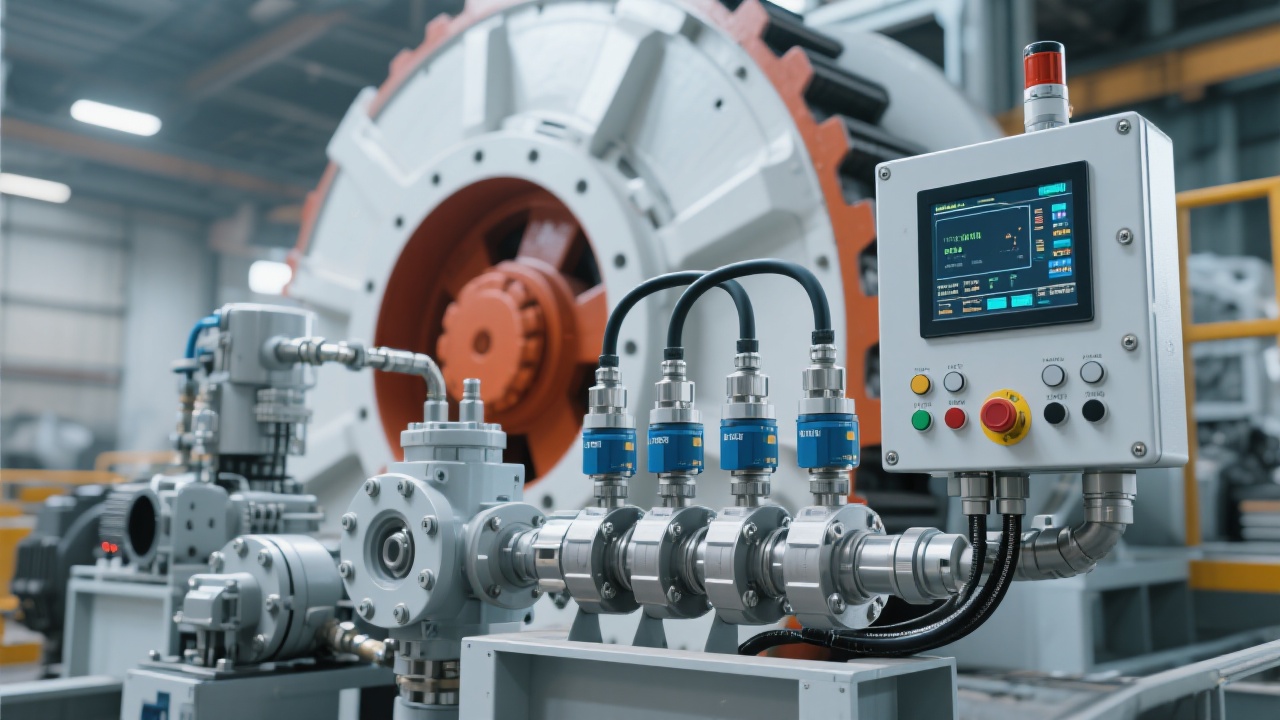
Let's take a look at some typical metal ore cases. In the processing of iron ore, which is often hard and has a wide range of particle sizes, proper feeding size matching is crucial. For instance, in a large - scale iron ore processing plant, by precisely matching the feeding size of the jaw crusher according to the ore's characteristics, the crushing efficiency has been improved by 20%, and the wear on the crusher has been reduced by 15%.
Copper ore, on the other hand, usually has a relatively high value. By selecting the appropriate jaw crusher feeding size, the plant can ensure a high - quality output, which is essential for the subsequent smelting process. In a copper ore processing project, the use of a well - matched jaw crusher has increased the copper recovery rate by 5%.
Aluminum ore processing also benefits from proper feeding size selection. A well - chosen jaw crusher can reduce the energy consumption of the entire processing line. In an aluminum ore plant, after optimizing the feeding size, the energy consumption has been reduced by 12%.
.jpg)
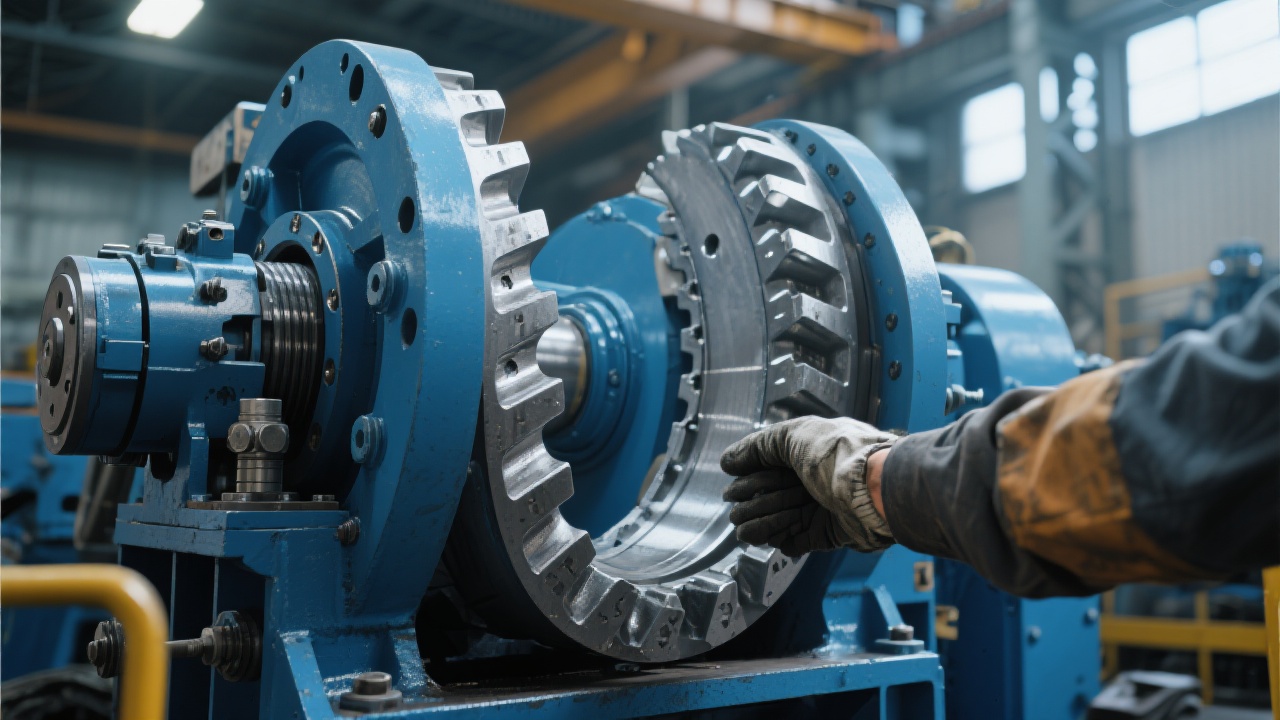
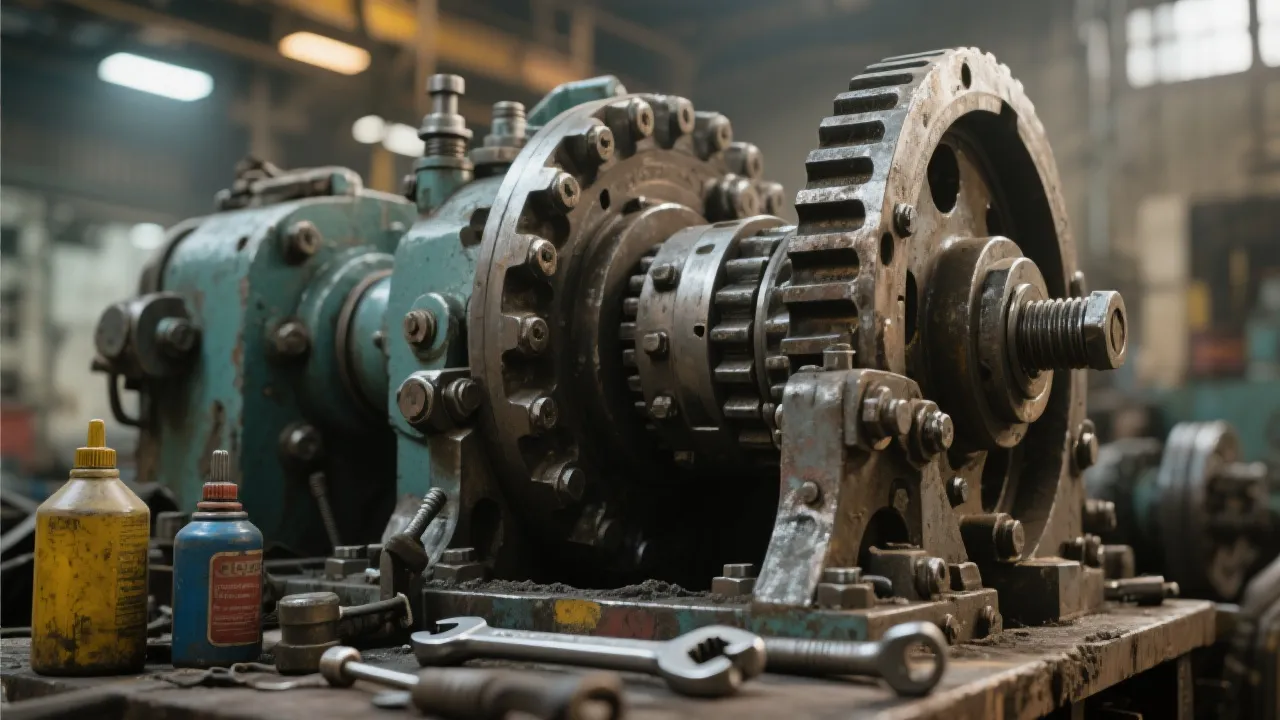
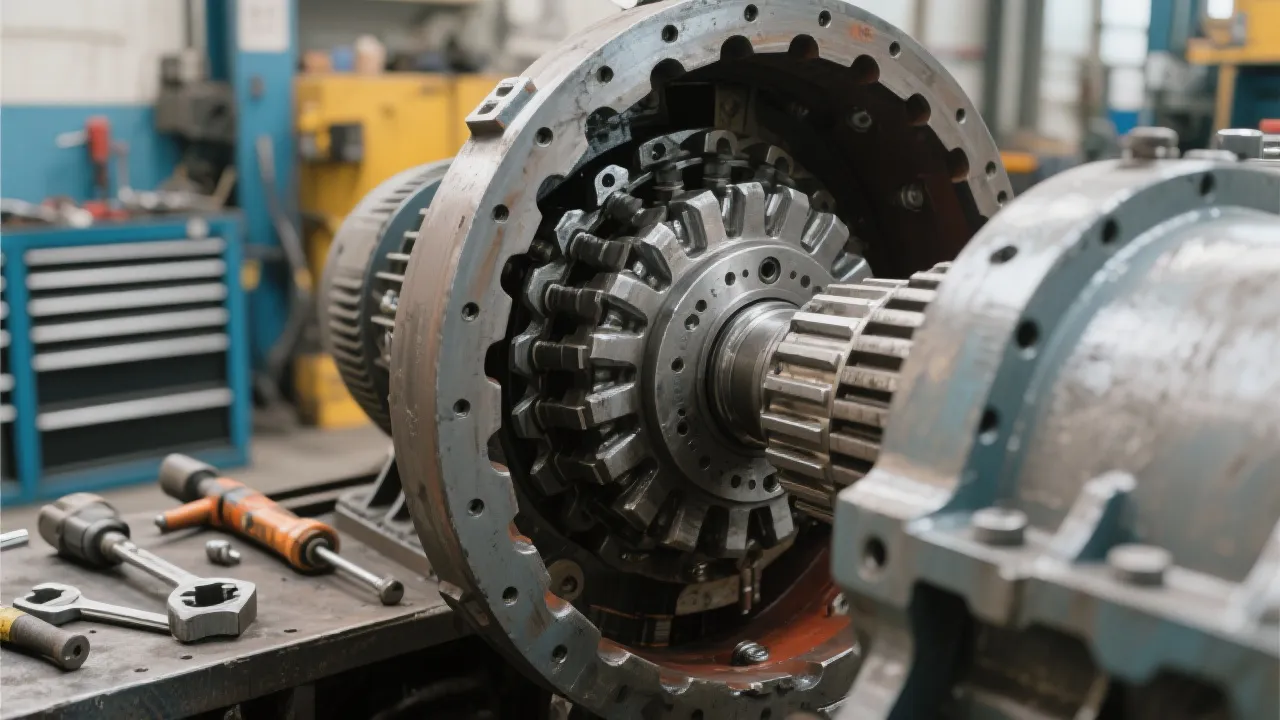
Feeding large - sized hard ores into the jaw crusher can pose significant risks and increase costs. Large - sized ores require more energy to crush, which leads to higher energy consumption. Moreover, the impact on the crusher components during the crushing process can cause rapid wear and tear, increasing maintenance costs. In some extreme cases, the cost of replacing worn - out components can account for up to 25% of the total operating cost.
Therefore, it is of great importance to match the feeding size reasonably to avoid these unnecessary risks and costs.
Here is a step - by - step guide on how to select the appropriate feeding size of the jaw crusher based on the raw ore characteristics and production capacity goals:
This article is carefully structured around core SEO keywords such as "metal ore jaw crusher selection", "crusher feeding size matching", etc., to improve search reach and content exposure. By using these keywords appropriately, it can attract more professional users in the ore processing industry.
We also encourage user interaction. You can leave your questions, experiences, and selection confusions in the comments section below. Sharing your thoughts will not only help you solve problems but also contribute to the knowledge base of the entire industry.
Our company's PE jaw crushers are at the forefront of technology. They are designed with advanced manufacturing processes and can be customized to meet the specific needs of different ore processing plants. With high - efficiency crushing performance, low wear rate, and excellent discharge particle shape, PE jaw crushers can help you achieve stable production and maximize long - term benefits.
 482
|
482
|
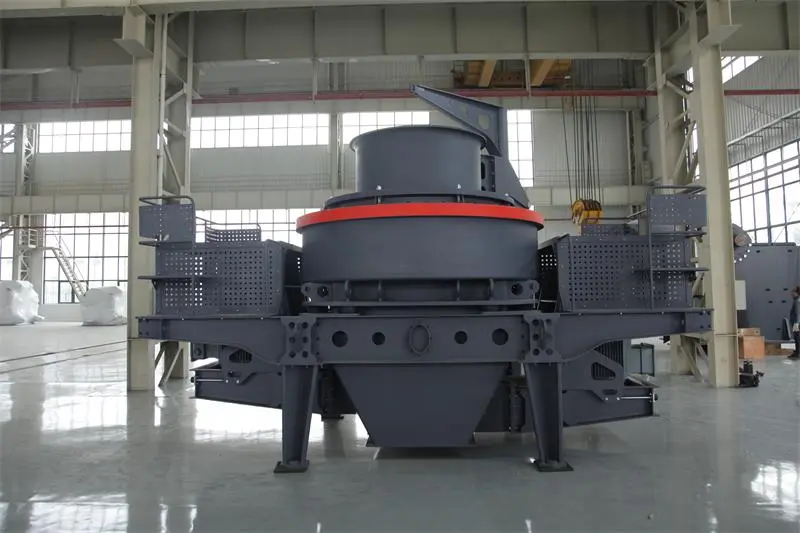
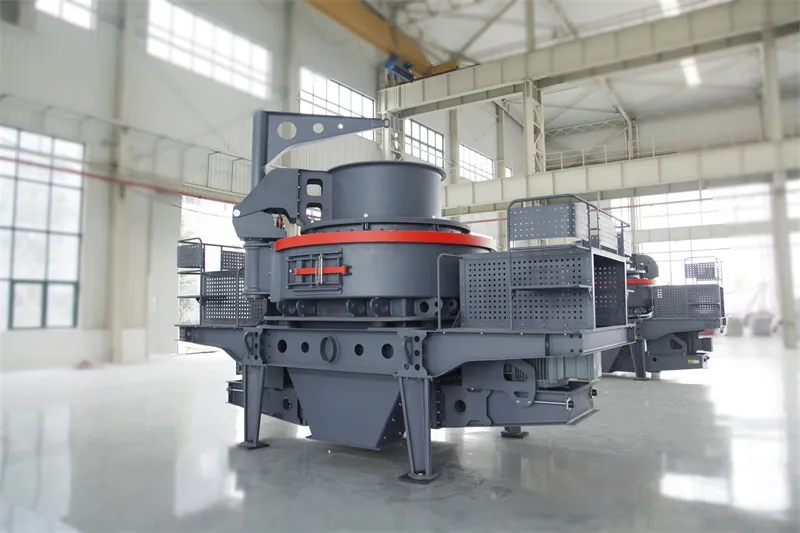
 VSI6X sand making machine
efficient sand production equipment
optimized sand shaping technology
131
|
Impact crusher
Intelligent lubrication
Condition monitoring
High - humidity ore
Equipment maintenance
365
|
impact crusher durability
harsh mining conditions
hammer life extension
crusher maintenance best practices
smart monitoring systems
402
|
VSI6X Sand Making Machine
efficient low-cost sand making equipment
sand making and shaping solutions
320
|
VSI6X Sand Maker
efficient sand-making equipment
cost-effective sand production
diverse material crushing
sand shaping equipment
VSI6X sand making machine
efficient sand production equipment
optimized sand shaping technology
131
|
Impact crusher
Intelligent lubrication
Condition monitoring
High - humidity ore
Equipment maintenance
365
|
impact crusher durability
harsh mining conditions
hammer life extension
crusher maintenance best practices
smart monitoring systems
402
|
VSI6X Sand Making Machine
efficient low-cost sand making equipment
sand making and shaping solutions
320
|
VSI6X Sand Maker
efficient sand-making equipment
cost-effective sand production
diverse material crushing
sand shaping equipment



.jpg?x-oss-process=image/resize,h_800,m_lfit/format,webp)




.jpg?x-oss-process=image/resize,m_fill,h_800,w_800/format,webp)
.jpg?x-oss-process=image/resize,m_fill,h_800,w_800/format,webp)


 Facebook