

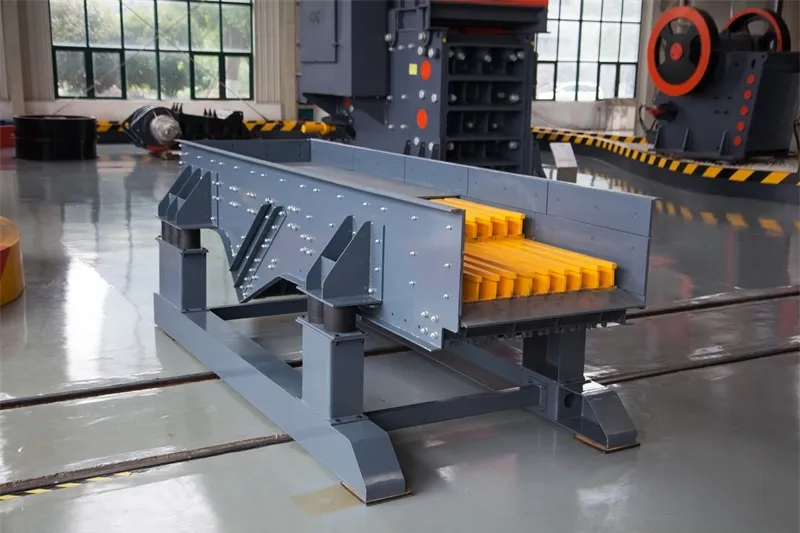
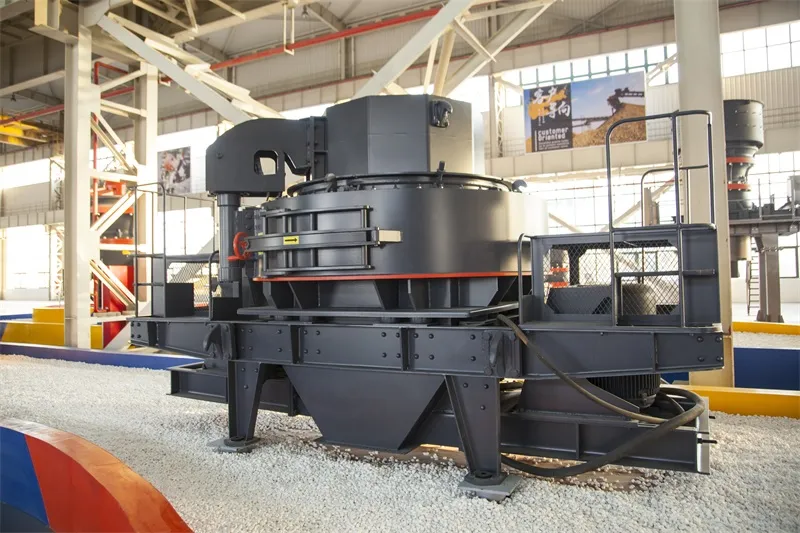
As a quarry manager, your goal is clear: maximize output while minimizing downtime and operational headaches. Traditional crushing equipment often falls short, suffering from complex installation, slow commissioning, and inconsistent throughput. Thankfully, modular crushing equipment such as the MP modular design by MINELINK offers a compelling solution that transforms quarry operations. This article explores how the SMP modular crushing system leverages standardized components and pre-assembled structures to boost efficiency by 30% to 40%, handle varied feedstock like pebbles, granite, and construction waste, and reliably meet your daily production targets ranging from 75 to 450 tons per hour.
Conventional crushing equipment is often plagued by:
Such issues can cripple a quarry’s ability to sustain daily output goals and erode profitability.
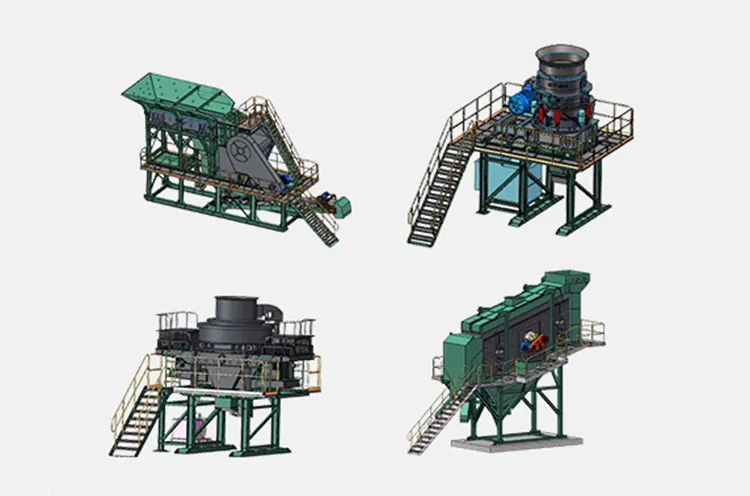
The power of modular crushing equipment lies in the adoption of standardized MP modules, which come pre-assembled from the factory. This standardization reduces on-site labor, shortens installation time by 30% to 40%, and simplifies commissioning. You benefit from predictable construction schedules and faster ramp-up to full production capacity.
Key advantages include:
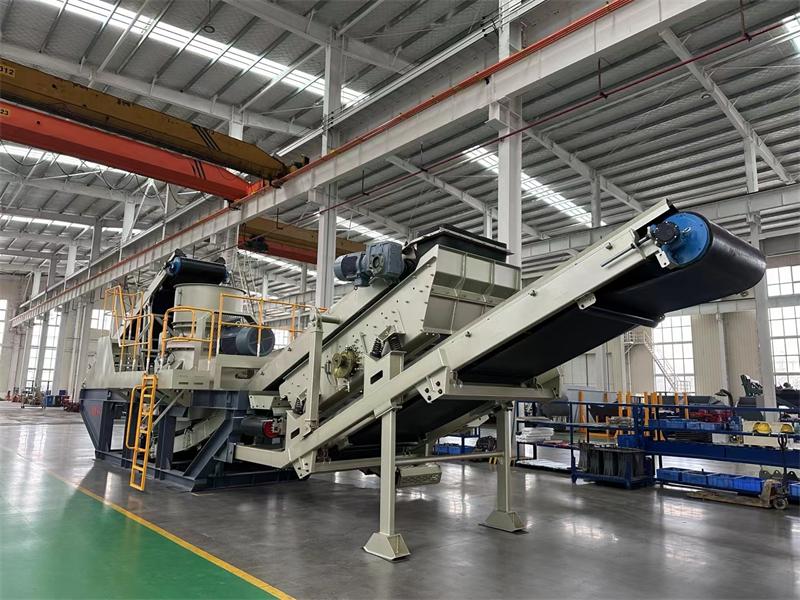
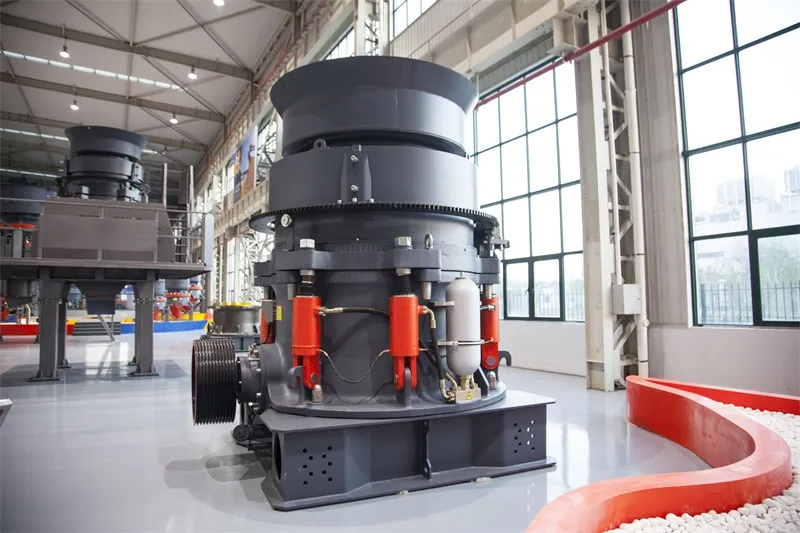
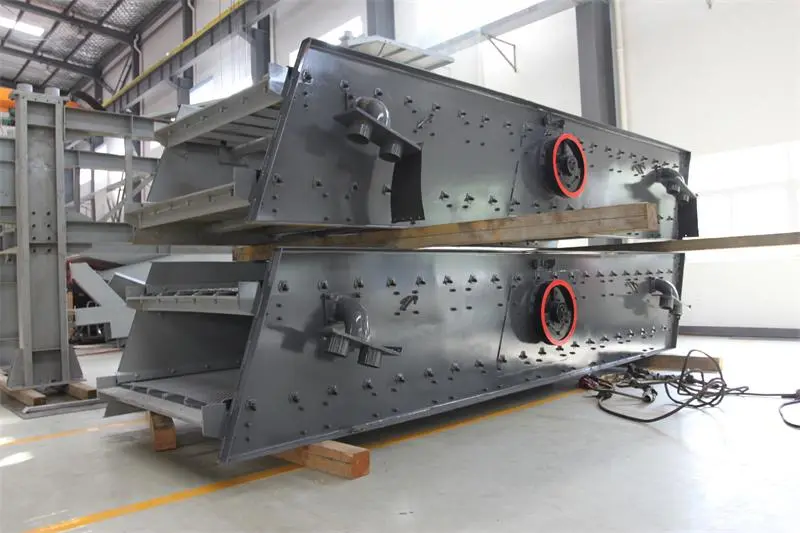
The SMP modular system offers a spectrum of solutions tailored to your quarry's production demands:
This flexibility empowers you to optimize crushing workflows according to raw material characteristics and throughput targets, ensuring consistent product quality and volume.

With deployment in over 137 countries, MINELINK’s modular crushing equipment has built a strong reputation for durability and customer satisfaction. Field reports consistently highlight:
"Since adopting the SMP modular system, our installation times dropped by 35%, and daily throughput stability has improved remarkably, allowing us to better meet customer delivery commitments." — Quarry Manager, Scandinavia
To ensure maximum ROI from your modular crushing investment, here are actionable guidelines:
 167
|
167
|
 intelligent gyratory crusher maintenance
mining equipment operation
intelligent diagnostic system
remote monitoring for mining equipment
crusher maintenance strategy
194
|
intelligent gyratory crusher
Middle East basalt crushing
low operating cost crushing equipment
mine intelligent solution
heavy-duty frame crusher
345
|
construction waste crushing
modular crushing equipment
SMP crushing solutions
green mining resource recycling
wear parts lifespan extension
473
|
hard rock crushing
wear mechanisms
short head cone crusher
compressive crushing technology
hydraulic lubrication system
445
|
mine gyratory crusher fault warning
intelligent crushing equipment remote monitoring
gyratory crusher maintenance tutorial
Middle East mining equipment operation
crusher predictive maintenance
intelligent gyratory crusher maintenance
mining equipment operation
intelligent diagnostic system
remote monitoring for mining equipment
crusher maintenance strategy
194
|
intelligent gyratory crusher
Middle East basalt crushing
low operating cost crushing equipment
mine intelligent solution
heavy-duty frame crusher
345
|
construction waste crushing
modular crushing equipment
SMP crushing solutions
green mining resource recycling
wear parts lifespan extension
473
|
hard rock crushing
wear mechanisms
short head cone crusher
compressive crushing technology
hydraulic lubrication system
445
|
mine gyratory crusher fault warning
intelligent crushing equipment remote monitoring
gyratory crusher maintenance tutorial
Middle East mining equipment operation
crusher predictive maintenance
.jpg?x-oss-process=image/resize,h_800,m_lfit/format,webp)







.jpg?x-oss-process=image/resize,m_fill,h_800,w_800/format,webp)




 Facebook