

In an industry where operational efficiency directly impacts profitability, quarry operators worldwide are constantly seeking solutions to maximize productivity while minimizing downtime. Traditional crushing systems often present significant challenges that hinder optimal performance, from extended installation periods to inflexible configurations that struggle to adapt to varying material types and production demands.
Traditional fixed crushing plants typically require 4-6 weeks for on-site assembly and commissioning, with some complex installations extending beyond 8 weeks according to industry benchmarks. This lengthy setup process translates directly to lost production opportunities and increased labor costs. Furthermore, these systems often lack the flexibility to efficiently process diverse materials, forcing quarry operators to compromise on either throughput or product quality when switching between aggregates like limestone, granite, or recycled concrete.
A recent survey of European quarry operators revealed that equipment downtime accounts for an average of 18% of potential production hours annually, with 63% of respondents citing maintenance complexity and component replacement as primary causes.
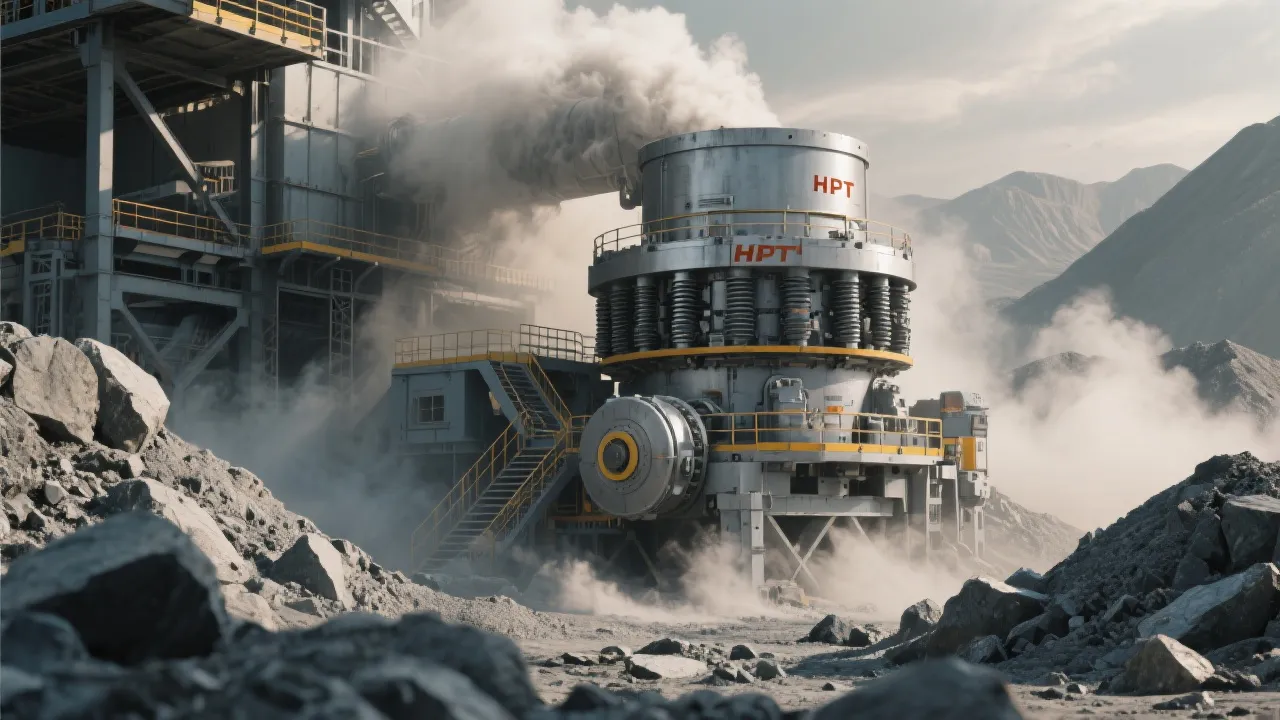
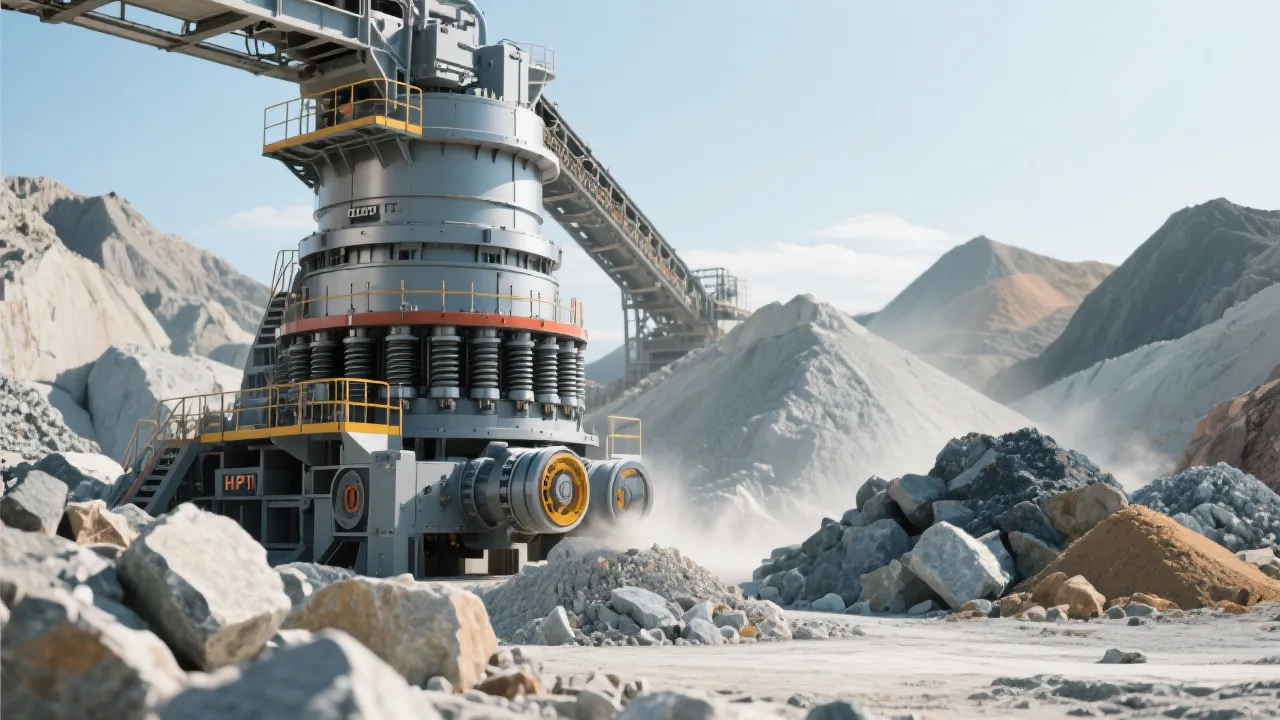
Modular crushing equipment represents a paradigm shift in quarry operations, built around three fundamental principles: standardization, pre-integration, and adaptability. These systems utilize factory-assembled modules that significantly reduce on-site installation requirements while ensuring consistent performance across different operational environments.
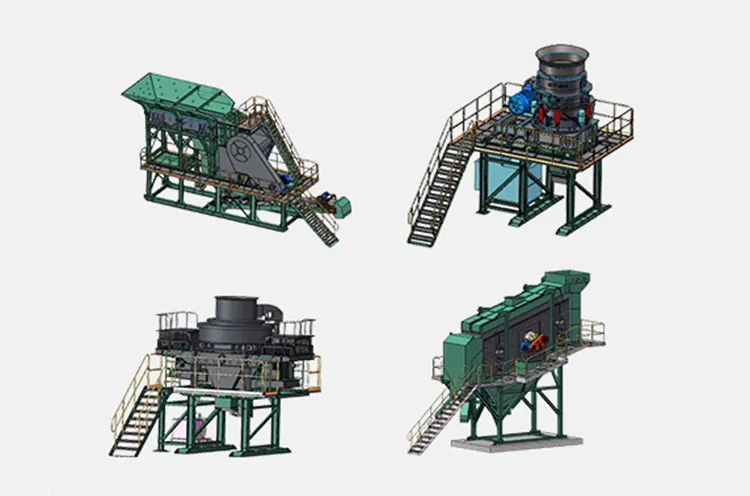
At the heart of modular systems lies component standardization, where critical elements like crushers, screens, and conveyors follow uniform design specifications. This standardization not only simplifies maintenance but also ensures interchangeability, allowing operators to quickly reconfigure their setup based on changing production needs. Kuanglian's MP modules, for instance, feature common interface dimensions that enable seamless integration between different processing stages.
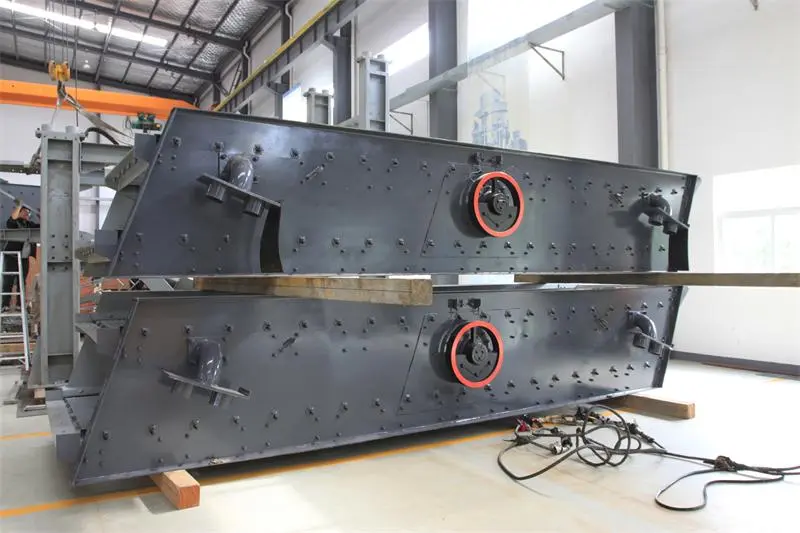
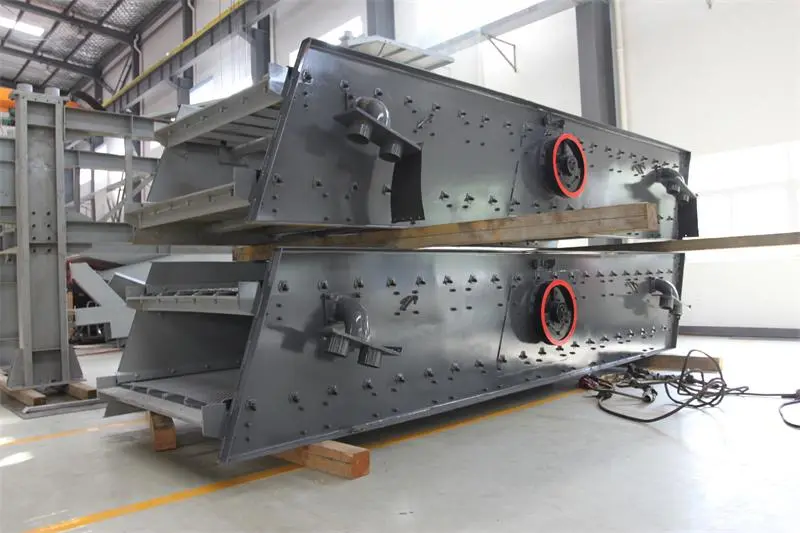
Unlike traditional systems requiring extensive on-site assembly, modular equipment arrives at the quarry pre-assembled and factory-tested. This pre-integration can reduce installation time by 60-70%, with many systems operational within 7-10 days rather than months. The pre-wired and pre-plumbed modules eliminate the need for specialized on-site expertise during setup, further lowering installation costs.
The efficiency improvements offered by modular crushing systems translate directly to the bottom line. Independent studies conducted across North American and European quarries have documented 30-40% increases in production efficiency after implementing modular solutions. This improvement stems from multiple factors working in synergy:
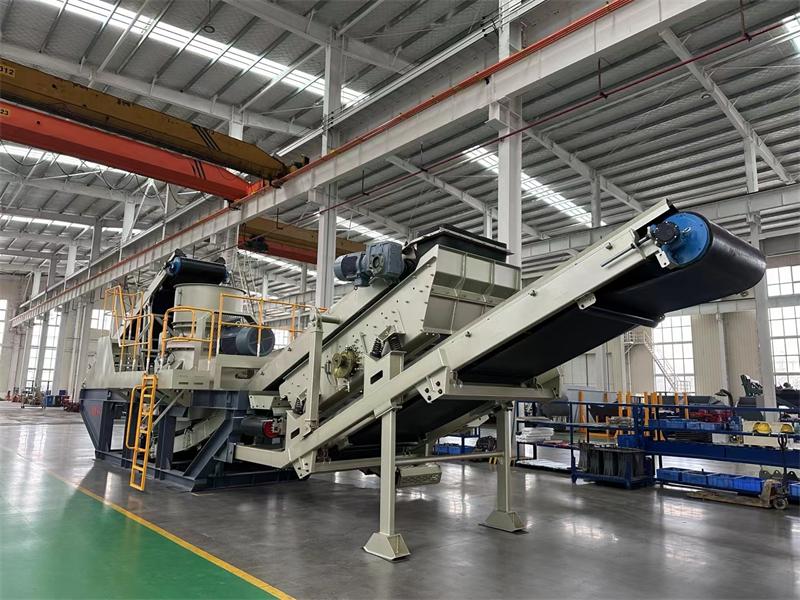
A mid-sized limestone quarry in northern Italy recently transitioned from a conventional crushing plant to a modular system. Within the first six months of operation, they documented:
37% Increase
In daily production volume
28% Reduction
In maintenance costs
12 Days
Installation time vs. projected 45 days
Modern modular crushing systems excel not only in primary aggregate production but also in specialized applications that were traditionally challenging for conventional equipment. The flexibility to reconfigure module combinations makes these systems particularly effective for:
Processing rounded鹅卵石 (pebbles) presents unique challenges due to their high abrasiveness and tendency to slip in traditional crushing chambers. Modular systems with adjustable crushing parameters and specialized liners have demonstrated 25-30% higher efficiency in pebble crushing applications compared to fixed plants, according to mining equipment testing reports.
With the growing emphasis on sustainable construction practices, modular systems offer an economical solution for on-site recycling of construction and demolition waste. These systems can be quickly deployed to job sites, processing concrete, asphalt, and masonry waste into reusable aggregates, reducing landfill disposal costs by up to 50% while creating a secondary revenue stream.

Selecting the optimal modular configuration requires careful analysis of specific operational requirements. Key factors to consider include material characteristics, required production capacity, end-product specifications, and available space. A well-designed modular system should not only meet current needs but also allow for future expansion as production demands grow.
Industry experts recommend conducting a comprehensive material analysis and production audit before specifying modular equipment. This assessment should include feed size distribution, material hardness, moisture content, and desired product gradation to ensure the selected modules will deliver optimal performance.
Discover how Kuanglian's modular crushing solutions can deliver 30-40% efficiency gains for your specific operation.
Schedule Your Free Efficiency AnalysisEffective maintenance practices are crucial to maximizing the performance and lifespan of modular crushing equipment. While these systems are designed for reduced maintenance requirements, implementing a proactive maintenance program can further enhance reliability and extend component life. Key maintenance considerations include regular inspection of wear parts, proper lubrication schedules, and systematic monitoring of performance metrics to identify potential issues before they result in downtime.
As the quarrying industry continues to evolve, modular crushing technology remains at the forefront of operational efficiency. By combining standardized components with flexible configurations, these systems offer a future-proof solution that can adapt to changing market demands and regulatory requirements. For forward-thinking quarry operators, the transition to modular equipment represents not just an efficiency upgrade, but a strategic investment in long-term competitiveness.
 275
|
275
|
 impact crusher adjustment
particle size control
dual wedge mechanism
PFW crusher automation
hydraulic discharge regulation
194
|
intelligent gyratory crusher
Middle East basalt crushing
low operating cost crushing equipment
mine intelligent solution
heavy-duty frame crusher
464
|
PFW impact crusher
mining and chemical industry equipment
double wedge adjustment mechanism
energy-efficient crushing equipment
modular crusher design
185
|
Impact crusher adjustment
Particle size control techniques
Advantages of double - wedge structure
Discharging port fault troubleshooting
Chemical raw material processing
473
|
hard rock crushing
wear mechanisms
short head cone crusher
compressive crushing technology
hydraulic lubrication system
impact crusher adjustment
particle size control
dual wedge mechanism
PFW crusher automation
hydraulic discharge regulation
194
|
intelligent gyratory crusher
Middle East basalt crushing
low operating cost crushing equipment
mine intelligent solution
heavy-duty frame crusher
464
|
PFW impact crusher
mining and chemical industry equipment
double wedge adjustment mechanism
energy-efficient crushing equipment
modular crusher design
185
|
Impact crusher adjustment
Particle size control techniques
Advantages of double - wedge structure
Discharging port fault troubleshooting
Chemical raw material processing
473
|
hard rock crushing
wear mechanisms
short head cone crusher
compressive crushing technology
hydraulic lubrication system



.jpg?x-oss-process=image/resize,h_800,m_lfit/format,webp)




 Facebook