

Pebble crushing looks simple on paper—hard, rounded stones in; uniform aggregates out. In real plants, it is often the opposite: pebbles tend to slip, create unstable chamber filling, and amplify wear, which then shows up as inconsistent product size. This is where a multi-cylinder hydraulic cone crusher becomes a practical process tool rather than “just another machine.”
From an engineering perspective, the highest-value outcome is not only higher throughput, but stable finished size distribution over long shifts with fewer manual adjustments. For procurement teams, that stability directly translates into predictable downstream screening load, fewer out-of-spec batches, and better overall OPEX control. In many pebble aggregate lines, well-tuned multi-cylinder cones can deliver a reduction ratio around 4:1–8:1 depending on feed size, chamber selection, and liner condition.
Compared with angular rock, pebbles have high roundness and a naturally “rolling” behavior. This reduces inter-particle locking inside the chamber and can cause intermittent crushing, leading to:
The process target is therefore twofold: increase “real” crushing events per pass and keep the crusher running in a consistent, protective operating window.
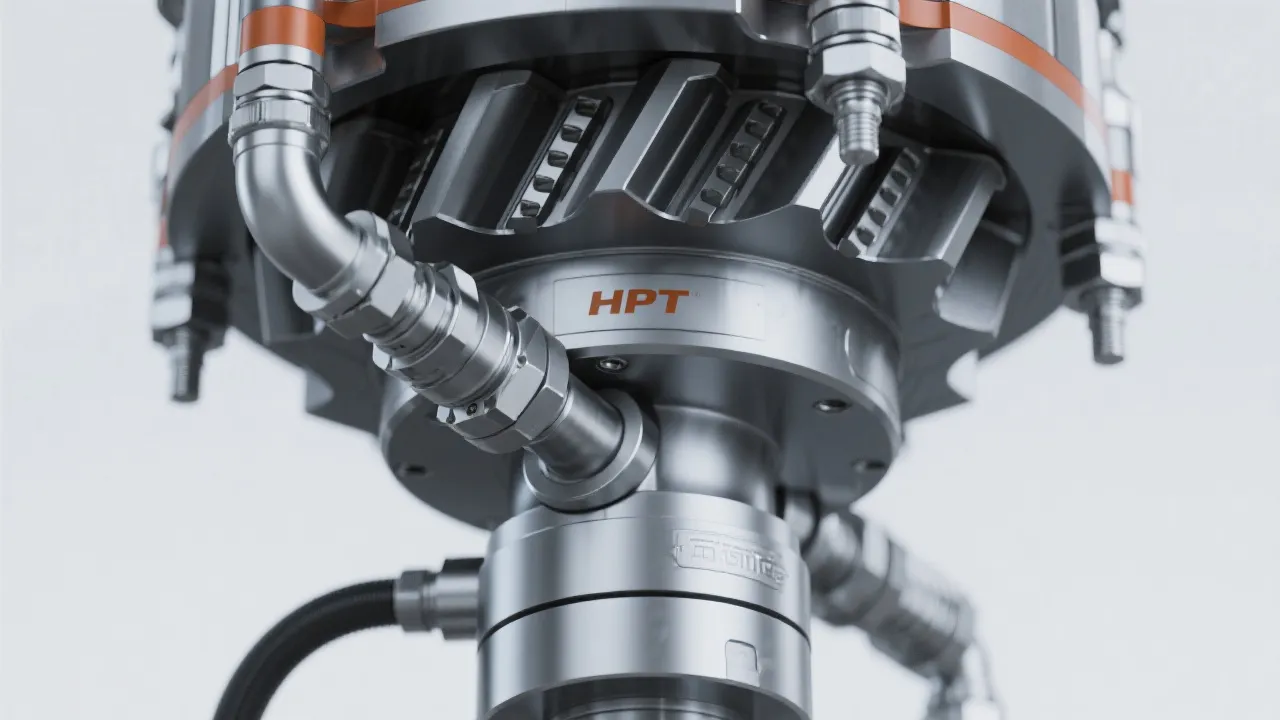
Multi-cylinder hydraulic cone crushers leverage a robust main frame and an optimized eccentric system to create a stable, repeatable crushing motion. In pebble applications, the practical value is improved chamber utilization: a well-designed motion profile increases the probability that rounded stones are caught and compressed rather than sliding through.
When the chamber is consistently filled and the discharge setting is controlled, many operations see a measurable uplift in reduction ratio and shape control. As a reference range for engineered aggregate lines:
| Process Item | Typical Range (Reference) | Impact on Pebble Stability |
|---|---|---|
| Reduction ratio | 4:1–8:1 | Higher ratio reduces recirculation and screen load |
| CSS drift (with hydraulic/PLC control) | ±1–3 mm (well-maintained systems) | Keeps gradation stable across shifts |
| Typical improvement in “out-of-spec” fraction | 10%–25% reduction | Less rework and fewer stockpile quality complaints |
| Unplanned stoppage reduction (with monitoring) | 15%–30% fewer events | Protects liners and improves utilization |
Note: values vary by feed gradation, moisture, liner profile, closed-side setting (CSS), and control strategy. Use them as planning references, then validate with site trials and historical data.

In pebble crushing, stability is often lost not because the chamber design is wrong, but because the machine cannot hold its operating conditions steady under changing feed. A modern intelligent hydraulic lubrication system helps maintain that stability by ensuring:
For many plants, a noticeable effect shows up as steadier power draw and a narrower product curve, because the crusher can stay closer to its intended CSS and stable “choke-fed” state.

A PLC electrical control system brings the crushing process closer to repeatable manufacturing. Instead of relying on operator intuition alone, it makes key variables visible and actionable. In pebble circuits, a practical monitoring set typically includes:
One widely used method is to link CSS corrections to stable indicators (e.g., power draw band + pressure band) rather than adjusting purely by visual inspection of the stockpile. With stable feed and proper choke feeding, this can reduce needless adjustments and keep the plant closer to its target curve.
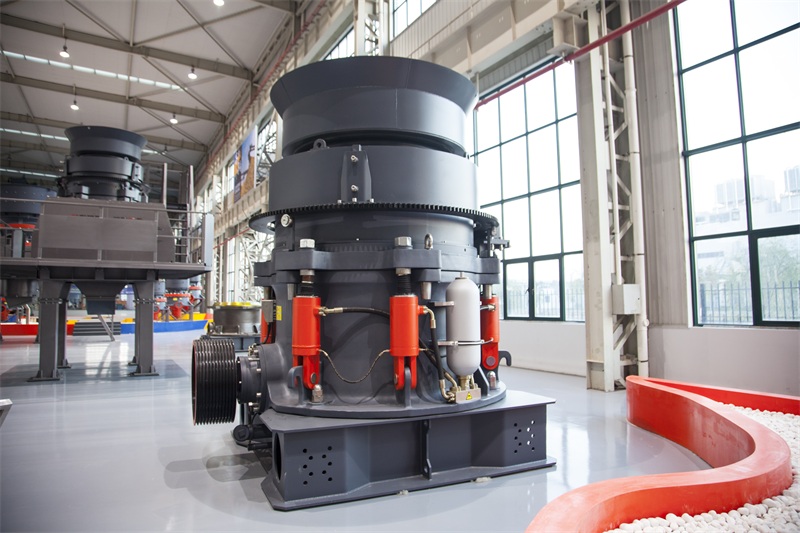
While pebble crushing is a special case, a well-built multi-cylinder hydraulic cone is often selected because it shows consistent behavior across different hardness levels and abrasion conditions. In practical deployments, operators commonly observe:
| Material | Common Challenge | What the Multi-Cylinder Cone Helps Control |
|---|---|---|
| Granite | High hardness, higher wear rate | Stable load window + protective hydraulics reduces shock events |
| Limestone | Fines sensitivity, screening efficiency | CSS + chamber control helps reduce over-crushing and drifting gradation |
| Pebbles | Slip/roll behavior, uneven chamber utilization | Motion + choke feed + PLC/hydraulic synergy improves “bite” and stability |
In many pebble projects, the biggest gains come from the system, not a single parameter: chamber selection, hydraulic protection, lubrication discipline, and PLC visibility need to work together. When these elements are aligned, plants typically see fewer “mystery” shutdowns, tighter gradation control, and smoother downstream screening.
Share your feed size, target gradation, and capacity. The team can help match chamber type, control configuration, and a practical operating window for your circuit.
 496
|
496
|
 C6X jaw crusher
jaw crusher maintenance challenges
extended equipment lifespan
structural optimization design
high - yield aggregate plants
427
|
Impact crusher maintenance points
Construction waste crusher usage tips
PF - 1315 crusher maintenance guide
Recycled aggregate production optimization
Construction waste recycling equipment operation and maintenance
154
|
impact crusher adjustment
particle size control
double wedge mechanism
chemical plant automation
discharge opening regulation
284
|
intelligent gyratory crusher
Middle East basalt crushing
low operating cost crushing equipment
mining automation solutions
gyratory crusher case study
121
|
impact crusher adjustment
particle size control techniques
dual-wedge mechanism advantages
limestone crushing applications
coal gangue crushing technology
C6X jaw crusher
jaw crusher maintenance challenges
extended equipment lifespan
structural optimization design
high - yield aggregate plants
427
|
Impact crusher maintenance points
Construction waste crusher usage tips
PF - 1315 crusher maintenance guide
Recycled aggregate production optimization
Construction waste recycling equipment operation and maintenance
154
|
impact crusher adjustment
particle size control
double wedge mechanism
chemical plant automation
discharge opening regulation
284
|
intelligent gyratory crusher
Middle East basalt crushing
low operating cost crushing equipment
mining automation solutions
gyratory crusher case study
121
|
impact crusher adjustment
particle size control techniques
dual-wedge mechanism advantages
limestone crushing applications
coal gangue crushing technology


.jpg?x-oss-process=image/resize,h_800,m_lfit/format,webp)








 Facebook