
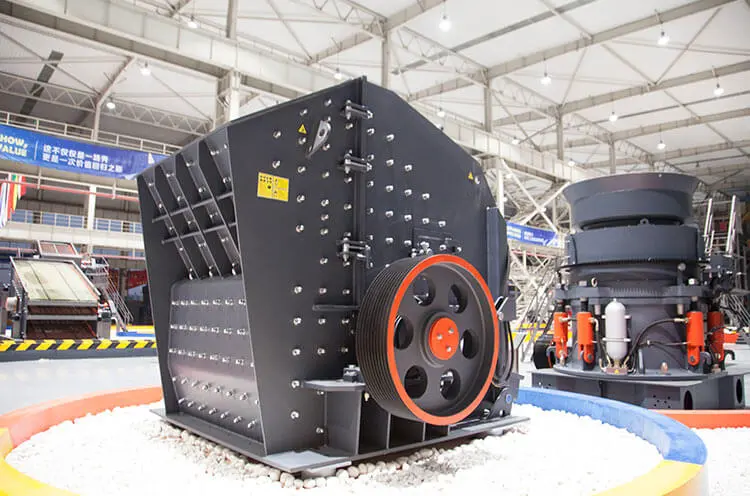
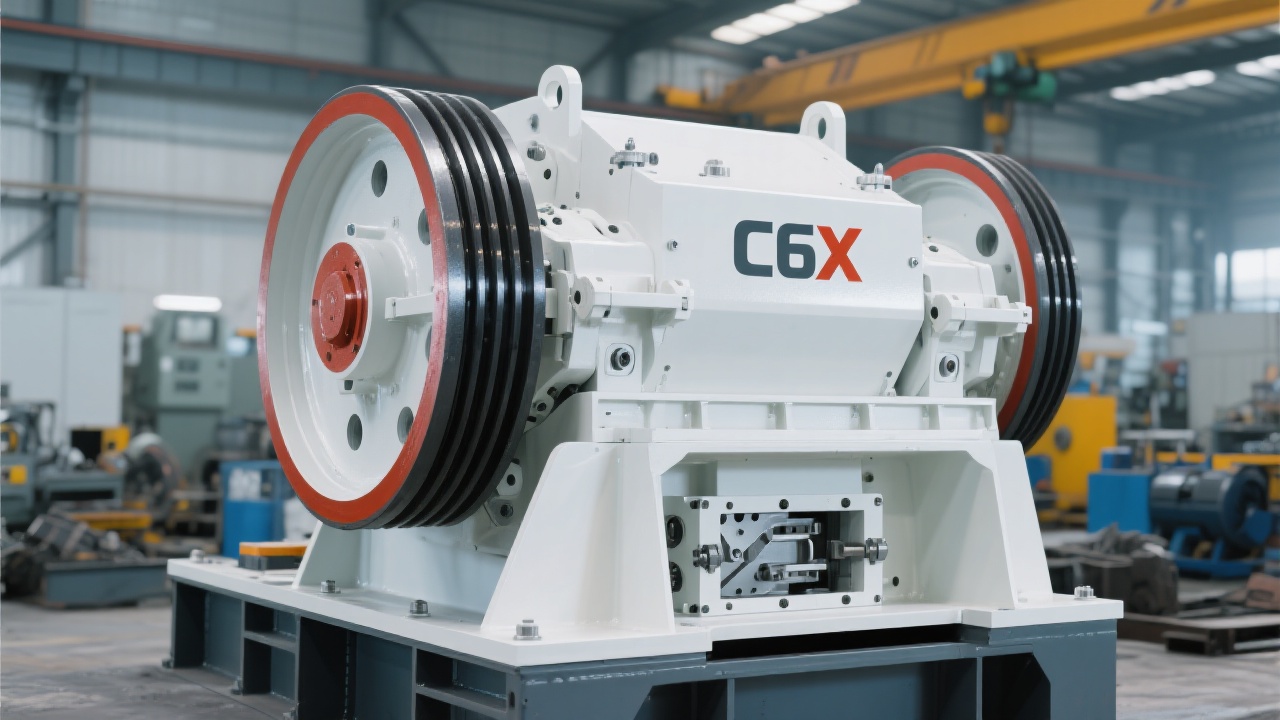
In the realm of primary crushing, the PE jaw crusher stands out due to its robust design and reliable operation. Central to this strength is the eccentric shaft — a pivotal component engineered to withstand high stress and enable smooth crushing performance. With over three decades of industry experience, manufacturers have perfected the eccentric shaft’s structure, leveraging high-strength cast steel and optimized geometries to significantly enhance the crusher’s fatigue resistance and operational longevity.
The eccentric shaft translates rotational motion into the reciprocating movement of the jaw plate, a mechanically demanding task requiring resilience under cyclic loading. Its carefully designed offset crank allows the jaw plates to open and close, generating crushing forces. Key material choices, including 42CrMo alloy cast steel or equivalent, coupled with heat treatment processes, yield tensile strengths exceeding 1000 MPa and provide excellent wear resistance.
Modern engineering analysis reveals that stress distribution on the eccentric shaft peaks near the crank arm during operation. Advanced finite element analysis (FEA) demonstrates that optimized filament shapes and fillet radii reduce stress concentration points by up to 15%, effectively minimizing fatigue cracks and extending shaft life by 20-30%. This structural integrity assures consistent performance in demanding environments such as metal ore mining where abrasive materials and heavy loads prevail.
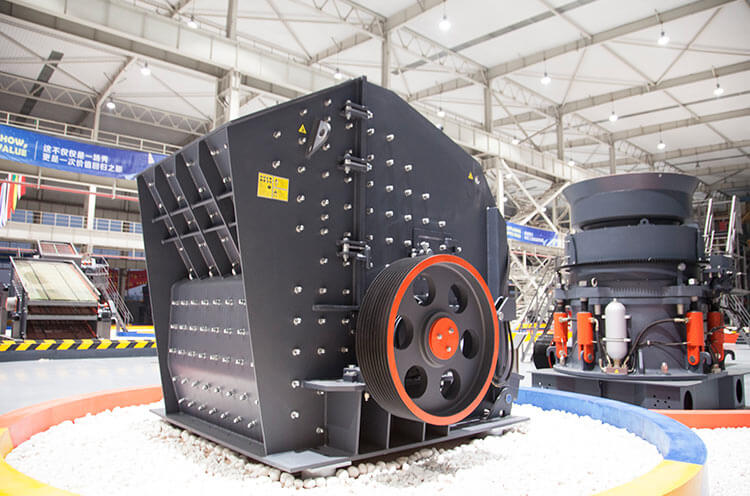
Analysis of mining operations has uncovered patterns in eccentric shaft failures primarily linked to operational errors. Case studies from a gold mine in the Australian Outback reported a 25% higher failure rate when operators neglected proper feed size control and outlet adjustments, leading to excessive shock loads on the shaft. Conversely, regular maintenance coupled with correct parameter settings dropped failure incidents by 40% over 12 months.
A practical example involved replacing the eccentric shaft material with a high-toughness micro-alloy cast steel, combined with improved lubrication schedules. This resulted in measurable increases in mean time between failures (MTBF) from 3000 to 4500 hours and reduced unexpected downtime. Such data underscore that theoretical design excellence must be complemented by disciplined operation and preventive maintenance to realize full equipment potential.
| Operational Factor | Impact on Shaft Life | Data Reference |
|---|---|---|
| Feed size too small | Increases unexpected shocks by 18% | Gold mine site audit, 2023 |
| Neglecting discharge port adjustment | Leads to 22% rise in load variance | Mining operation report, 2022 |
| Infrequent lubrication & inspection | Resulting in 35% shorter shaft lifespan | Equipment maintenance log, 2023 |
Three common misuses jeopardize the eccentric shaft’s durability:
Awareness and correction of these behaviors are critical. Proper feed sizing (typically between 85-90% of crushing chamber width), adhering to discharge settings recommended in the operation manual, and scheduled maintenance adhering to monthly lubrication cycles can dramatically improve service life.
Manufacturers recommend the following actionable steps:
Consistent application of these measures can reduce repair costs by up to 30%, increase uptime substantially, and enable the jaw crusher to perform reliably under harsh metallurgical site conditions.





.jpg?x-oss-process=image/resize,m_fill,h_800,w_800/format,webp)


 Facebook